TOLEDO — Local health officials and advocates are sounding alarms after a proposed federal budget threatens to eliminate a $56 million naloxone grant program, potentially scaling back access to the life-saving opioid overdose reversal drug across the country.
Under the plan introduced by the Trump administration and supported by Health and Human Services Secretary Robert F. Kennedy Jr., the First Responders-Comprehensive Addiction and Recovery Act (FR-CARA) could be eliminated and folded into a newly proposed entity called the Administration for a Healthy America. The restructuring would dissolve the Substance Abuse and Mental Health Services Administration (SAMHSA), the current overseer of FR-CARA.
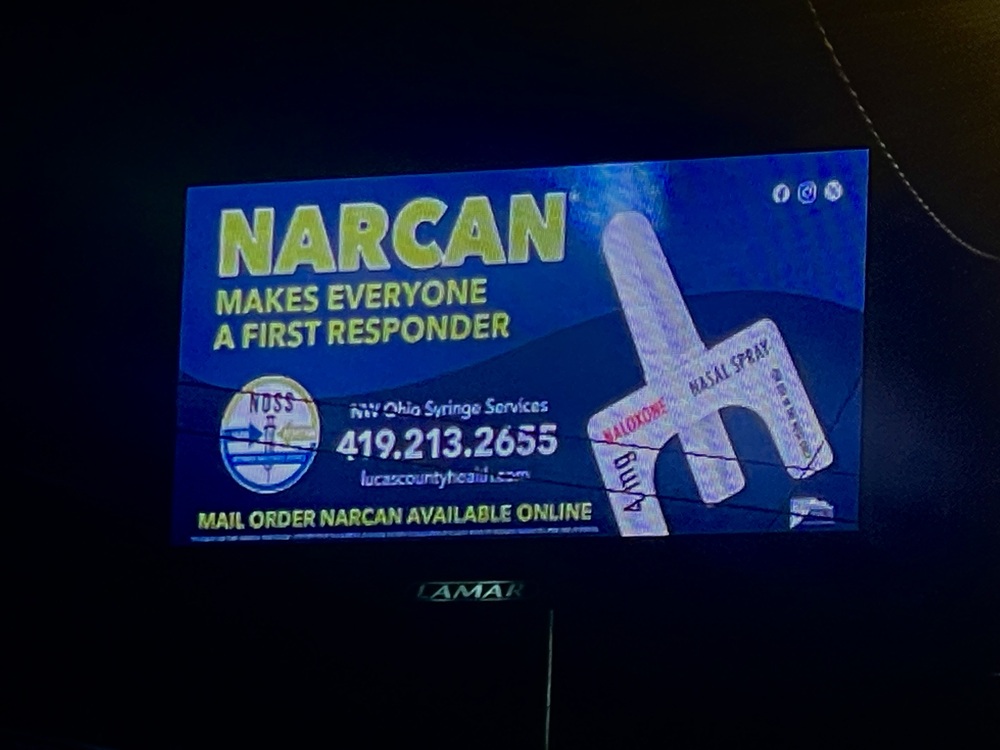
Naloxone, sold under the brand name Narcan, is widely used by emergency responders, hospitals and community organizations to reverse opioid overdoses. In Lucas County alone, nearly 19,000 naloxone kits were distributed in 2024, resulting in more than 2,000 confirmed reversals, according to Joe Wood, the public health educator for the Lucas County Health Department. The same year, the county recorded 159 fatal overdoses—a 35 percent drop from 2023.
Wood said Ohio is currently protected by a statewide initiative that provides free naloxone via Project DAWN (Deaths Avoided With Naloxone), a program backed by Gov. Mike DeWine and RecoveryOhio.
“Fortunately, Toledo is protected, and we will remain distributing naloxone for first responders in the foreseeable future.” Wood mentions this may not be the case for other states and counties.
“There are most certainly—probably—Ohio programs that get this federal funding, and if it’s cut, it would affect their access. And then, certainly in other states, the majority of the state’s funding could have devastating impacts on first responders being able to respond to an overdose.”
Wood emphasized that naloxone’s availability isn’t just preventative — it’s part of a wider accountability effort.
“It started from the mass distribution of oxycodone, and the pharmaceutical companies lying to the FDA about their medication not being addictive. That is why the opiate settlement funds were arbitrated.” Wood mentions that it is the government’s responsibility to fund the solution to the epidemic it helped create.
“How can we pull funding for an issue that we have already agreed the government and the pharmaceutical companies were complicit in creating?”
In July 2025, Purdue Pharma’s bankruptcy settlement was finalized at $7.4 billion, one of the largest corporate settlements of its kind. Legal documents tied the company’s practices to the national opioid epidemic, and distributors like CVS, Walgreens, and Walmart were also found liable. The settlement funds are now being routed to state and local governments to support treatment, recovery, and overdose prevention efforts.
Dr. Brian Kaminski, vice president of medical affairs for ProMedica Metro Hospitals, said Narcan is administered in local emergency departments nearly every day. He emphasized that the grant supports not only distribution, but training and post-overdose protocols.
“Over the course of the last two years, we’ve had a pretty significant decline in the number of fatal overdoses and also the number of Narcan administrations that occur in the hospital.” Kaminski mentions that scaling back now could reverse that progress.
For addiction recovery advocate Matt Bell, the issue is personal. The founder of Toledo-based Team Recovery said he struggled with opioid addiction for almost a decade, experiencing 18 overdoses and attending 28 rehab programs before entering recovery in 2015. Bell credits Narcan with saving his life multiple times.
“If it weren’t for Narcan, I wouldn’t be here,” Bell said. “I’m married. I have three beautiful children. I have a master’s degree in social work. I just graduated from the University of Toledo. I own an addiction treatment center. I employ 160 people. We have 250 beds that are almost full at all times.” Bell mentions that everyone deserves a second chance like him.
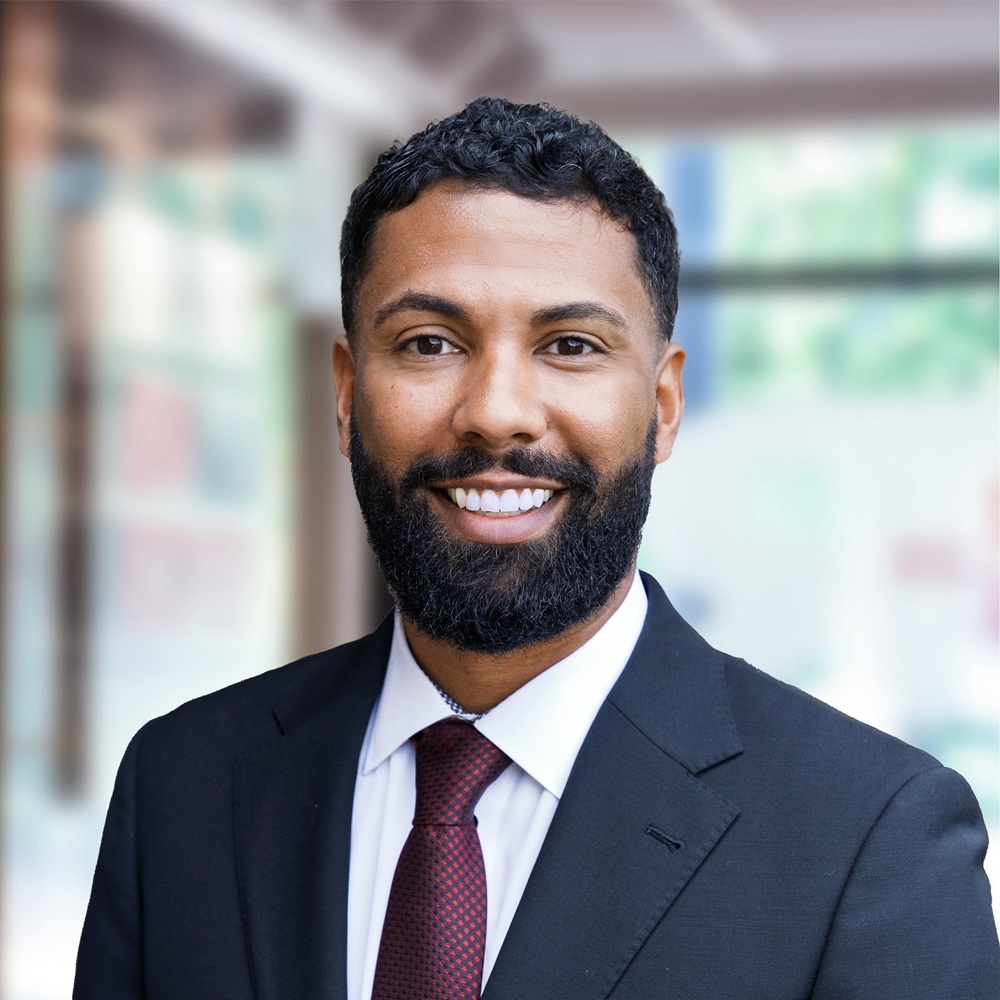
Bell’s nonprofit includes a public naloxone vending machine in its lobby and hosts community events to fight stigma and promote recovery—including an annual rally held on October 17, officially declared “Team Recovery Day” by Toledo’s mayor. Participants hold signs reading “Honk if you hate heroin” and “Heroin’s killing our town.” in an effort to raise awareness and shift public perception.
“A lot of people think Narcan enables drug use,” Bell said. “It doesn’t — it enables breathing. And if people can continue to breathe and stay alive, they have another chance to experience sobriety and happiness and peace and making amends to their families and society and debtors.”
Wood and Bell also highlighted emerging concerns in local drug trends, including rising methamphetamine use and counterfeit prescription pills laced with synthetic opioids like fentanyl and xylazine. While opioid-related deaths are down, overdoses tied to nontraditional substances are climbing.
“Addiction doesn’t discriminate,” Wood said. “I walk into schools and meet 15 [and] 16-year-olds who have already seen overdoses. And when we recognize the environmental components of sometimes parents use drugs in front of their children…sometimes children grow up in neighborhoods where drug use is common in their community. We see a cycle of generational addiction, and this isn’t the children’s fault, and we need to provide the resources to save their lives as well.”
Bell added that recovery is possible, but only if life-saving interventions remain available. “People are not bad—they’re sick. Sick people need treatment,” he said. “You know, more recovery is needed. More love.”
For now, state funding in Ohio remains intact, but advocates and health officials urge policymakers to maintain federal support—especially in the shadow of nationwide litigation that confirmed the scale of corporate wrongdoing.
RELATED STORY: “Narcan installed in some S&G stores”