WATERVILLE TOWNSHIP – Waterville Township has everything a data center needs: abundant land and easy access to water and electricity. If approved by the trustees later this summer, the township will also have more thorough zoning regulations in place to handle such facilities.
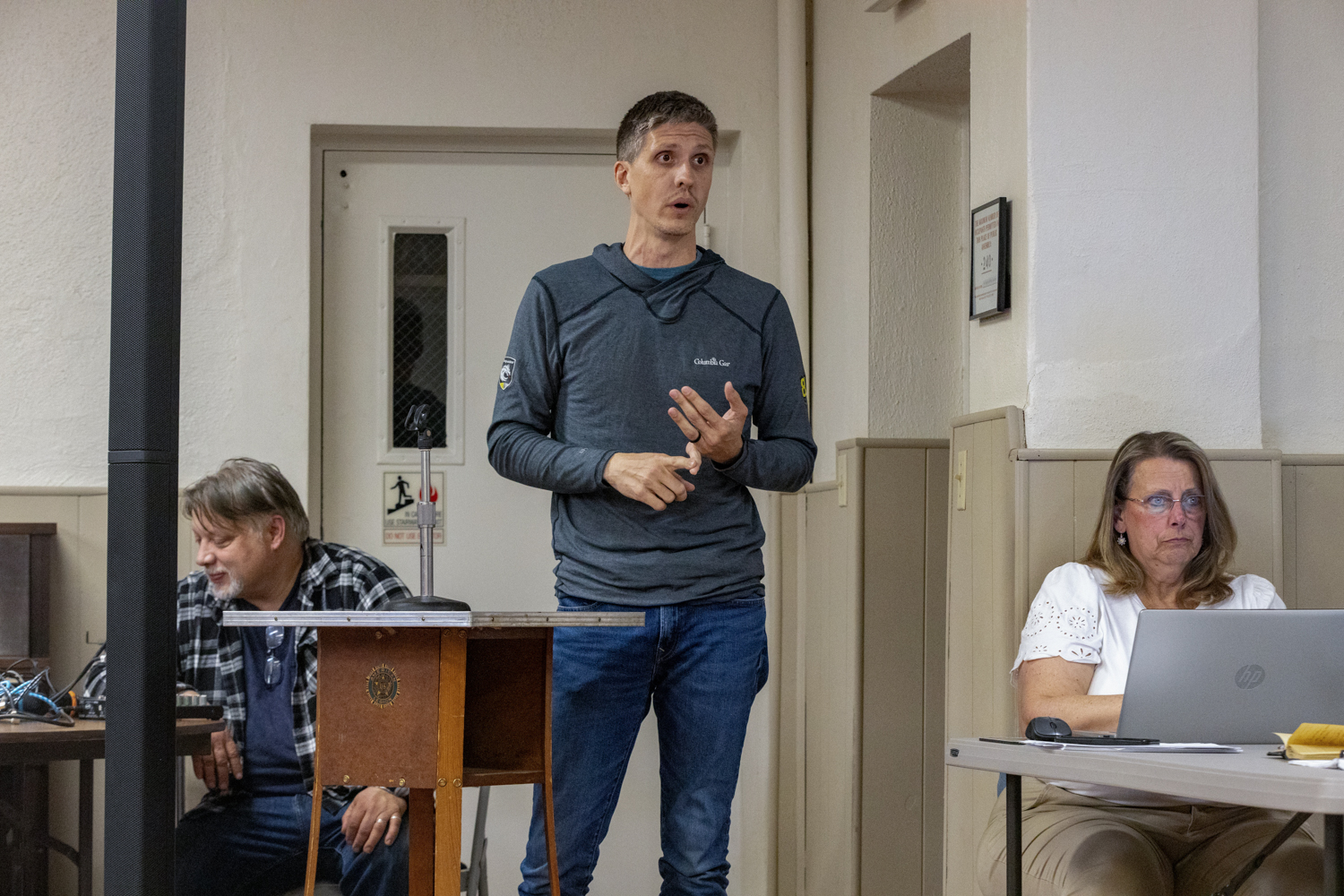
“The committee did not give up any ground. We want to protect the rights of residents,” said Brian Gowing, one of several residents on the township’s Data Center Advisory Committee, which was formed soon after a one-year moratorium was approved in December.
Over the past several months, multiple meetings and intense homework with each committee member researching areas including water, electricity, environment and other impacts, the DCAC dug into zoning codes and the Ohio Revised Code – all with a goal of beefing up the township’s zoning resolution to prepare for a data center or similar high-impact facility.
“Hopefully it dissuades a data center from coming in, but if a data center does come in, they have a lot of hurdles to jump through and a lot of money they’re going to have to put out,” Gowing told an audience gathered during a special May 12 zoning commission meeting.
Last year, the township’s board of trustees – recognizing that a data center developer might want to locate in the area – approved a change to its zoning resolution, allowing such facilities on agriculturally-zoned land with the issuance of a conditional use permit. Facing pushback and questions from dozens of residents, the trustees approved a one-year moratorium to give the township time to research and come up with recommendations, said Trustee Toby Miller.

At the same time, the township has been undergoing a thorough review of its 2010 Comprehensive Land Use Plan, utilizing Reveille Ltd. of Bowling Green. In the process, Reveille recommended looking at adding an M-3 Campus Industrial District to its zoning resolution, and to amend its existing M-1 and M-2 industrial district regulations to include tiers that are based on electrical capacity and overall impact.
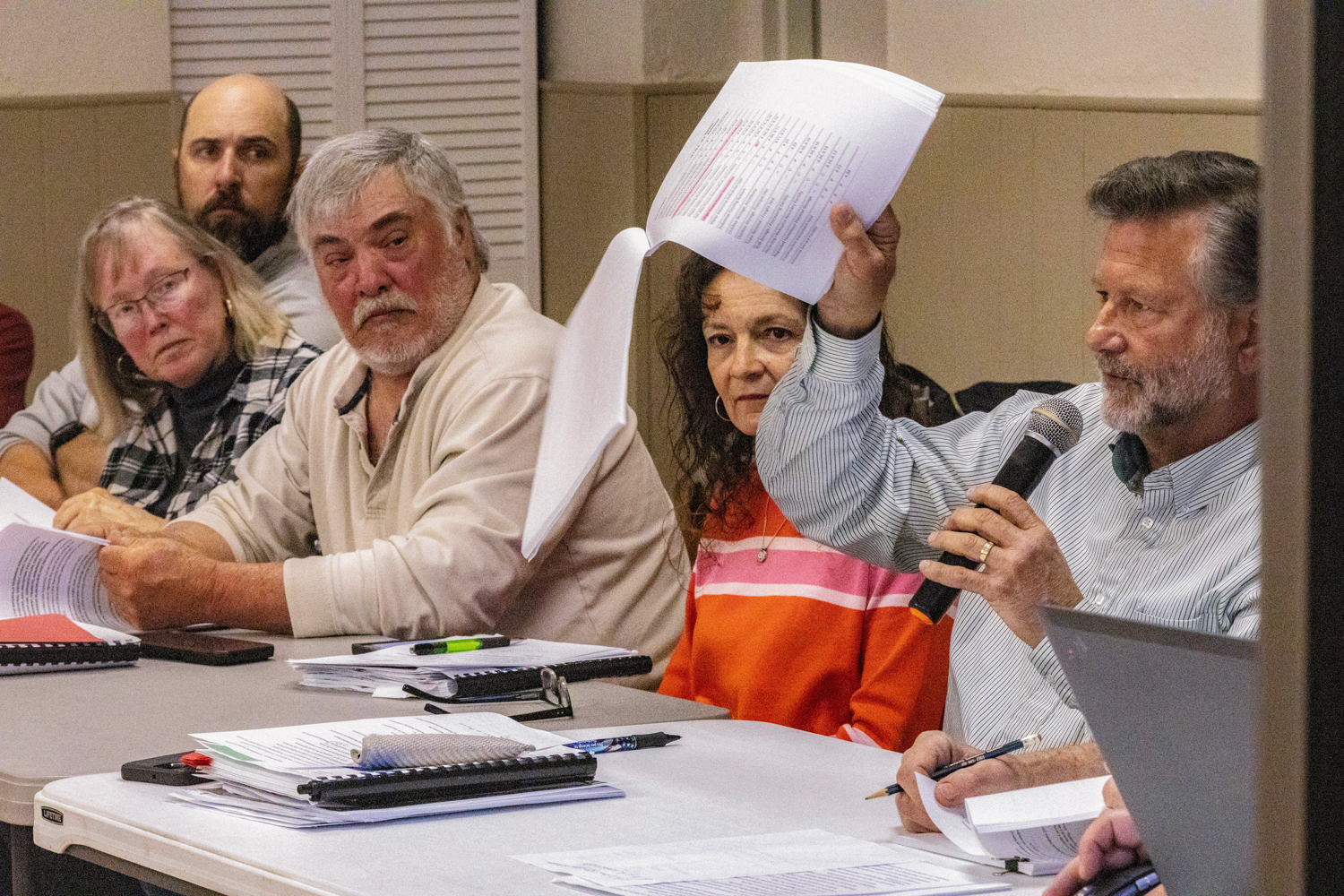
During the meeting, Miller shared a presentation outlining the proposed amendments to the zoning resolution, and noted that the presentation, along with the 65-page resolution and a draft copy of the land use plan update – which is still in progress – will be posted at watervilletownship.com and on the township’s Facebook page.
While the Zoning Commission already sent the resolution to the Lucas County Plan Commission on May 10 – in order to get on the LCPC agenda for Wednesday, June 24 – commission members Bill Burkett, Shelly Hayes, Bob Long, Keith Moosman, Cathy Vorst and alternate Jon Poponak listened and asked questions during Miller’s presentation. He noted that the meeting is just the initial step in a process that will involve opportunities for public input at the county and township level before the trustees vote on the change later this summer. DCAC members Gowing, Rebecca Wooten, Robert Seeman, Todd Heller, Todd Kerschner and Russ Schifferly also reviewed the resolution.
The zoning will not only regulate data centers, but large-scale, high-impact, campus-style industrial developments such as power plants, utility yards and battery storage systems. It will replace the current data center language that requires a conditional use permit – a decision that would rest with the Board of Zoning Appeals (BZA).
Miller pointed out that while the BZA members are all dedicated and knowledgeable, they are not elected officials. And the conditional use permit is considered an administrative action, and therefore not subject to a referendum by citizens. By requiring a developer to apply for a zoning change, citizens can submit 327 signatures on a petition to put any zoning change decision on the ballot as a referendum.
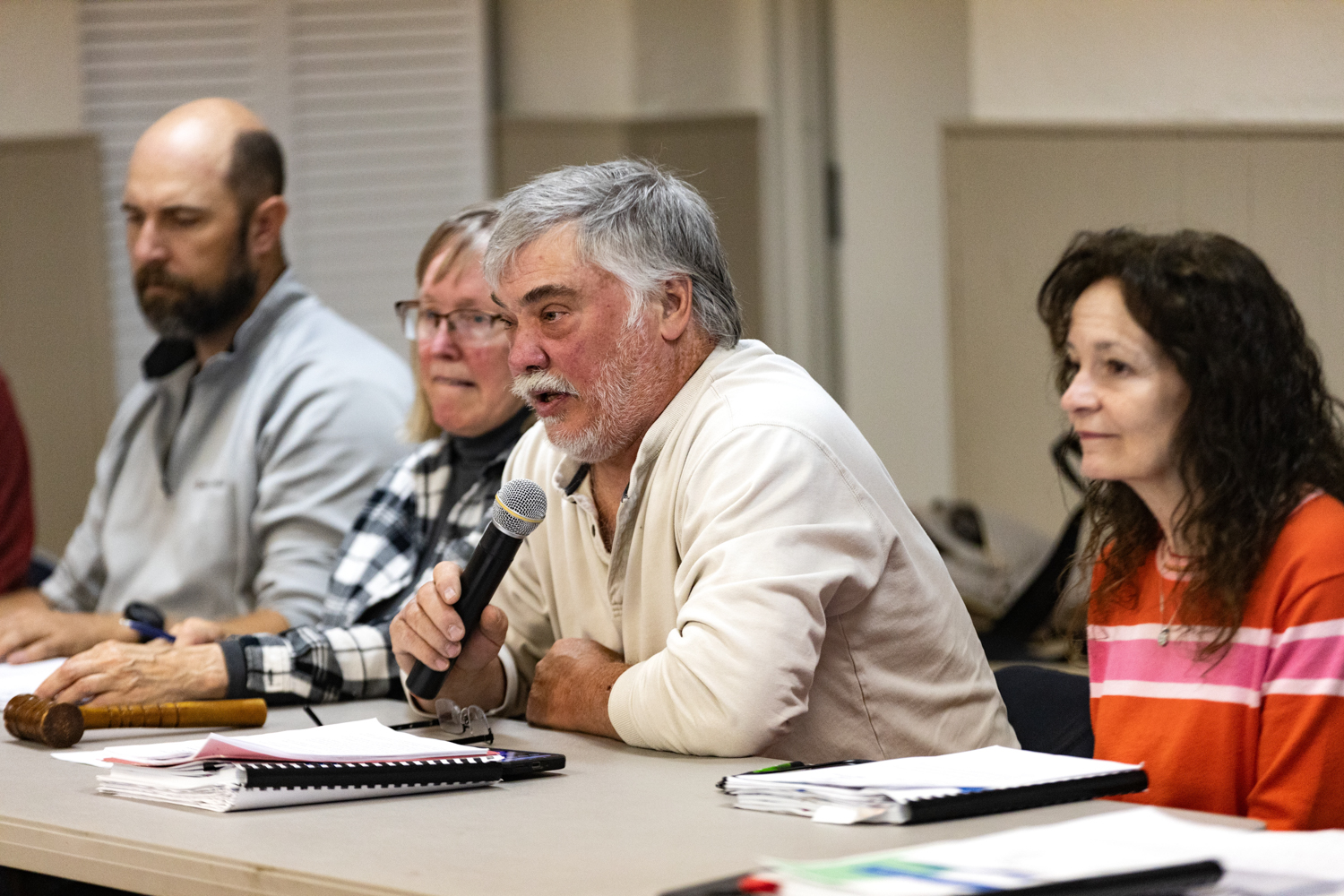
“Ultimately this puts us in a position of giving residents more say on what happens here,” Miller said.
The new zoning resolution covers every possible impact, including electrical demand, water use, construction traffic, noise, lighting, stormwater, emergency services, environment, buffers and setbacks, wildlife, traffic, and how to ensure that the site can be restored at the end of the facility’s use, Miller said
Any developer that wants to build a data center or other large facility will need to apply for rezoning land to M-3, and pay a nonrefundable $500 per acre. In addition, the developer would need to put 1 percent of the total cost of the project into escrow. This would be used if the developer doesn’t comply with those requirements.
“This gives us a pool of money to ensure compliance without dipping into township funds,” Miller said.
Resident Lisa Haberstock asked for more details on how the escrow could be used. Miller said it could cover property restoration, fixing water wells and putting up noise barriers – actions the developer should do as a good neighbor – but could be covered through escrow if the developer did not follow through.
Burkett recalled that when the U.S. 24 bypass was constructed in 2011-12, residents were concerned about the impact of borrow pits on the water table. The township asked that residents get a baseline study on their wells before construction. He recommends residents who are concerned about the impact of a large facility on their wells to do the same, in order to be able to prove any changes.
DCAC member Seeman, whose area of focus is water consumption, noted that data centers can use 500,000 to one million gallons a day, with 80 percent of that cooling water evaporating. The amendment under consideration requires a closed-circuit, non-evaporative system, he said.

“I think overall we tried to make sure that anybody who tries to build a data center would be using best practices,” Seeman said.
Many residents also fear what will happen in the event of a power outage, and whether a data center would have its service restored first, Moosman said.
“A facility of this scale will have its own power generation,” Miller said, but acknowledged that the resolution doesn’t talk about the process of restoring power, as that’s up to First Energy. “The whole point of the power items in here are to prevent impact to residents’ power. They [developers] have to provide their own power, protection and backup to not impact the residents.”
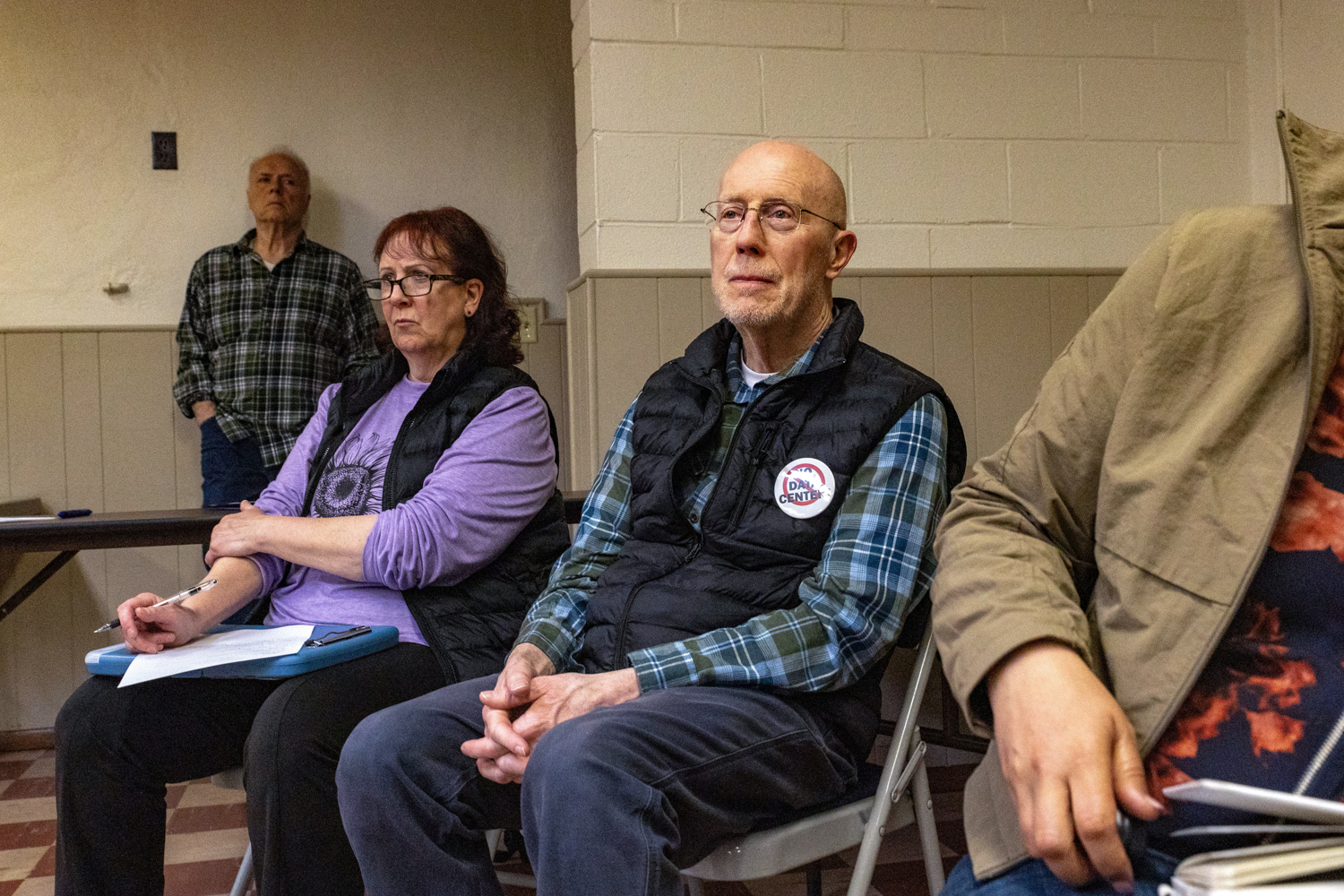
Several residents in the audience shared concerns about data centers. Haberstock said she’s worried about the impact of a large development on some of the state’s best farmland, the chemicals in the air and soil, and dewatering of the area.
Brent Myer noted that while a 1 mw generator uses a 6-inch exhaust valve, a 300 mw generator would require a huge exhaust valve, and he is concerned about coal and natural gas emissions and their impacts on pediatric cancer rates.
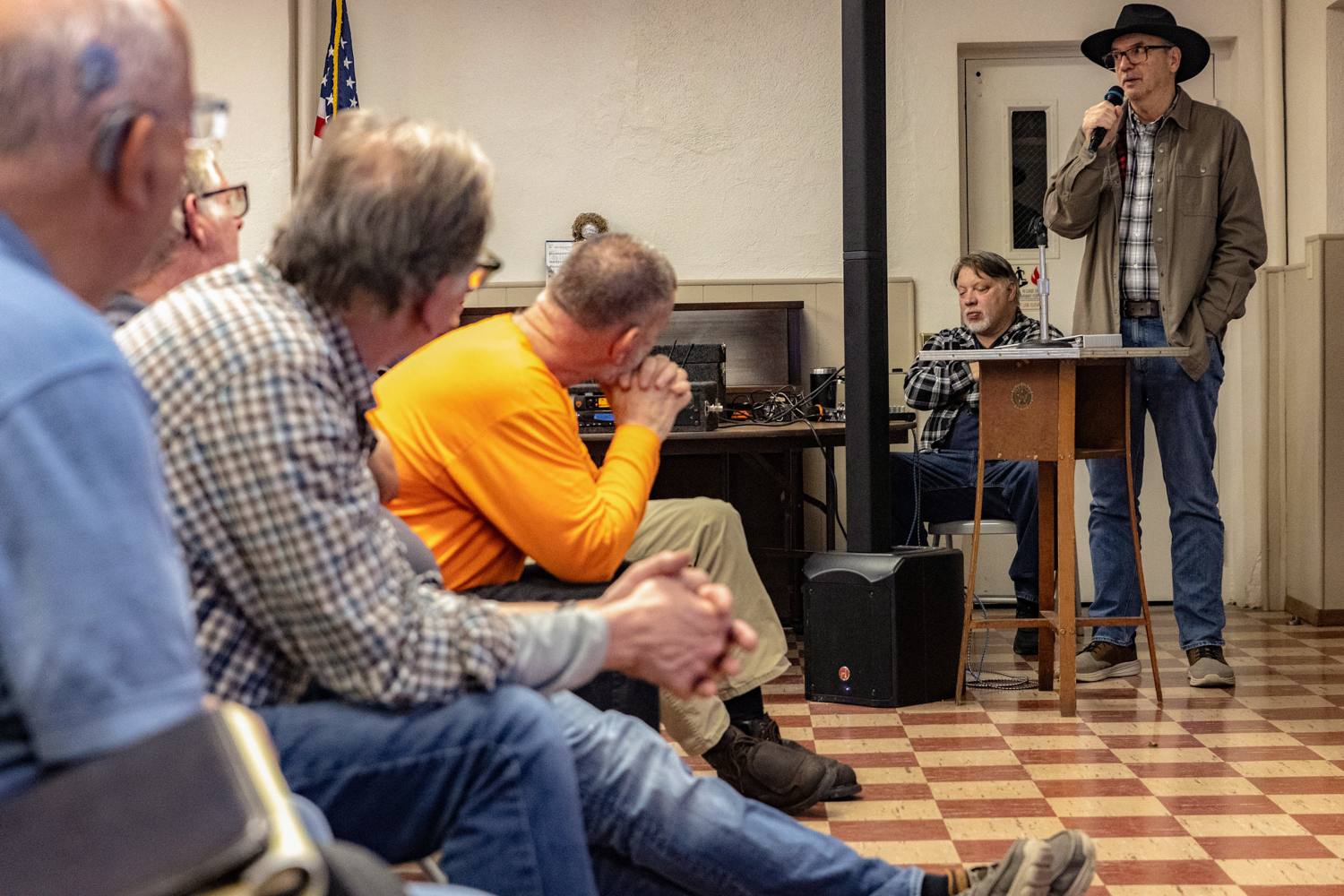
Joe Ballmer, a retiree who previously built industrial projects around the world, including data centers, said he believes data centers belong near refineries or the port, not near homes.
Doug Lashaway, a Schadel Road resident, asked whether the resolution could include protections for homeowners who will be adjacent to such facilities. Legally, price protections cannot be put in place, Miller said.
“The best we can do is property setbacks, because that’s a zoning issue,” he said.
Also addressing the zoning commission were Lyn Cox, Jason Bailey and Leslie Harper, who shared that the fracking industry in southeast Ohio used LLCs to shield itself from responsibility for impacts.
The next step for the resolution – and opportunities for public comment – are expected to be during the Wednesday, June 24 Lucas County Plan Commission meeting, which begins at 9 a.m. at 1 Government Center in Toledo.