It’s never too early in life to consider how to develop healthy habits for longevity. In this episode, Erin Holden spoke to two active seniors at Wildwood Metropark, one who is an avid biker, and another who walks in the park every day.
This is the third episode of A Walk in the Park with, a WGTE Public Media and Metroparks Toledo collaboration hosted and produced by Erin. Join her as she explores everyday life in Toledo’s Metroparks. In each episode, Erin interviews different park visitors – runners, teachers, artists, parents and more – revealing the many ways people connect with nature. You’ll hear personal stories about people’s relationships with our parks and the activities they cherish. Erin also documents her journey along the way, reflecting on the insights she gains from each experience.
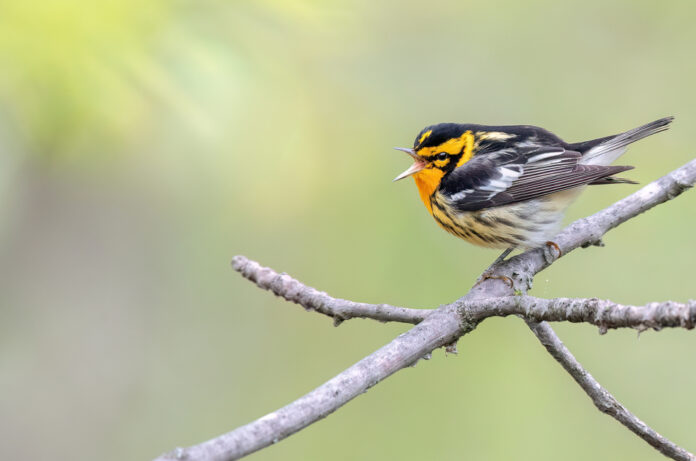
This photo of a Blackburnian Warbler was taken at Magee Marsh on May 12, 2018 by Tony Dvorak.
(Courtesy photo)
Whether stopping by a backyard feeder, the Lake Erie shoreline or the oak savannahs and wooded trails in area Metroparks, birds – 381 species, to be exact – flock to the Toledo area. And so do birders, who want to know where to look, just what they’re seeing, and how unusual it is for that particular bird to be there.
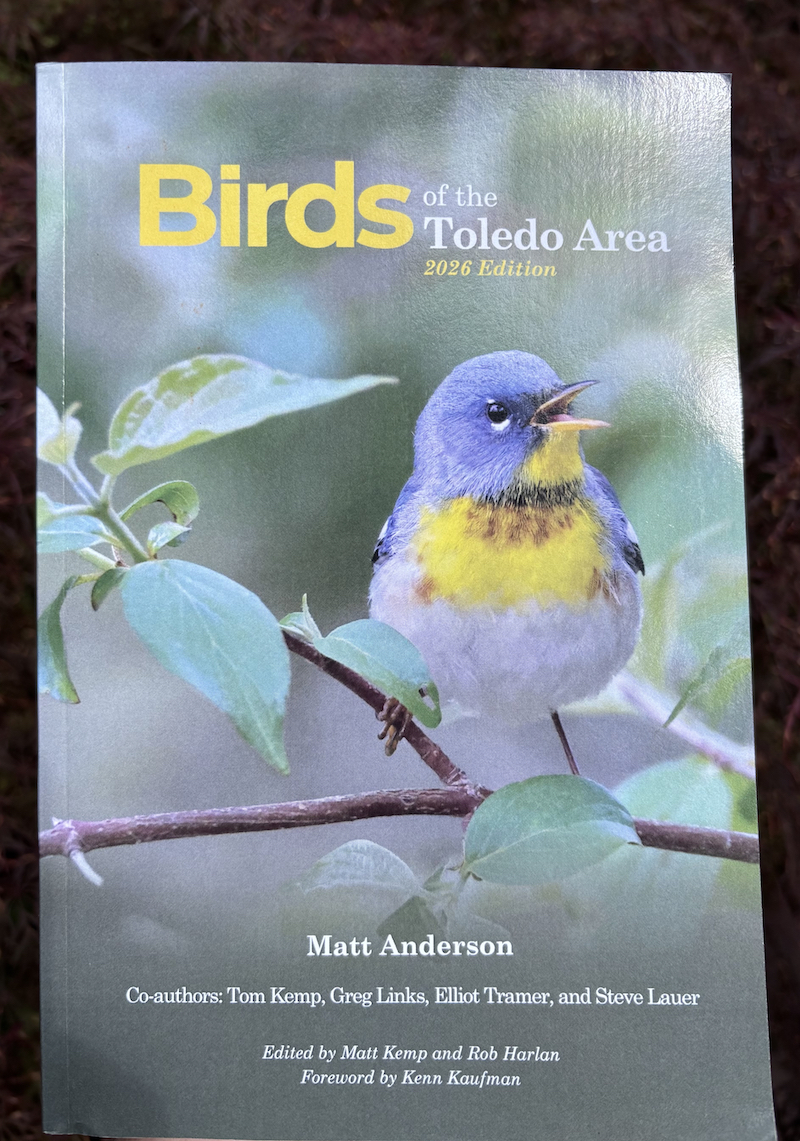
Lifelong birder Matt Anderson is happy to oblige, taking in data from multiple resources and co-authors Tom Kemp, Greg Links, Elliot Tramer and Steve Lauer, to publish the 326-page paperback, Birds of the Toledo Area | 2026 Edition.
“This book is not a field guide, and it’s not just for expert birders,” said Anderson. “It’s a summary of the status of the birds in the Toledo area that are known to have occurred over time, and of the area’s best birding spots. Toledo is one of the best birding areas in the United States.”
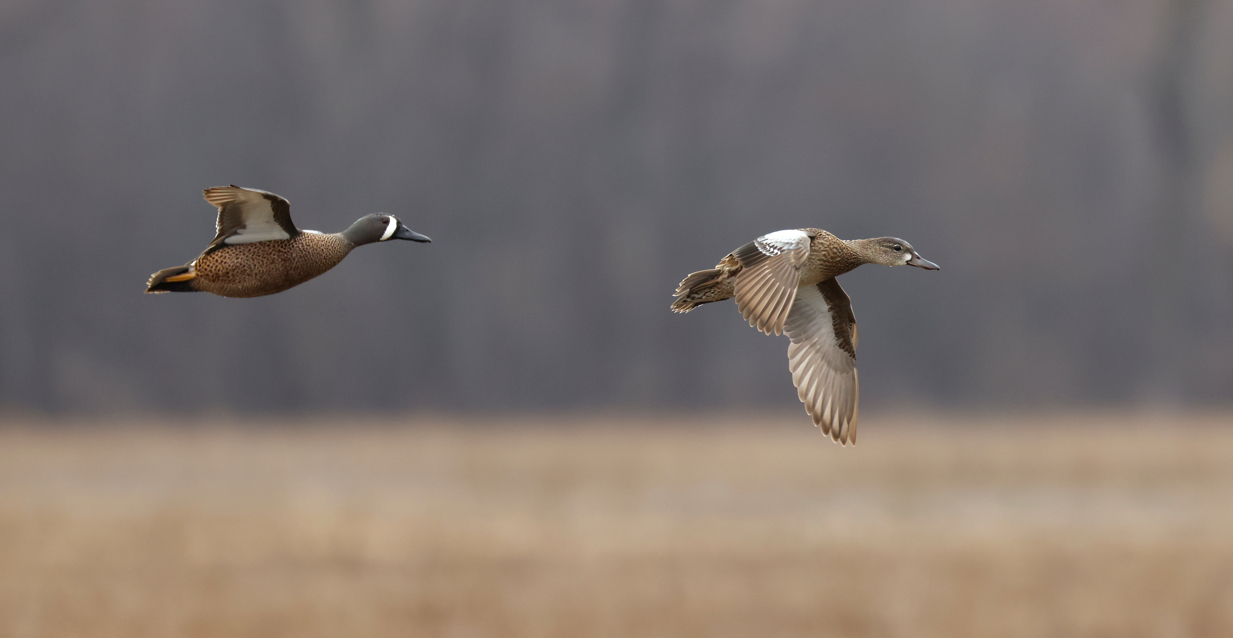
This photo of Blue-winged Teals in the Sandhill Crane Wetlands was taken by Rick Nirschl on April 4, 2023. (Courtesy photo)
Naturalist and writer Lou Campbell first documented the area’s bird population in Birds of Lucas County in 1940, followed by Birds of the Toledo Area in 1968. In 1995 Anderson took over Campbell’s role in compiling Toledo Area Annual Bird Reports, which enabled him along with Kemp, Tramer, Lauer and Eric Durbin to publish the 2002 version of Birds of the Toledo Area. This new update, thoroughly rewritten and updated, stands out because of the 250 color photographs from many of the region’s best photographers, Anderson said.
After 24 years, an update was needed to share with readers information on changes in abundance, new birding spots, and the 27 new species that have been recorded since 2002. In that time, interest in birding has exploded, with the Biggest Week in American Birding attracting thousands of visitors to the area not just in May, but throughout the year, Anderson said.
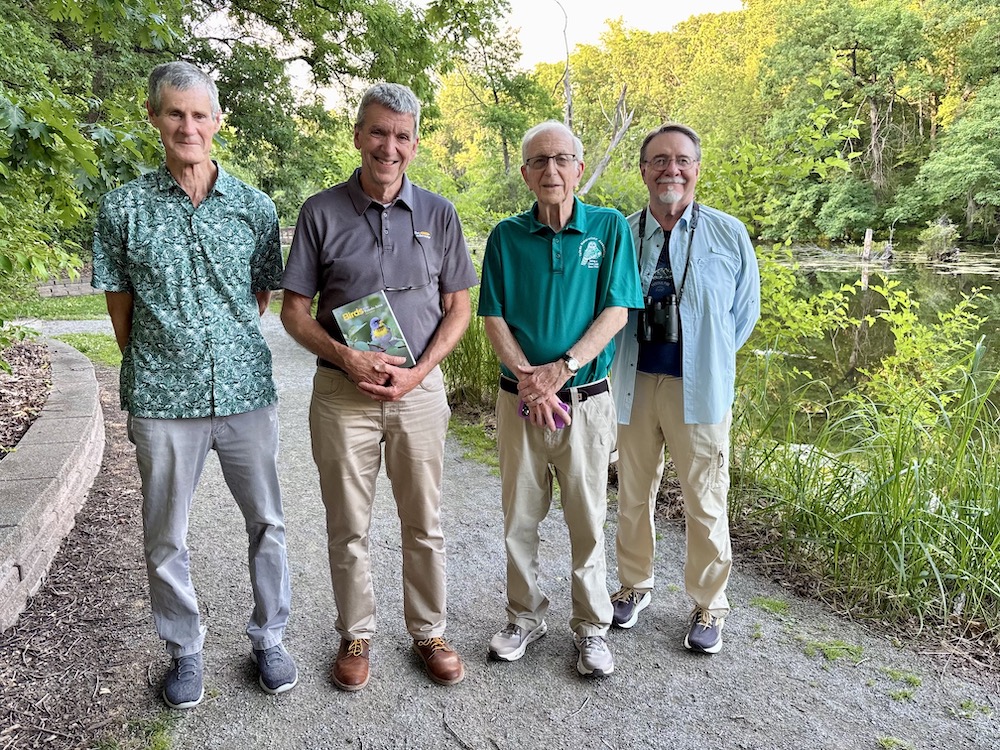
Birds of Toledo Area author Matt Anderson (second from left) is joined by co-authors Tom Kemp, Elliot Tramer and Steve Lauer at Oak Openings. (AWFP photo by Karen Gerhardinger)
“This book has value even for the beginning birder, who might spot a bird and want to check to see if it’s common or rare for it to be there,” said Tramer, a retired professor of ecology who visits Oak Openings daily to look for birds.
While information on birding locations and a species’ local abundance can be found from online resources such as eBird, the data is diffuse and scattered, Anderson and his co-authors agree. Birds of the Toledo Area brings it all together, providing the status, timing, and frequent whereabouts of these species, along with dates of unusual occurrences, record early and late arrival dates, and maximum one-day counts.
When Kenn Kaufmann, one of the world’s best-known bird experts and field editor for Audubon Magazine, moved to the Toledo area in 2005, he didn’t expect to find anything unusual about the birdlife.
“Every time I went out…I saw things that surprised me,” he writes in the book’s forward. “Every time, I came home with questions. Fortunately, I soon found the answers to all of my questions in a book that had been published in 2002.”
Birds of the Toledo Area 2026 Edition is now available through Amazon, Gathering Volumes, Wild Birds Unlimited, the Ottawa National Wildlife Refuge visitors center and some area libraries. (AWFP photo by Karen Gerhardinger)
But even a great reference needs an update, Kaufman said, describing Birds of the Toledo Area | 2026 Edition as a gold mine. The book compiles nearly 100 years of birding records from a variety of sources: bird censuses and counts, books and, more recently, eBird, a database of more than 100 million bird sightings contributed by birders from around the world and managed by the Cornell Lab of Ornithology. While the app does come with some shortcomings – primarily inaccurate reports that are not properly excluded – it’s an amazing database of sightings for the Toledo area and practically everywhere across the globe, Anderson said.
“It’s an incredible resource for finding early dates and late dates and record numbers,” he said, adding that eBird and Merlin – an app that allows bird identification by voice – have changed birding. “It’s probably gotten more people interested, including from a competitive angle.”
Sitting around a table overlooking the Window on Wildlife at Oak Openings, Anderson, Kemp, Lauer and Tramer shared a few laughs about how much birding has changed since they began in the 1960s and 1970s.
“It used to be word of mouth. You saw something, and you would call a couple of buddies, and they would come over and see it,” said Lauer, who used to have a federal banding permit for birds of prey and has participated in hawk migration studies.
“Now you get instantaneous information on what birds are where, and people love that,” Kemp said.
Everyone carries a phone, and many birders simply wait for reports, primarily from eBird, then go looking for what was just spotted.
“Birders post to their eBird checklist, sometimes several times a day. People like to see their name in lights with rarity attached,” Anderson added. Some even change plans in an instant, hopping on a plane or driving long distances, to find a rare bird.
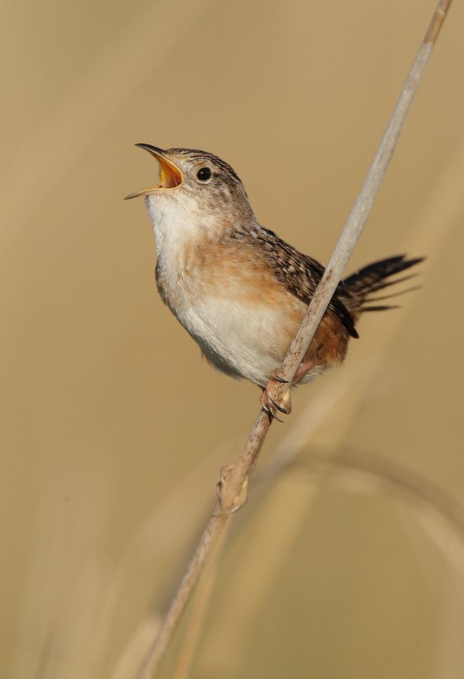
Brian Zwiebel took this photo of the Sedge Wren at Mallard Club Marsh on May 23, 2010. (Courtesy photo)
During the prime migration season along the lakeshore, the parks can get very crowded.
“And if someone sees a rare bird, there’s a stampede,” Kemp said.
Birders use eBird and other tools to keep lists by county, state, country and even, Lauer jokes, “birds seen copulating.”
While the longtime birders have a laugh about the competitiveness among birders, they understand the enthusiasm, and are encouraged by the younger generations who are opening their eyes to the rich abundance of birds that visit, breed or live in the area.
“When I was a kid and into birding, I was a little embarrassed,” said Tramer, who hid his binoculars in his jacket when he entered school each day. “It’s been a really nice change.”
Anderson credits Metroparks Toledo, The Nature Conservancy, the Ohio Department of Natural Resources and others for having the foresight to save the land that provides some of the best birding spots in the nation. The book shares details on these spots. The open water, marshes and woodlots of western Lake Erie welcome migrant and overwintering birds by the thousands. The Oak Openings area, with its sandy soil and high water table, supports an avifauna featuring a unique mix of northern, southern, and western species that otherwise do not exist or are otherwise rare within a considerable distance of northwest Ohio. Another major avian attraction is the Maumee River corridor, especially its shallow rapids.
Some of the new species spotted since the 2002 addition include the Swallow-tailed Kite, Prairie Falcon, Eurasian Collared-Dove, Arctic Tern, Black-throated Gray Warbler, White-throated Swift, White Ibis, Black-headed Grosbeak, California Gull, Fork-tailed Flycatcher, Smith’s Longspur and Eurasian Tree Sparrow. The book also documents birds that have successfully nested in the area for the first time since 2002, including Pileated Woodpecker, Sandhill Crane, Yellow-throated Warbler, Osprey and Black-necked Stilt. The book also documents the first occurrences of birds staying over the winter.
In addition to information contained in Anderson’s annual bird reports from more than 20 years, compiling all of the information for the book involved an intense effort that took over two years, with the co-authors contributing their own field research. Kemp, who taught high school biology for 30 years, has compiled the Grand Rapids-Waterville Christmas Bird Count since 1978. Anderson, who works at The Andersons, Inc., assisted in the 1990s Oak Openings censuses and then conducted additional annual breeding bird censuses there between 2013 and 2025. He has also led the Toledo Christmas Bird Count efforts for more than three decades. These censuses are referenced heavily in the book and tell a lot about nesting and wintering bird populations and trends.
Tramer has conducted surveys for the Metroparks and the U.S. Fish and Wildlife Service. He is also the author of Richness and Rarity: The Natural History of Lucas County. Links, who lives in Ottawa Lake, Mich., has been involved in bird banding since 1980. Lauer is co-leader, along with Karen Menard, of the Metroparks’ raptor breeding research in the Oak Openings Region.
Anderson and the co-authors are or have been involved in several organizations that support the study and conservation of birds and their habitats, including the Ohio Ornithological Society, the Toledo Naturalists’ Association, the Ohio Bird Records Committee, and Black Swamp Bird Observatory. The Bird Observatory launched the Ohio Young Birders Club, which encourages youth ages 12-18 to have access to opportunities to engage with nature and develop birding skills. All profits from the sales of the 2026 Birds of the Toledo Area will go to the OYBC. The book was edited by Matt Kemp and Rob Harlan. Abby Anderson, Matt’s daughter, played a large role with technical assistance and in designing the book’s layout.
Books are available through Amazon, Gathering Volumes, Wild Birds Unlimited, the Ottawa National Wildlife Refuge visitors center, and area public libraries.For further information, visit birdsoftoledo.com.
Clarence Health user organizing her medications and preparing for an appointment. (Photo courtesy of Clarence Health)
Health questions and concerns often arise outside the doctor’s office.
They come while standing at the kitchen counter, looking at a new bottle of medication. They come on the drive home from an appointment, when someone suddenly remembers what they meant to ask. They come a week into a new health goal, when the original plan no longer feels realistic.
Those everyday moments are what Clarence Health was created to address. The free app gives adults a place to talk through health questions, organize medications and appointments, prepare for medical visits and create personalized plans for the things they are trying to manage.
Clarence Health founder Andy Lozier knows how much of health care happens outside a clinic. He has managed chronic conditions since childhood and later supported his father through his own health challenges.
“People may only have a limited amount of time with their clinicians, but they are managing their health every day,” Lozier said. “Clarence was created to give them a place to ask questions, get organized and figure out what to do next.”
Clarence works through conversation. Users can type or talk to the app in the same way they might explain a situation to a friend.
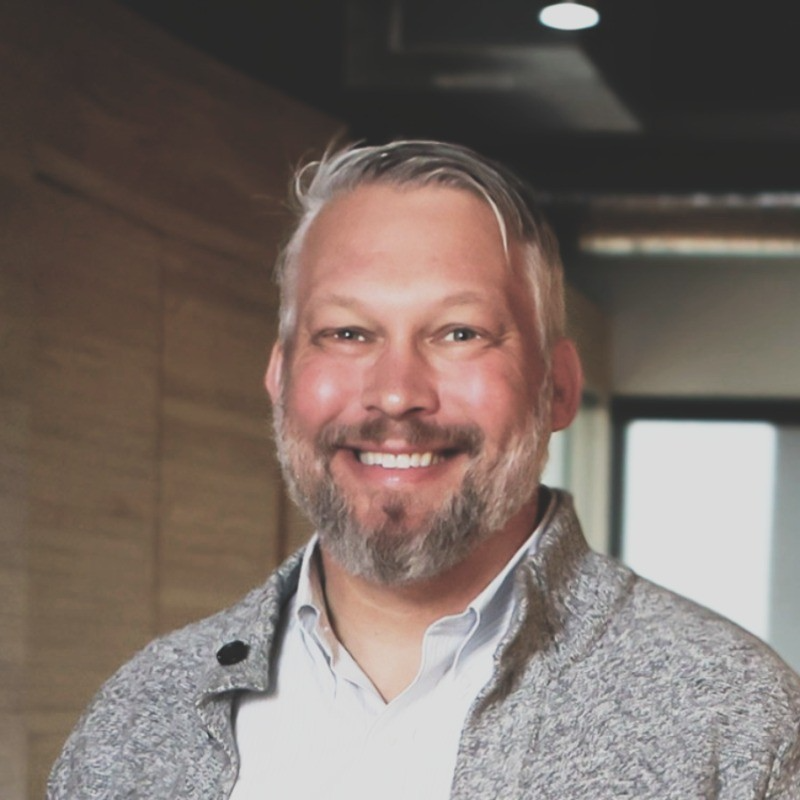
Clarence Health founder Andy Lozier. (Photo by Trittschuh Photography)
Someone might ask how to prepare for an upcoming appointment, talk through questions about a new medication or ask for guidance building a healthier routine. A person managing diabetes might use Clarence to organize meals, activity and questions for a doctor. Users can also add photos of medication labels, test results and screens from other health apps. Clarence explains the information in everyday language and can provide more insights and guidance on what to do day to day. It can also provide medication reminders and notifications about potential drug interactions. The purpose is not to replace a health care professional. Clarence does not diagnose conditions, and it is not meant for emergencies. Instead, the app is designed to make the time between appointments feel less confusing and less overwhelming.
One of its newer features is Personalized Plans.
People often know what they want to improve, but they are not always sure how to begin. A person may want to become more active, take medications more consistently, improve eating habits or better manage a chronic condition. Those goals can sound simple until they have to fit into work schedules, family responsibilities and daily life.
To create a plan, a user tells Clarence what they are trying to accomplish. The app asks about the person’s situation, preferences and challenges, then breaks the goal into smaller actions. A plan to become more active would look different for someone who enjoys walking than it would for someone with limited mobility or an unpredictable schedule. Clarence can check in on progress and adjust the plan when something is not working. “We did not want to give everyone the same generic checklist,” Lozier said. “The plan should fit the person’s real life. And when life changes, the plan changes to fit their needs.”
A lot of people find the app useful before a medical appointment. Clarence can help users talk through symptoms, changes and concerns ahead of time, then organize that information into a list they can bring with them.
Clarence also includes a companionship component. Users can talk through what is on their minds, reflect on how they are doing or look for encouragement when staying on track becomes difficult. “Sometimes people need information, and sometimes they simply need a place to work through what they are thinking,” Lozier said. “Both can matter when someone is trying to take care of their health.”
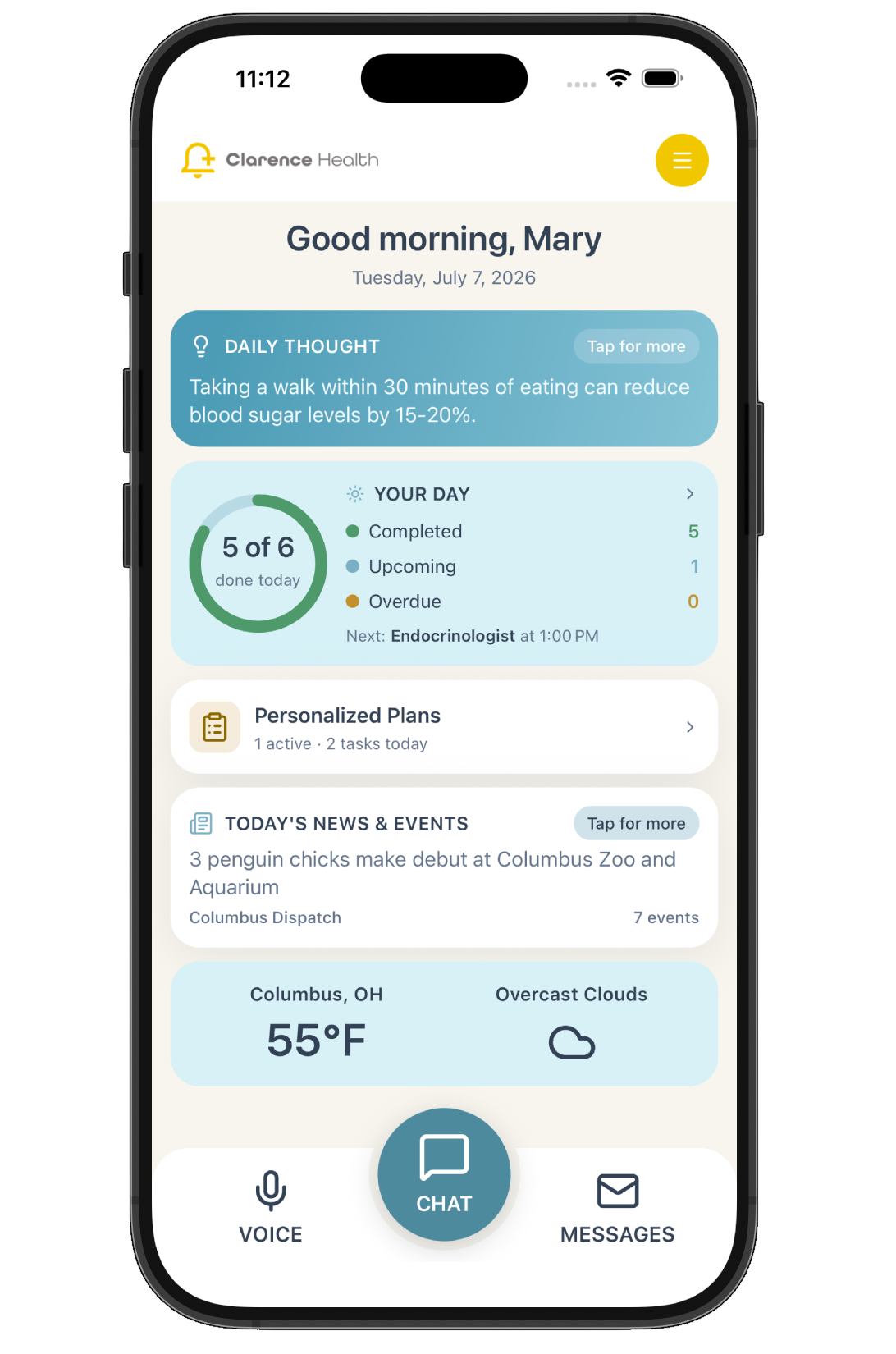
Clarence Health app screen. (Image courtesy of Clarence Health)
For people living in and around Toledo, balancing health needs with work, caregiving and everyday responsibilities can be challenging. Having another source of support between appointments may make that work feel more manageable.
Getting started does not require having the perfect question. A user can begin by describing an upcoming appointment, a medication concern, a health goal or something that has simply been weighing on their mind. For many people, that first conversation is as simple as: “Here is what I am dealing with. Where should I start?”
Clarence Health is based in Columbus, Ohio and available free through the Apple App Store and Google Play. To learn more, visit clarencehealth.com/app.
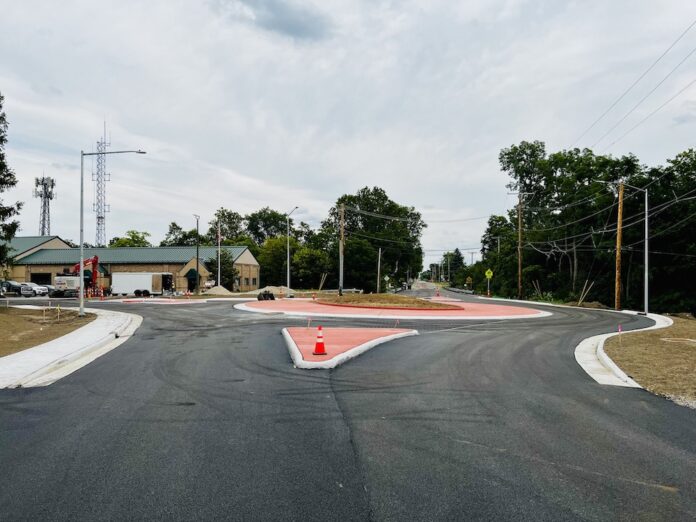
The roundabout at Albon and Monclova Road, as seen on July 24, is set to open by Aug. 3 –once signage, striping and landscaping are complete.
(Photo courtesy of the Lucas County Engineer)
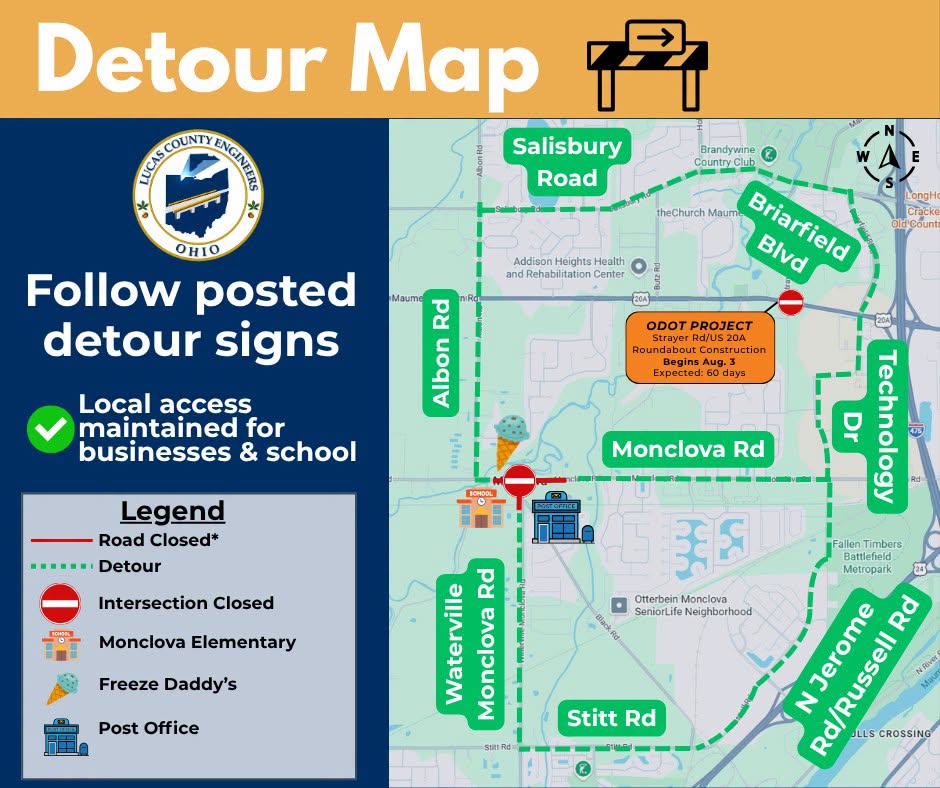
MONCLOVA – Drivers, prepare to detour. While one Monclova Township intersection is set to open, two others will close, beginning Monday, Aug. 3.
“As soon as this one opens, the one at Waterville Monclova and Monclova will close the same day,” Township Administrator Michael Hampton told Monclova Township trustees during their July 20 meeting, motioning out the window to a nearly-finished roundabout at Albon and Monclova road.
With paving scheduled this week, Geddis Paving and Excavating anticipated wrapping up construction of the roundabout in front of the township administration building and beginning work on a single-lane urban mini roundabout in front of Monclova Primary School on Aug. 3.
Construction will also be done by Geddis Paving, and is expected to be complete by September, weather permitting, said Lucas County Engineer’s Office representative Mike Tatar.
“We are working with Anthony Wayne Local Schools to minimize disruptions,” Tatar said, noting that dropoff and pickup of students at Monclova Primary School will remain open from Waterville Monclova and Black roads to the south, but not from Monclova Road. The district is sending out information to Monclova Primary students in advance of the start of school, which is Monday, Aug. 17.
Once construction begins, customers wishing to access Freeze Daddy’s and the Monclova Community Center will need to use Lose Road or Monclova Road from the west. Post office customers can access the parking lot off Waterville Monclova Road from the south of the intersection. No traffic will be allowed through the intersection throughout the construction period, Tatar said.
Avoiding construction of that intersection during school was a priority when the schedule was initially set up, but Toledo Edison‘s two-month delay in relocating utilities for the first roundabout has had a domino effect on all of the projects.
“We’ve done everything we needed to do as an organization on our end to get the projects near the school completed before students returned, but the utility relocation delay unfortunately led us to this point,” Tatar said.
In addition to the two roundabouts near downtown, a third roundabout project at Strayer Road and U.S. 20A is slated to begin on Monday, Aug. 17, said Kelsie Hoagland, public information officer for Ohio Department of Transportation (ODOT) District 2. Vernon Nagel is the contractor.
Another roundabout at Albon and U.S. 20A, funded through a private developer and in coordination with the Lucas County Engineer’s Office, was set to begin in August as well, but the timeline will need to move back so that emergency services have a detour along U.S. 20A during the downtown Monclova roundabout construction, Hampton said.
In addition to these four roundabouts, two more are scheduled for the Anthony Wayne this summer: one that is underway at Monclova and Wilkins roads in Swanton Township; and one scheduled to begin in late August or early September at Archbold-Whitehouse and Providence-Neapolis-Swanton roads in Providence Township.
During the meeting, the trustees also:
-Shared with the audience a new layout for the front of the room and system for recording meetings. Instead of Administrative Assistant Kathleen Kuns taking minutes, an AI program will be used to transcribe the recording into minutes. Residents addressing the board will now face the trustees from the center aisle.
-Named Doug Holland, formerly road superintendent, as director of the newly-named Public Works Department. The board also approved advertising for the position of public works supervisor.
-Listened to Lucas County Sheriff’s Office Lt. Jon Leach talk about a number of topics in the township, including ebikes, noise complaints, speeding and the theft of produce from area farmers markets. Leach urged residents with any concerns to call 911, which is the primary method for a dispatcher to reach the officer on duty.
-Heard Fiscal Officer Gavin Pike say that he was going to conduct an physical audit on Baymont Inn on Airport Highway, which is delinquent on its taxes.
-Authorized Hampton to work with the Ohio Public Works Commission for 2028 projects.
-Clarified the process for making text amendments to the zoning resolution. Hampton said he’s heard that some people felt that the explanation didn’t seem to align with the procedure, so law director Dawn Sanderson and attorney Walt Celley worked on clarifying the language, creating a flow chart that explains the steps. Zoning Administrator Eric Wagner shepherds these steps through the process of sending a text amendment from the township, to the county and back through the public hearing process at the township level.
-Approved the purchase of new benches, bleachers, tables and garbage cans for Keener Park. New playground equipment is being installed this week.
-Listened to Hampton provide an update on Lake Erie West Regional Council ad hoc committee that looks at the structure of dues and how each community pays for service, as well as opportunities for grants that the township could use for connectivity.
-Heard that the fire department responded to 212 calls for service in June.
The Waterville Township section along U.S. 24 is undergoing changes, including a Geddis Paving site (above), Dutch Road Storage to the east, and Waterville Senior Lofts on Kay Drive. The township will consider whether to allow two electronic billboards along the stretch of U.S. 24 between the Anthony Wayne Trail Split and S.R. 64. (AWFP photo by Karen Gerhardinger)
WATEVILLE TOWNSHIP – A proposed change to Waterville Township’s zoning code regulating signage elicited differing opinions during a July 22 Lucas County Planning Commission (LCPC) meeting.
Senior planner Molly Maguire did research on billboards in the county’s 10 townships and recommended that the LCPC disapprove a text amendment that would allow up to two electronic messaging center (EMC) signs along Waterville Township’s U.S. 24 frontage – about two miles between Johns-Manville and the S.R. 64 exit.
“Multiple studies and reports have been published on the visual blight of billboards,” Maguire said in her report to the commission, citing a Planning Commissioners Journal article describing billboards as a form of visual pollution that would have a negative impact on the community. EMCs can’t be turned off and can create a visual hazard, she said.
“Visual blight is in the eye of the beholder,” said Jerry Parker, an attorney representing Dutch Road Storage owners Dan Bollin and Jim Moline during the meeting at 1 Government Center. He pointed out that billboards can be informative, with Amber Alerts, weather and traffic notifications, and even spiritual messages.
In the townships that include billboards in their zoning books, all average a face area of 72 to 100 square feet and a height of 15 feet. The proposed Waterville Township language would allow a double-sided billboard with a face area of 20 feet by 33.5 feed (672 square feet) and 35 feet in height, Maguire said, noting that if the township approved this change, it would be the biggest in the county.
Members of the LCPC disputed that claim, noting that one in Holland on Airport Highway, as well as others along major roadways, are larger.
Parker, who has worked with clients on land use for decades, said that townships cannot prohibit outdoor advertising, which is defined as a business use, but can include some restrictions. He noted that the other townships don’t have U.S. 24 and its associated traffic to read the signs.
“Two signs – that’s it. This is what they want. I don’t think this staff or this commission should tell the township, ‘You can’t do what you want to do.’ I think the township is eager to have this resolution passed. I think they believe this will benefit the township in many ways,” Parker said.
Lucas County Engineer Mike Pniewski questioned whether the township initiated the proposed change, or if it was at the request of Parker’s clients, who recently built Dutch Road Storage that backs up to U.S. 24.
“Anybody can make a request to change the zoning code,” Pniewski said, adding that to approve it would be to allow something “significantly out of place.”
A discussion about the zoning code for signage came up earlier this year when township Zoning Inspector Jim Fischer learned that Bollin and Moline were interested in a sign, but were hesitant about the current $10,000 nonrefundable application fee to ask the Board of Zoning Appeals (BZA) for a conditional use permit. Fischer believes that high fee was put into the book years ago to prevent billboards from being erected. EMCs are not even mentioned in the verbiage.
Instead of risking that fee, Parker and his clients asked that the township Zoning Commission look at updating its off-premise sign language. While the proposed sign would be on the site of Dutch Road Storage, it would be considered an “off-premise sign” because it would include advertising sold to off-site businesses. The commission asked the trustees to weigh in on the application fee and sent proposed language to Maguire for review.
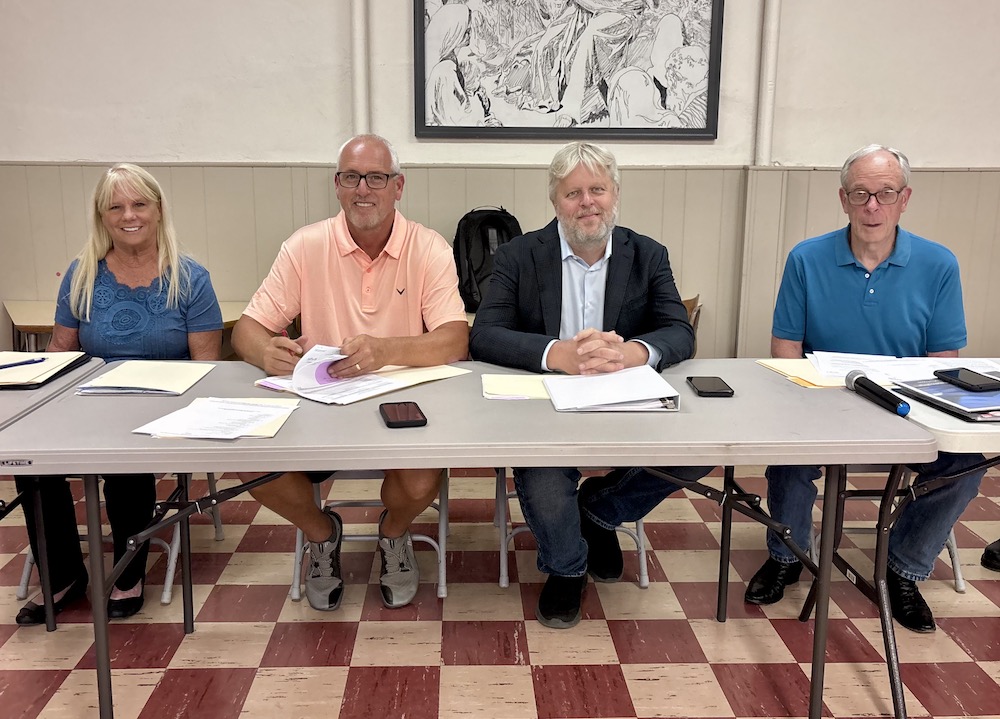
Waterville Township trustees Julie Hertzfeld, Kyle Hertzfeld and Toby Miller, along with zoning inspector Jim Fischer, prepare to meet on July 22. (AWFP photo by Karen Gerhardinger)
No one from the township spoke for or against the change during the county’s July 22 meeting, and the LCPC voted to recommend the change. The next step will be for the township Zoning Commission to hold a public hearing and make a recommendation to the Board of Trustees, which will hold its own public hearing before making a final decision. Public hearings will be posted at the township hall and on the township Facebook page.
Trustee Toby Miller, contacted after the meeting, noted that the current process for such signs includes asking for a variance from the BZA, and he believes that opens the door to more signs.
“We don’t want these proliferating throughout the township by variance so controls of some type need to be put into place,” he said. “Ultimately, we’re looking to limit, prohibit as much as possible.”
The trustees have not discussed what kind of application fee would be associated with the signage.
Waterville Township trustees held a meeting later that night, but did not discuss the billboards.
During the trustees’ meeting, the board:
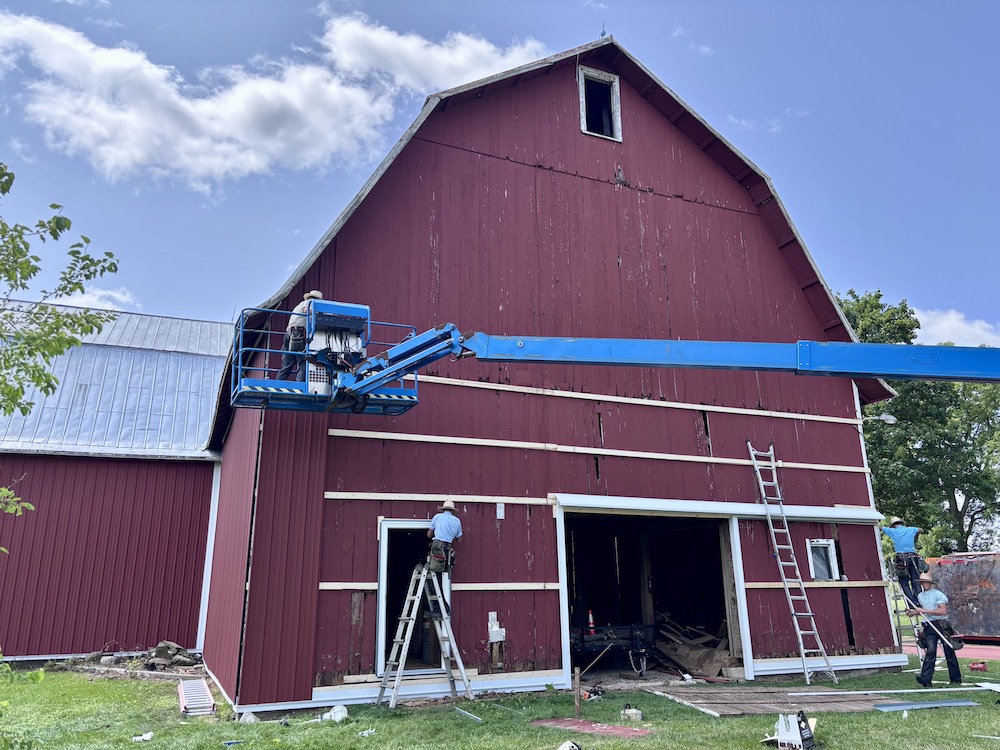
– Heard that E&R Construction is expected to finish work on the 115-year-old barn at the northwest corner of Waterville Monclova and Dutch roads. The barn sits on one of three properties along U.S. 24 that the township purchased in April for $138,385. When finished, it will have new secure doorways and be used to store equipment for mowing and road maintenance, which is contracted through township residents.
E&R Construction crew members install siding on a 115-year-old barn purchased by Waterville Township. (AWFP photo by Karen Gerhardinger)
-Agreed to hire Feller Finch to put together a site plan for the above property, as the company already has flood surveys and other information on the area from work they’ve done on Coventry Glen. The site plan will look at drainage, water supply, pavement and landscaping.
-Discussed an email from Deborah Reed about light shining from the Dutch Road Storage facility into the Fallen Timbers area across the highway.
-Heard Trustee Julie Theroux mourn the loss of Sautter’s, which she called a “staple in the community.” Theroux said she hoped the township could find another business for the building and work on economic development along the S.R. 64 corridor.
-Listened to Miller say that he’s been working with the Village of Whitehouse on an updated annexation agreement that would guide the two communities as to what areas are open to annexation.
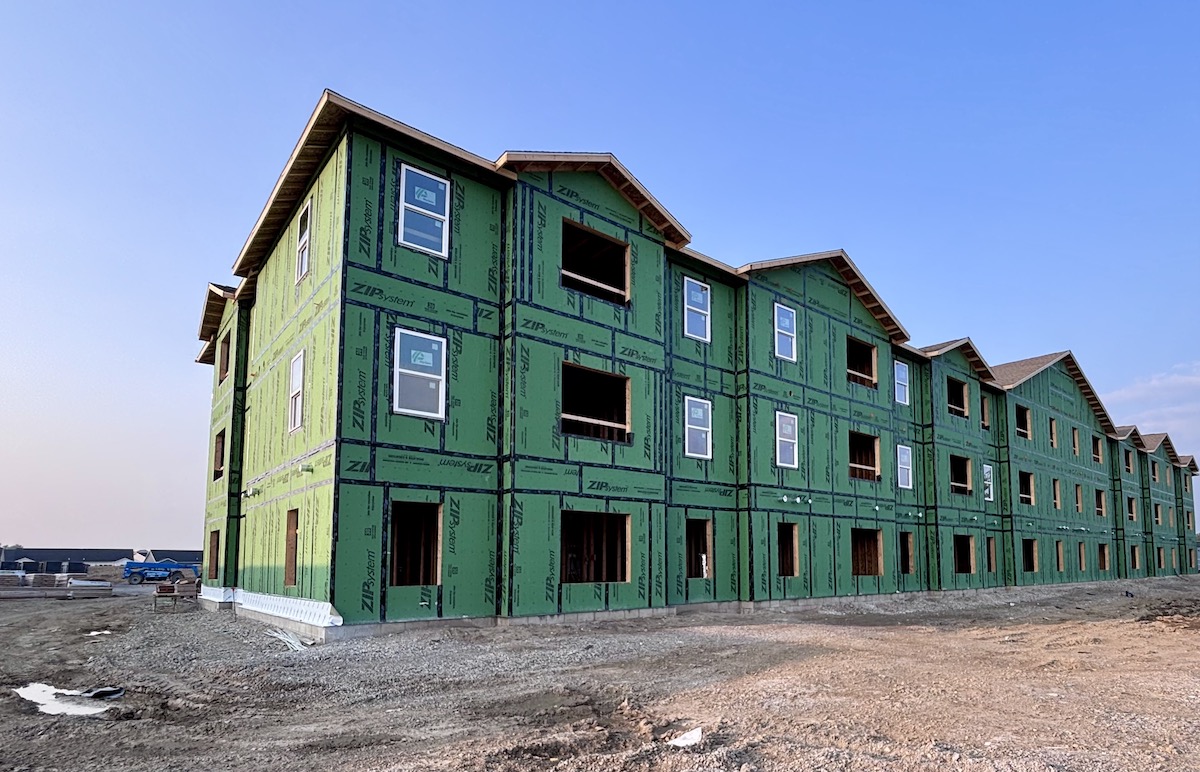
Waterville Senior Lofts are under construction on Kay Drive, just north of U.S. 24 in Waterville Township. (AWFP photo by Karen Gerhardinger)
With urban birding front of mind, Erin Holden heads to Middlegrounds Metropark to explore just how rewarding birding in downtown Toledo can be. There’s sometimes no need to leave your own backyard to get the full experience, even when you are in a busy city center.
This is the second episode of A Walk in the Park with, a WGTE Public Media and Metroparks Toledo collaboration hosted and produced by Erin. Join her as she explores everyday life in Toledo’s Metroparks. In each episode, Erin interviews different park visitors – runners, teachers, artists, parents and more – revealing the many ways people connect with nature. You’ll hear personal stories about people’s relationships with our parks and the activities they cherish. Erin also documents her journey along the way, reflecting on the insights she gains from each experience.
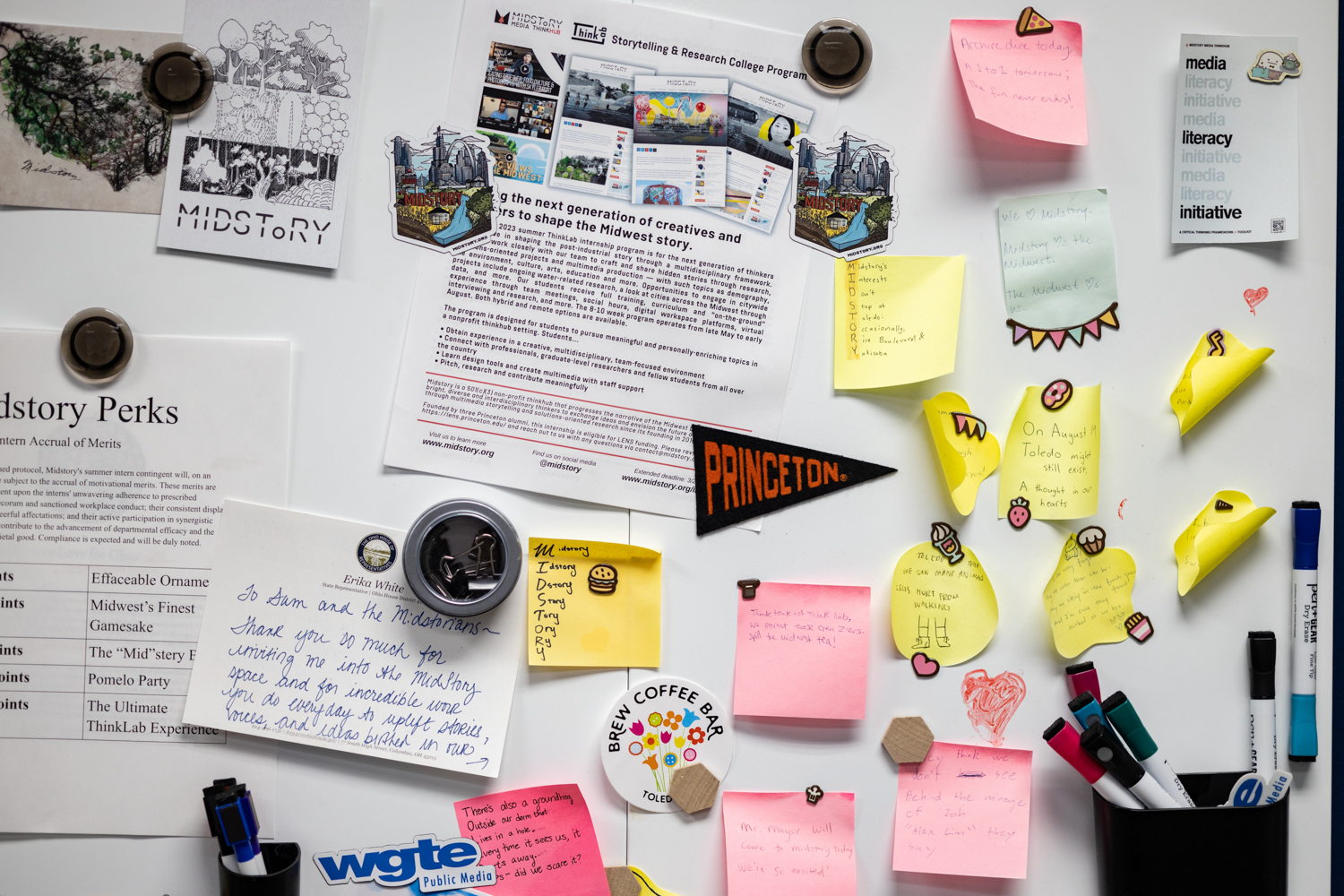
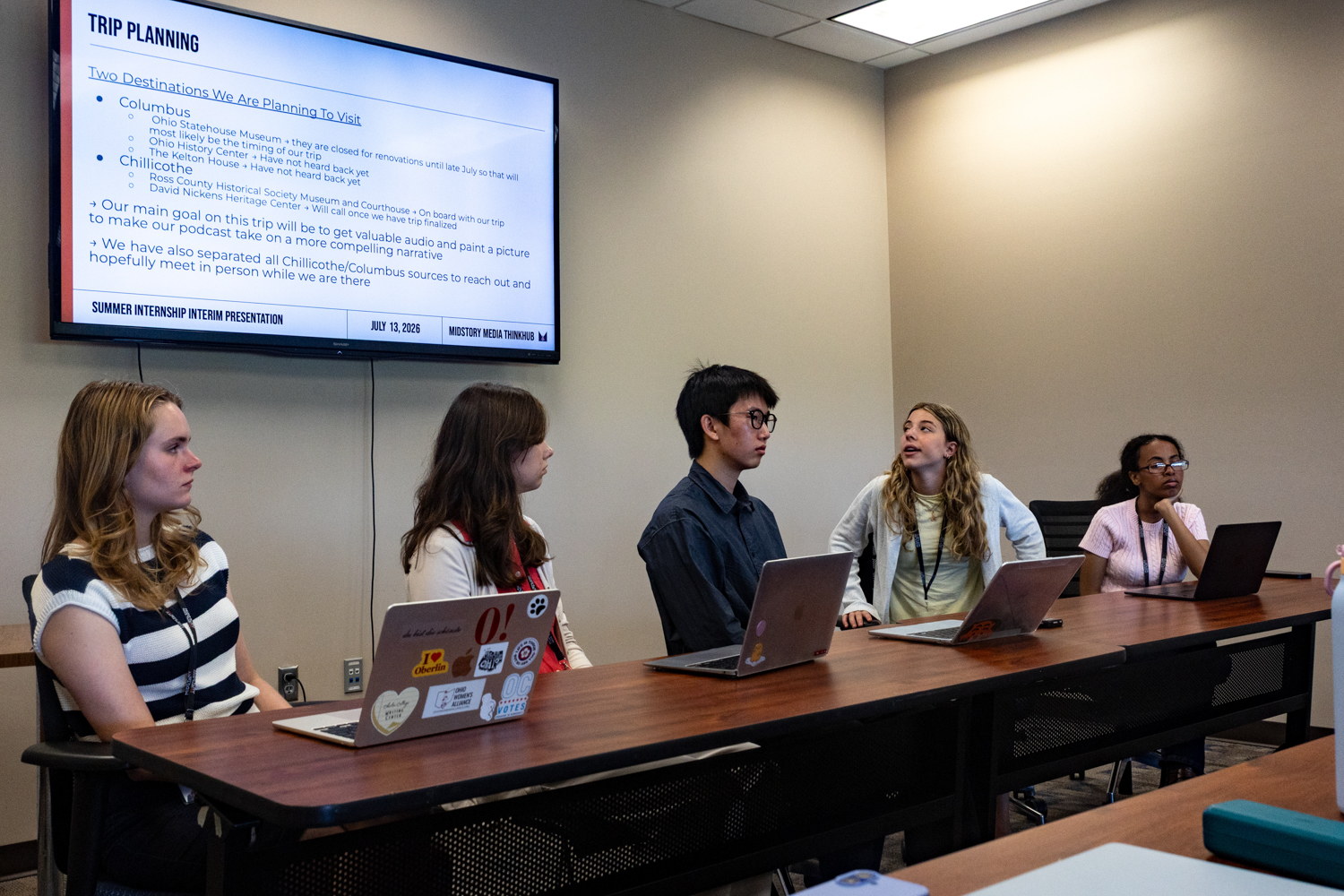
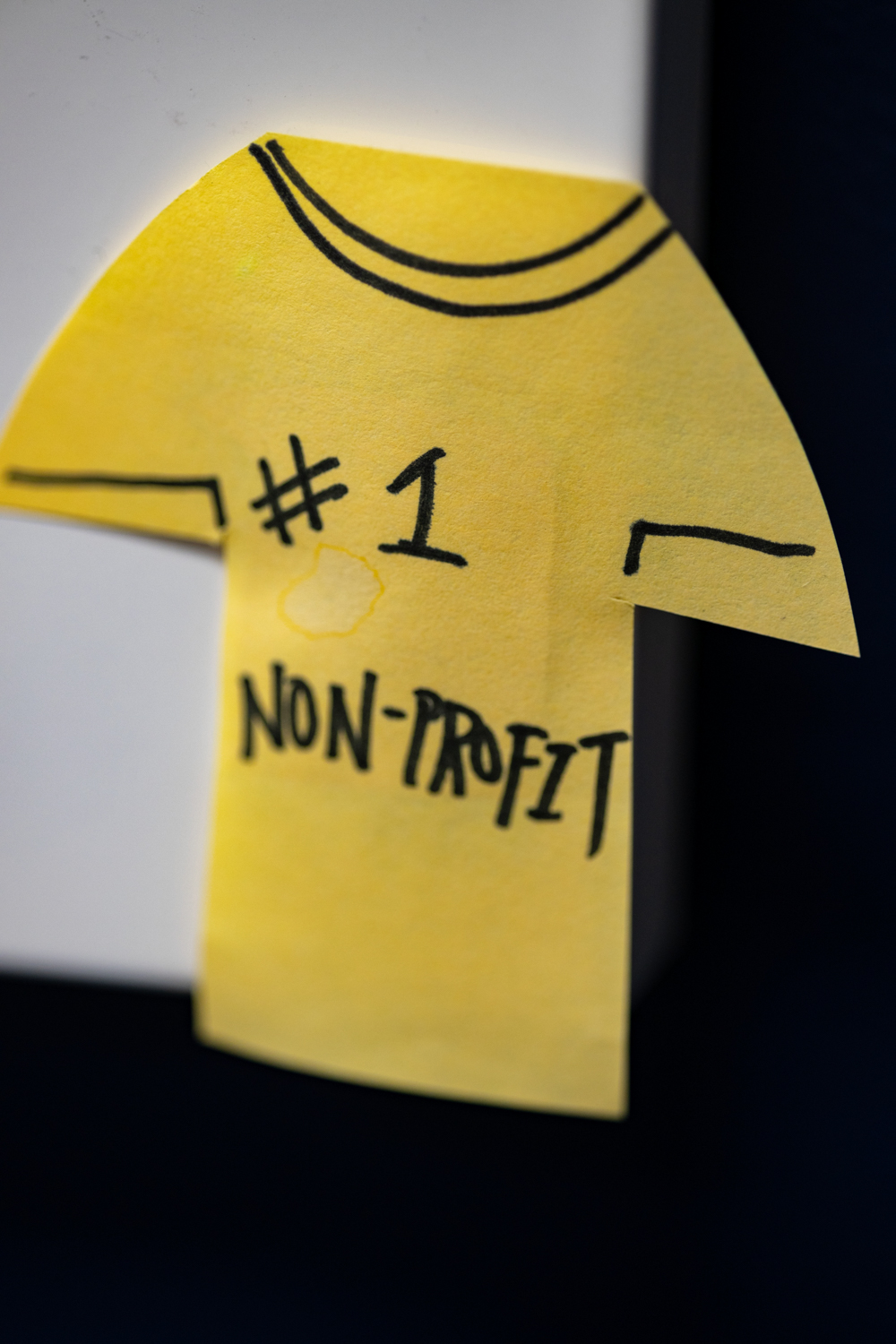
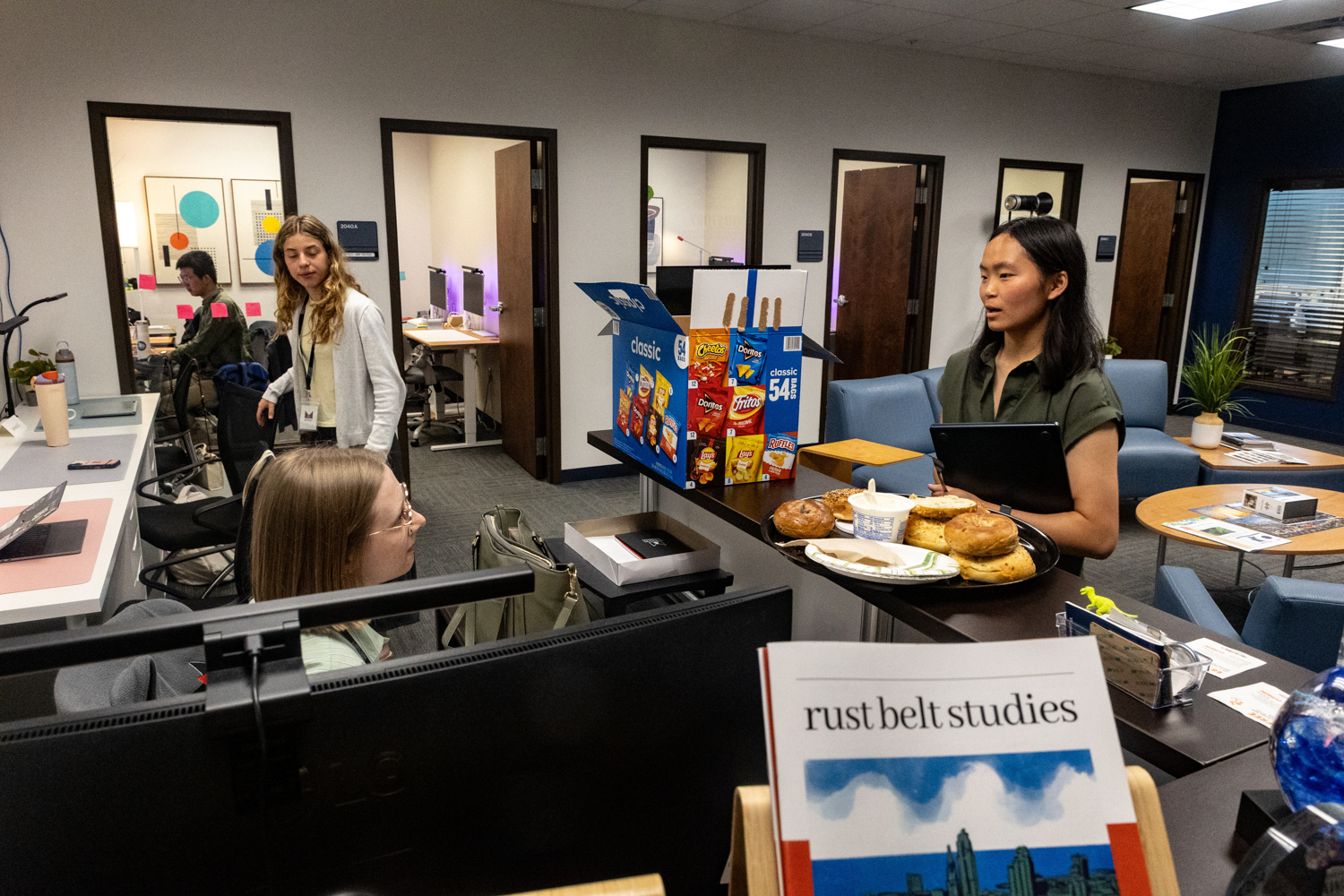
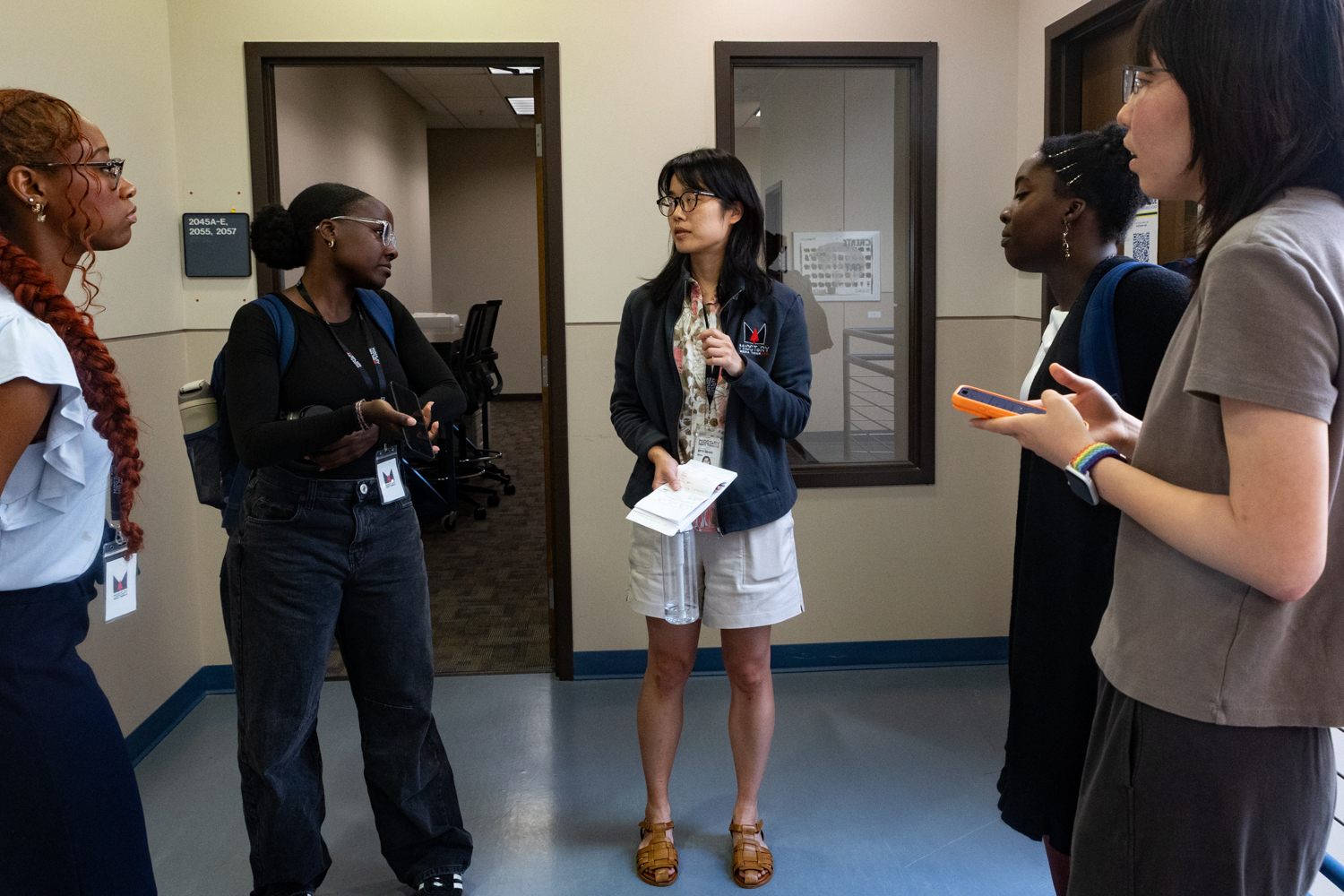
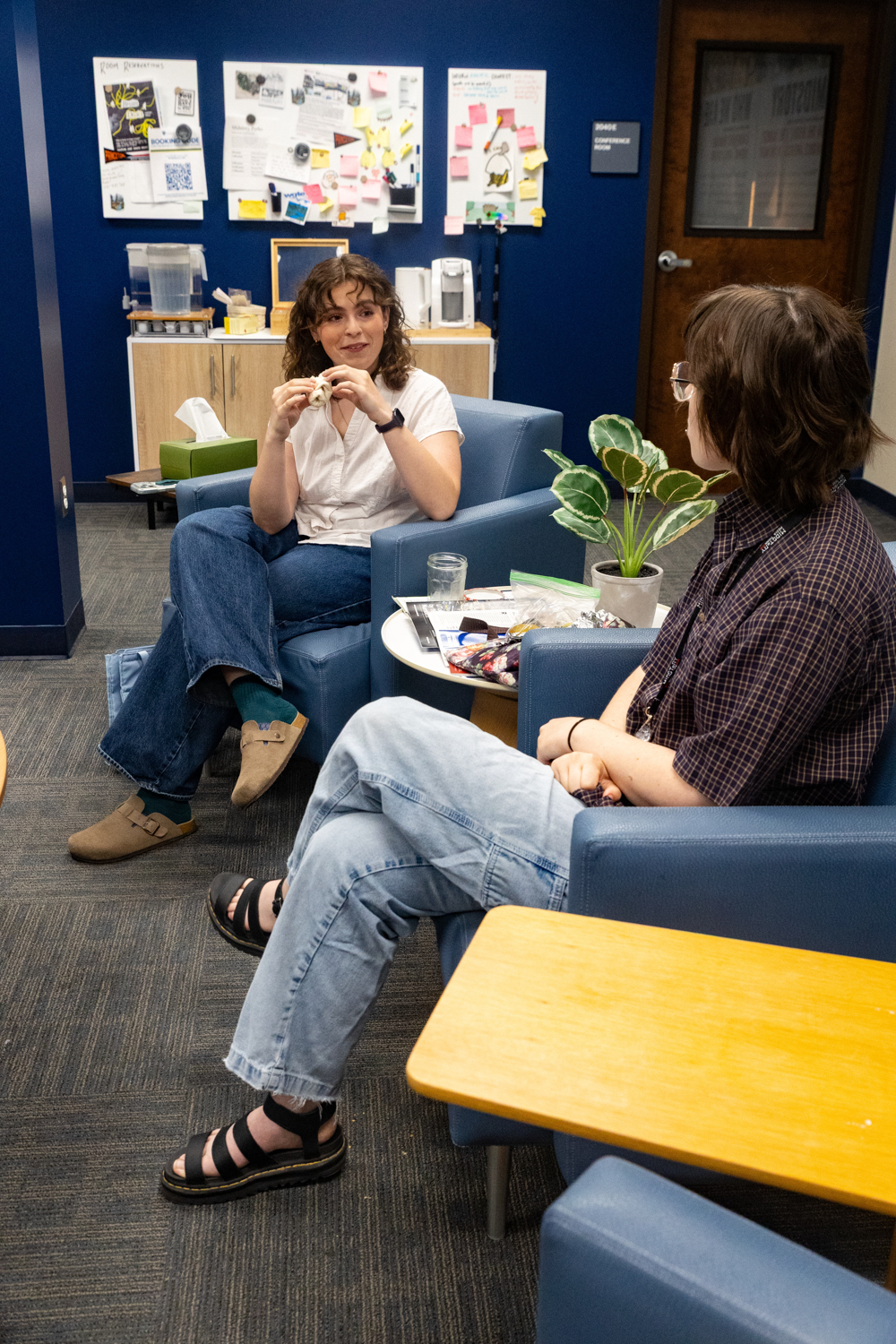
Public message board in a communal space at Midstory, a nonprofit media think tank, during a staff meeting where interns present their projects. (TFP photo by Stephen Zenner)
TOLEDO – Who says Toledo is not an attractive summer destination? Not the 250-300 undergraduates who applied to spend nine weeks in the Glass City this summer, and especially not the 17 of them who made the final cut.
Those 17 – representing 14 universities, eight states, and three countries – are the latest intern cohort of the nonprofit multimedia thinkhub called Midstory – so named because its founders tell the stories of the Midwest, notably its base of Toledo.
What attracted those 17 is the opportunity to research, write, film, and produce stories of not only a local but national nature.
“One of our missions is to attract and retain young people and get them invested in a place like Toledo,” said Logan Sander, Midstory’s editorial director and one of its four founders – all with Toledo-area roots who left for schooling and careers elsewhere, then returned. “Most have never set foot in Toledo. Toledo is not usually a destination for humanities majors, people interested in storytelling or media work. We wanted to make Toledo a place where people can apply their critical thinking skills.”
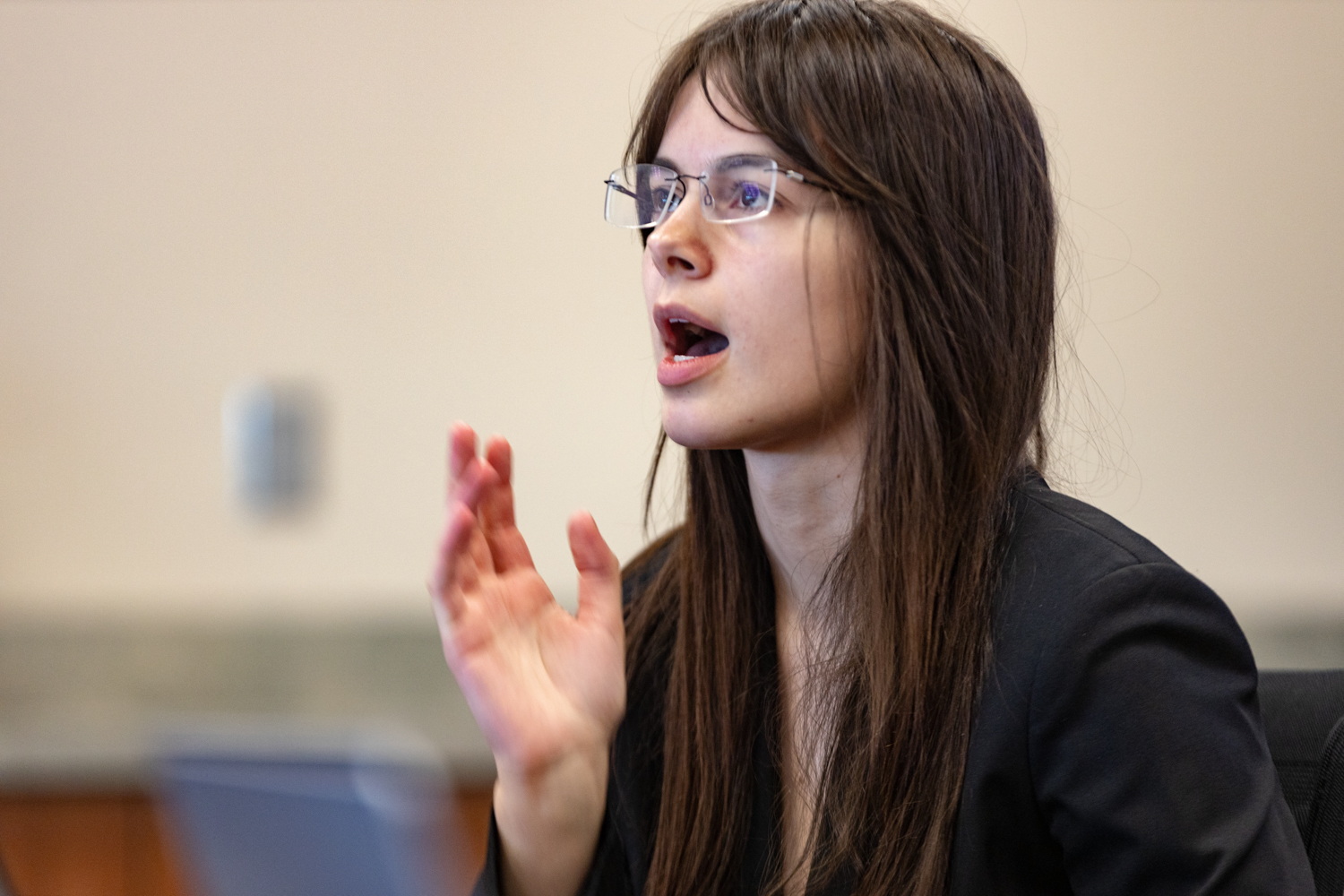
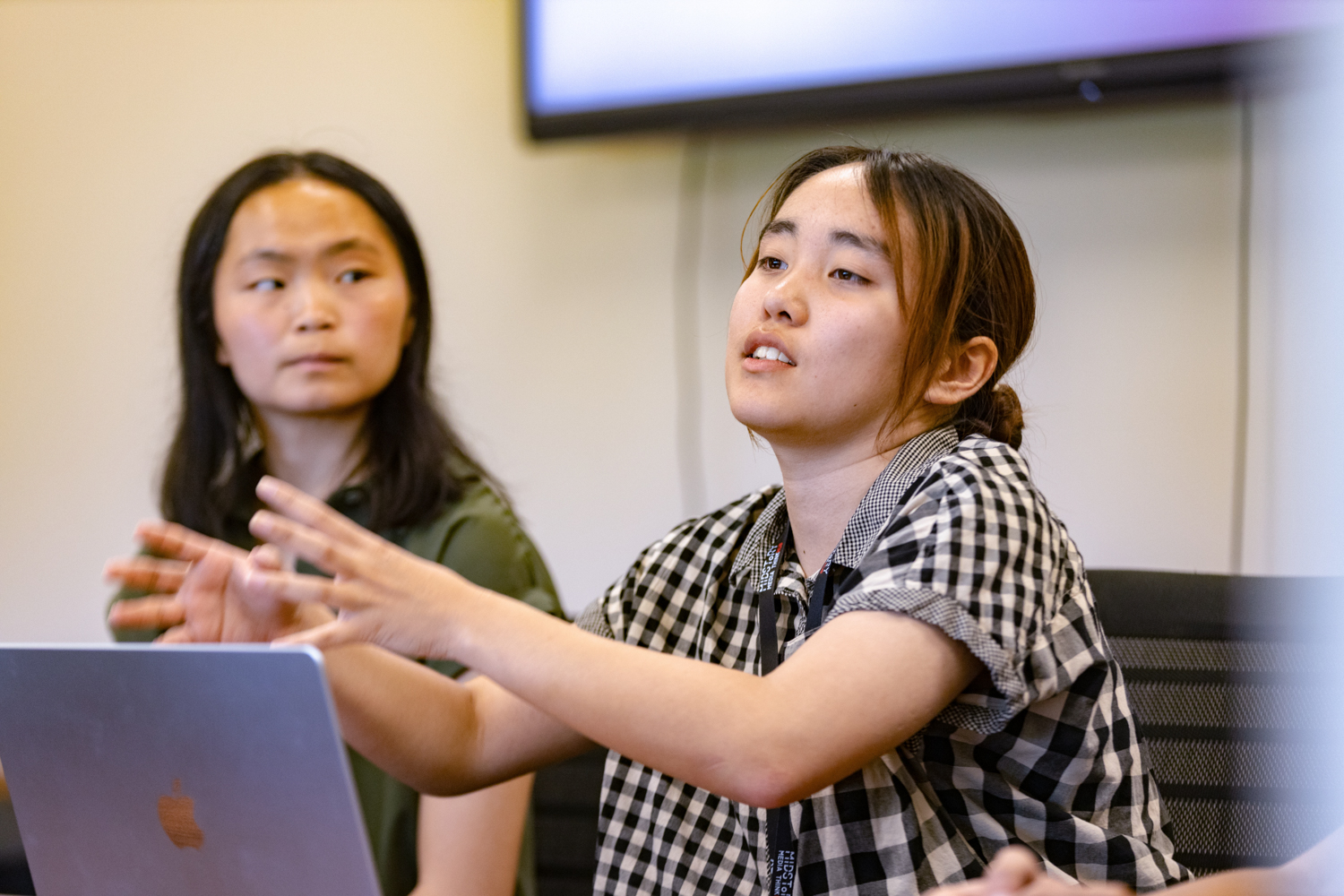
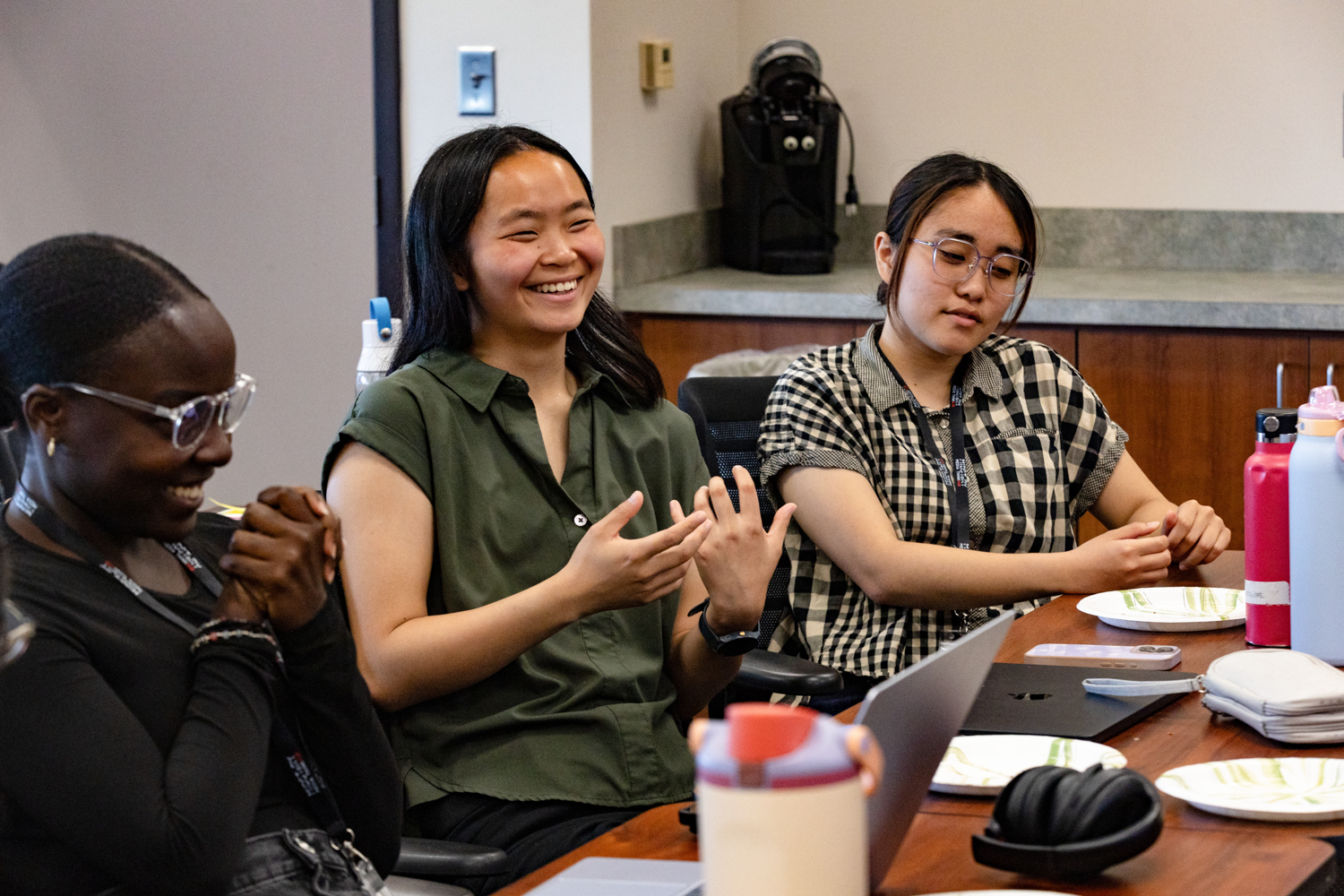
Olga Isailovic, an intern from Bowdoin College, speaks on a group project. (TFP photo by Stephen Zenner)
Of the cohort – the eighth since Midstory began in 2018 – “60 percent of the time they’re pitching and completing their own storytelling work. Forty percent they’re doing higher-level research work on multiple long projects – major podcasts, documentaries, and collaborating with universities. We give them the more immediate bread-and-butter storytelling and longer-term research work.
“We encourage them to not only look with a new set of eyes [on Toledo and the Midwest], but also be in love with the story they’re telling.”
Sander said, “While we are firmly rooted to Toledo, our work is Midwest-wide. We do work that hopefully is nationally relevant.”
An example of a nationally relevant story was done in 2024 by then-intern Casey He, a native of China who lived in Maryland and attended Northwestern University. He researched and produced a story about the shifting of Ohio from being a bellwether state during the presidential election, which “reflected the changing politics of the nation,” he said. “It was well-received.”
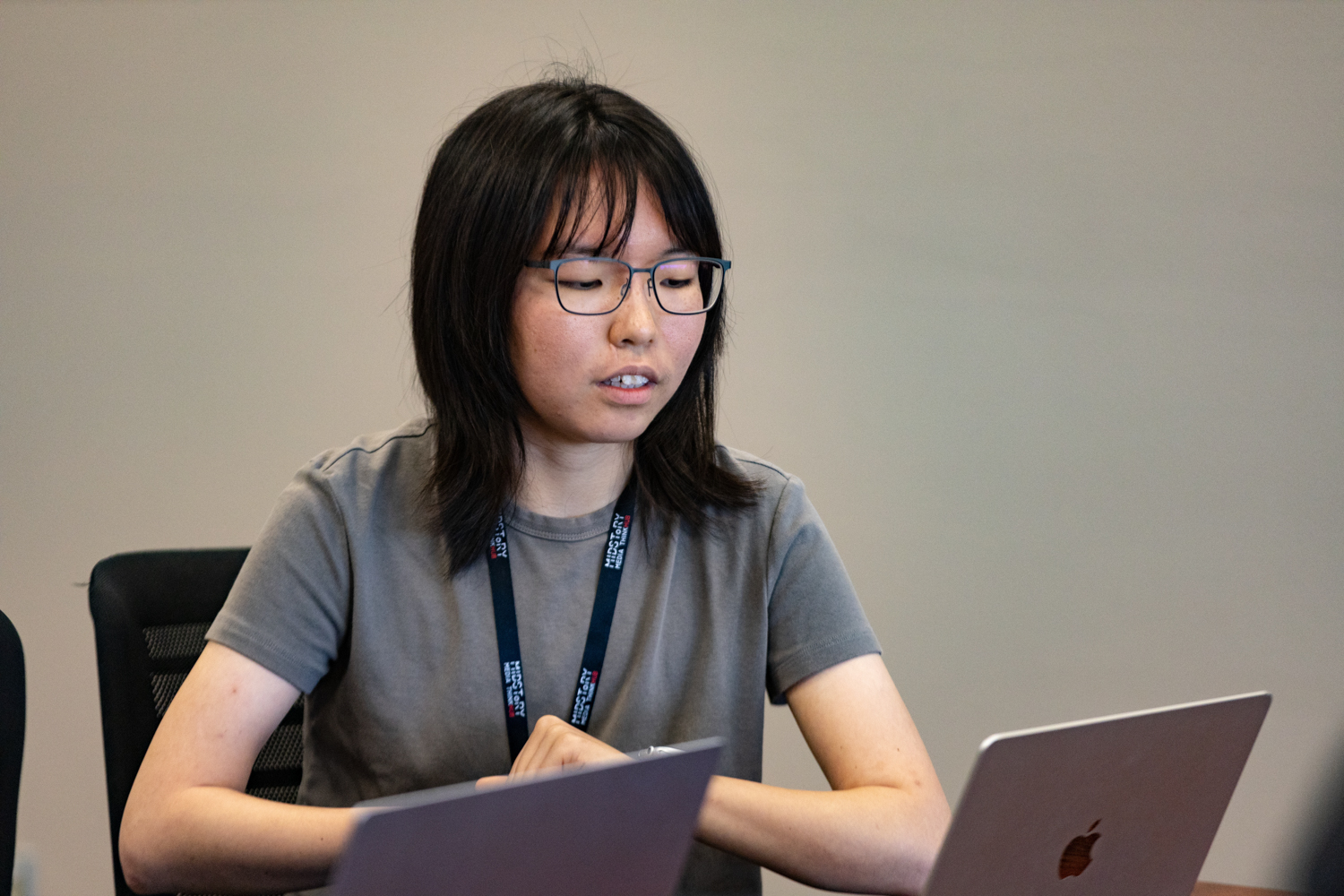
Duruo Li, from the University of Chicago. (TFP photo by Stephen Zenner)
He is back with Midstory this summer, this time as an editorial fellow, an advanced program for recent graduates – he earned a degree in journalism this spring from Northwestern. His role now is helping to edit the interns’ stories and write and research policy issues affecting the Midwest.
“It’s nice to come back to an area I am familiar with,” he said. “I truly appreciate this opportunity. It’s great to want to contribute to Midstory’s mission and explore Toledo and the Midwest and tell their stories. It was a great experience for me, I hope it’s a great experience for them,” he said of this intern cohort.
One of those interns is Natalie Gordon, a rising junior majoring in journalism and political science at Northwestern and from Washington, D.C. “I came here because I wanted to see what it’s like to cover a community,” she said. “I’m writing feature stories – helping spotlight people who are doing well for others and are hopefully inspirational. That allows for a more creative writing style. I’m excited for that. I want to leave here with a sense that what I did made people happy.”
(TFP photo by Stephen Zenner)
Fellow intern Anthony Nassar is a Toledo native who hadn’t heard of Midstory until the Honors College at the University of Toledo, where he’s a rising junior in digital communications with a minor in digital marketing, suggested he apply. That was last year; he didn’t make that cohort. Nassar became more involved at UToledo in preparation for re-applying. He did, and made the cut this summer. “I really wanted them to see how motivated I was,” he said of the application process.
The result so far, he said, “is I’m reinventing my relationship to Toledo. A place where I’ve grown up is a new place to someone else. Even though I was familiar with downtown, I’m creating new memories being with other people,” he said of his fellow interns.
Maison Teixeira, an intern from Brown University. (TFP photo by Stephen Zenner)
Sander said more than 250 collegians have been through the intern cohorts, the coordinator of which she considers “the ultimate success case.” That would be Caitlin Cooper, “a bright and valuable addition to Toledo,” Sander said.
Cooper, a native of Essex, England, came to Midstory for what was to be a three-month fellowship in 2023. “I was looking for a job in storytelling,” she said. She came upon Midstory, and, despite the fact that she had “never heard of Toledo,” applied and was hired.
Then, in a sense, the magic of what Midstory tries to do took hold. “In those three months I knew I wanted to stay,” Cooper said. “I found a community here outside of work that was not [like] anywhere else in big cities. The Toledo mindset is that people have ambitions, but are focused more on the people around them and how they can help. That was eye-opening.”
“Three years later, I’ve married and have roots firmly planted in Toledo.” She’s halfway through her Ph.D. pursuit in American cultural studies at Bowling Green State University.
In May, Cooper started fulltime with Midstory as intern coordinator and editorial assistant. “We’re trying to highlight the stories of this region,” she said. “I believe in this mission and fully support it.”
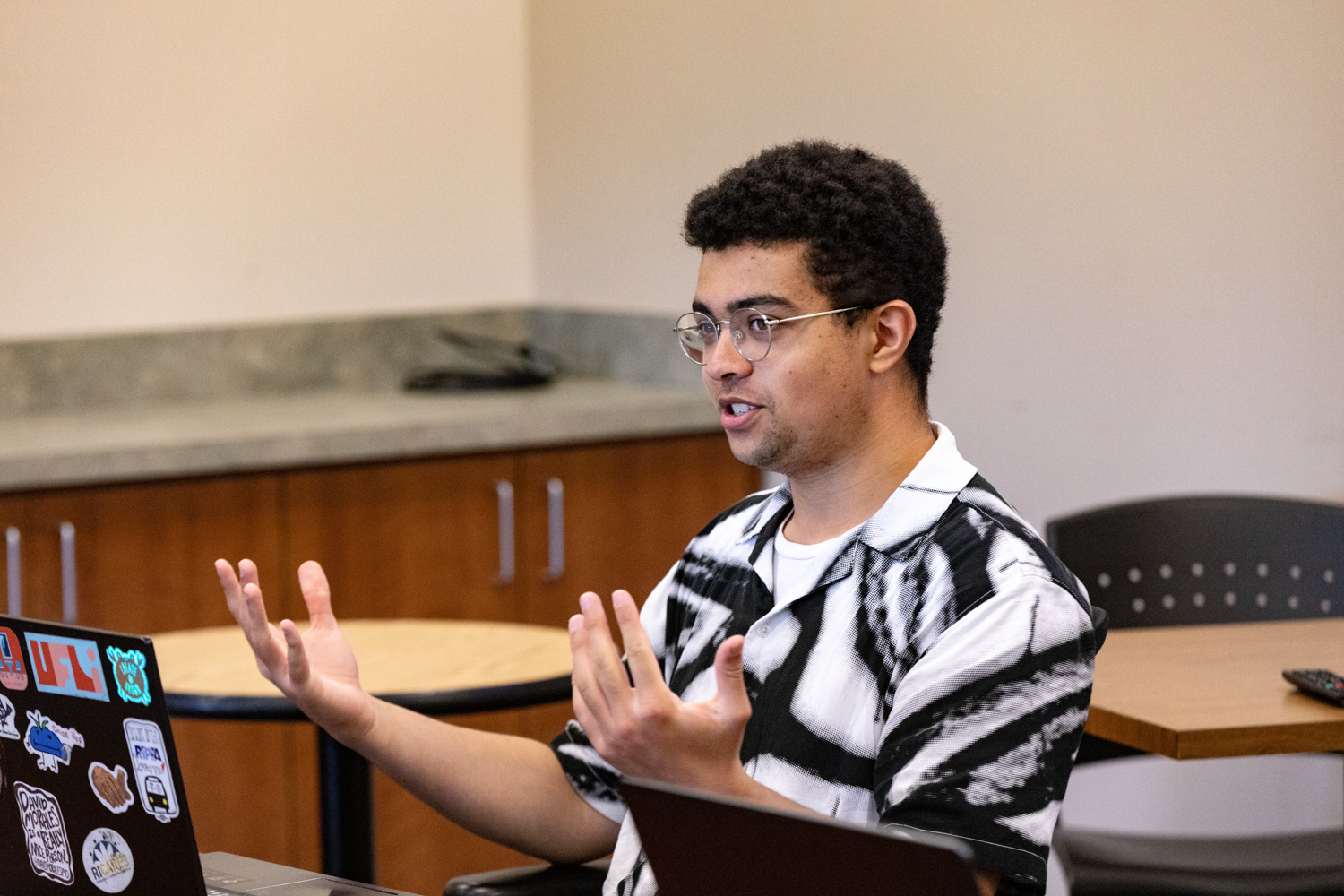
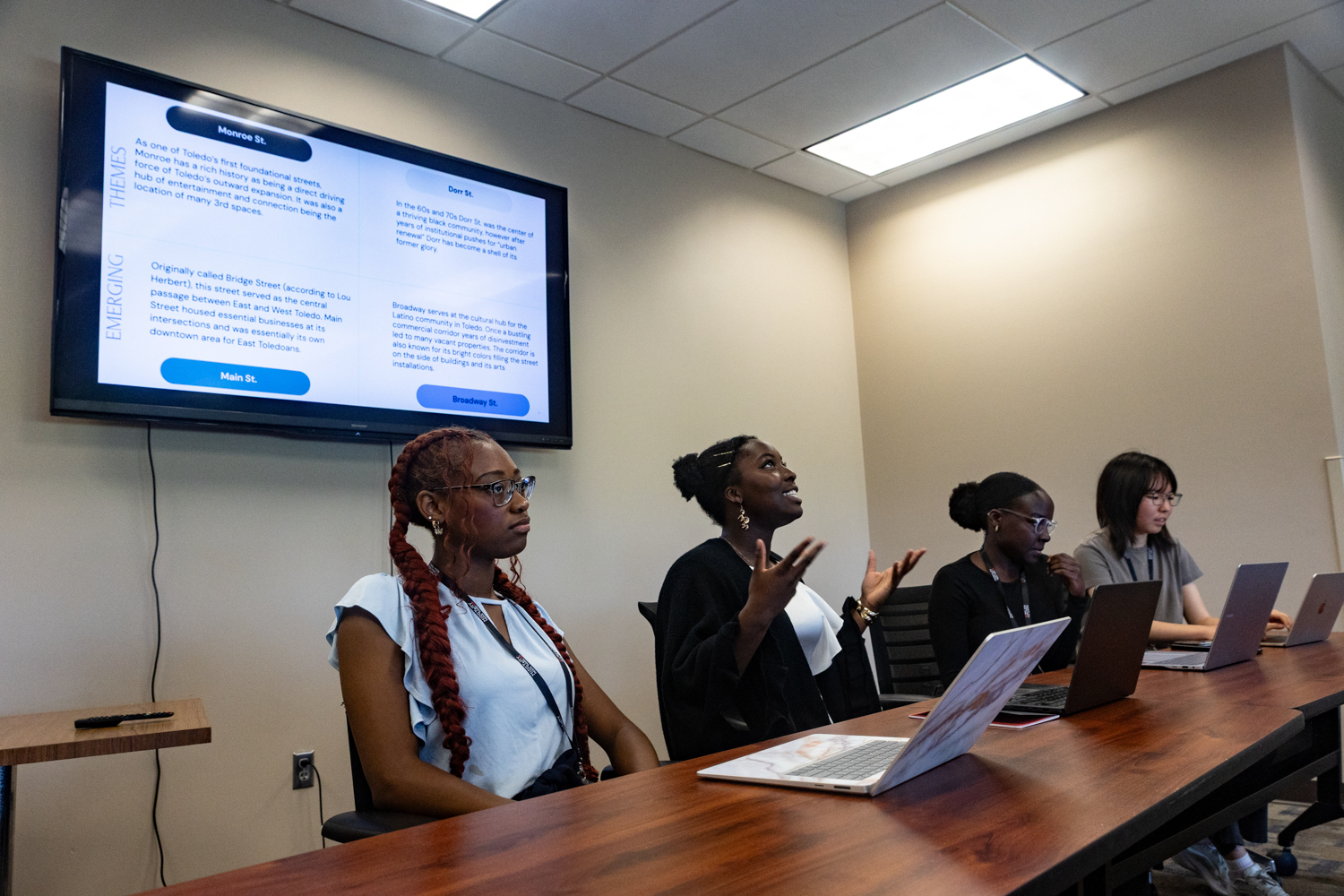
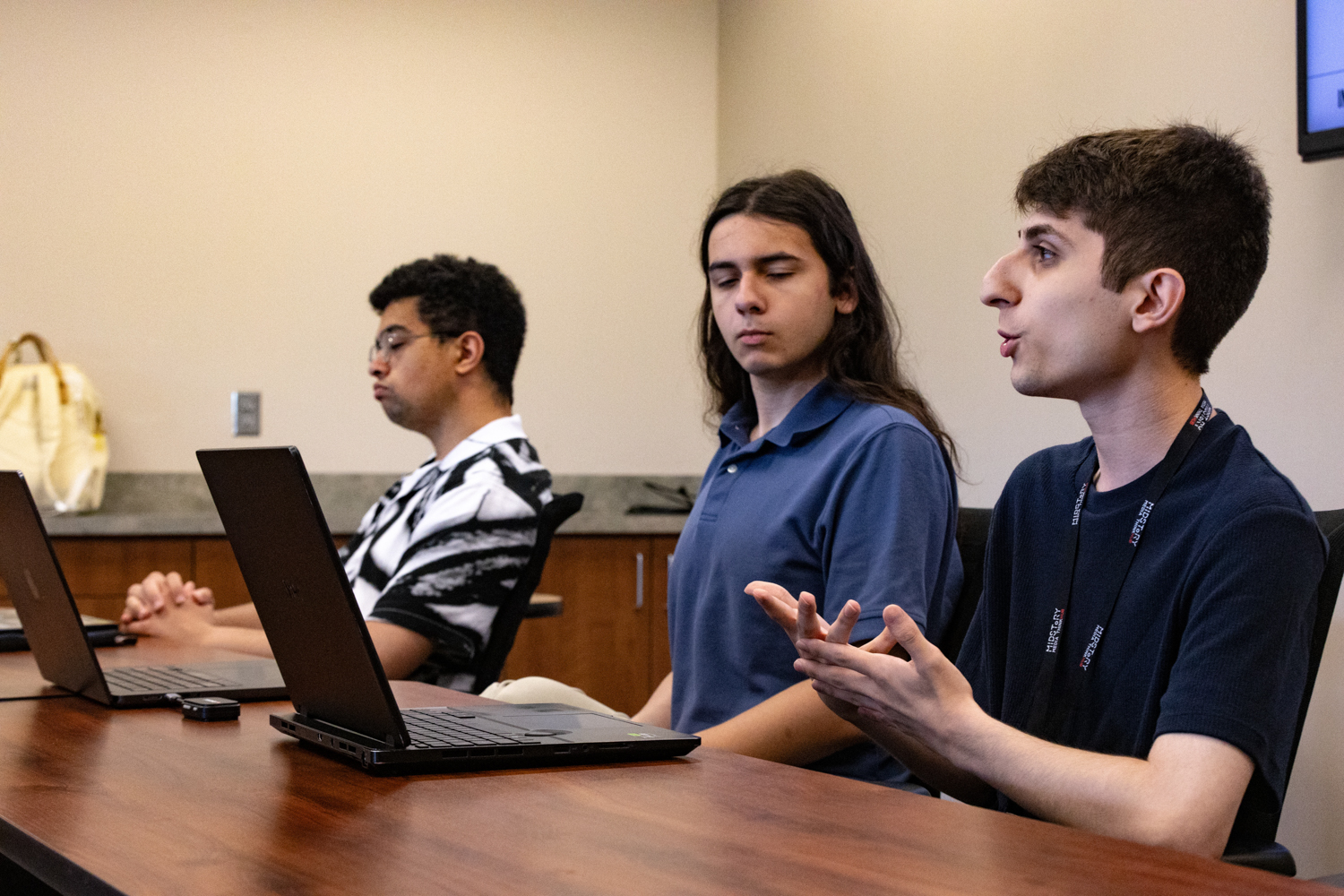
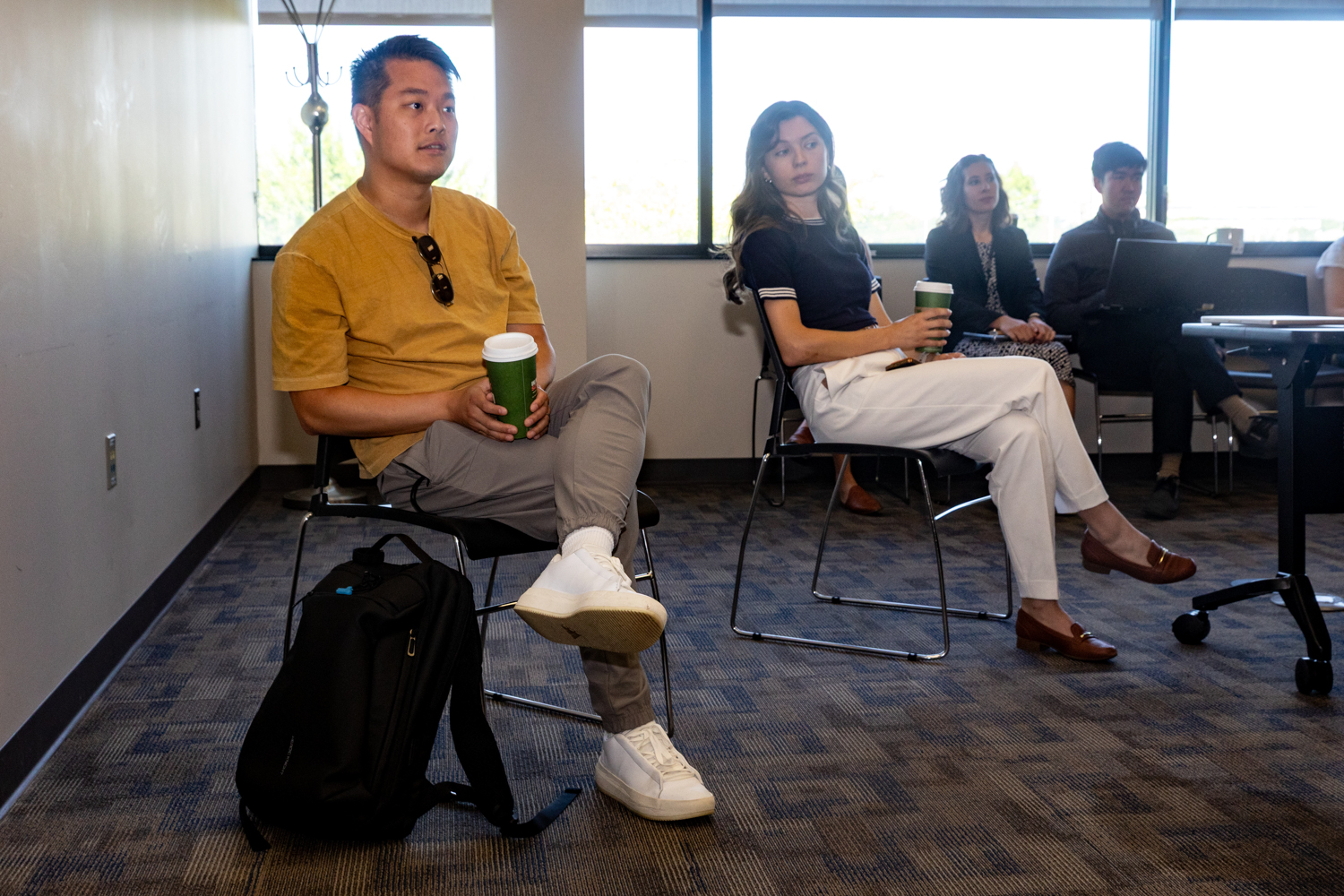
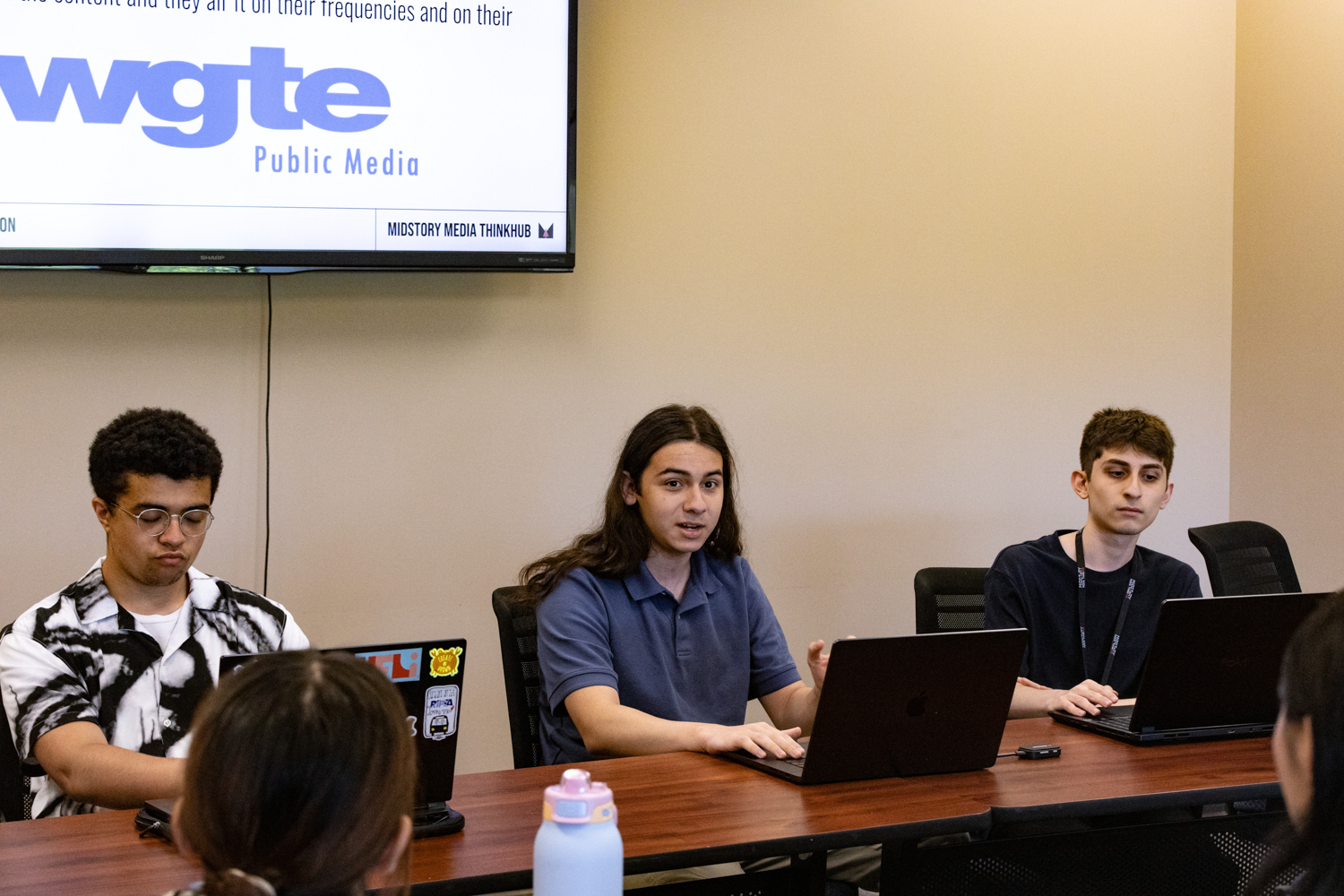
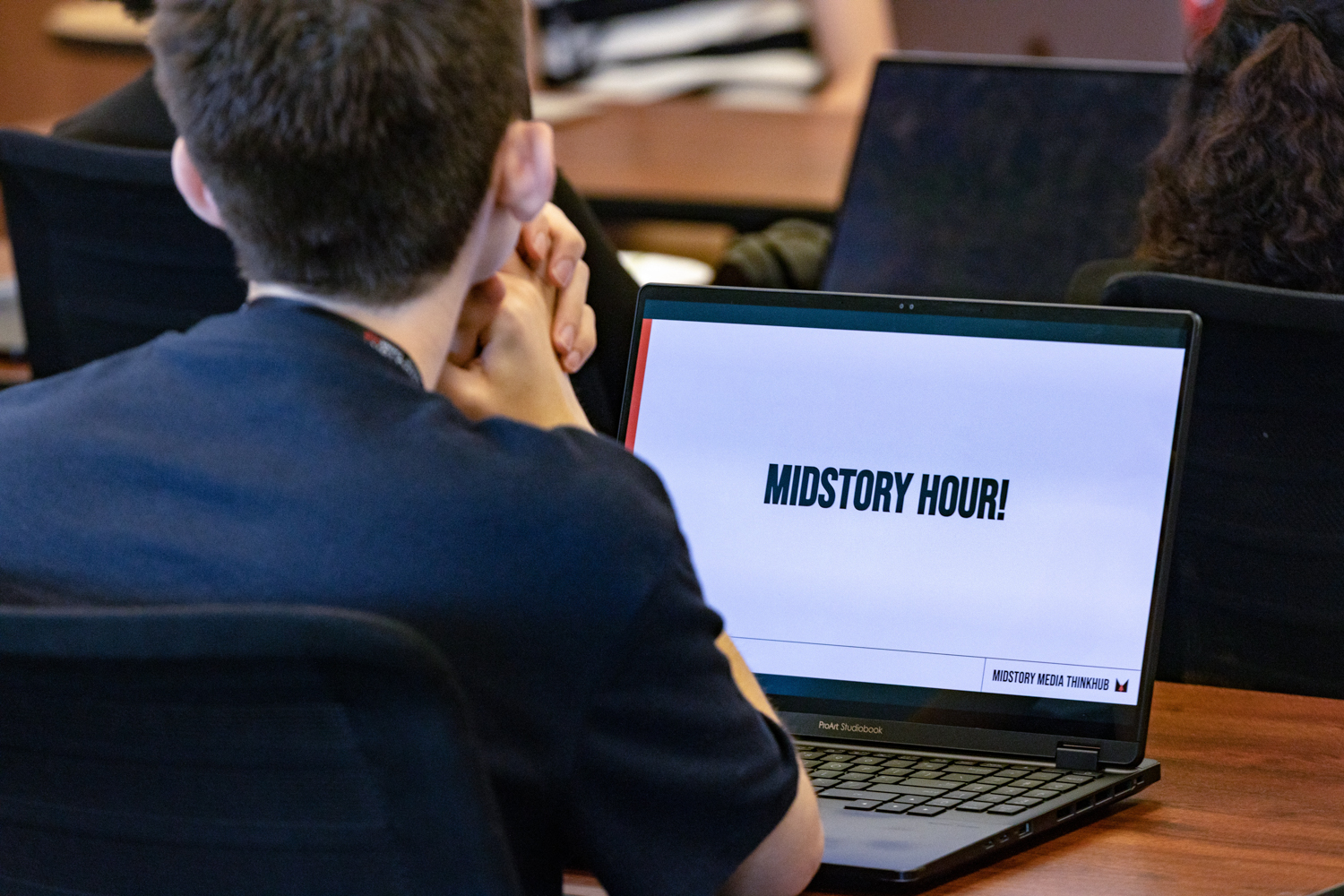
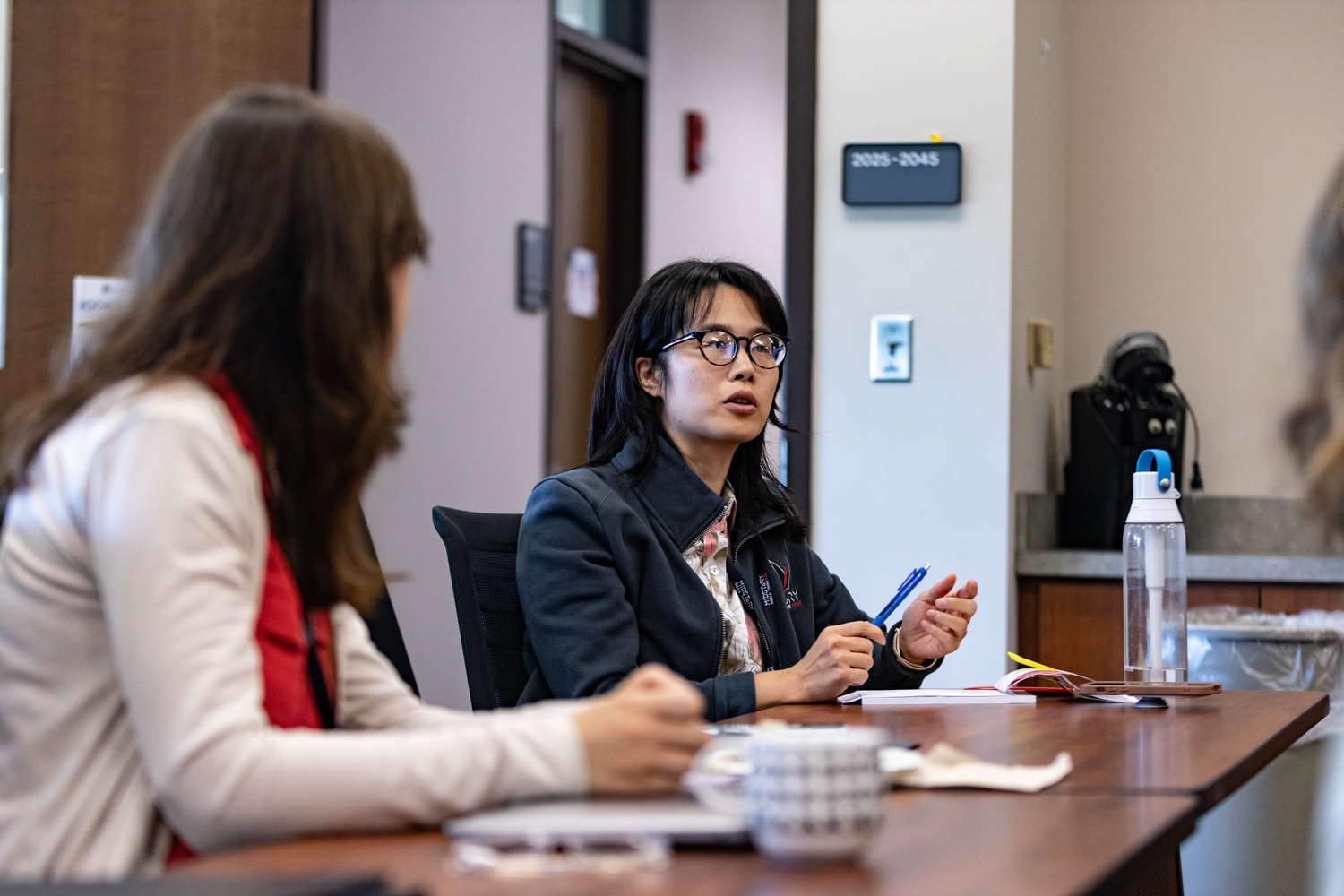
Jahzara Norris from the University of Illinois, Elizabeth Thomas from Carnegie Mellon University, Levia Ropheka from Syracuse University, and Duruo Li from the University of Chicago. (TFP photo by Stephen Zenner)Maison Teixeira, an intern from Brown University; Beckett Painchaud, an intern from Syracuse University; and Anthony Nassar, an intern from the University of Toledo present “Midstory Hour,” their project in collaboration with WGTE Public Media. (TFP photo by Stephen Zenner)“One Vote Away” team with interns Ava Illi of Oberlin College; Rebekah Repp of Case Western Reserve University; Ian Shin of Princeton University; Natalie Gordon of Northwestern University; and Luluya Tekle of Northwestern University. The project details the complicated politics of Ohio leading up to the Civil War, including the underground railroad, and that Ohio was one vote away from becoming a slave state. (TFP photo by Stephen Zenner)Kaitlyn Gastineau (left), an intern from the University of Michigan and Natsume Karude, an intern from DePauw University. (TFP photo by Stephen Zenner)Samuel Chang (left) and Logan Sander (founders of Midstory) facilitate a staff meeting where interns present their projects. (TFP photo by Stephen Zenner)Maison Teixeira, an intern from Brown University, Beckett Painchaud, an intern from Syracuse University, and Anthony Nassar, an intern from the University of Toledo. (TFP photo by Stephen Zenner)(TFP photo by Stephen Zenner)Kaitlyn Gastineau, an intern from the University of Michigan in a common room at Midstory. (TFP photo by Stephen Zenner)Anthony Nassar, an intern from the University of Toledo, prepares to present his group project, “Midstory Hour,” during a staff meeting. (TFP photo by Stephen Zenner)Ruth Chang, one of the founders of Midstory, asks questions of a group project focusing on the change in streets in Toledo. (TFP photo by Stephen Zenner)Midstory Co-Founder Ruth Chang (center) speaks with interns Jahzara Norris from the University of Illinois; Levia Ropheka from Syracuse University; Elizabeth Thomas from Carnegie Mellon University; and Duruo Li from the University of Chicago after a staff meeting. (TFP photo by Stephen Zenner)Yaffa Segal, an editorial fellow for Midstory, eats lunch with Brynn Drabek, a media fellow for Midstory. (TFP photo by Stephen Zenner)Levia Ropheka, an intern from Syracuse University; Kaitlyn Gastineau, an intern from the University of Michigan; and Natsume Karude, an intern from DePauw University. (TFP photo by Stephen Zenner)
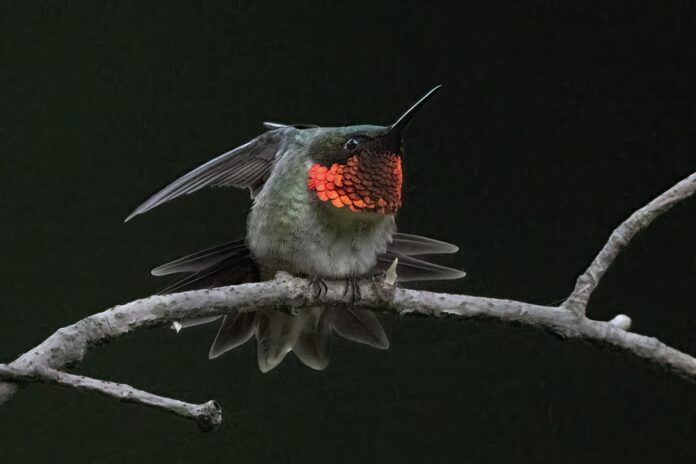
Male ruby-throated hummingbird. (Photo by Art Weber, nature photographer for Metroparks Toledo)
A male ruby-throated hummingbird performs some pre-flight stretches at dawn in the Oak Openings area. Like a baseball pitcher warming up in the bullpen before throwing 90 mph fastballs, this tiny bird loosens up a bit before pushing those wingbeats up to an incredible 50 flaps per second or more, maybe well over 100 per second if he kicks it into high speed. That pre-flight routine also includes fanning tail feathers and stretching its neck.
I will never forget the day that my best friend and I discovered Alanis Morissette’s hidden track on the genre-defining, internationally acclaimed album, Jagged Little Pill.
Caity and I would pop in our Jagged CD and drive around for hours listening to the album’s poignant lyricism and striking instrumentals, singing at the top of our lungs until we’d finish the final track, “You Oughta Know (Jimmy the Saint Blend),” and start it over again.
One day we were having a particularly hard day dealing with our adolescent angst, so we pulled into a parking lot and talked out our problems underscored by the album. When it finished, instead of starting the album over, we found the final track on the list kept playing only to reveal the most gut-wrenching, intensely vulnerable song we’d ever heard: “Your House.”
The album was already a core part of our lives, but in that moment, we felt like everything was going to be okay, and we discovered that Jagged Little Pill is the gift that keeps on giving.
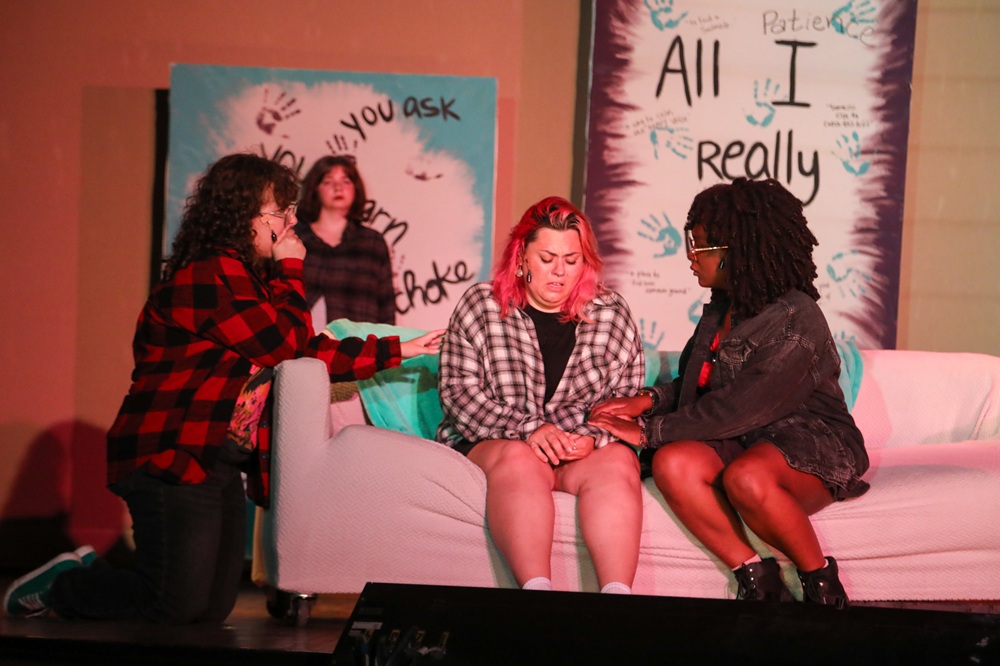
Enter: Jagged Little Pill (musical). The show follows the Healy family, all navigating their own strife with one central plotline that could change the family’s lives forever. The best part? The show is a jukebox style musical set to Alanis’ iconic album, padded with a few of her other hits, and featuring two songs written by Alanis for the musical.
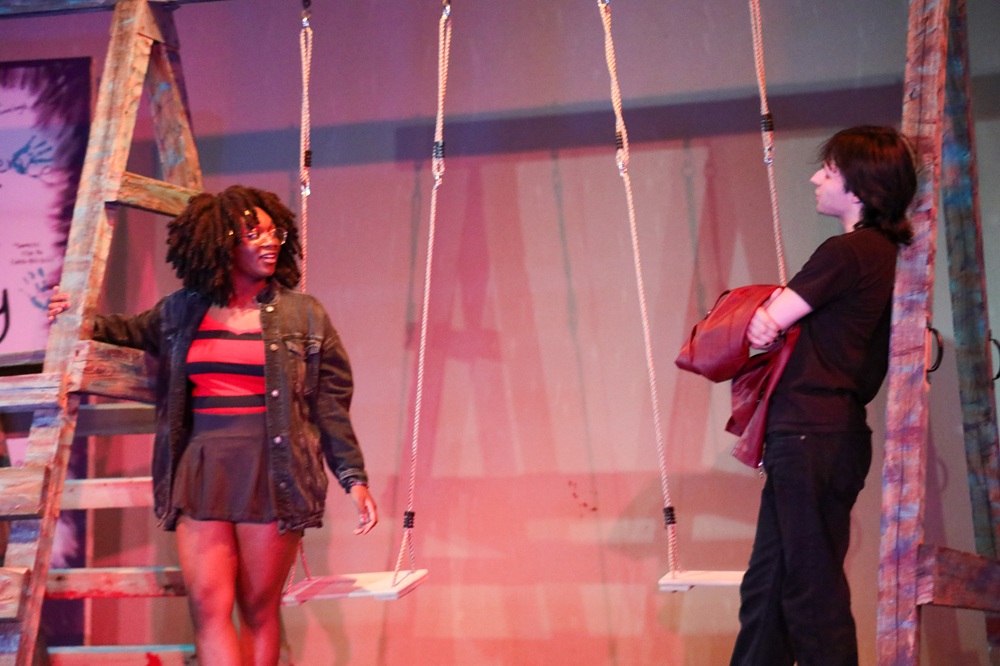
(Photo by Derek Roe)
This show is no easy feat to produce, but unsurprisingly, Stone Productions was up to the task. Let me set the scene of the roadblocks:
On the technical side, our production team had to create an airtight vision, as this is the northwest Ohio premiere of the show. Though minimal set pieces, Jagged has no time for scene changes, instead relying on stellar lighting (thank you Zann Campbell-Johannes!) and four panels to shift through the non-stop show. The show is ensemble-heavy, so our sound designer had his work cut out for him navigating cues and balance (shoutout Roger Flanagan!). On the performer side, there’s necessary trigger warnings for serious subject matter, which sets our team up for an emotional journey, combined with the physical and vocal demands that are nearly unheard of in live theatre.
Then there’s the choreography of the show, which is where I come in. Aside from the incomparable music of Alanis and the deeply important storylines, Jagged Little Pill does something extremely uncommon in musical theatre: It uses choreography to further the plot.
(Photo by Derek Roe)
I knew this would be unlike anything I’ve choreographed, and not just from the pressure of using dance as an actual plot device and combining 90s influence and lyrical expression. It wasn’t even the daunting task of choreographing 14 of the 23 songs on the album; rather, the biggest challenge was encouraging this group to develop a comfortableness with their bodies to be vulnerable on stage and engage with freestyle.
Our production team was so fortunate to work with some of the most talented humans. The principal actors are amazing, armed with complex, diverse characters. Our ensemble is just as crucial as these leading characters. They took my giant ask, and delivered to the umpteenth degree.
But I would be remiss if I didn’t wax poetic about my avatars.
This show features a few select dancers assigned to different characters in the show who have the hard job of showing how our leads are feeling emotionally. Ciara Lieberman (MJ’s avatar), Chanel Black (Frankie’s avatar), Callum Mather (Nick’s avatar), and myself (Bella’s avatar), have worked tirelessly to understand these characters and execute some demanding choreography, all while being in the ensemble as well.
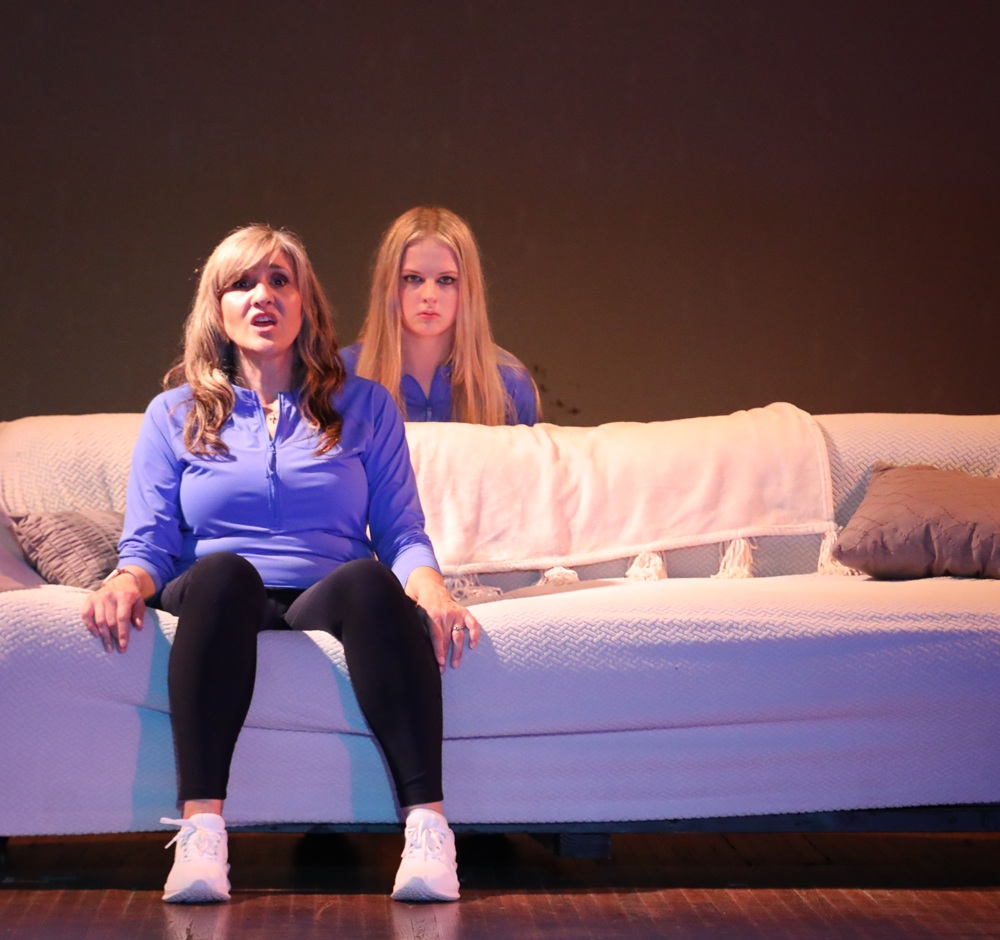
(Photo by Derek Roe)
There’s no other combination of humans that could’ve produced what our production team put together. Our crew, including Ben Salati and Brad Arps, hustled beyond belief, under the direction of our bright and meticulous stage manager Marian Marlatt. Our music director and beloved friend Kevin McGill expertly taught songs that had most individuals tackling their own harmonies, compiled and leading musicians for the pit, and didn’t even break a sweat.
This is the fourth show I’ve choreographed alongside Co-Director Jaymes Gregory-Mull, whose reputation of putting on incredible productions precedes him. He was bold enough to choose this show, and knocked his vision out of the park, along with any roadblocks that stood in our way (even if it meant he had to wear multiple hats as director/stage crew/cast).
(Photo by Derek Roe)
I’m lucky that Co-Director Andronicus Roberts, or my “little brother” as he’s affectionately known, got to work together. Not only did Andy take on co-directing this show, but he also had the security and self-awareness to play Andrew, the show’s central villain, and my dance partner for one of the most pivotal moments of the show. Though I could go on and on about this team, I will simply say I am so grateful for the opportunity to work with them.
But what makes this experience one of the most memorable of my time as a choreographer is performing alongside my best friend, Caity. More than 10 years since we discovered “Your House” on a random weekday, I now get to hear Caity sing this song every night as Jo. I’ll find myself at rehearsals catching glimpses of our teen selves, unsure about what the world holds, but knowing that as long as we have each other, “Everything’s gonna be fine, fine, fine.” That’s the impact of Jagged Little Pill, and the magic of Alanis.
Jagged Little Pill runs at the Collingwood Arts Center July 24, 25 and Aug. 1 at 8 p.m., and Aug. 2 at 3 p.m. Viewer discretion is advised. Find your tickets here.
Reflecting on her history with mom meetups at Toledo’s Metroparks, Erin Holden meets up with members of the Mother’s Center of Greater Toledo for an impromptu playdate at Glass City Metropark.
This is the second episode of A Walk in the Park with, a WGTE Public Media and Metroparks Toledo collaboration hosted and produced by Erin. Join her as she explores everyday life in Toledo’s Metroparks. In each episode, Erin interviews different park visitors – runners, teachers, artists, parents and more – revealing the many ways people connect with nature. You’ll hear personal stories about people’s relationships with our parks and the activities they cherish. Erin also documents her journey along the way, reflecting on the insights she gains from each experience.