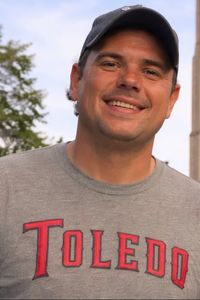
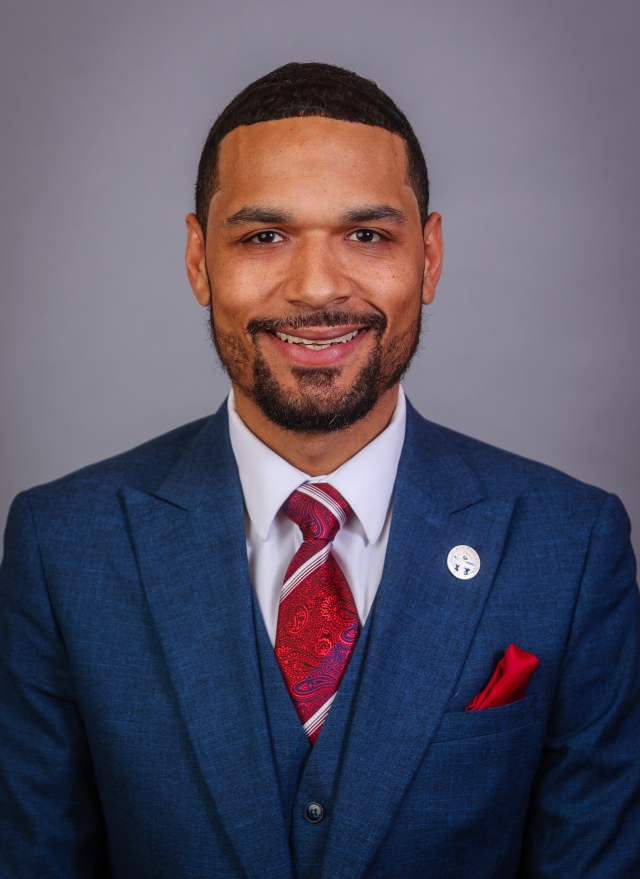
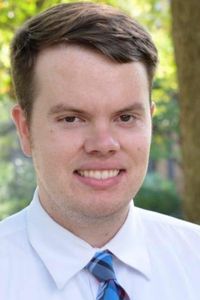
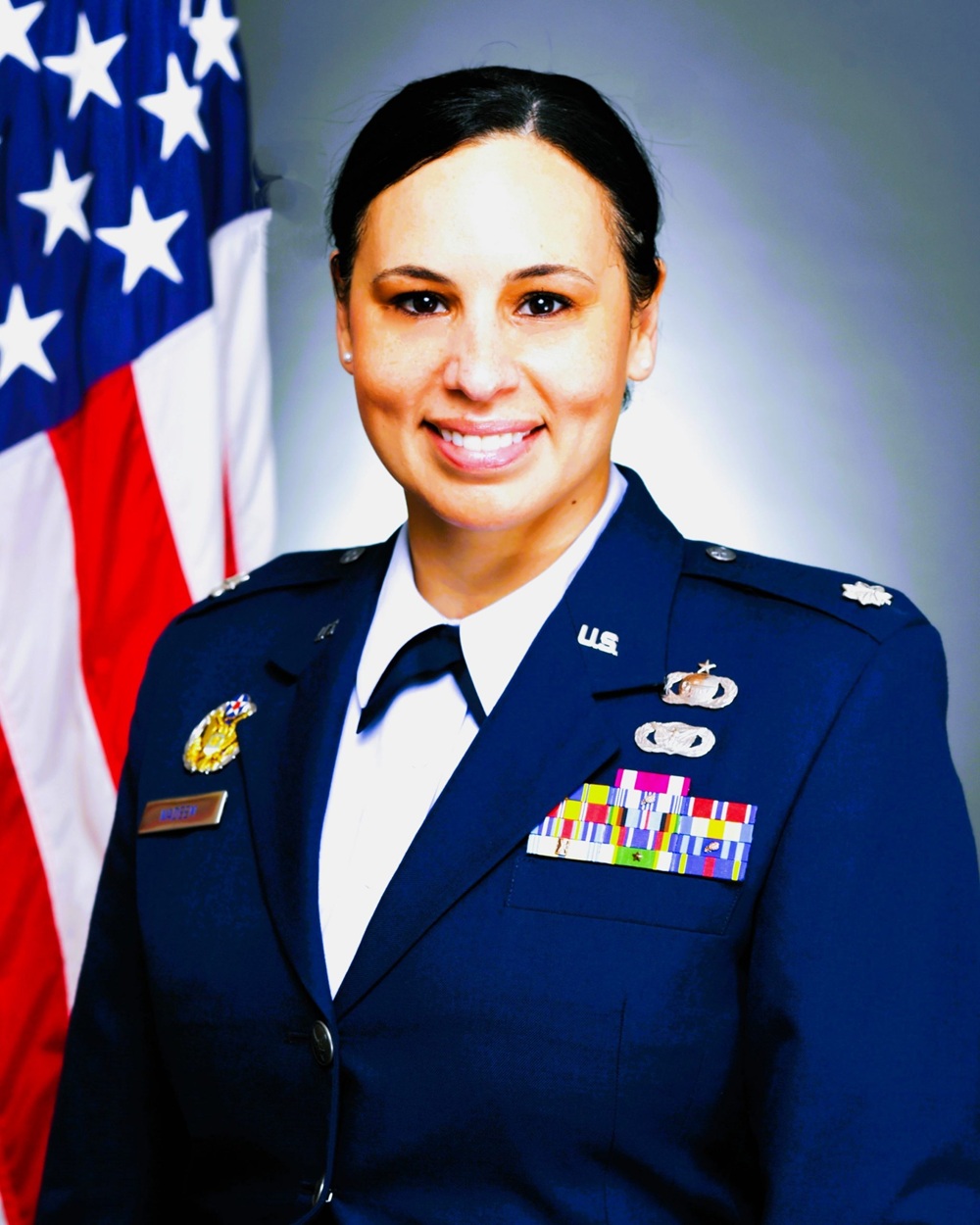
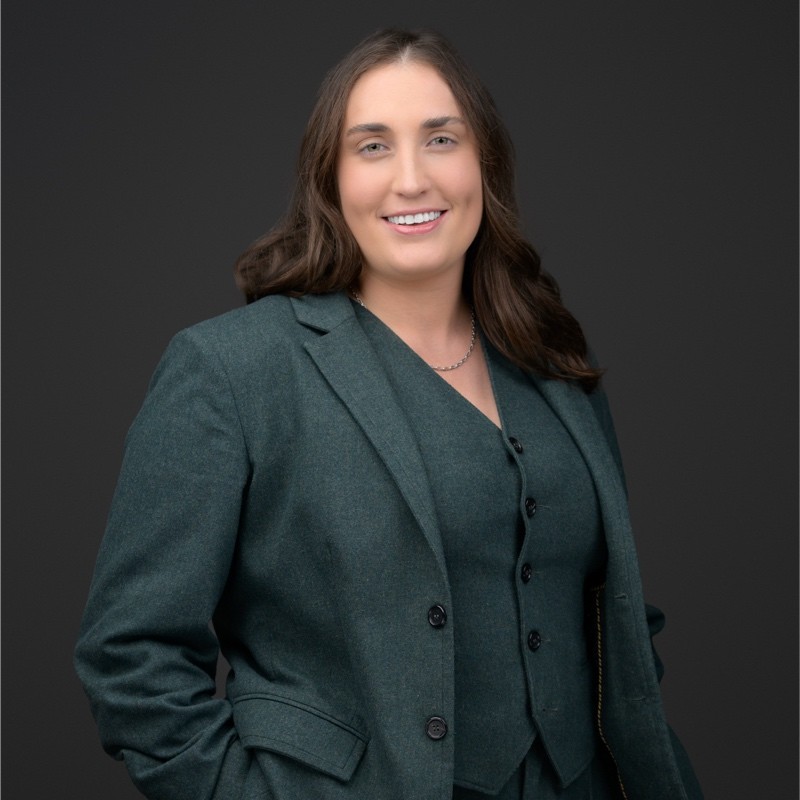
In this episode of Toledo Works, Jaden Jefferson speaks with Yaz Abu-Adiyeh, owner and proprietor of Baba’s Eats, a food truck that got its start during the early days of the pandemic. Then he speaks with Anneke Kurt, corporate manager of Kengo Sushi & Yakitori, about her work in the restaurant industry that inspired her memoir. Finally, he ends with a chat with Ray Orra, a barista from House of Coffee who speaks to the value of coffee shops for finding community.
Everywhere in Toledo, you’ll find people who play a role in making our city tick – from hospitals and factories to restaurants and art galleries – and behind every person is a story. Our program, Toledo Works, highlights those stories from workers’ firsthand accounts. Each week, Toledo Free Press hosts Jaden Jefferson and Stephen Zenner focus on a different topic within the Toledo workforce, exploring their day-to-day challenges and triumphs.
Below is a more detailed look at all of the candidates voters will get to choose from on their respective ballots during the May 5 primary election for Ohio’s 9th Congressional District.
Democrats for Representative to Congress (9th District)
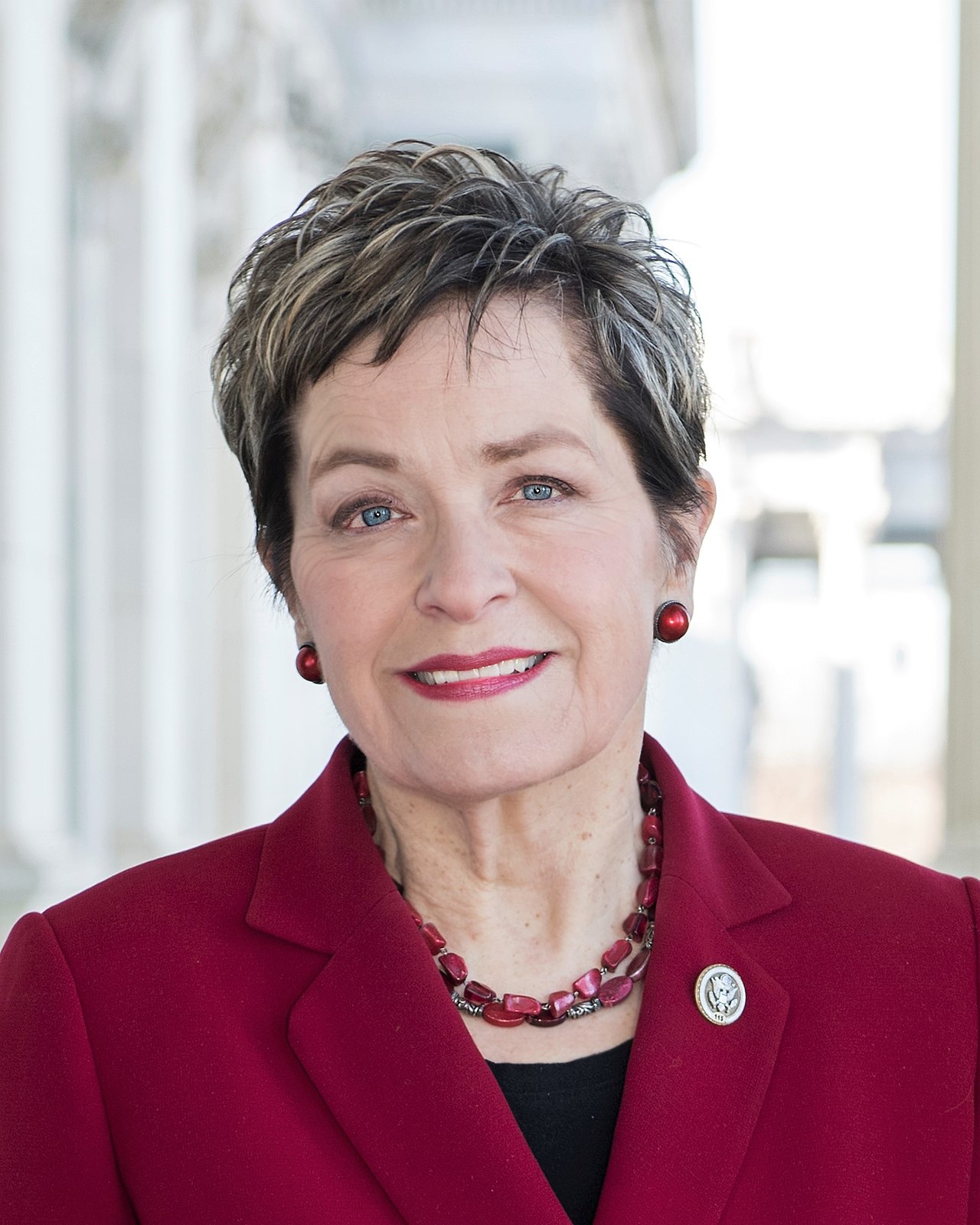
Marcy Kaptur for Representative to Congress for Ohio’s 9th District * Kaptur is the only Democrat on her party’s ballot.
Marcy Kaptur
Lives in Toledo; from Toledo
Political Experience:
1983-Present U.S. Representative for Ohio’s 9th Congressional District
1977-1979 Urban Policy Advisor for the Jimmy Carter (D) administration
1975-1977 Director of Planning at the National Center for Urban Ethnic Affairs
1969-1975 Urban Planner for the Toledo-Lucas County Plan Commissions
Education:
1974 Master’s in Urban Planning from the University of Michigan
1968 Bachelor’s Degree in History from the University of Wisconsin
Professional experience:
1977-1979: Urban Policy Advisor for the Jimmy Carter (D) administration
1975-1977: Director of Planning at the National Center for Urban Ethnic Affairs
1969-1975: Urban Planner for the Toledo-Lucas County Plan Commissions
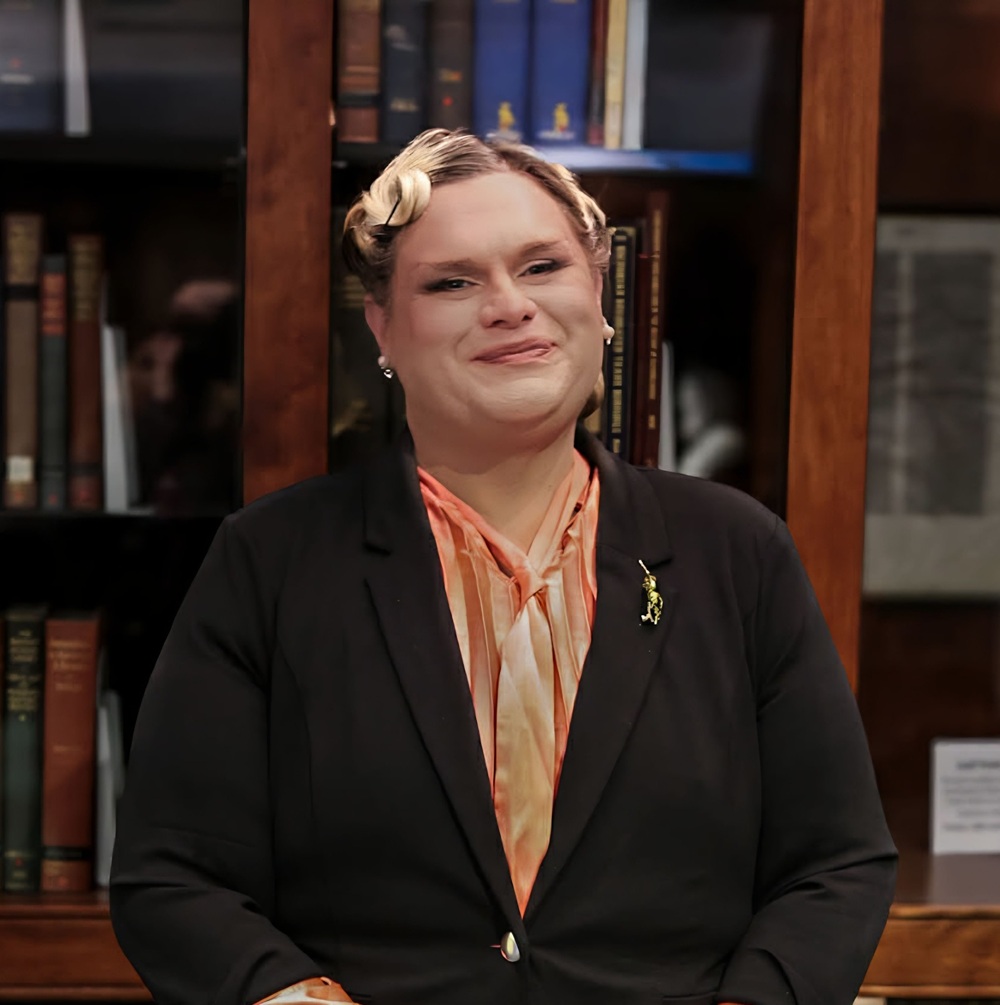
Jaden Jefferson sits down with Libertarian David Gedert, who goes by Sugar Vermonte while performing, to discuss his campaign to represent Ohio’s 9th Congressional District.
Matthew Althaus for Representative to Congress for Ohio’s 9th District
Matthew Althaus
Lives in Toledo
Political Experience:
No prior political experience
Education:
Bachelor of Business Commerce from Miami University
Associate’s Degree in General Business Administration and Management from Sinclair Community College
Professional experience:
2022-Present: Manufacturing Manager and previously H/E Supervisor for NSG Group in Rossford
2020-2026: Area Manager for Amazon in Toledo
2015-2020: Operations Manager for Unique Tool and Manufacturing in Temperance, Mich.
2011-2015: Inventory Specialist for International Laser Group in San Diego, Calif.
2010-2011: Chief Executive Officer for Smartcarts Inc. in San Diego, Calif.
Website and links: None
Republicans for Representative to Congress (9th District)
Josh Williams
Josh Williams for Representative to Congress for Ohio’s 9th District
Lives in Sylvania Township; from Toledo
Political Experience:
2023-Present: Ohio House Representative for Ohio’s 44th District
Volunteerism:
2008-Present: Board of Directors Member for South Toledo Area Rec Society
2008-Present: Program Director and Head Football Coach for South Toledo Area Rec Society
Education:
2018-2020: Doctor of Jurisprudence from the University of Toledo College of Law
2014-2017: Bachelors of Science in Paralegal Studies, Paralegal Studies/Prelaw from the University of Toledo
Professional experience:
2016-Present: Criminal Defense/Personal Injury Associate with Groth and Associates
Derek Merrin for Representative to Congress for Ohio’s 9th District
Derek Merrin
Lives in Monclova; from Monclova
Political Experience:
2024: Ran for Ohio’s 9th Congressional District. Merrin lost to Marcy Kaptur (D), and received 47.6 percent of the vote. Kaptur received 48.3 percent of the vote. Tom Pruss (L) received 4.1 percent of the vote.
2023-2024: Ohio House Of Representatives for Ohio District 42
2016-2022: Ohio House Of Representatives for Ohio District 47
2014-2015: Regional Liaison for the Ohio Auditor of State
2012-2013: Senior Performance Analyst for the Ohio Auditor of State
2008-2011: Mayor of the City of Waterville
2006-2007: Councilman for the City of Waterville
Education:
2012-2014: Public Performance Measurement Certificate from Rutgers University, Newark
2008-2009: Master of Public Administration, International Relations from Bowling Green State University
2005-2008: Bachelor of Arts from the University of Toledo
Professional experience:
2015-Present: Owner of Merrin Property Holdings, LLC
Jaden Jefferson speaks with Alea Nadeem, a Republican candidate for Ohio’s 9th Congressional District, as part of the Toledo Free Press Voter’s Guide. This interview is a part of our May Primary coverage for 2026.
Madison Sheahan for Representative to Congress for Ohio’s 9th District
Madison Sheahan
Lives in Columbus; from Curtice, Ohio
Political Experience:
2025-2026: Deputy Director of Immigration and Customs Enforcement (ICE) in Washington, D.C.
2024-2025: Secretary for the Louisiana Department of Wildlife and Fisheries in Baton Rouge, La.
2023-2024: Executive Director for the South Dakota Republican Party in Pierre, S.D.
2021-2024: Executive Director for South Dakota Governor Kristi Noem in Pierre, S.D.
2019-2021: State Election Operations Director for the Ohio Victory Campaign in Columbus
Education:
2015-2019: Bachelor’s Degree in Public Affairs, Public Management, Leadership and Policy from The Ohio State University
Professional experience:
All of Sheahan’s experience intersects with the Government/Politics
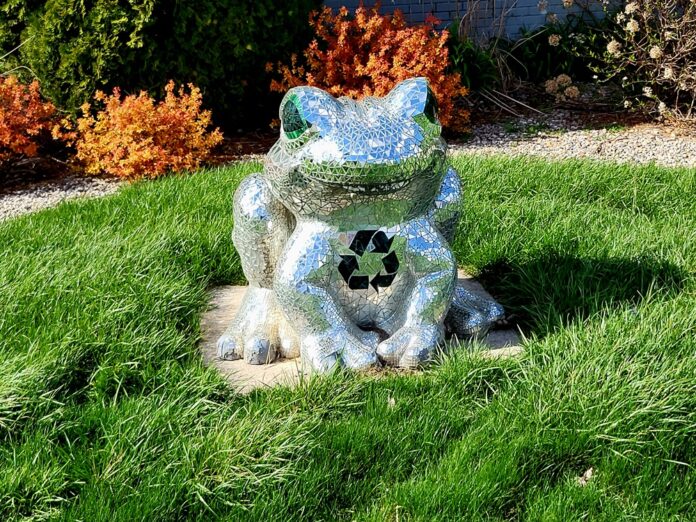
Nonprofit organization teams up with Toledo Spirits
TOLEDO -Earth Day (April 22) is an environmental movement designed to raise awareness, promote sustainability, and protect the planet’s natural resources. First initiated in 1970, it now mobilizes over 1 billion people every year.
One organization is getting a head start: Keep Toledo/Lucas County Beautiful (KT/LCB) and Partners for Clean Streams are teaming up for an Earth Day Litter Cleanup and Green Drinks Event on Tuesday, April 21. They hold numerous events like this throughout the year.
KT/LCB is a nonprofit 501(c)(3) organization that aims to provide a cleaner Toledo and Lucas County through services such as litter cleanup, recycling programs, educational programs, and tree planting and landscaping.
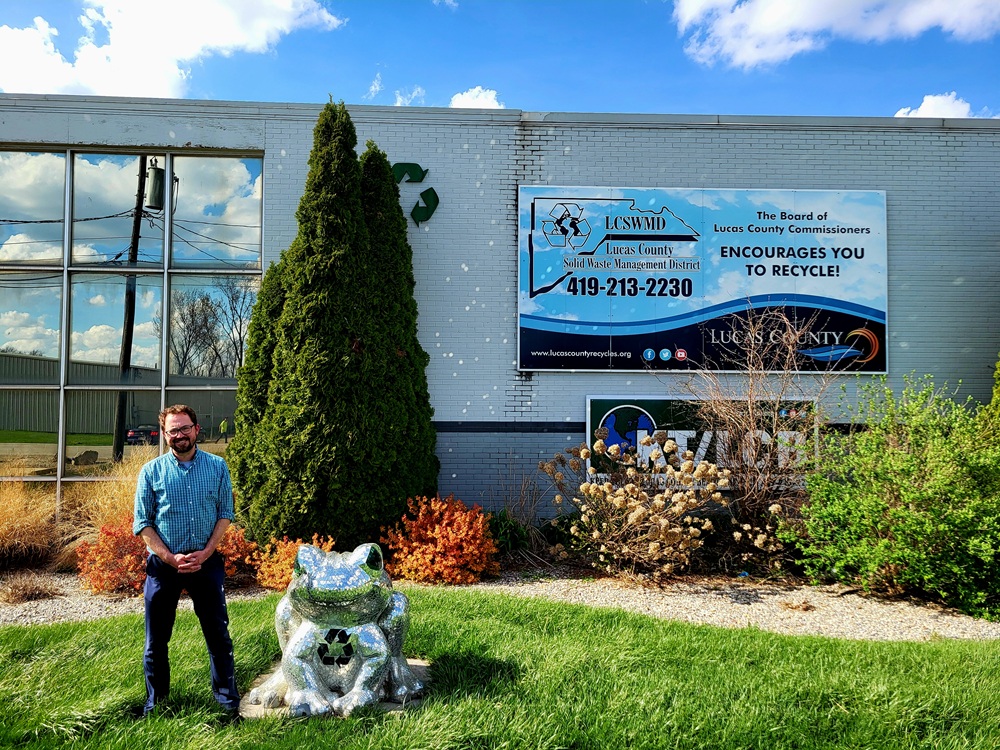
Adam Cassi, Executive Director of Keep Toledo/Lucas County Beautiful, standing outside their headquarters. (TFP photo by Steven Bieber)
Adam Cassi, Executive Director of Keep Toledo/Lucas County Beautiful, explained that these events are typically just social events, but the organization decided to take a step further and have a litter cleanup before the social event. Cassi explained that this time of year is litter season for the organization.
“Lots of litter builds up over the wintertime. Nobody likes to go out and pick up litter in the winter. So now that it’s warming up, there’s litter everywhere, especially if you drive around 475, 75, all the on-ramps and off-ramps. But that area along Summit Street in front of Toledo Spirits and TolHouse always collects a lot of litter, and we’ll be going along there and cleaning that up.”
According to a study from Keep America Beautiful, there are nearly 50 billion pieces of litter along U.S. roadways and waterways, and 88 percent of it is smaller than four inches.
While we hear about plastic in the oceans, the problem can be felt in our backyard. Cassi says that the goal is to collect the litter before it finds its way to the Maumee River and/or into Lake Erie. He also said that an estimated 2,500 tons of plastic flows into Lake Erie every single year.
While litter is bad for the environment, it is also an economic issue. Cassi explained that a city full of litter will see less business development and tourism. He also explained the socioeconomic impact of littering.
“You know, if a community is clean, they’ve typically got everybody a little bit more passion, and they are more connected.” He said, “They know that that’s socially unacceptable to litter there, and there’s a lot of pride in that neighborhood. There’s also a lot of research that says if an area is clean, it’s easier to keep it that way.”
On the other hand, if there is litter everywhere, people will be more inclined to think it is okay to throw out one more piece of litter.
Lastly, littering also poses a health risk, particularly when it comes to plastic. Cassi noted a study from the University of New Mexico that found that brain tissue carries about 4,800 micrograms per gram, which is equivalent to the amount found in a plastic spoon. Events like the one on April 21 are beneficial for the environment, the economy, and our overall health.
Cassi says that the Litter Cleanup and Green Drinks events are open to the public. He simply asks that people register ahead of time because Toledo Spirits is not usually open on Tuesdays. There is information available on their social media and on their website. He also noted that you do not have to go to the Litter Cleanup to attend the Green Drinks Event. If the cleanup is too early in the day, you are still welcome at the Green Drinks Event.
The event will be held on Tuesday, April 21, at Toledo Spirits (1301 N. Summit St.) from 4 to 5 p.m. for a litter cleanup, followed by a Green Drinks networking event from 5 to 7 p.m. There will be alcoholic and non-alcoholic beverages available. You can register for the event here.
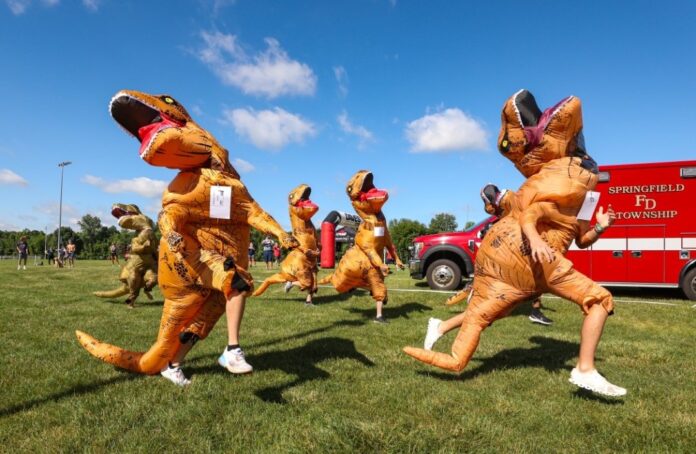
The HEROhustle, an event where local celebrities dress up in dinosaur costumes to race for their chosen charities. (Courtesy photo)
SPRINGFIELD TOWNSHIP – For 20 years, Springfield Township has held fundraising events all summer long. From car shows to fireworks, each year holds engaging activities in order to raise money for charities and get people invested in the township. This year appears to be no exception.
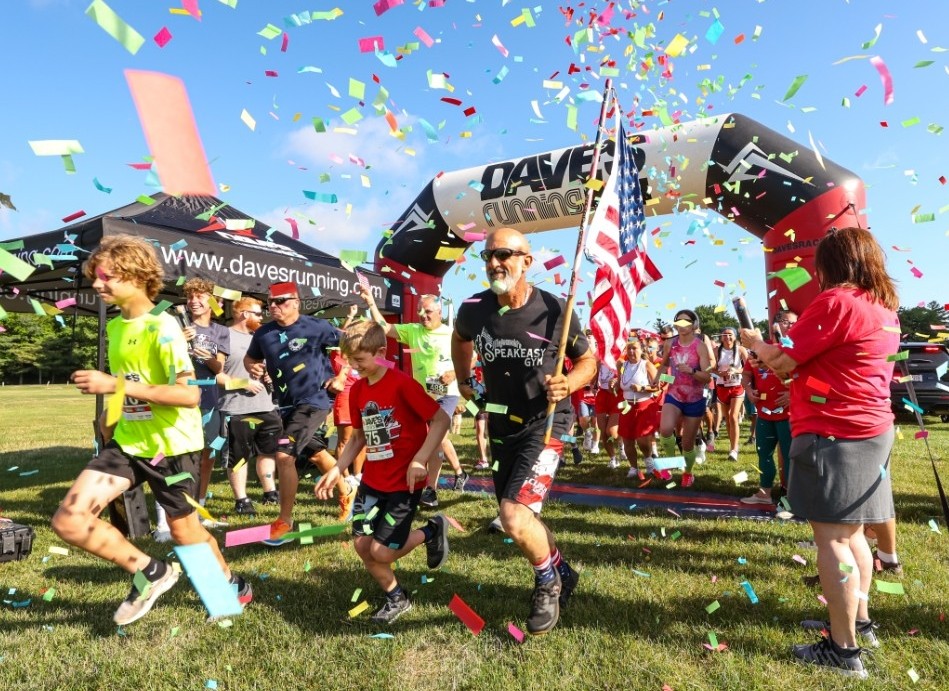
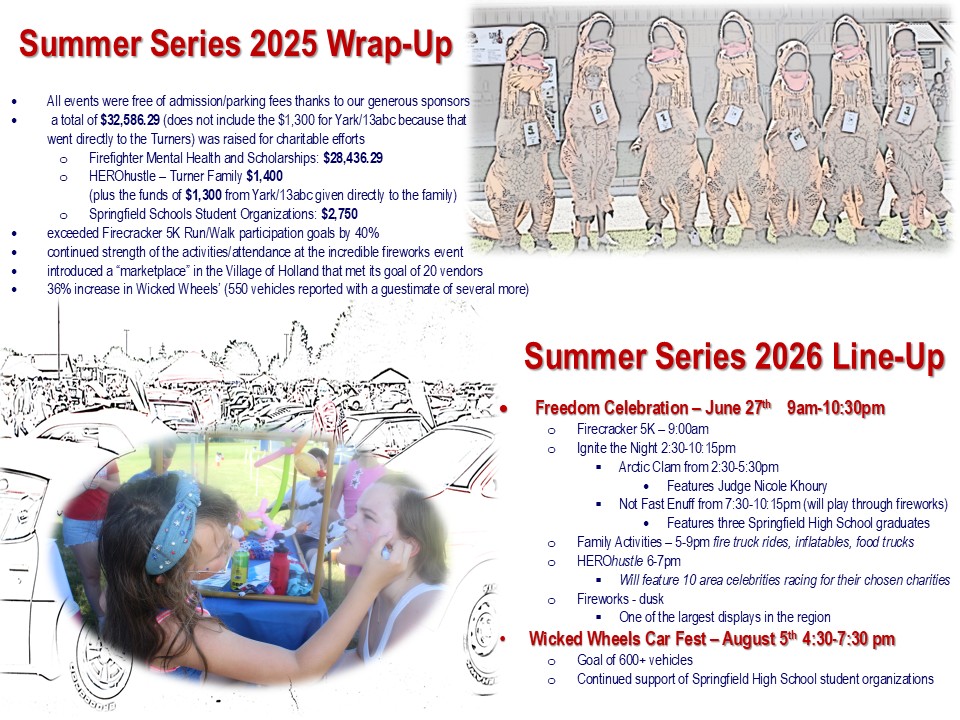
This year, festivities begin on June 27 at 9 a.m. with the Firecracker 5K, a run/walk activity for all ages. Following the run, Ignite the Night will include live music performances from bands like Arctic Clam and Not Fast Enüff. In between there will be the HEROhustle, an event where local celebrities dress up in dinosaur costumes to race for their chosen charities. The night is capped with a famous firework celebration.
The Summer Series festivities begin on June 27 at 9 a.m. with the Firecracker 5K. (Courtesy photo)
Since the ’90s, the township has held Annual “Freedom Celebrations,” where the township has put on firework displays and other activities for residents. Eventually, the board of trustees in Springfield decided to try and lure in people who might have never heard of the area. Kristina White, Director of Event Operations, was tasked with bringing attention to Springfield Township through these events.
“We know that there are individuals that drive through and drive past some incredible amenities that exist in Springfield Township,” remarked White. “And the trustees said, ‘What can we do to get them to stop?’ So, I proposed to them a summerlong series of events that would get people into the [township].”
Through these events, White hopes that people who are driving through stop by in an area that can be sometimes overlooked. Bringing attention to these events also helps the township fundraise for numerous charities. Since the beginning of the tradition of summer events, the township has raised funds for charities, and this year alone, the township is donating to six primary charities. With this year celebrating the 250th anniversary of the nation, the township is looking to give back to an often overlooked population of the community: veterans.
“As we were looking at Summer Series 2026, we also realized that it’s a celebration of the 250th anniversary,” noted Tommy Anderson Jr., a Springfield Township Trustee, referring to the 250th anniversary of the United States.
“So… it had to be those organizations that serve veterans in our community, that interact with the youth in our community, or can provide character building, or some type of activity that’s relevant, right in Springfield Township.”
A sense of community is the most important part of what makes these events matter to the trustees. Apart from summer events, the township also holds activities in other seasons, like a polar plunge during the winter months. A story that the trustees reminisced about involved an 82-year-old man who had wanted to come out to the event as a sort of bucket list item. The board suggested he should be around his community, and in response the man said, “If I come out, I’m getting in the water.”
Sponsors are often a marker for success in events like this, and for the township, it has become an obvious sign that the event has exploded in popularity. The trustees remarked that in the beginning, they had to ask for local businesses to sponsor the event, but now, they often have sponsors reaching out to them.
Wicked Wheels Car Fest 2025. (Courtesy photo)
A sense of community is not something that appears out of thin air, and oftentimes it takes a monumental amount of effort in order to connect people. But in Springfield Township, it comes naturally to those who seek out connection in a community that gives back just as much as they celebrate.
Mark your calendars for the events in the summer series, which is sponsored in part by the Toledo Free Press, along with other sponsors.
In this episode of Toledo Works, Stephen Zenner discusses what it is like to maintain and promote the Metroparks Toledo system. He speaks with Lorenzo Melchor, the Park Services Manager who oversees day-to-day operations at Glass City Metropark; Ashley Smith, Manager of Public Programs; and Scott Carpenter, Director, Public Relations. From maintaining the Glass City Metropark skating ribbon to leading mindful polar plunges in winter, it is an eye-opening discussion of what makes our vast system of parks such an integral part of daily life for Toledoans.
Everywhere in Toledo, you’ll find people who play a role in making our city tick – from hospitals and factories to restaurants and art galleries – and behind every person is a story. Our program, Toledo Works, highlights those stories from workers’ firsthand accounts. Each week, Toledo Free Press hosts Jaden Jefferson and Stephen Zenner focus on a different topic within the Toledo workforce, exploring their day-to-day challenges and triumphs.
Photo courtesy of Ohio Department of Natural Resources
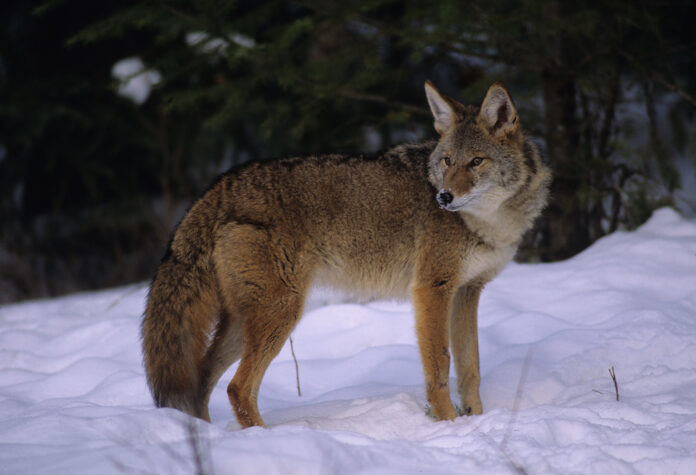
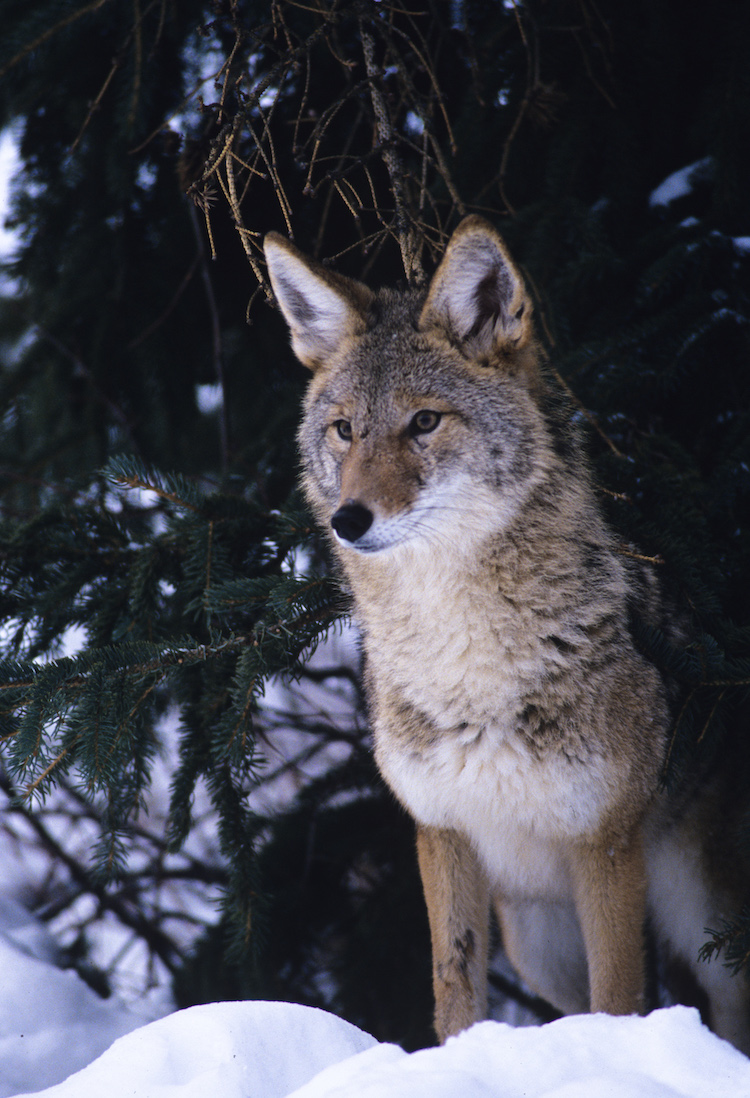
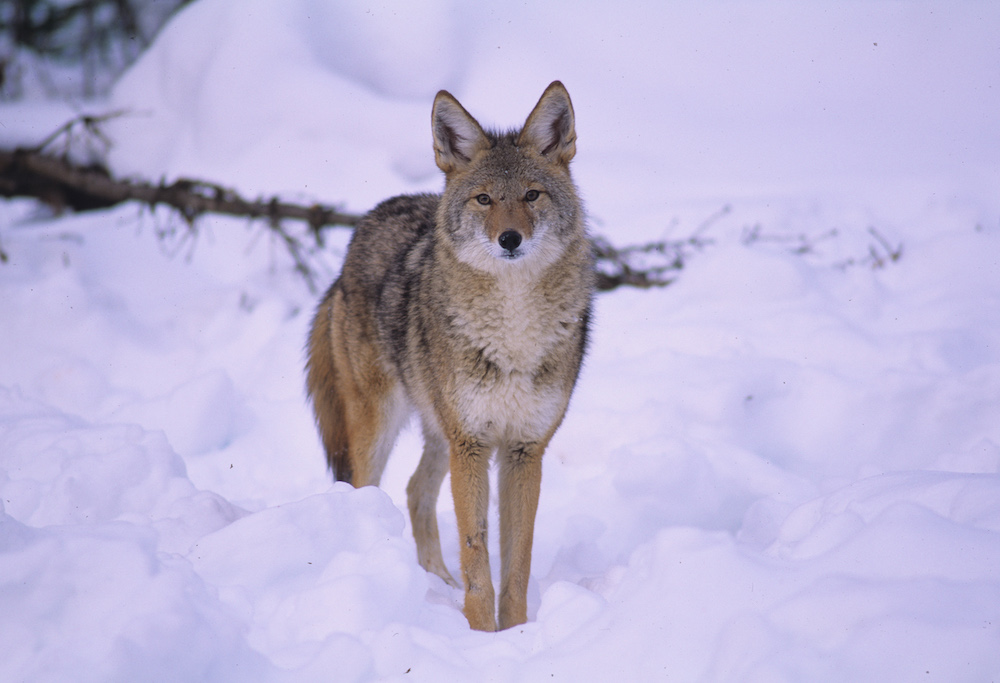
Whether it’s a pawprint in the mud, a pile of fur-filled scat or a photo on a trail cam, coyotes leave evidence of their presence all over northwest Ohio, and not just in rural areas.
“Most people don’t realize how closely they live around coyotes,” said Mike Ohlrich, the Ohio Department of Natural Resources (ODNR) wildlife officer for Lucas County. “Coyotes are very adaptive and can thrive in green spaces, not only in more rural areas but in cities.”
Mike Ohlrich. Photo courtesy of Ohio Department of Natural Resources
Metroparks personnel see signs of coyotes, and the mammals themselves, on occasion, said Scott Carpenter, director, public relations, noting that neighbors to several parks often report hearing coyote calls at night.
“Coyotes are likely present in every Metropark, but are reclusive and avoid contact with people, so it’s not very common to get a glimpse of one,” he said. “Coyotes are beneficial predators, and we would be concerned if they were not found in parks. They play an important part in the balance of the ecosystem.”
In the past, coyotes were often associated with the open deserts and prairies of the west, but as land was cleared for agriculture and larger carnivores were removed from the landscape, coyotes began expanding their territory eastward, according to the ODNR. By the 1930s, coyotes were in Ohio and, by 1988, were in every county. Bowhunter observations show that the coyote population steadily grew through the 1990s and 2000s, but has remained steady over the past 10 to 15 years.
Ohlrich believes one reason the coyote population increased is due to the decline in the number of hunters and trappers, as the interest in fur-bearing animals has waned.
Photo courtesy of Ohio Department of Natural Resources
Slender and weighing about 20 to 50 pounds, coyotes are monogamous breeders that usually mate January through March. Litters are born in March and April, with five to 10 pups each. The female maintains the den, which is often dug into the ground or utilizes a hollow log or brushy thicket. Both parents hunt for food for their offspring, but the male usually takes the lead during the pups’ early months.
Around three weeks, the young leave the den with parents, and are weaned at six weeks. By 8 to 12 weeks, the pups are taught to hunt. The coyote family stays together through the summer and mid-fall. While some young coyotes will stay with the family until the next litter comes along, most will leave and develop their own territory anywhere from 10 to 100 miles away.
According to the ODNR, coyotes are primarily nocturnal, hunting during the night. In areas where they feel less threatened, coyotes will hunt during the day. Coyotes will form a pack consisting of an unrelated alpha pair and several subordinate adults, but usually hunt alone.
While many species avoid populated areas, the coyote has adapted.
Dr. Stan Gehrt leads several coyote research projects. Both Ohlrich and Nature’s Nursery Co-Founder Laura Zitzelberger refer to Gehrt’s research as a premiere source of information on coyotes.
When she reads a comment online from someone concerned that a pack of coyotes might take out a dog, for example, Zitzelberger often chimes in with factual information.
Photo courtesy of Ohio Department of Natural Resources
“They live in packs but hunt as individuals. They barely want to take on anything that’s larger than a cocker spaniel when they can survive on something that’s much easier to catch,” she said.
In the early 2000s, Gehrt led a study in the Chicago suburbs, studying what coyotes eat, and it was found that domestic animals are just a minute part of their diet, Ohlrich said. A larger percentage is mice, rats, fruit, young whitetail deer, raccoons and other small mammals such as shrews, voles, rabbits and moles.
“The number of mice and rats they eat can be a good thing. Lyme disease is up, and the primary carrier is the white-footed mouse. Having coyotes to prey on those rodents is a good thing to keep their (the mouse) population in check,” Ohlrich noted.
He suspects that coyotes might be contributing to a declining wild turkey population, especially as these birds nest on the ground, leaving the hens – along with their eggs and polts – vulnerable to predators until they’re able to fly and roost in trees.
“We are currently doing a study on nesting turkeys and hens to learn more. So far, the limited scope of the survey shows that a lot of predation is during the nesting period,” he said. “A big part of that is mammals, but it could also be birds of prey. Coyotes are predators and definitely contributing to that.”
The Ohio Coyote Project, a collaboration between The Ohio State University’s School of the Environment and Natural Resources and ODNR, involves working with livestock producers, hunters and trappers to better understand coyotes, their diet and how they impact livestock production. One focus is how much of the coyote’s diet is domestic livestock. Another aspect being studied looks at how far coyotes travel – some up to 100 miles.
With coyotes all over, that can also result in conflict.
Several times a week, Ohlrich gets calls, and they usually fall into two categories: someone spotted a coyote where they didn’t expect to, or the coyote appears to be sick. Last year, he fielded several calls about coyotes in Maumee, including some that swam over from the islands in the Maumee River.
One woman reported that her dog was attacked by a pack of coyotes. In 2018, residents in Waterville Meadows reported that a 60-pound dog lost her tail and needed stitches on her leg. In another case, a 10-pound poodle was grabbed by the neck and had deep puncture wounds.
Research shows that the best way to avoid conflict is to leave naturally-behaving, wary coyotes alone. The signs of aggressive coyotes are similar to those of domestic dogs, such as snarling, raised hackles, lunging or growling. Making eye contact or tracking a human are not considered aggressive acts on their own, according to the ODNR.
While conflicts with humans are rare, the Ohio Coyote Project has recommendations for avoiding them:
•Do not feed coyotes, as this might cause them to lose their fear of humans and encourage them to come too close.
“They’re following a food source, whether that’s outside pet food or water bowls, or fruit trees,” Ohlrich said, noting that fruit is a decent part of a coyote’s diet.
•If a coyote is around a property too often, remove bird feeders that attract squirrels – which are another popular prey for coyotes.
•Make sure garbage and compost are properly stored.
•Do not let pets run loose, but keep them on a leash or within a yard with a six-foot fence with a roll bar on top.
•If faced with a coyote, do not run, as this triggers an instinctual response to give chase. Instead, change course and walk or back away slowly.
“Make loud noises to scare them away,” Ohlrich said, adding that If a coyote is not deterred by shouting or waving, it may be defending a den.
When he gets a call about coyotes, Ohlrich uses it as an opportunity to educate the public, but sometimes he’ll be asked how to “take care of it.” As the only wildlife officer for the entire county, Ohlrich can only provide guidance on options, the first being removing attractants. For those who live in rural areas where shooting a firearm is permitted, that is an option.
The American Veterinary Medical Association standard for humane euthanasia includes the option of a gunshot to the head, Ohlrich said. But this is only a viable option for those who are skilled and licensed, and in areas of the county where use of firearms is permitted.
Trapping is also an option in outlying areas, and is permitted year-round. Nuisance laws allow property owners to kill a coyote if it is sick, injured or causing damage or a nuisance on private property. But trapping requires an education, in order to avoid capturing an unintended target, including domestic animals or other wild animals.
The goal is to find a balance between keeping the coyote population in check, limiting conflicts and appreciating the benefits of having coyotes around.
Ohlrich points to studies showing that, in order to eradicate coyotes, 70 percent of the population would need to be removed for four consecutive years. Even missing that target for one year would allow the population to replenish in one season, as coyotes have the ability to bear more, and larger litters.
“Usually in a community, the alpha male and a female breed and the community works to raise them. If the alpha male or female is killed, all the others start breeding and the population increases,” Zitzelberger said. “One thing I’ve learned is that they do well no matter what we do. They bounce back and have more babies.”
Before taking action to remove a coyote, first determine if it’s really causing problems, Ohlrich said. If it’s not, another coyote may move into the territory – and could be likely to cause more conflict.
“It’s incredibly difficult to manage their population and lower their numbers,” he said.
When Nature’s Nursery was still located on Schadel Road, the center took in Rue – a baby coyote that someone surrendered after realizing she didn’t make a good pet, Zitzelberger said.
For the first year, Rue lived in a closet and was taken out on walks on a leash. After raising money for an enclosure, Rue lived outside and would often hang out on top of a concrete culvert or logs placed inside.
“When I was in the enclosure, we would run and play. She’d let me brush her and give her vaccines, but never once did I let my guard down,” Zitzelberger said. “I learned that coyotes are extremely intelligent, but they’re always wild. Having them as pets is insane. People think because they’re born, bred and raised in captivity that they’re domestic. They aren’t.”
For those with questions about coyotes, contact the ODNR Division of Wildlife at 800-WILDLIFE (945-3543).
Brandon Sehlhorst grew up in Toledo, studied urban planning in Cincinnati, and came back with one mission: grow this city. Now serving as Toledo’s first-ever Chief Growth Officer, he sits down with Vince Croci to talk about the bold goal of 300,000 residents by 2040, a creative $20 million shovel-ready sites fund, what happened with Southwyck Mall, and why Toledo’s tech ecosystem needs a dedicated leader.
From SimCity kid to the person reshaping Toledo’s future — this one’s worth your time.
🎙️ The Make It Happen Podcast Created & Produced by Mike Vanderpool Special Projects
Republican candidates for governor and lieutenant governor
These options are paired like president and vice president at the federal level and are in the order they appear on the ballot:
Casey Putsch and Kimberly C. Georgeton
Vivek Ramaswamy and Robert A. McColley
*Heather Hill and Stuart Moats are no longer in the race
Casey Putsch (left).
Casey Putsch for Governor
Lives in Perrysburg; from Tiffin
Political Experience:
Casey Putsch has no previous political experience.
In an interview with the Ohio Capital Journal, Putsch explained his run for governor.
“Well, the simple answer is, I looked around, and I saw options that I thought were in nobody’s best interest.”
Putsch criticized the other Republican candidate Vivek Ramaswamy for being a billionaire, and the Democratic candidate Amy Acton for locking down the state during the Covid-19 Pandemic.
“She [Acton] locked down the state — that’s a non-option. Vivek, a billionaire, he didn’t go to school in Ohio. Heck, he took a scholarship from George Soros’ money. He has no businesses in Ohio.”
Putsch has run into controversy over comments about WWII, Hitler and the Holocaust.
Education:
1999-2005 Undergraduate: Double Major from The Ohio State University
Bachelor of Fine Arts – BFA, Industrial and Product Design
Bachelor’s Degree in Industrial Design with a focus in engineering technology and robotics
Professional experience:
2018-Present: Director of Putsch Auto Media in Perrysburg
2013-Present: President and founder of The Genius Garage Racing, Aerospace and Design Programs in Bowling Green, Ohio
2008-2021: Project manager, engineer and owner of Putsch Racing based in Perrysburg and Columbus
2018-2019: Writer for Power Automedia, remote work; company based in Murrieta, Calif.
2016-2017: Manager, acquisitions and sales for Central Classic Cars in Sylvania
1997-2008: General manager of Seneca Hills Golf Course in Tiffin
2004-2005: Ferrari technician and sales at NJB Automotive in New Albany, Ohio
Vivek Ramaswamy ran as a presidential candidate in the Republican Primary 2023-2024, but lost the primary to current President Donald Trump.
Ramaswamy was part of the Department of Government Efficiency (DOGE) with Elon Musk, before stepping down from his role there to pursue the Ohio Governor’s race.
President Donald Trump endorsed Ramaswamy for the Ohio Governor.
Ramaswamy has written many books on politics and culture including:
Woke, Inc.: Inside Corporate America’s Social Justice Scam. 2021
Nation of Victims: Identity Politics, the Death of Merit, and the Path Back to Excellence. 2022
Capitalist Punishment: How Wall Street Is Using Your Money to Create a Country You Didn’t Vote For. 2022
Truths: The Future of America First. 2024
Education:
2003-2007 Undergraduate: Bachelor’s Degree in Biology from Harvard
Yale Law School Doctor of Law (J.D.)
Professional experience:
2014-2026: Founder and CEO of Roivant in New York
2022-2023: Co-Founder and executive chairman at Strive Asset Managment in Columbus
2007-2014: Partner at QVT
2007-2009: Co-Founder and president of Campus Venture Network
2017-Present: State Senator for Ohio Senate’s 1st Senate District including Defiance, Hancock, Hardin, Henry, Paulding, Putnam, Van Wert and Williams Counties and parts of Auglaize, Fulton and Logan Counties.
2015-2017: State Representative for the Ohio House of Representatives in the 81st district, which includes Henry, Putnam, Williams, and part of Fulton Counties
From Ballotpedia: McColley co-sponsored Senate Bill 23, which prohibited abortion after the detection of a heartbeat. [6] Gov. Mike DeWine (R) signed SB 23 on April 11, 2019.
Education:
2003-2007 Undergraduate: Bachelor’s of Science in Business Administration from The Ohio State University
2007-2010 J.D from The University of Toledo College of Law
Professional experience:
2017-Present: State Senator for Ohio Senate’s 1st Senate District including Defiance, Hancock, Hardin, Henry, Paulding, Putnam, Van Wert and Williams Counties and parts of Auglaize, Fulton and Logan Counties.
2015-Present: Counsel for Clemens, Korhn, Liming & Warncke, LTD.
2015-2017: State Representative for the Ohio House of Representatives in the 81st district, which includes Henry, Putnam, Williams, and part of Fulton Counties
2013-2014: Economic Development Director for Henry County Community Improvement Corporation in Napoleon
2012-2013: Associate Attorney for Leatherman & Witzler in Toledo, Ohio
2010-2011: Associate Attorney for Hyre Legal Group, LP in Columbus, Ohio
2009-2010: Law Clerk for Shindler, Neff, Holmes, Schlageter & Mohler, LLP
*Heather Hill and Stuart Moats (Republican) – WITHDRAWN * Ohio governor candidate Heather Hill was disqualified on Wednesday, April 22 after Moats dropped out as her running mate. Read the full report by WTOL11 here.
The 118-year-old Roche de Boeuf Interurban Bridge. (AWFP photo by Karen Gerhardinger)
On Tuesday, April 14, Gov. Mike DeWine granted the Save The Bridge Association’s request for additional time to complete an alternative professional engineering report, on the Interurban Bridge at Roche de Boeuf, by a licensed bridge inspector specializing in historic structures.
The private meeting occurred following the governor’s address to the Bowling Green State University Democracy and Public Policy Network at BGSU. New late-breaking information has come to light which supports the case for preservation of the historic bridge and iconic Northwest Ohio landmark.
During Tuesday’s meeting with DeWine, Waterville Mayor Tim Pedro and representatives of Save The Bridge requested an additional year pause on demolition of the Interurban Bridge at Roche de Boeuf. Although this full request was denied by the governor, after further discussion, he opened a 30-day window of cooperation between ODOT District 2 Director Pat McColley and Bill Vermes, a professional civil engineer and bridge inspector with 40 years experience and a track record of saving historic bridges in the U.S.
Vermes has inspected the Interurban Bridge at Roche de Boeuf and is completing an alternative professional engineering report on the bridge and an adaptive reuse plan for it. Vermes reuse plan for the historic Interurban Bridge at Roche de Boeuf features a pedestrian path across the Maumee River. Per the governor’s directive, McColley will coordinate with Vermes, Pedro and STBA on the new engineering report and potential preservation option.
Save The Bridge representatives emphasized that the proposed future pedestrian and bike path would offer panoramic views from the Maumee River and make an ideal storybook trail, featuring the many layers of history present at the landmark site. Vermes asked STBA to share highlights of his initial ratings with the governor, stating that he believes the structure could be the foundation for “the most impressive dedicated pedestrian and biking bridge in Ohio, if not the entire United States.”
The Interurban Bridge at Roche de Boeuf has been on the National Register of Historic Places since 1972. It is a National Park Service registered historic place and a State of Ohio designated historic place. Completed in 1908, the Interurban Bridge was the longest reinforced concrete bridge in the United States when it opened. Designed by Daniel Luten of Indianapolis, the bridge featured a revolutionary design of reinforced concrete.
Save The Bridge Association is a grassroots citizens’ group working to save the historic and nationally significant Interurban Bridge from demolition and to preserve it as a Waterville cultural and scenic icon for future generations.
Marcella Di Maria, a chef for SOFO Foods, originally of Catania, Sicily, grabs a bowl of fresh mozzarella balls at SOFO Italian Market at 5400 Monroe Street in Toledo on Friday, April 3, 2026. (TFP photo by Stephen Zenner)
Authentic Italy approachable on Monroe
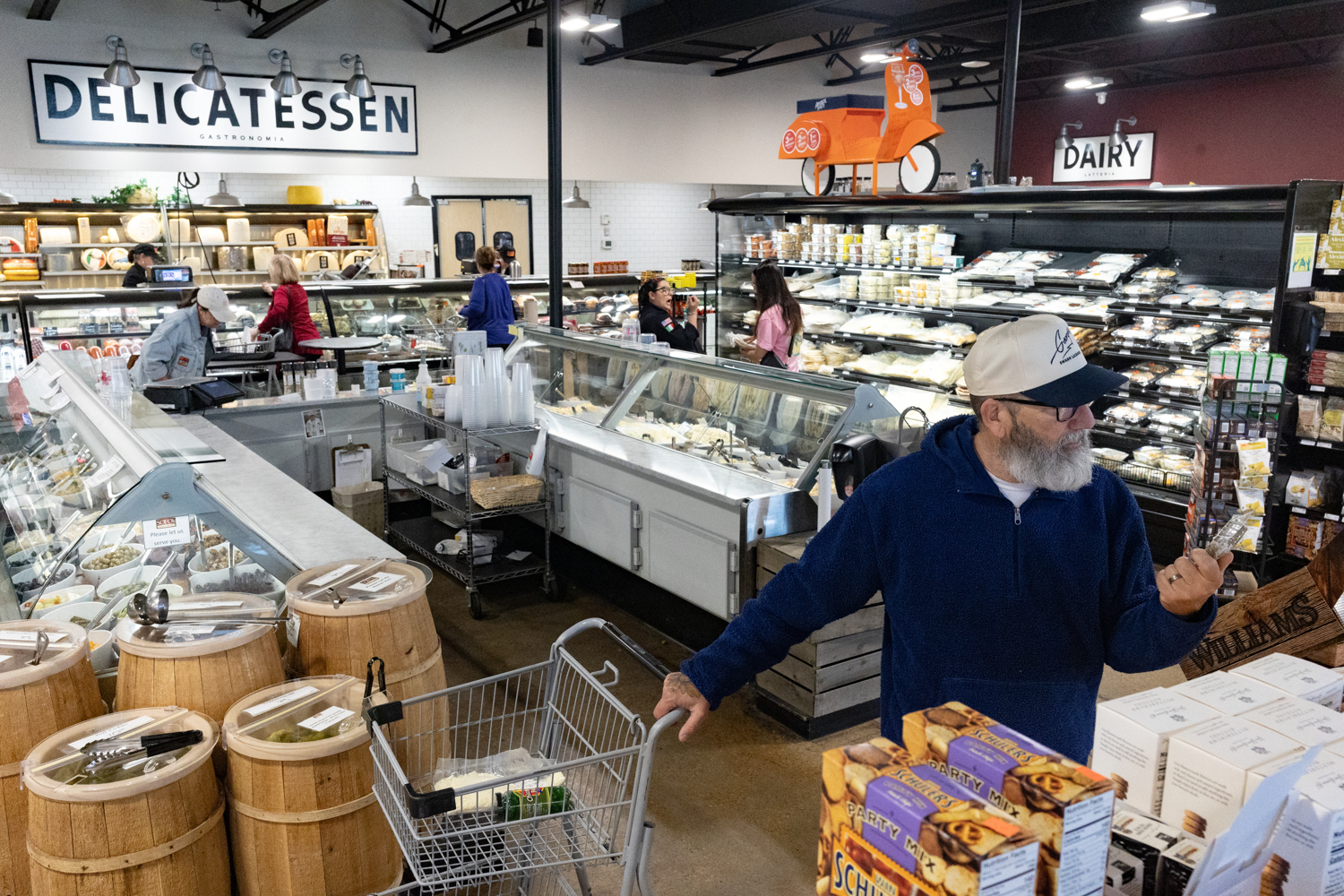
TOLEDO – Corporate consumer landscapes dominate most of the United States, whether it’s coffee, groceries or restaurants. Shoppers can expect, for the most part, the same selection and the same interactions at stores across the board. But there’s one Toledo business with four generations of experience delivering authentic products with a vintage approach.
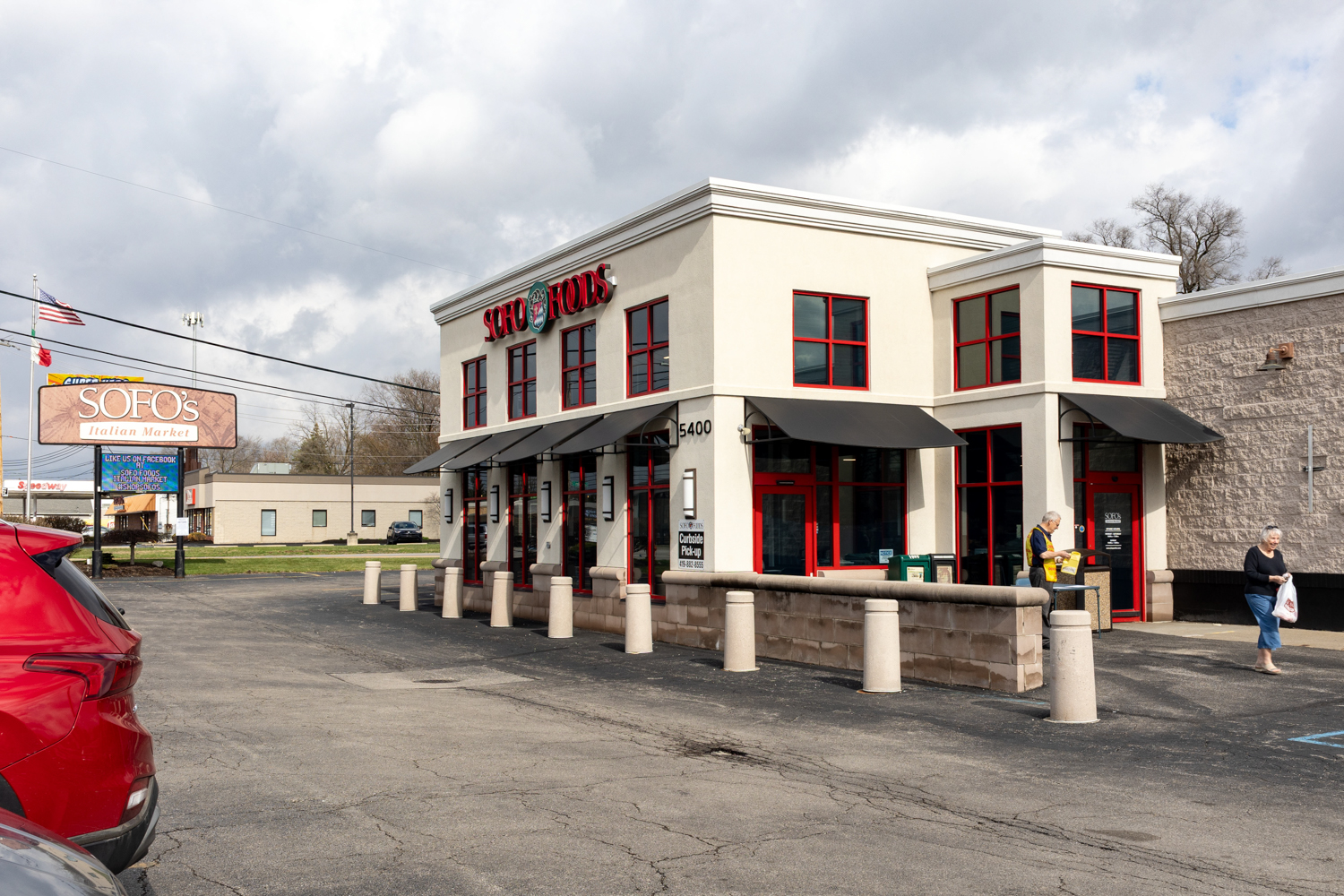
Brian O’Shea, of the Knights of Columbus, asks for donations for individuals with disabilities outside SOFO Foods, as Alice Taylor leaves the store. (TFP photo by Stephen Zenner)
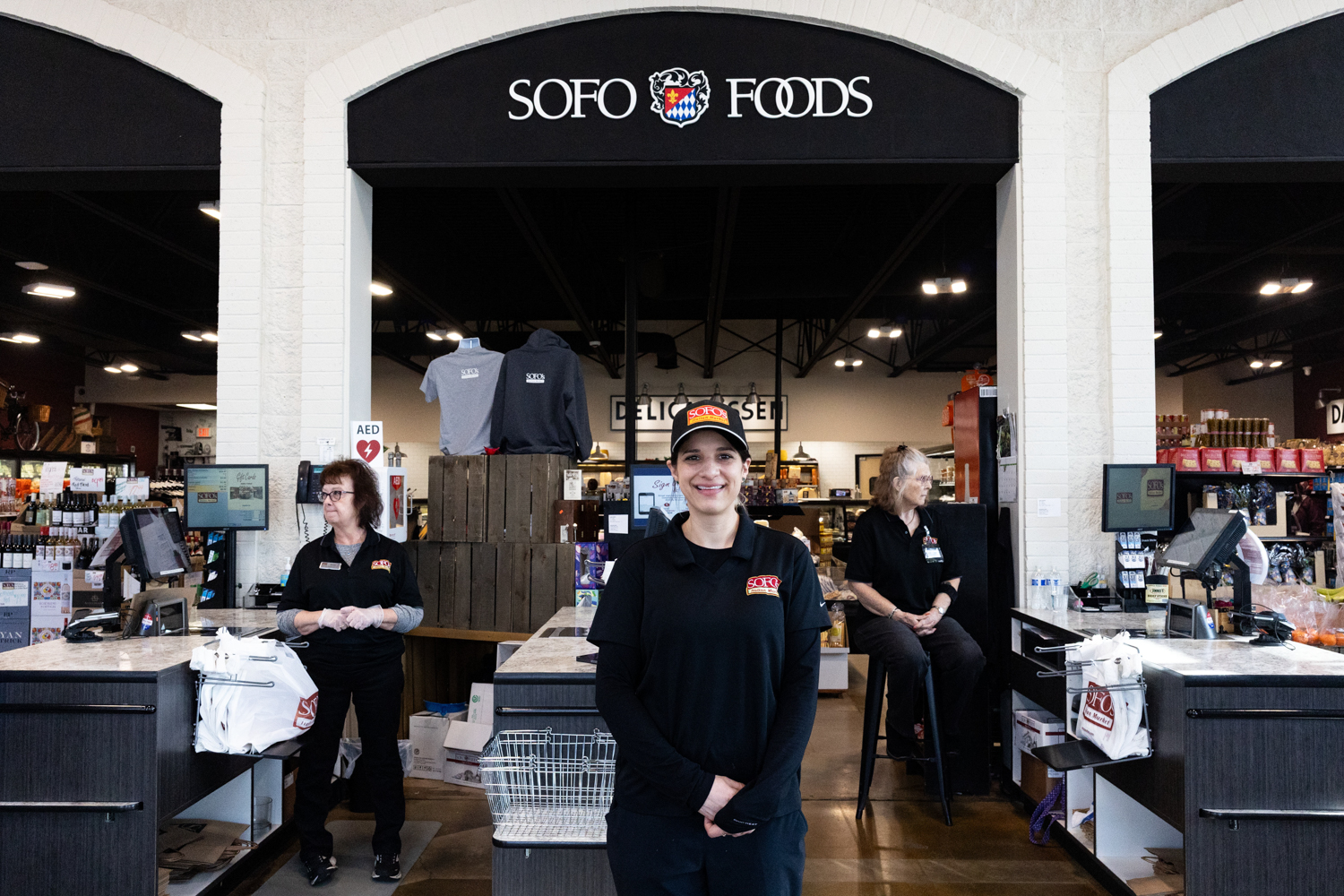
SOFO Italian Market at 5400 Monroe Street, is the great-grandchild of Antonio Sofo, an Italian immigrant who saw an opportunity back in 1920s Toledo to supply the Italian community here with authentic food from Italy.
Since then, the business has expanded with three distribution centers, one in Ohio, another in Georgia and another in Texas, but headquartered here in Toledo, which hosts their only retail location.
“I am a native Italian,” said Tony Cardone, 64, of Petersburg, Mich., who often makes the 20-minute drive to continue the tradition of Italian cooking in the United States. “I was born there [Italy], grew up there and still have a lot of that tradition.”
“Going to the market everyday,” is part of the Italian tradition, he said, adding that, “your food is your local food,” but also that it’s becoming more difficult in America to get fresh food here.
That’s why Cardone is willing to make the 20-minute trip to get fresh meat, cheese and the Sicilian olives at SOFO.
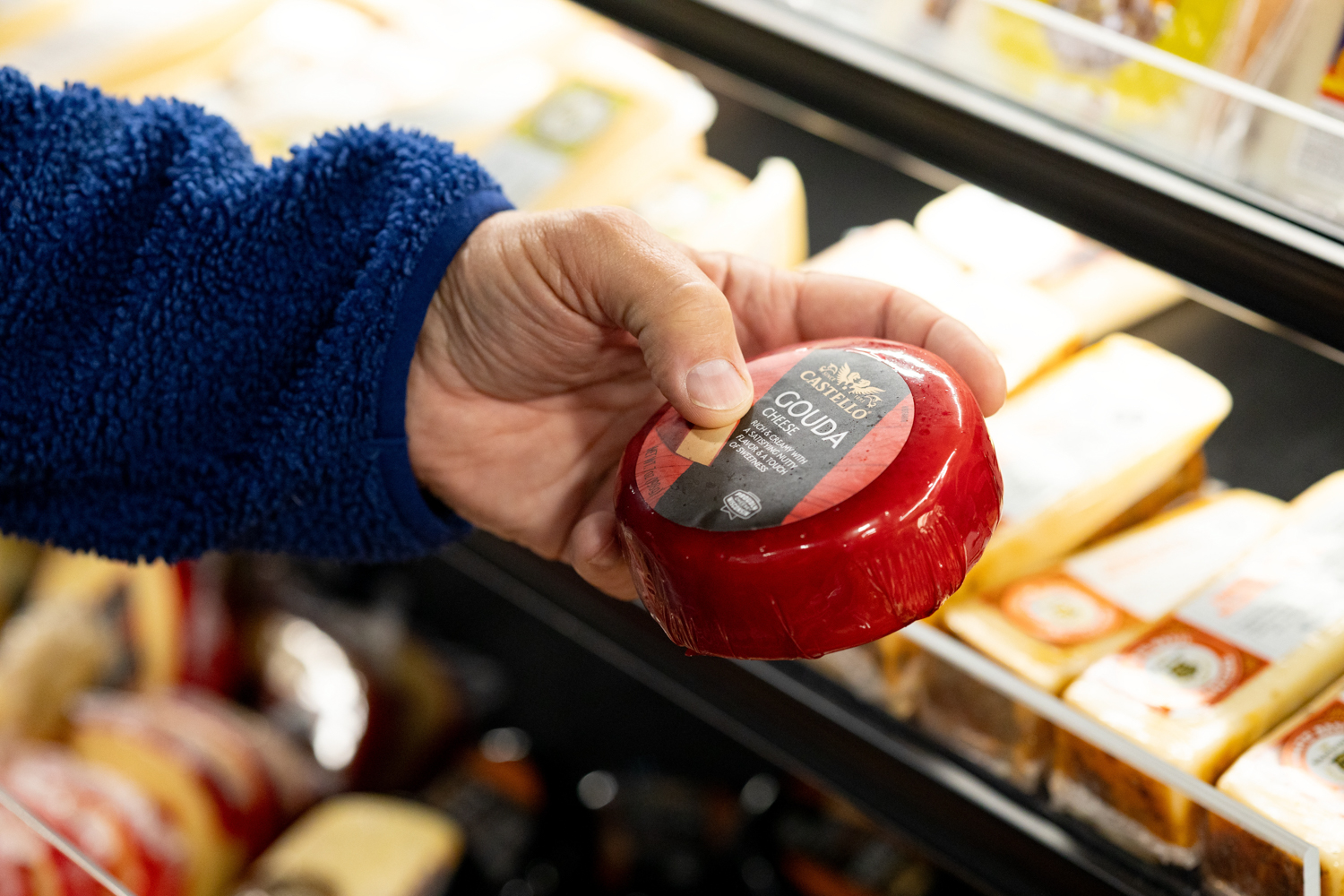
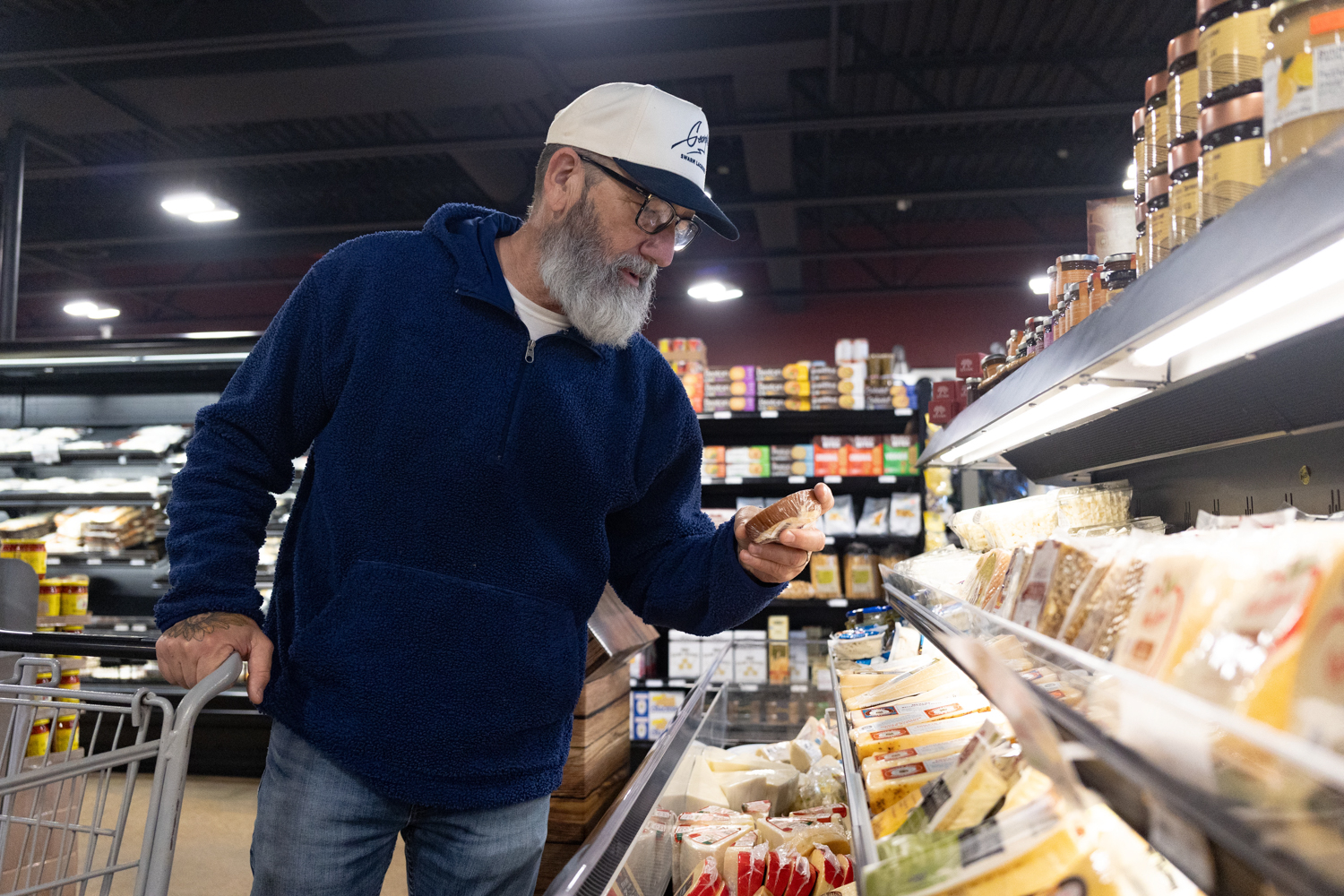
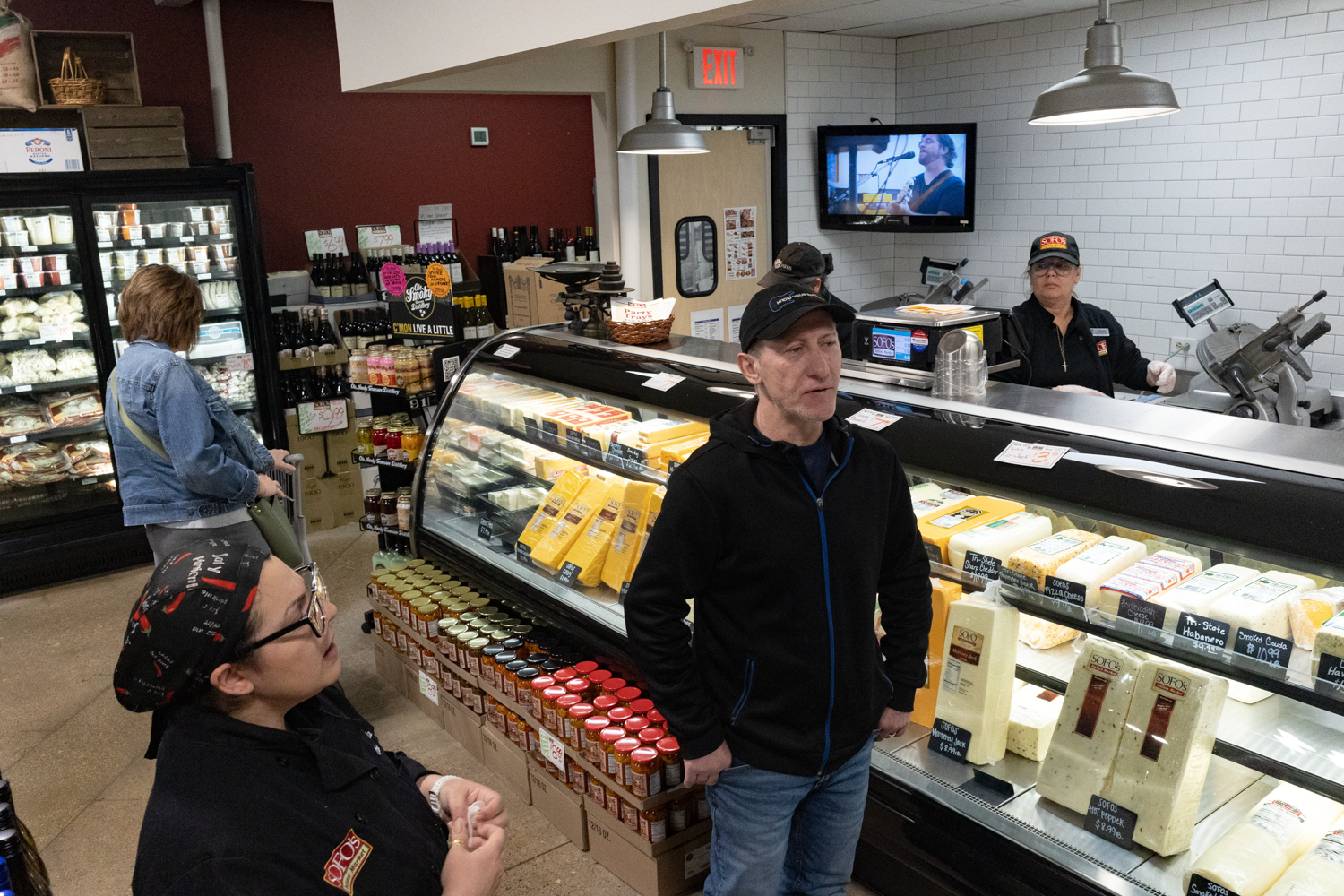
Carl Lewandowski, 64, Tecumseh, Mich., inspects Gouda cheeses at SOFO Italian Market. Lewandowski makes the drive down to SOFO multiple times a year. (TFP photo by Stephen Zenner)
Here customers have grown to expect high-quality imported Italian foods that aren’t as readily available in other grocery stores.
“This place is awesome,” said Carl Lewandowski, 64, Tecumseh, Mich., as he inspected various pieces of smoked Gouda cheese. “It may be a little pricey, but you pay for what you get.”
Seven years ago, Lewandowski was told about SOFO’s prosciutto, about which he said, “Damn, that stuff is good,” after trying it. Now the Lewandoskis make a point to grab any number of items, notably the bread and pizza.
“100% Italian means clean flour, no chemicals,” bragged Marcella Di Maria, a native Italian on staff with SOFO Foods, serving as their chef.
Di Maria’s job is wide ranging, but one of things she specializes in is sharing authentic Italian recipes for customers to recreate at home.
“I try always to make simple recipes to show people [that] with good ingredients you can make a great meal,” she said.
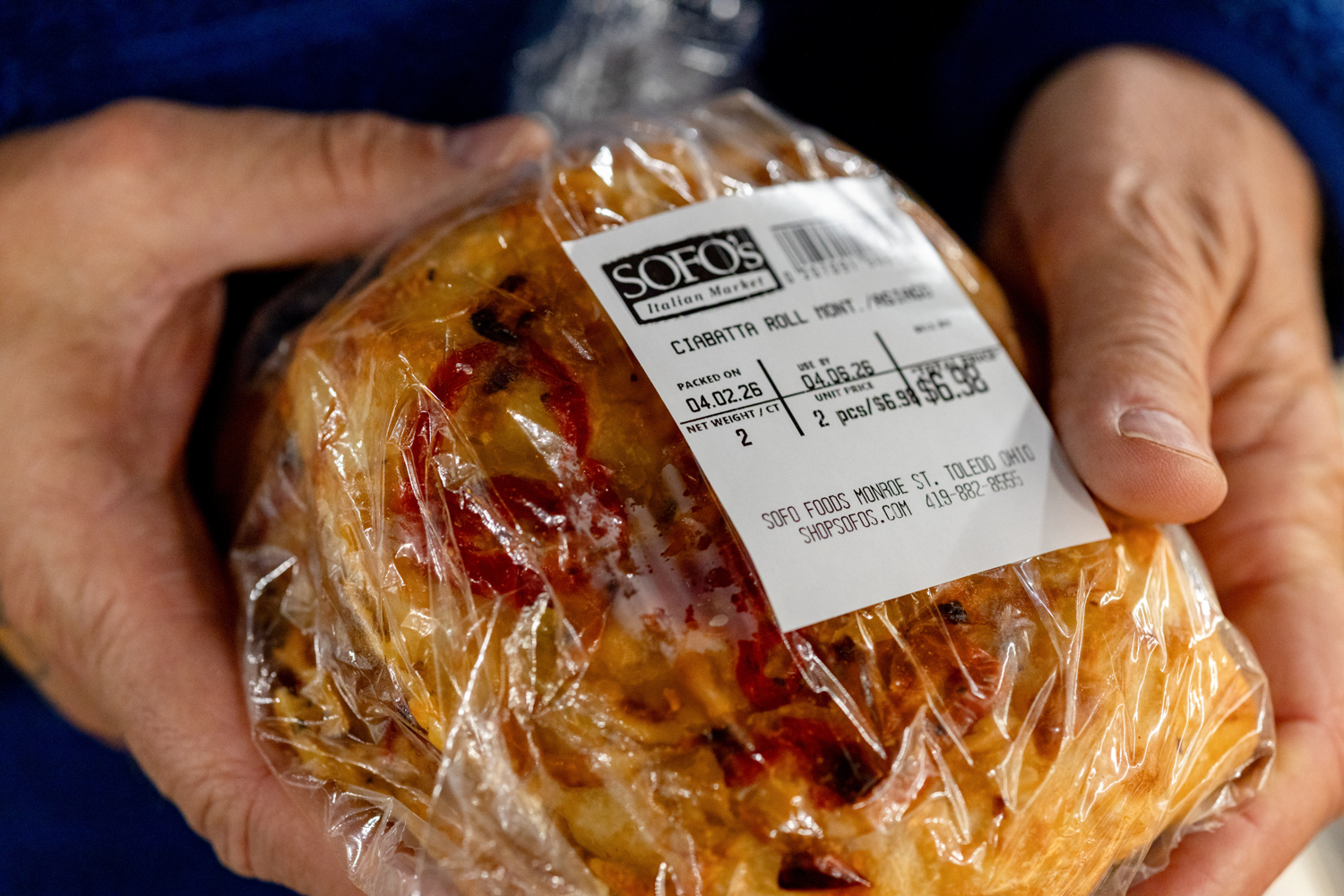
Carl Lewandowski holds a ciabatta bread roll at SOFO Italian Market. (TFP photo by Stephen Zenner)
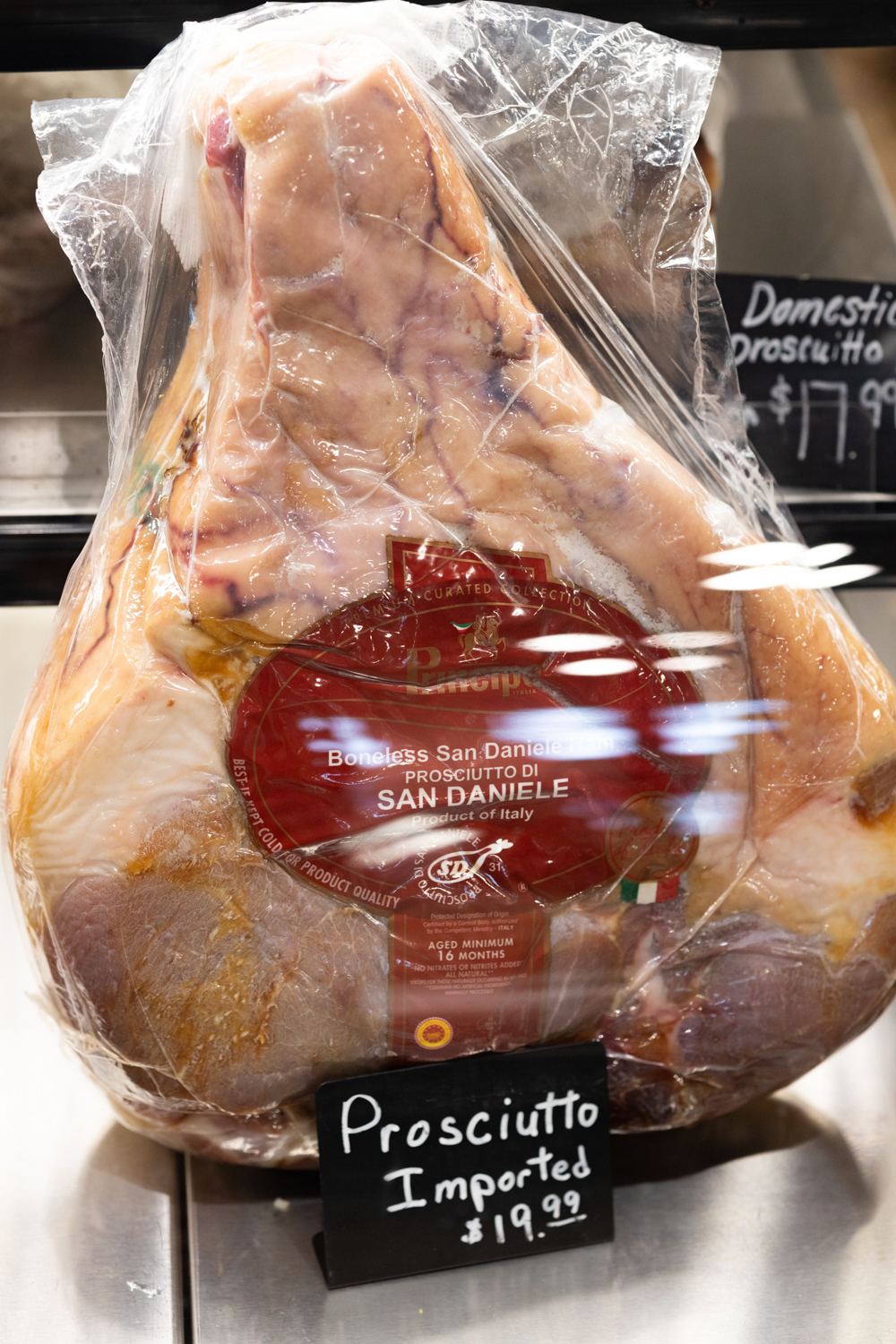
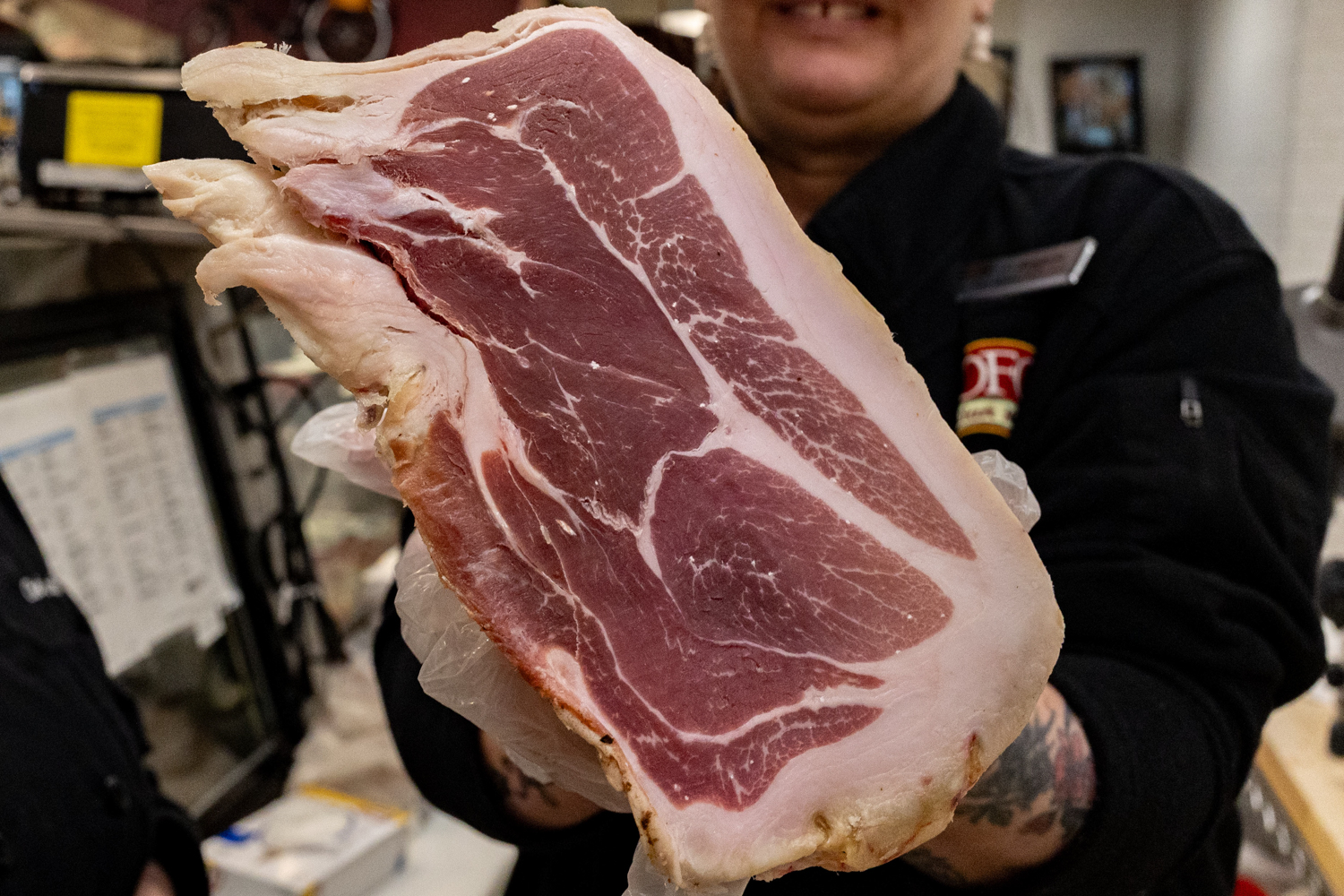
When Lewandowski heard about good prosciutto, he heard right according to Di Maria, who took special attention to pointing out the Italian brand name San Daniele prosciutto they had on hand.
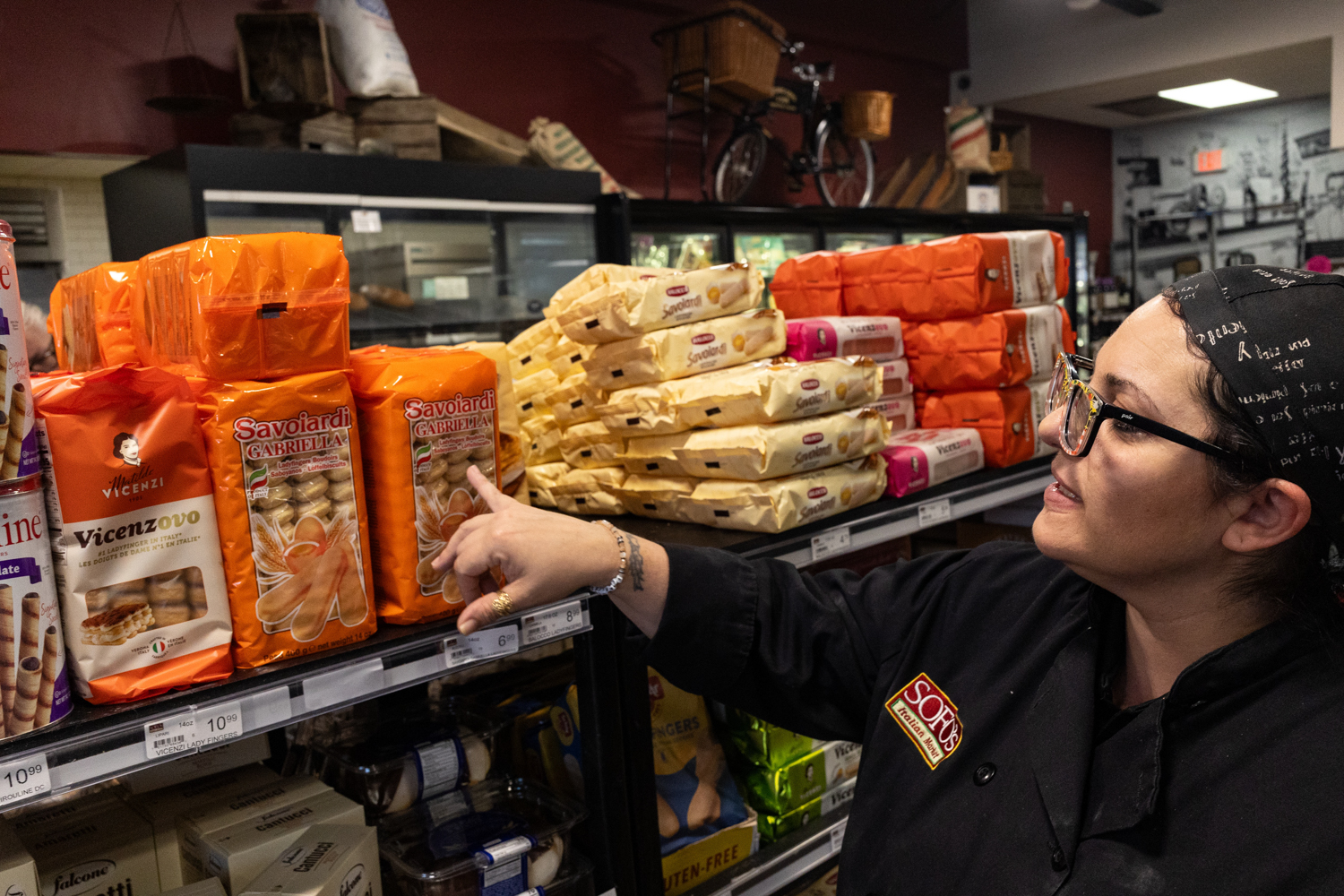
“San Daniele is one of the best brands of prosciutto in Italy,” she said. Other items she wanted customers to know about included fresh mozzarella balls, gelato, and Sicilian-style bread crumbs. A Sicilian herself, Di Maria hails from the eastern side of the island, the city of Catania, and takes pride in the food she provides at SOFO’s Italian Market.
Joe Sofo Sr. originally opened the retail location at 5400 Monroe Street back in 1985, but most of SOFO is dominated by wholesale distribution. To this day, SOFO operates their warehouse on Waggoner Boulevard, and is headquartered at 4444 Bennett Road in Toledo.
Fresh mozzarella balls.
Brittany Cherry, assistant manager at SOFO Italian Market.
San Daniele Prosciutto imported from Italy. The in-house Chef Marcella Di Maria, originally of Catania, Sicily, spoke well of the Italian brand name San Daniele.
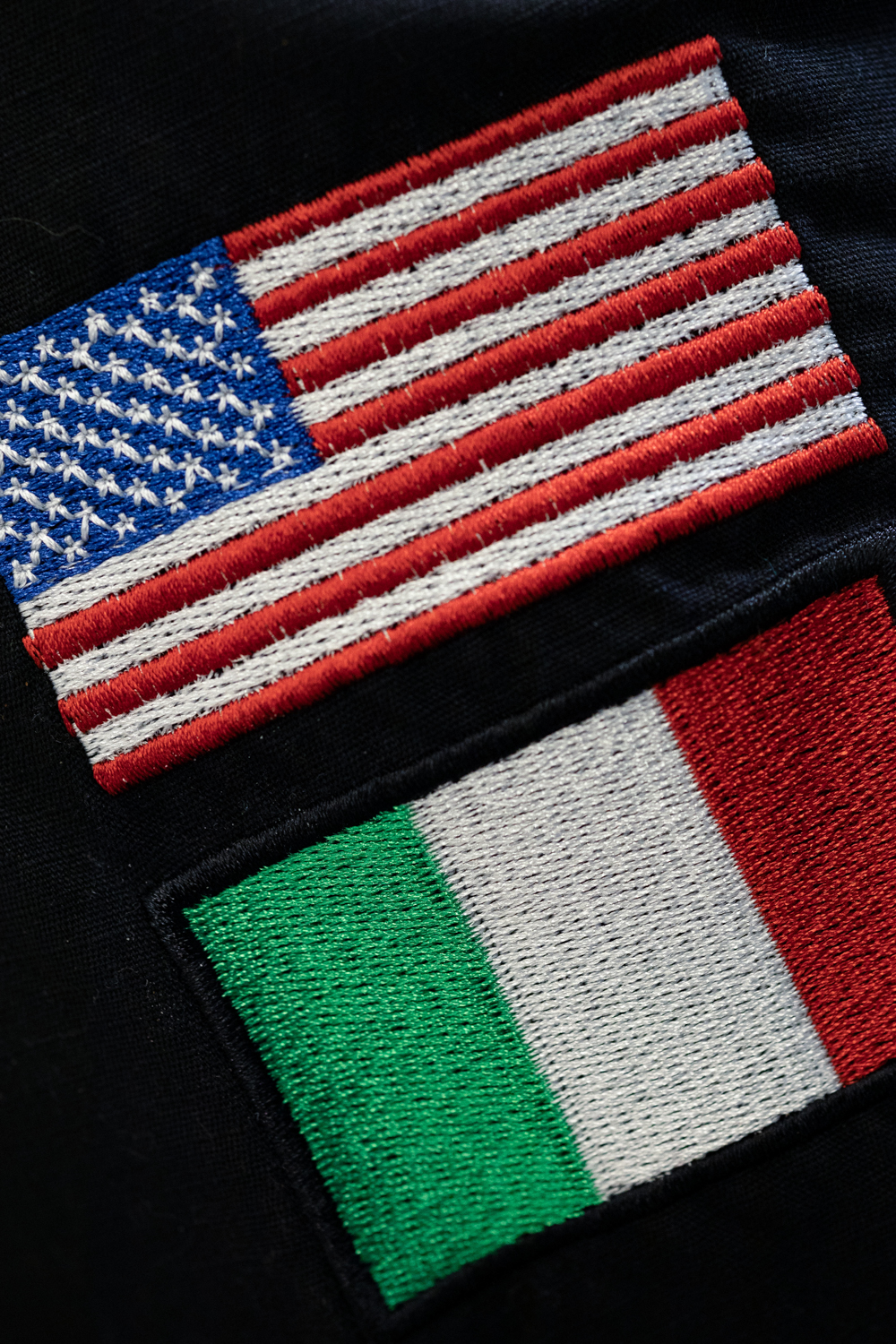
The American flag next to the Italian flag on the uniform of Marcella Di Maria, the chef at SOFO Foods.
Carl Lewandowski inspects Gouda cheeses at SOFO Italian Market.
20260403 SOFO 10030
Marcella Di Maria, a native Italian and chef for SOFO Foods, speaks Italian with customer Tony Cardone, 64, Petersburg, Mich., a native Italian who comes to SOFO Italian Market to get authentic ingredients like back in Italy.
Marcella Di Maria, a chef and native Italian, shows off some of the Italian pasta at SOFO Italian Market.
Angela Hughes, the delil clerk at SOFO Foods, holds up the large San Daniele prosciutto.
Cappuccino made by Marcello Di Maria at SOFO Italian Market.