






TOLEDO – Following a fierce public hearing on Monday, Toledo City Council voted on Tuesday, June 23 to continue funding Flock Group, Inc.’s portable Automated License Plate Reader (ALPR) and Real Time Crime Center (RTCC).
O-286-26 was passed with a two-thirds majority, but a few dissenters.
The $14,000 ask from the Toledo Police Department (TPD) to TCC was initially rejected during a meeting back on June 9, and prompted more public comment during Monday’s Public Safety & Criminal Justice Reform Committee.
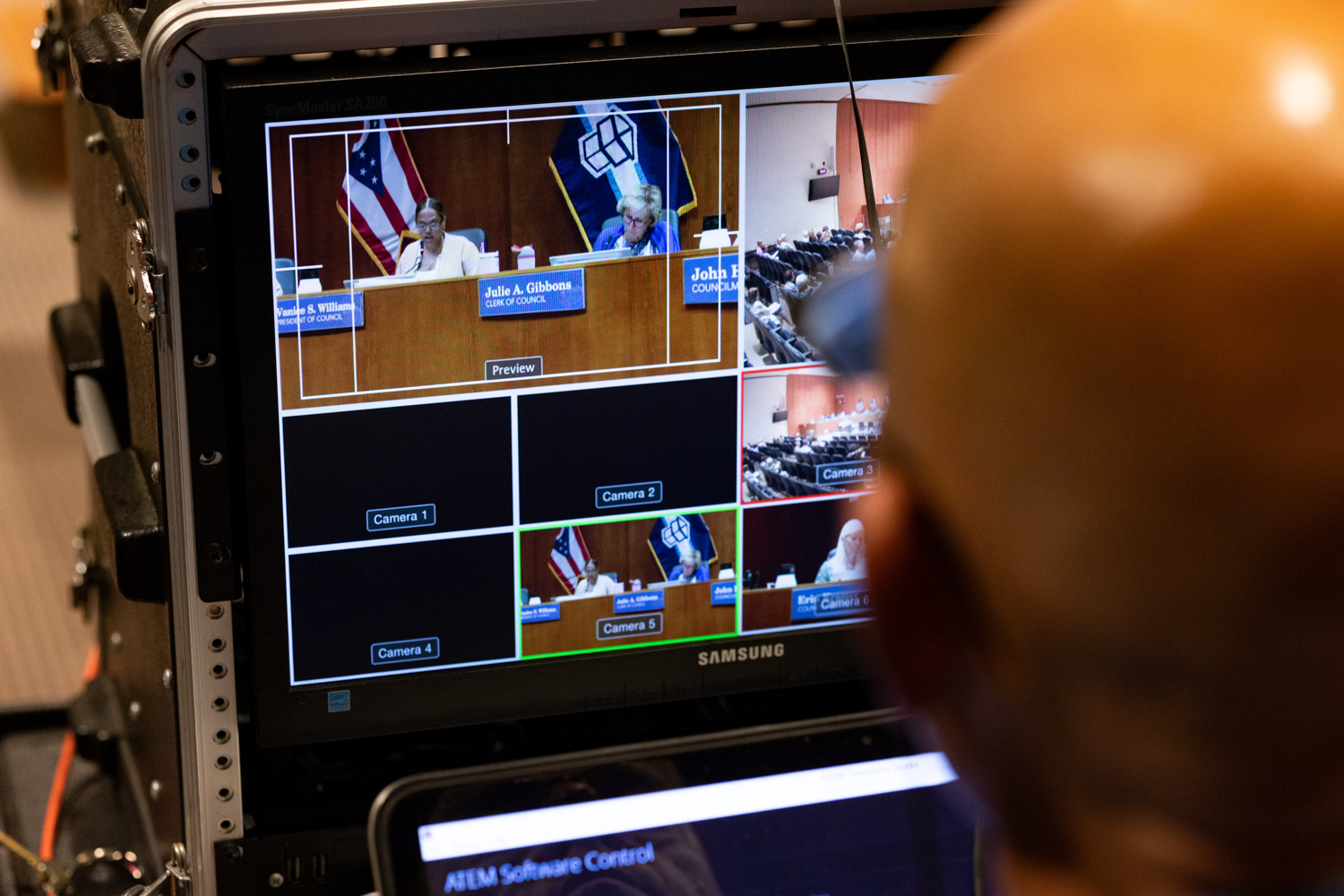
Four dissenters, Nick Komives (At-Large), Brittany Jones (At-Large), Theresa Gadus (District 3) and Erin Kramer (At-Large) stopped the initial ordinance, O-240-26, which needed a two-year renewal for the portable ALPR RTCC.
On Tuesday, the two-thirds majority was more attainable with a full Council present to pass another year renewed for the portable system, a part of the larger Flock Group, Inc. funding that the City of Toledo provides.
Adam Martinez (District 2) and Cerssandra McPherson (At-Large), who were absent on June 9, provided the “Yeas” necessary to pass the legislation, as all four continued their opposition to this particular Flock legislation.
Representative comment
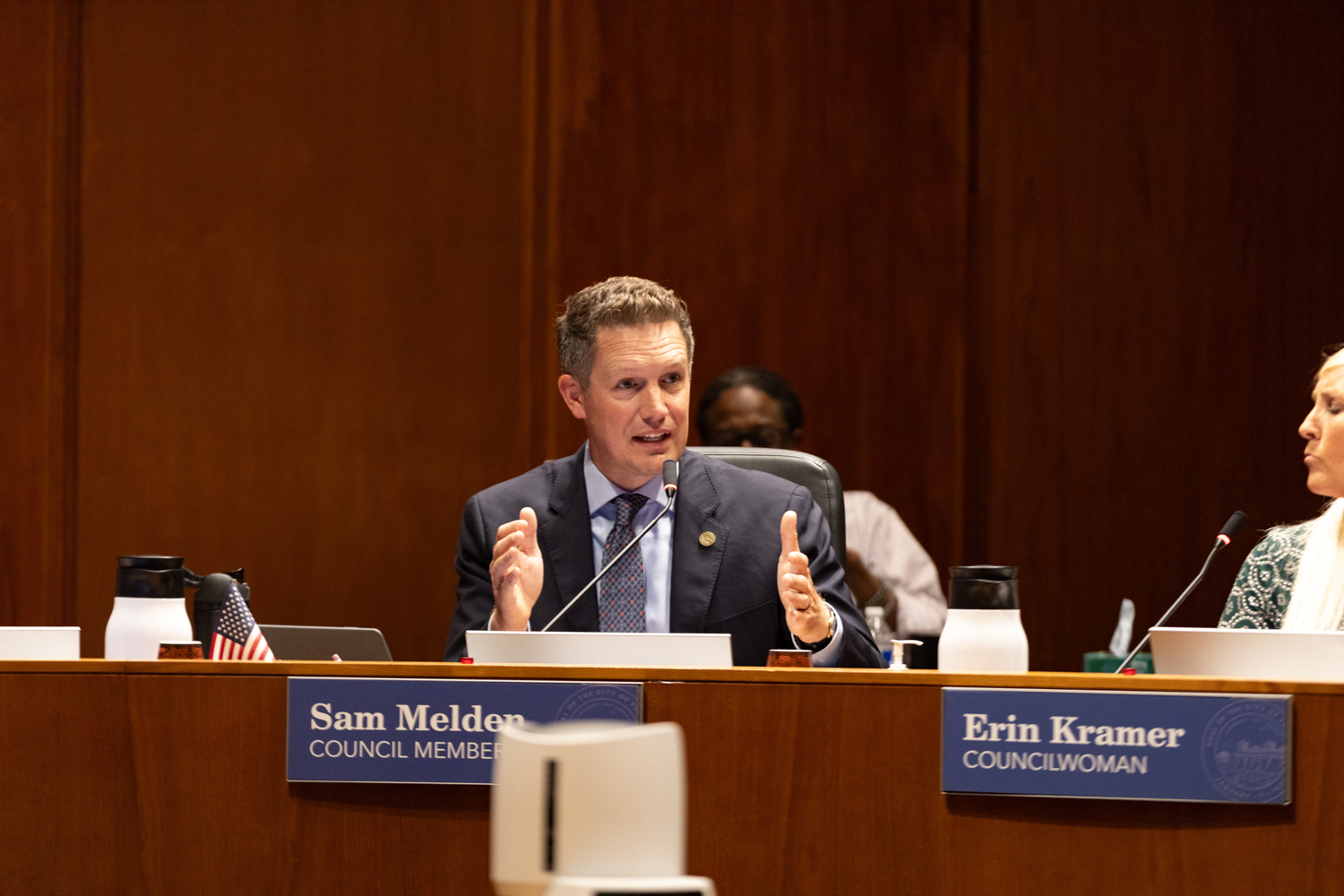
Before the vote, Sam Melden (District 5) said he would support the ordinance, although he said there were two issues he wanted to address.
“How do we resource police officers with the most tools to do their job?” he asked, and secondly, “How do we govern data that is public citizens’ information, our residents’ information, when it’s potentially used by private companies we do business?”
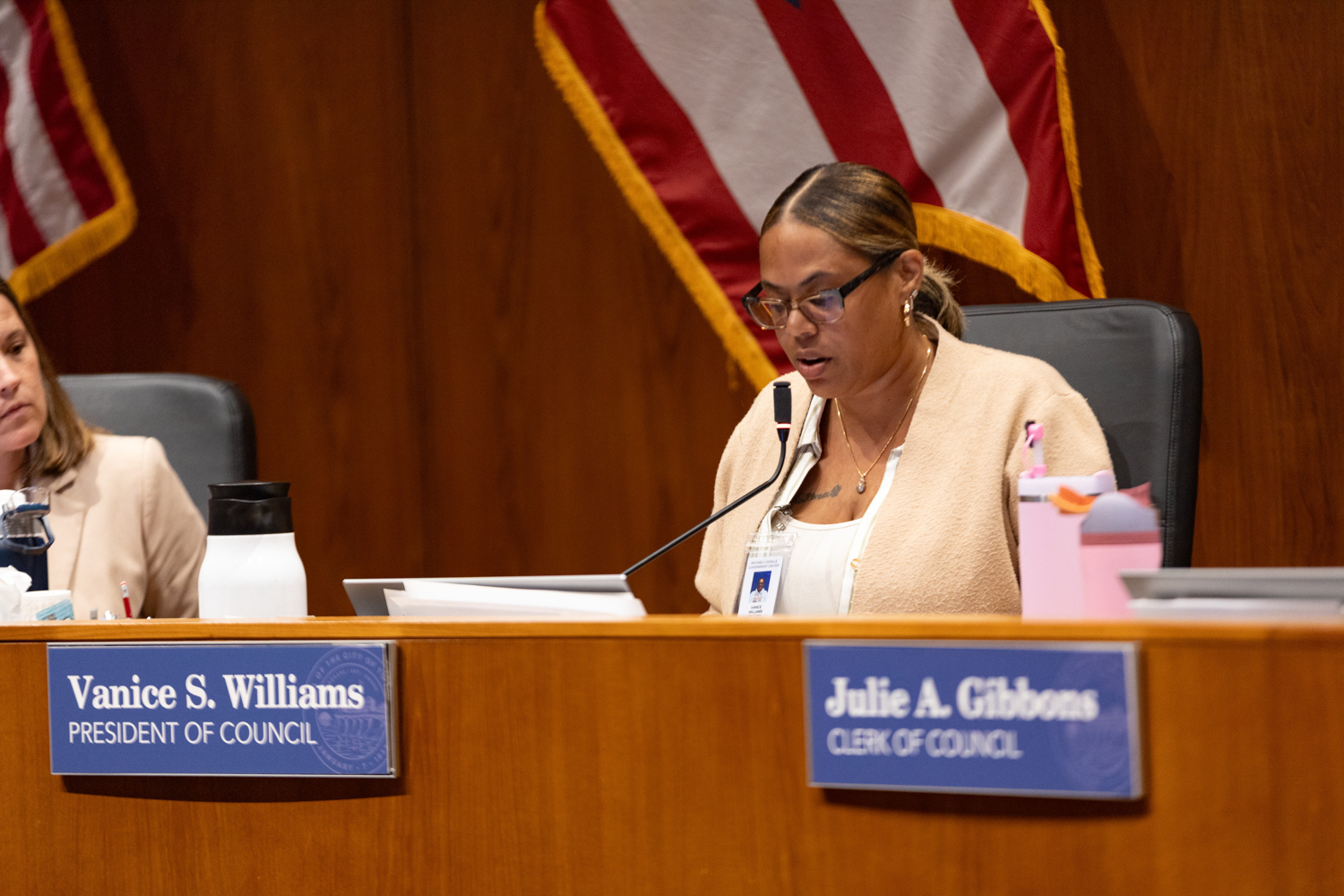
President of Council, Vanice Williams (District 4) said she was thankful for the public comment the day before, and that she was thankful for TPD putting away criminals.
“I’m very supportive of Flock,” Williams said. “We’ve had it for 20 years, and a comment was made, like, if you’re against Flock, throw your cell phone away. Right?” because cell phones can track and surveil individuals.
To clarify, Toledo has actually had license plate readers for decades, and most of those were mounted on cars, not positioned for surveillance. Toledo has only had a contract with the ALPR Flock system since 2022, and the technological jump between the old and new systems are vast. The differences are outlined in previous reporting by the Toledo Free Press.
Also in previous reporting, the accessibility of cell phone data, including positioning data, by the government was ruled to be a search, and required a signed warrant by a judge in the United States Supreme Court case Carpenter v. United States.
“I am all about giving police what they need to do to do good work,” Williams said.
Kramer said she supported TPD, but she also said she wanted to support residents.
“I worry about our state government, and I worry about our federal government,” Kramer said. “I have very real concerns about where this data goes, how we use this data.”
But ultimately Kramer said that she did not have reservations about TPD.
Martinez said he agreed with Melden, and wanted to give the police all the tools they needed. At the same time, Martinez suggested that the data from Flock could be audited on a regular basis.
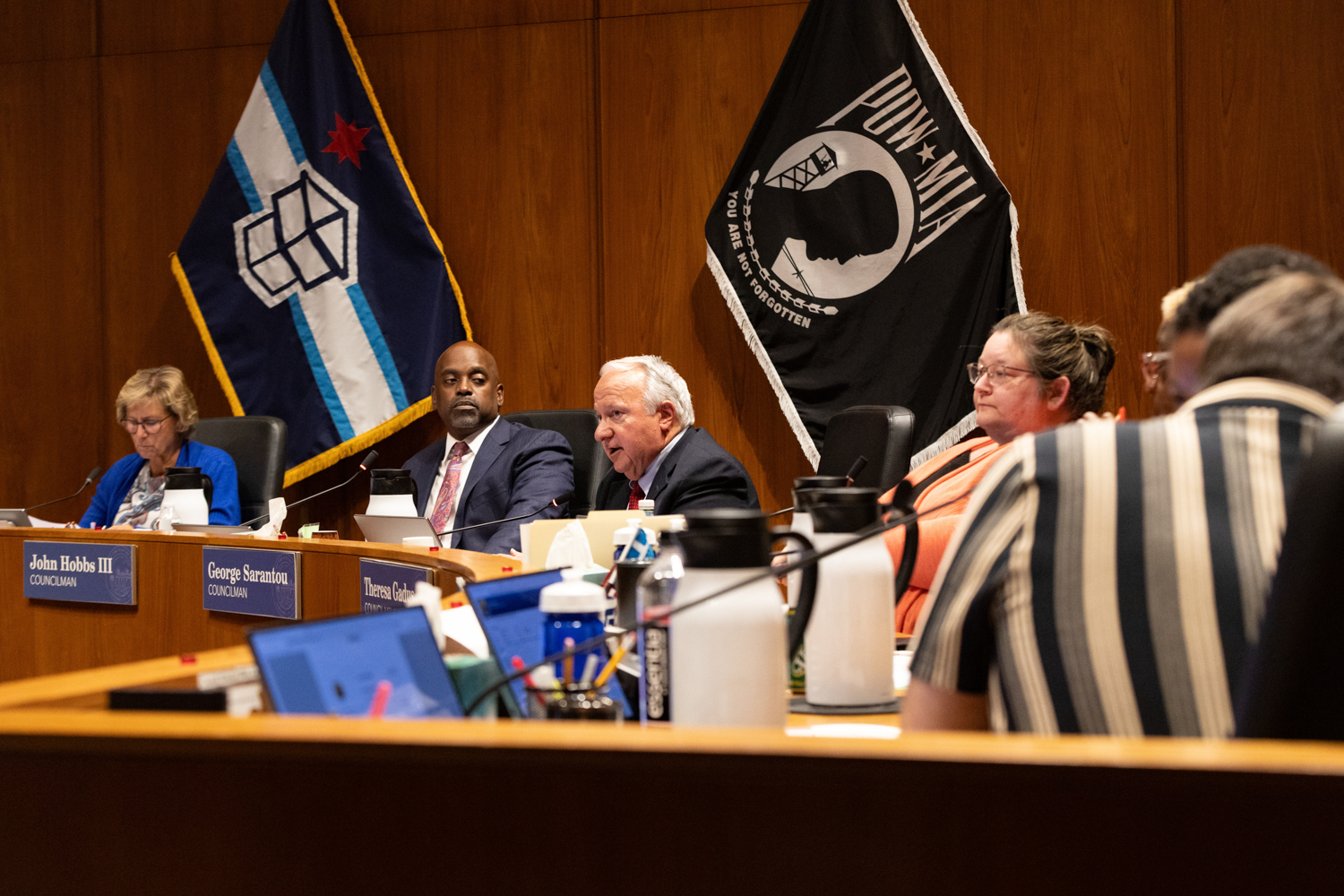
George Sarantou (At-Large) was confident from the discourse he had with Assistant Police Chief Kevin Braun during the committee meeting, that the Flock data was controlled end-to-end by TPD, and so he did not have reservations on the safety of the data in question.
As reported during the committee meeting, the way the Flock Operating System (OS) works is unclear at present. Previously, open-sharing relationships through Flock have led to breaches in security, and allowing third party departments and agencies to have access to Flock data.
Generally, this information comes out after a leak, and since the representative from Flock said they had changed how sharing works, without access to see how permissions are given, it is unclear how sharing works.
It is true that local police departments choose who they share data with, but it is unclear if open sharing between departments is still ongoing. In the past, open sharing Flock data relationships between departments and agencies meant that if access was given to one department, the same access could be transferred without the specific municipality giving specific access.
This was the case previously, when Loveland, Colo. gave access to their Flock system to Border Patrol, and Border Patrol was then able to access Denver’s Flock cameras through an open sharing agreement they had with Loveland.
At present, it is unknown the extent TPD shares Flock ALPR data with other departments or entities, but the committee meeting made clear that TPD shares data nationally, something University of Toledo Police said they did not do for fear of misuse of the data.
“These cameras have done a lot of good, so I think we need to keep an eye on the situation and monitor very, very closely to make sure that they’re not being abused,” Sarantou said.









 and Real Time Crime Center (RTCC). )