If you get any type of serious illness diagnosis, your world is thrown into turmoil. How sick am I? How will I be treated? Can I afford this treatment? But a terminal diagnosis brings an entirely different level of concern and panic. Who will take care of me? Of my children? How do I take care of things financially now, much less when I’m gone?
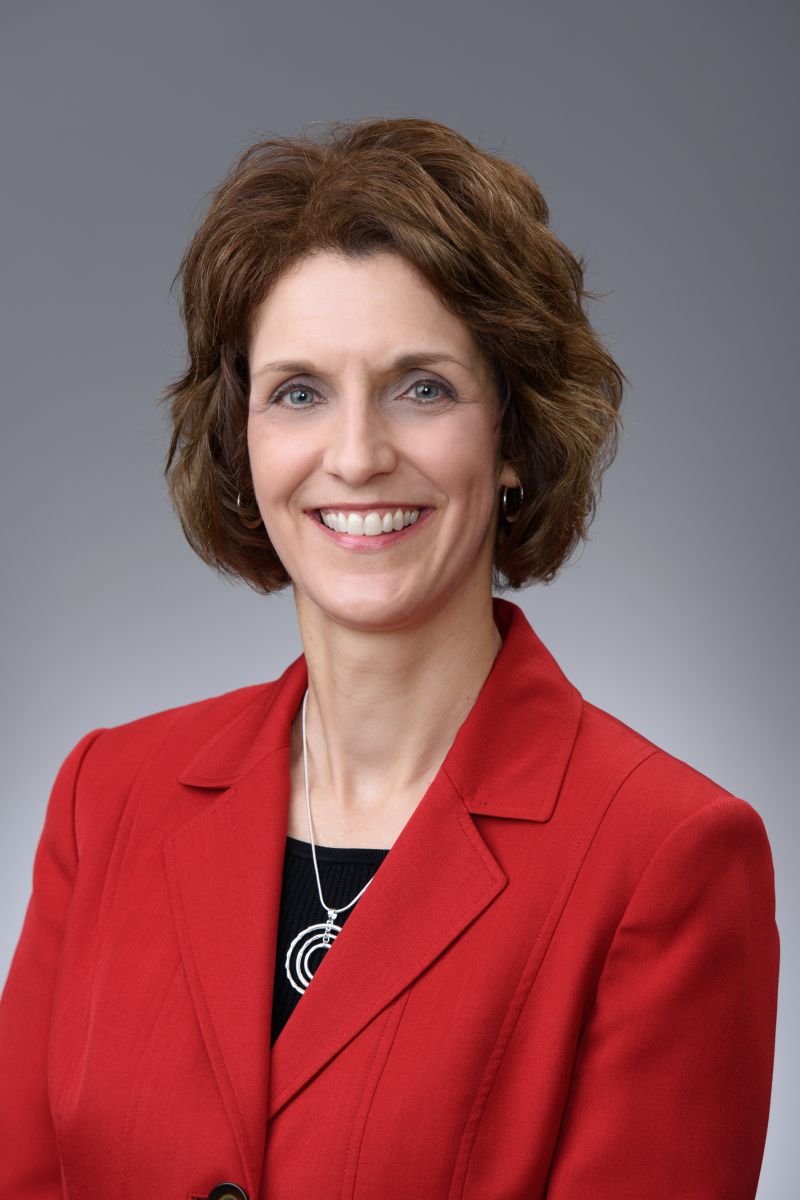
A first step after getting such a diagnosis is to talk to your health care provider directly, and frankly, according to Kathy Valtin, vice president of marketing, communications and strategy with Hospice of Northwest Ohio.
“They can help you explore all the options” for the care you need, now and in the future, she said. Most health care providers can also provide social workers to help patients navigate their options for care.
There are a variety of other providers that can help with supporting patients’ care and financial needs. They include:
- Local churches, which often can recommend services and funding for members.
- Hospice of Northwest Ohio. According to Valtin, it doesn’t turn anyone away for services, and can also provide resources to help with other family issues.
- Medicaid, after meeting the state’s criteria, can be used for medical needs.
- United Way of Greater Toledo and the City of Toledo can help connect patients with services and resources.
- The Area Office on Aging of Northwest Ohio, if the patient qualifies, can provide support.
“It’s important to break up the costs (of palliative care and funeral services), so you’re not trying to take on everything at once,” said Molly DeMaison, manager with the Cremation Society of Toledo. “Do the most pressing at once and then take care of other details later.”

The pandemic illustrated the importance of family and friend connections. “COVID empowered families to celebrate their lives, and to do it on their own,” DeMaison said. The Cremation Society’s basic service is affordable, she said, and families and friends often come together to cover the costs.
But where possible, individuals should create a document – well in advance of any health crisis – to handle any preferences for potential long-term emergencies. The plan can include employers, health care professionals and other contacts who can be called upon for assistance and information. It can designate health care and personal wishes, including an advance directive for medical care decisions, who to contact about caring for children, and other people and organizations that might be available to help.
These documents can also highlight the type of remembrance preferred and other actions upon death. Even a basic, hand-written document can give family and friends a pathway for getting you the services and assistance you need – as well as piece of mind.
Lisa Meadows, 46, is a single mother in Toledo facing terminal cancer and the inspiration for this article. She is working with AngeLink, an online fundraising service, to raise the funds she’ll need to help cover cremation services, modest clothing for her farewell celebration and “a dignified, peaceful remembrance” that her children shouldn’t have to shoulder financially. AngeLink employs AI-driven campaign setup and optimization, as well as support through the effort, especially for medical, emergency, and memorial causes.
Meadows says she doesn’t “want family to stress about cremation or even clothes for the celebration of life.” Read more about her story at her donation page on AngeLink.