The two bills would restrict property acquisitions by “prohibited persons”
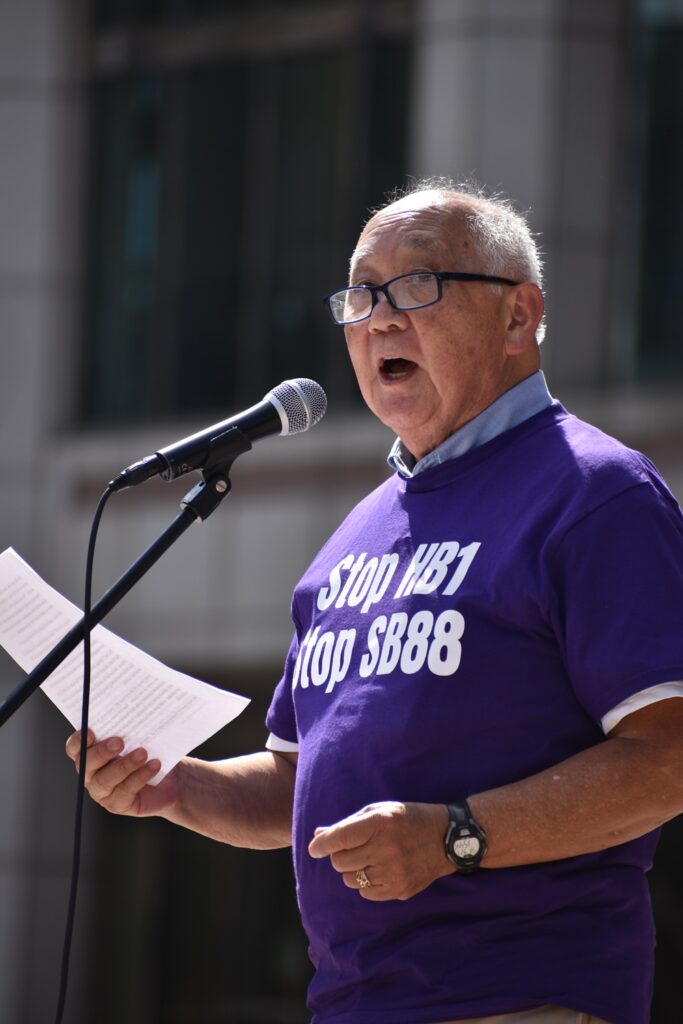
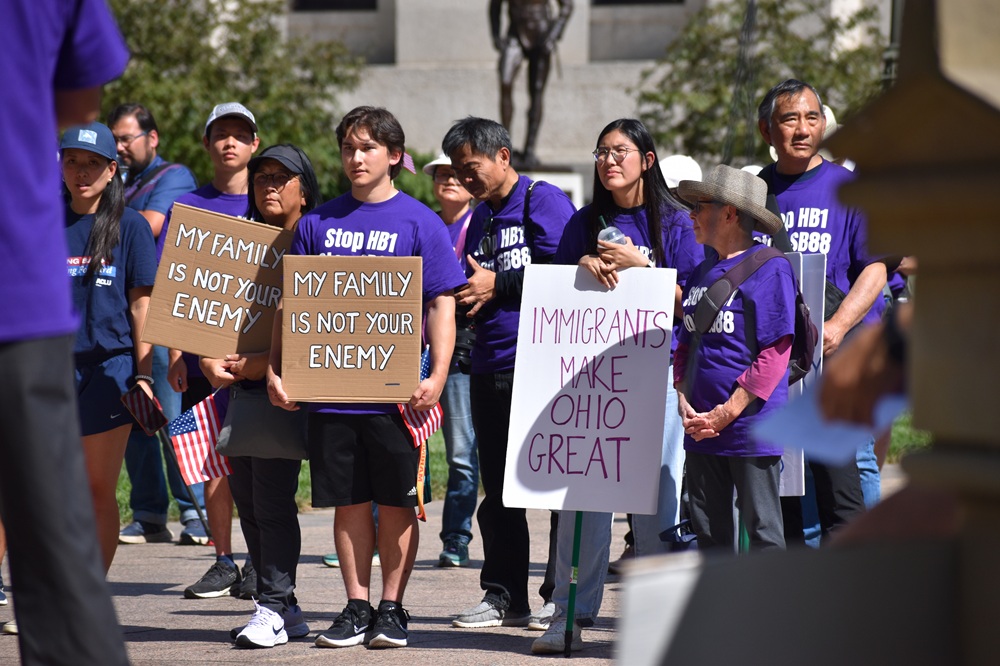
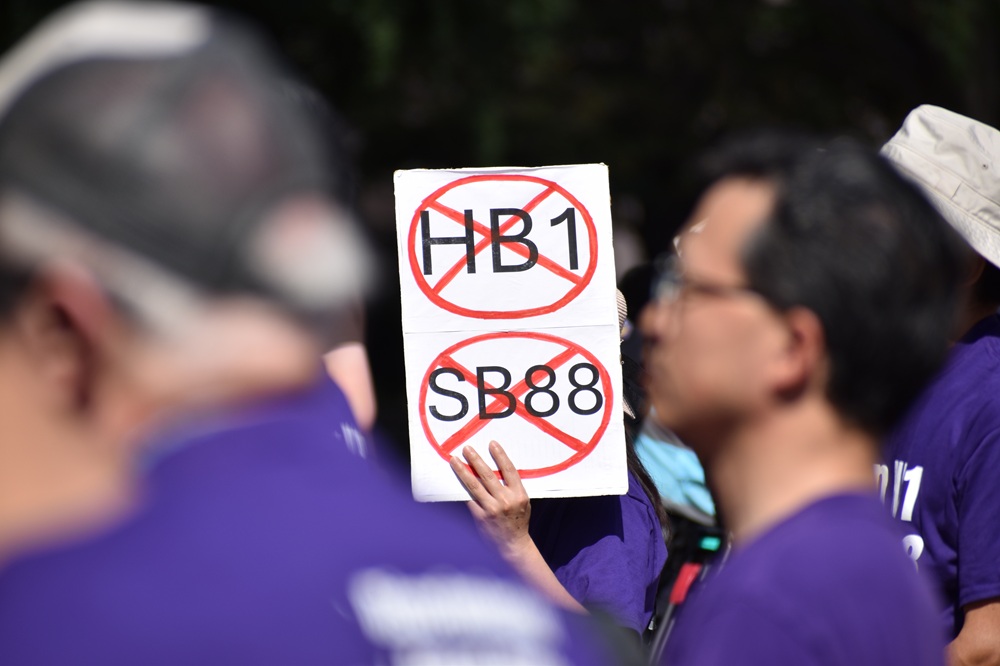
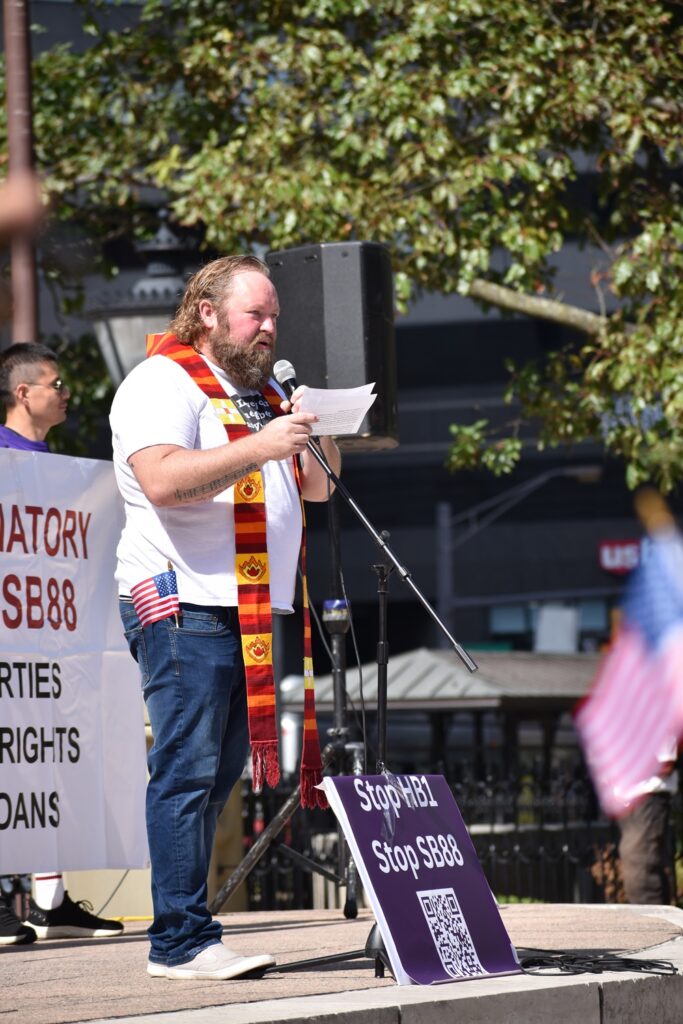
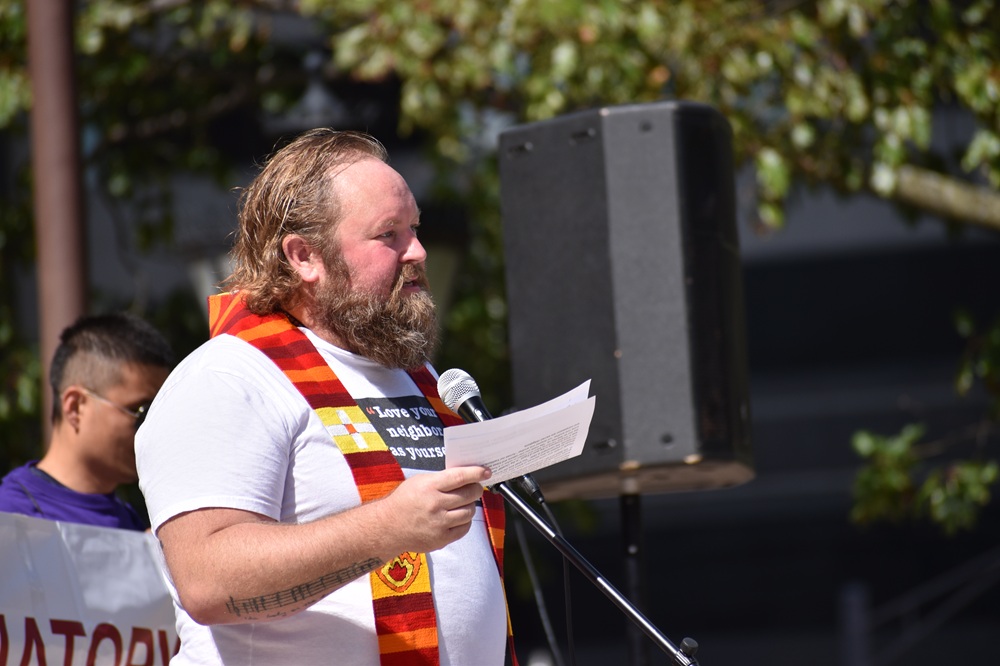
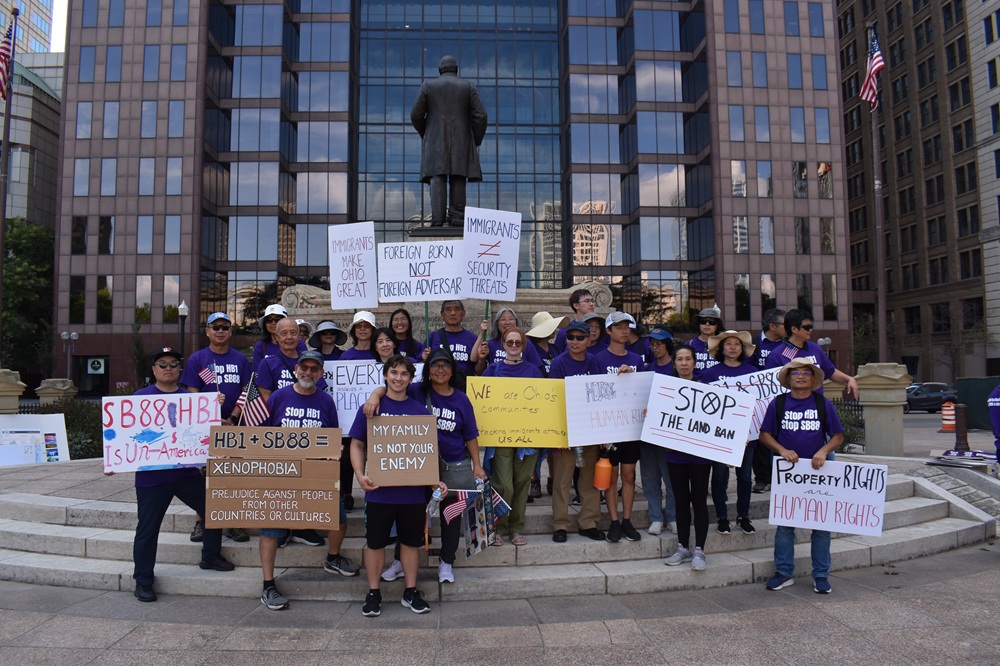
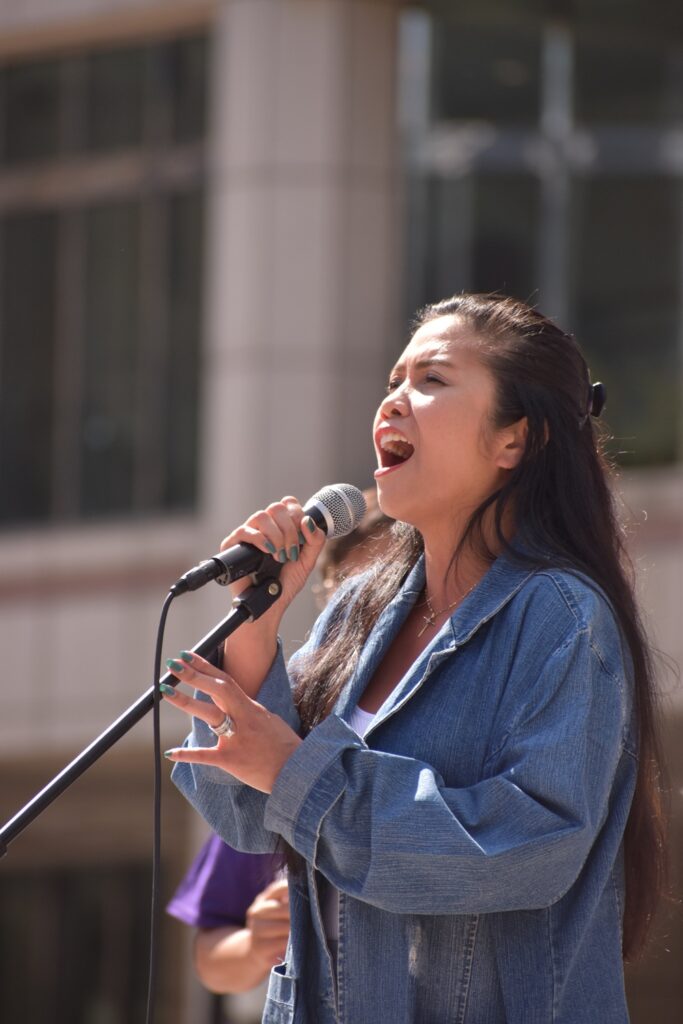
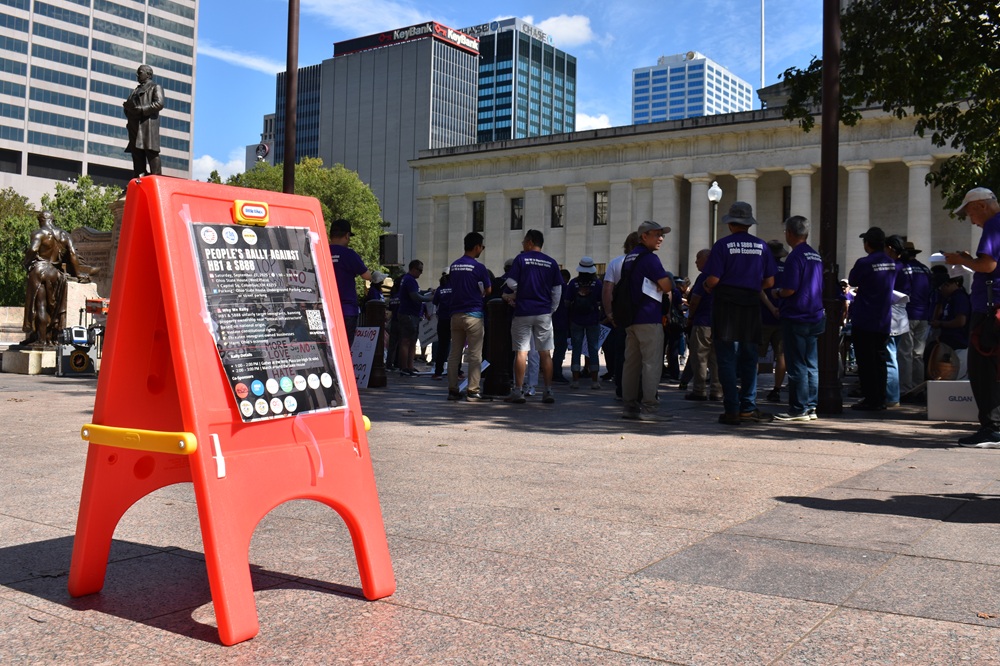
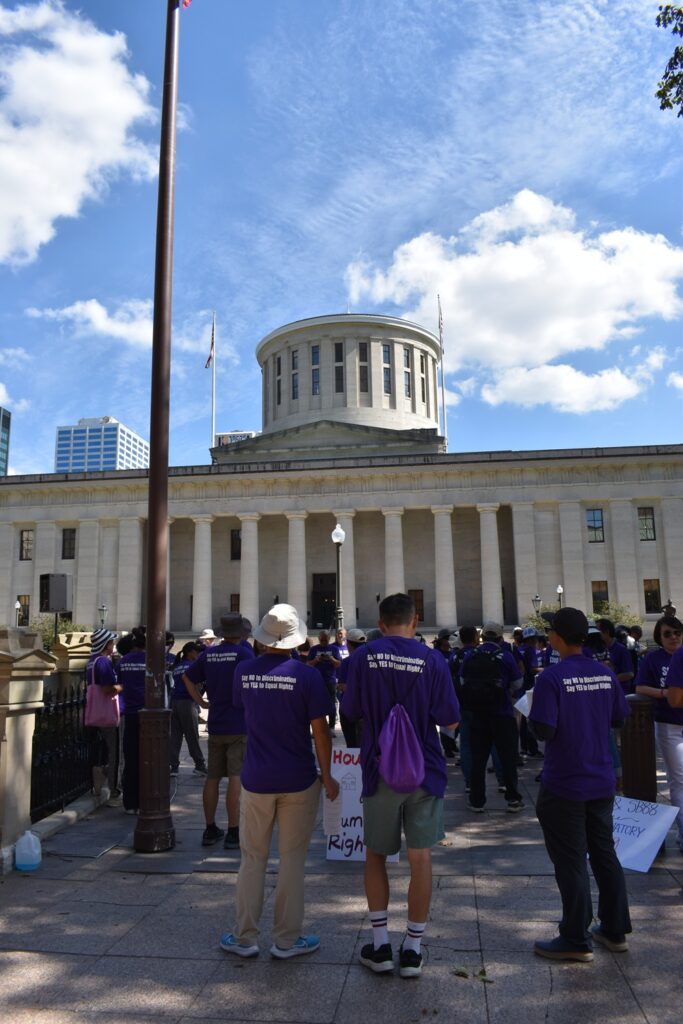
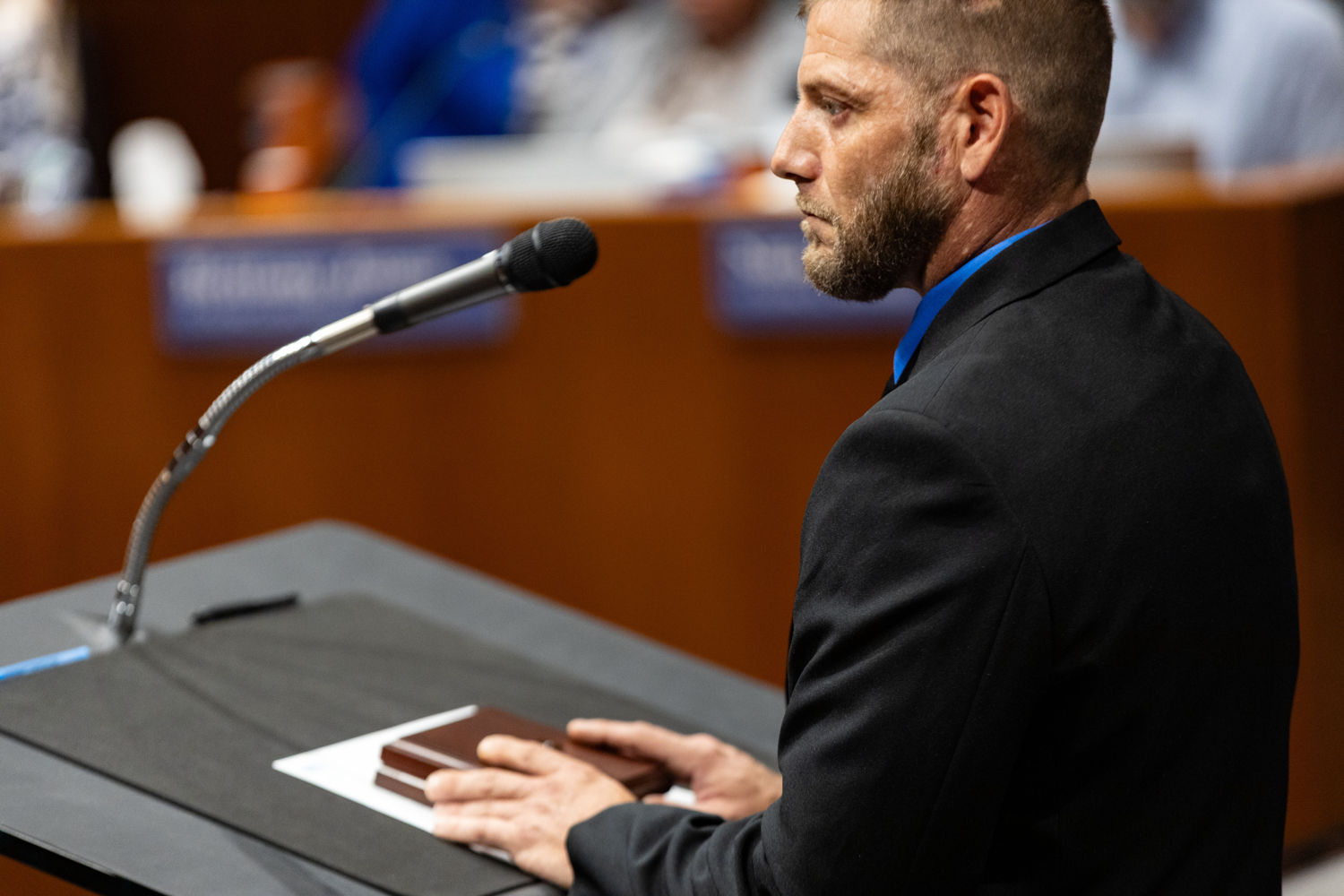
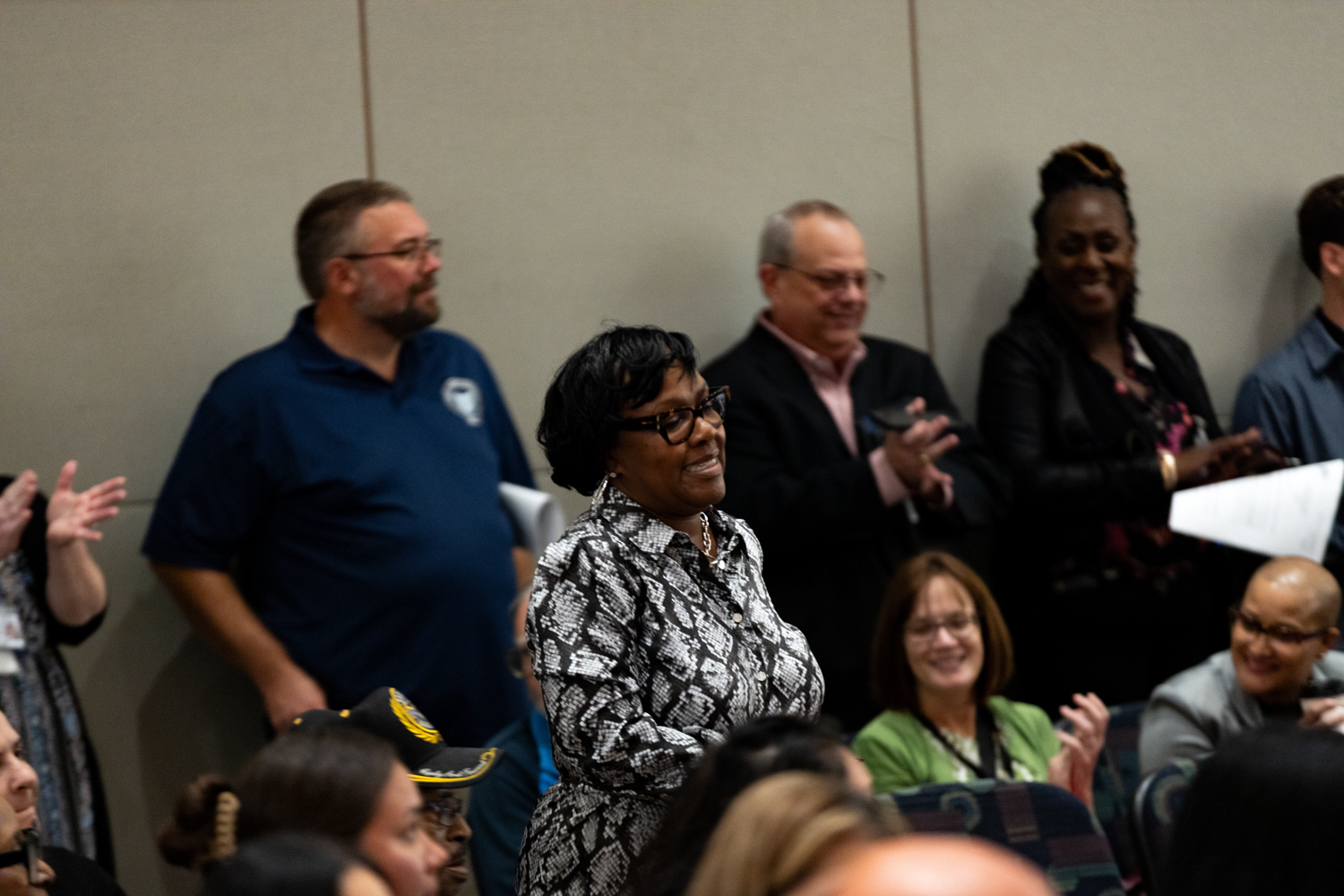
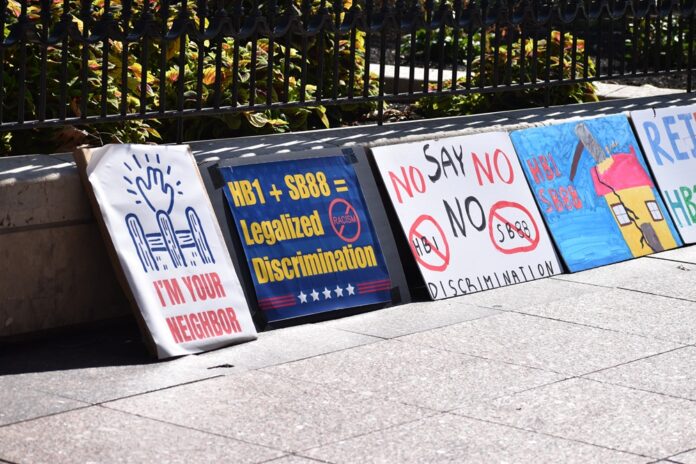
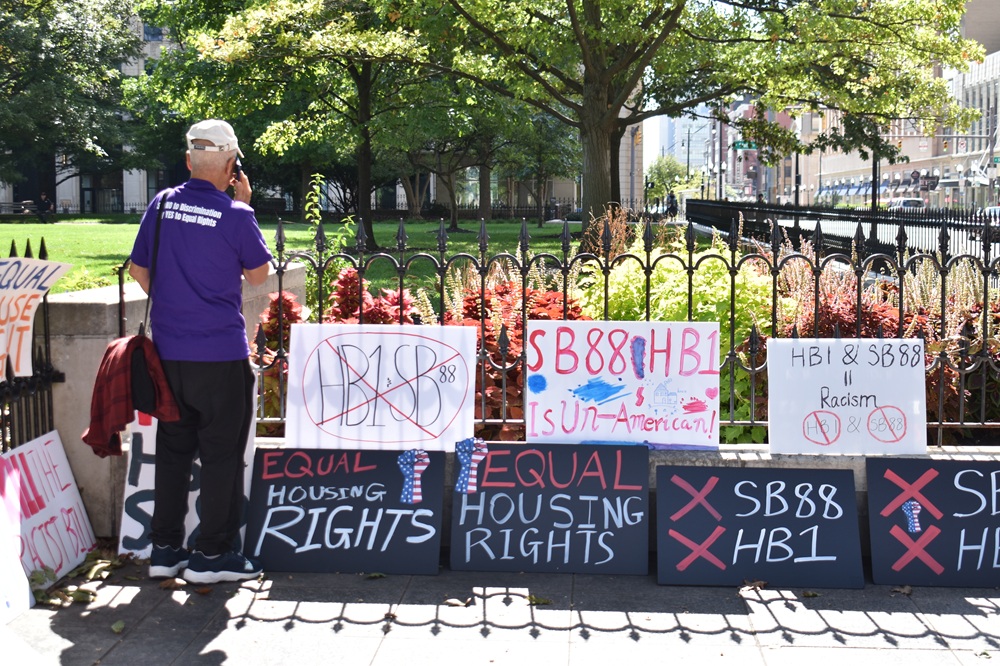
COLUMBUS – Hundreds of Ohioans gathered at the Statehouse on Saturday, Sept. 27, to protest House Bill 1 (HB1) and Senate Bill 88 (SB88), a pair of bills that would restrict certain individuals and entities from acquiring property in the state. At the rally, speakers argued that the legislation would discriminate against immigrants and harm both civil rights and Ohio’s economy. The protest came just days before the legislature resumes its session today (Wednesday, Oct. 1).
The bills’ sponsors, however, have previously maintained that the legislation is a necessary step to protect Ohio’s security and critical infrastructure.

A Closer look at the bills
HB1 and SB88 share the same overall purpose: prohibiting a “prohibited person” from acquiring “protected property” in Ohio. While not word-for-word identical, they are considered parallel bills moving through the House and Senate with very similar language and intent.
A “prohibited person” is defined as a citizen of a foreign adversary, a government of a foreign adversary or a business owned or controlled by such entities. The current federal list of foreign adversary countries includes China, Cuba, Iran, North Korea, Russia, and Venezuela.
The bills would automatically apply to any country added to that registry. This is a key point raised by opponents, who argue that the bills do not make an exception for legal U.S. residents who are citizens of these countries, including green card and visa holders.
“Protected property” includes agricultural land and any real estate within a 25-mile radius of a U.S. military base or a “critical infrastructure facility,” which could include electric power substations, natural gas pipelines, refineries, telecommunications hubs and railroad tracks. Opponents argue the bills’ broad definitions could encompass nearly the entire state.
The legislation would additionally require any prohibited owner to divest property within two years, even if they owned it before the bill’s passage. Failure to comply could result in a county prosecutor taking the case to court to have the property escheated to the state, with proceeds going to the county’s general fund after court costs.
Supporters cite security concerns
The bills’ sponsors have stated that the legislation is a necessary step to protect Ohio’s security and critical infrastructure. Supporters frame the issue in stark terms. In his sponsor testimony for SB88, Senator Terry Johnson (R-14) said that Ohio’s land should not be for sale to those who “seek to destroy the American way of life.” He cited the example of the Fufeng Group, a Chinese company that tried to buy land near a military base in North Dakota, as an example for the bills.
Representative Angela King (R-84), a primary sponsor of HB1, stated in her testimony that the bill is an “overdue” piece of legislation to protect against the “expanding footprint of foreign adversary real estate ownership in the U.S.”
Ohio Attorney General Dave Yost offered his support in the bill’s second hearing in April, stating the bill is important for protecting the state’s electric grid and other critical infrastructure.
The Toledo Free Press reached out for comment from several sponsors of the bills, including Johnson, King, Representative Roy Klopfenstein (R-82), Representative James Hoops (R-81) and Representative Elgin Rogers Jr. (D-42), but did not respond to requests for comment by deadline. However, in a statement provided by his office, Representative Haraz Ghanbari (R-75), a cosponsor of HB1, stated that the legislation “remains under active review, and a number of significant concerns have been raised as part of that process.” He added that he respects the right of citizens to come together and express their views.
Rogers represents a portion of the city Toledo itself, while Ghanbari represents nearby Perrysburg. Klopfenstein and Hoops represent districts in Northwest Ohio, to the west of Toledo.

Opponents warn of discrimination and economic harm
While the rally focused on the personal impact of the bills, speakers also addressed the broader legal and economic concerns. According to the U.S. Census Bureau, Ohio has a foreign-born population of approximately 655,000 residents. In 2023, the foreign-born share of the population was 5.3 percent, up from 4.1 percent since 2013.
In an interview with the Toledo Free Press, one protestor named Hao said the bills are “so horrible,” and that she and others believe no one could give them a good reason for the legislation. Hong Qiu of the Asian American Coalition of Ohio told the Toledo Free Press that the bills are “totally against the laws” and a violation of the 14th Amendment.
Other rally speakers echoed these concerns. Carlen Zhang-D’Souza of the ACLU called the bills “profoundly unfair” and said they “reek of racial animus and bigotry.” Another protestor, Ying Wu, said the bills send a message that immigrant families “do not belong,” while Yanfen Yang, an 18-year Ohio resident, recalled past massacres of Chinese immigrants, warning that “history is watching, and so are we.” Supporters of the bills have rejected claims that the measures target individuals based on race or ethnicity, arguing instead that they are necessary for security.

Speakers also warned of economic consequences. According to the Global Business Alliance, over 322,900 workers in Ohio are employed as a result of global investment, with Japanese, German, and United Kingdom-owned companies supporting the largest number of jobs.
Louisa Ha, a university professor, stated that the bills are “the worst in the nation” and could accelerate “brain drain” by driving out international students and faculty. According to the U.S. Global Leadership Coalition, international students attending Ohio colleges contributed over $1.3 billion to the state’s economy during the 2023-2024 academic year.
Testimonies from the Dayton Area Chamber of Commerce and the City of Moraine also warned the bills could force Fuyao Glass America—a Chinese-owned auto glass manufacturer—to sell its property, threatening thousands of local jobs.
Even organizations that support the bills’ intent have expressed concern. The Ohio REALTORS testified that the bills could face legal challenges and that they do not exempt legal permanent residents from their restrictions. Overall, critics argue the bills are unfair, discriminatory, and could prove to be economically counterproductive.
The bills remain stalled in committee, but with the legislature’s session resuming this week, the debate is set to intensify. Rally organizers closed by urging Ohioans to register to vote by October 6 and to support candidates in November who oppose the bills.
TFP photos by Allyson Ritchey