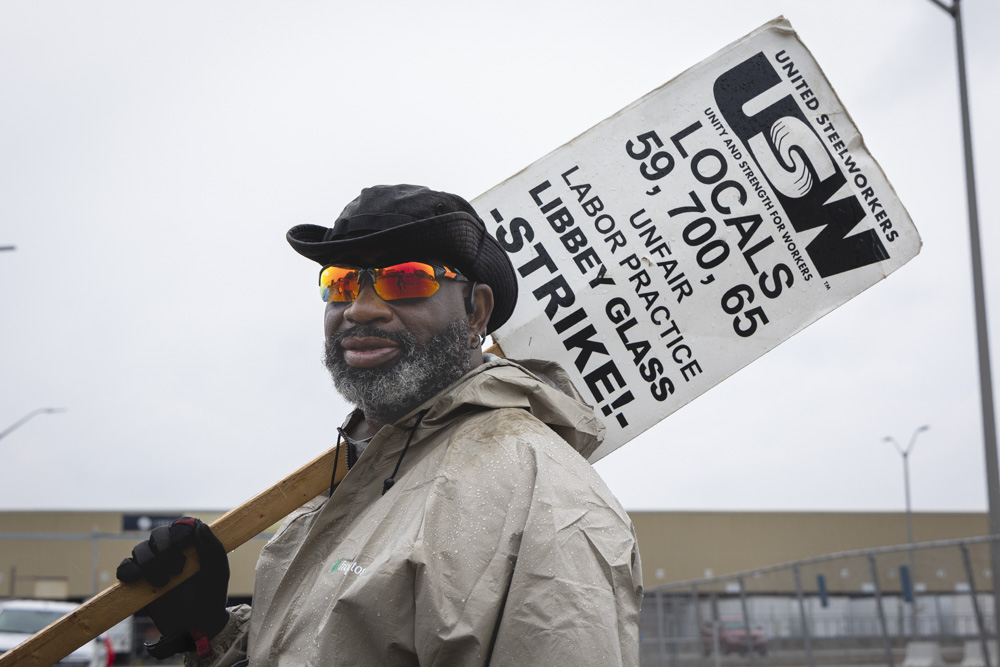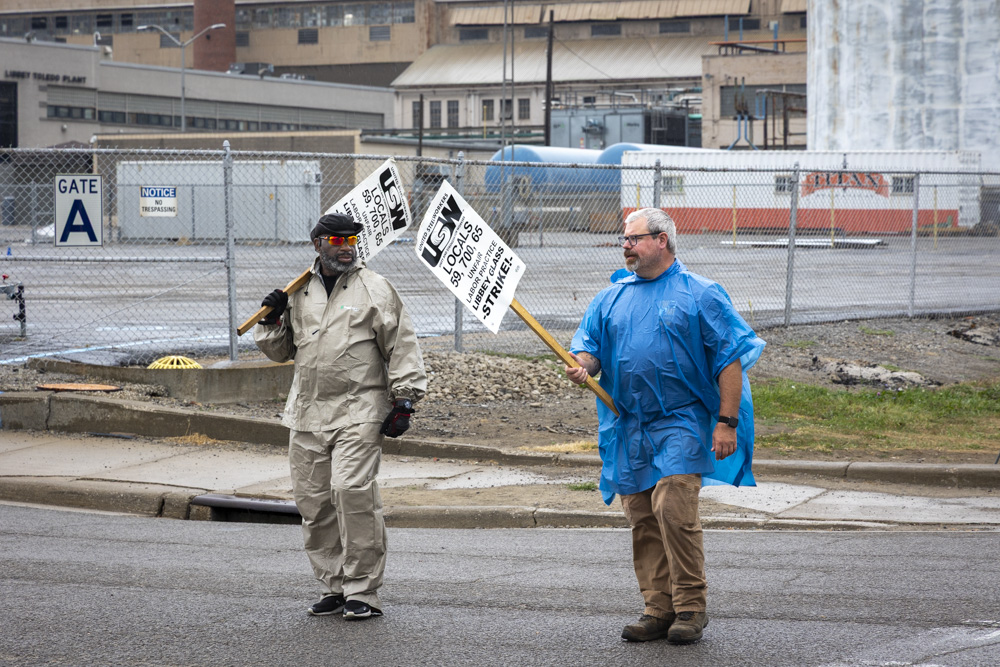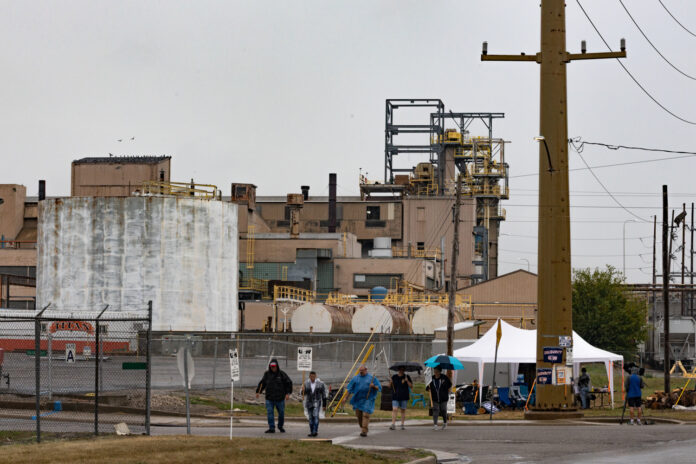
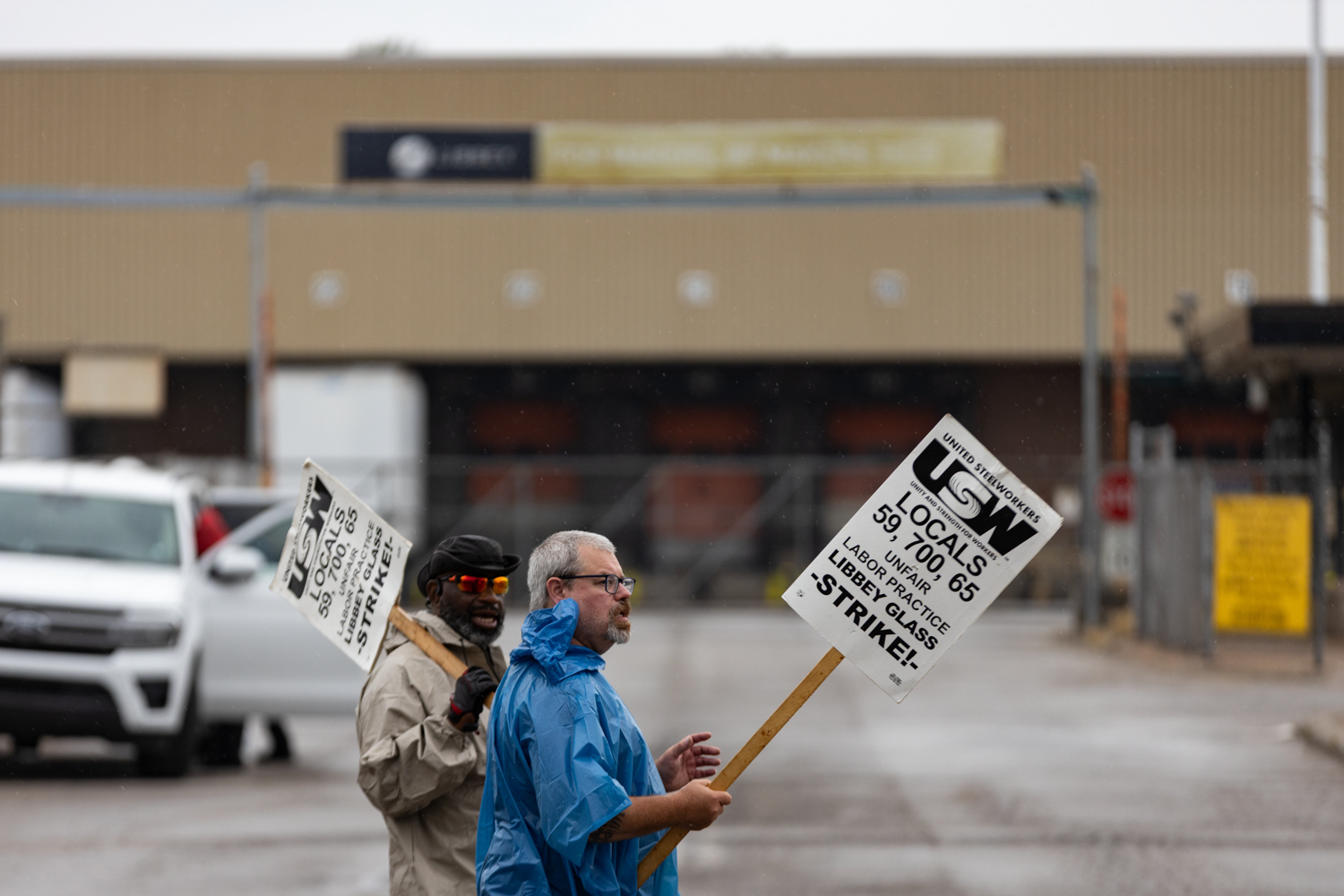
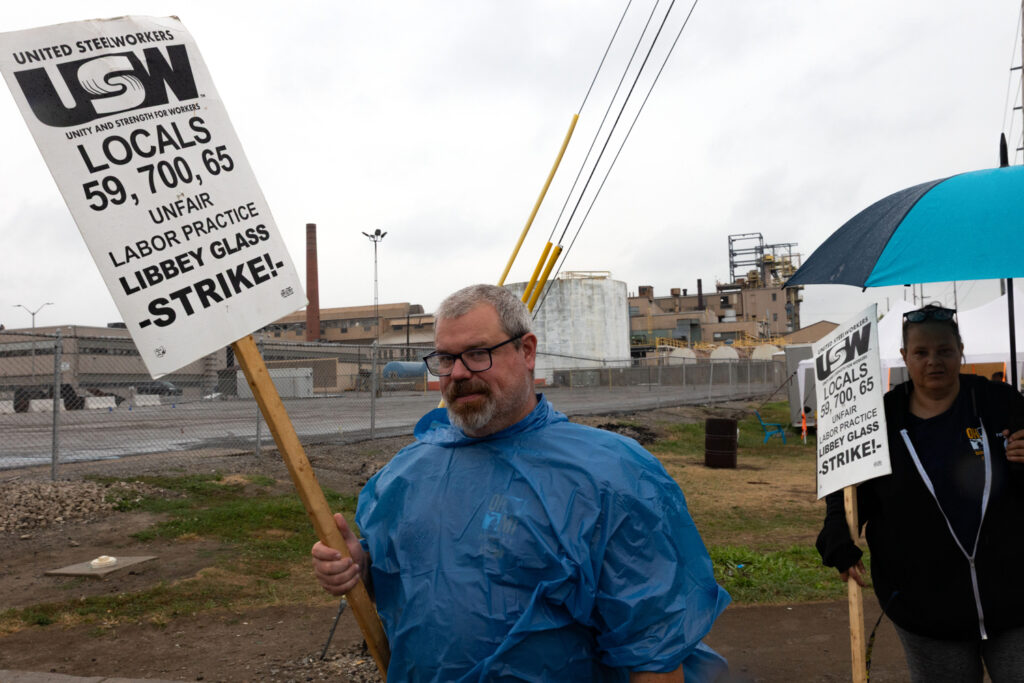
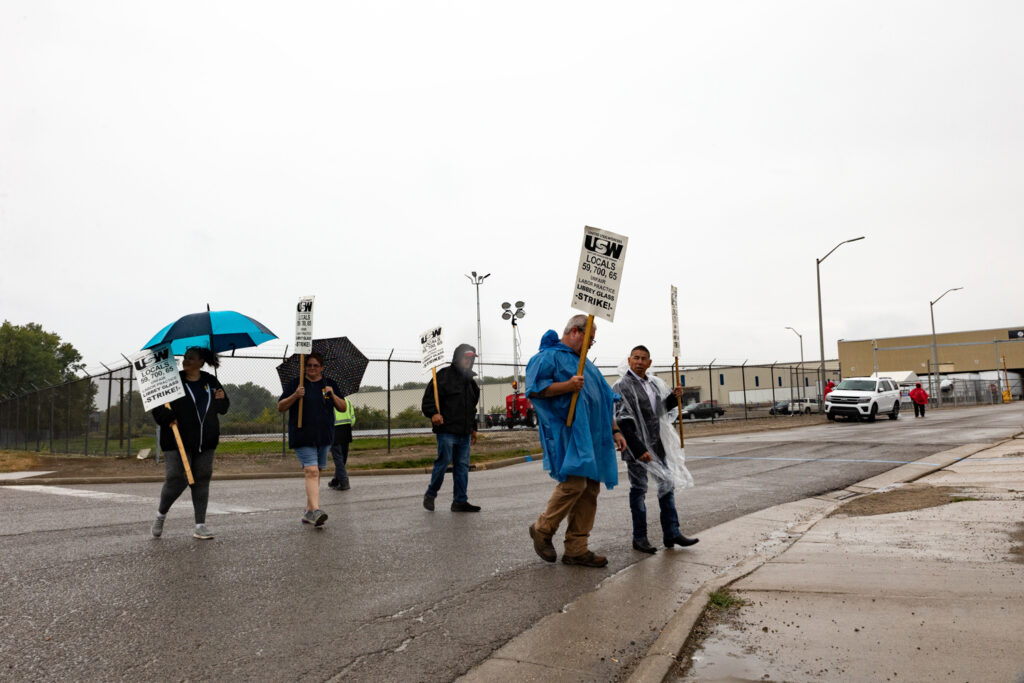
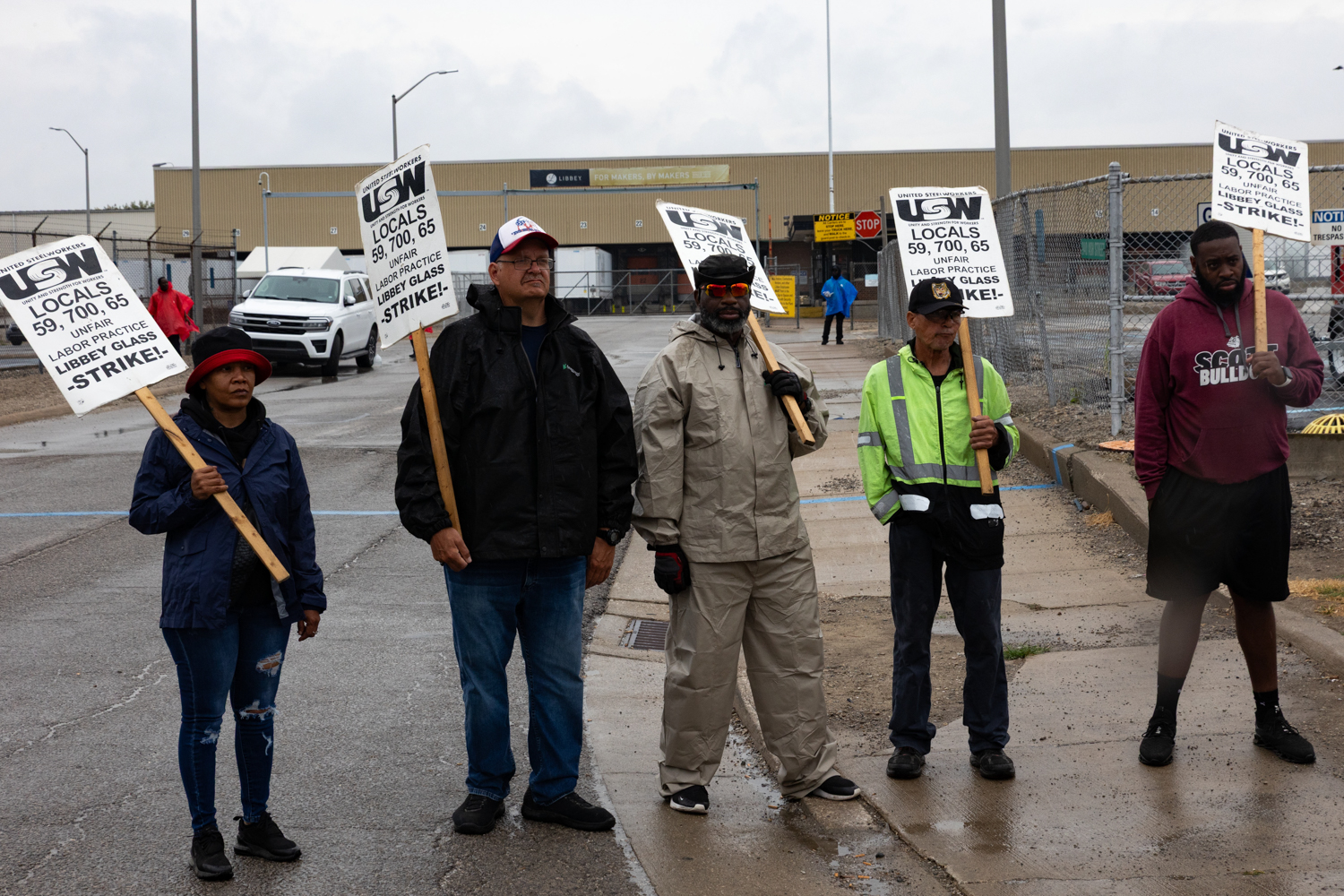
TOLEDO – A gray and drizzled day marked one month since workers at the Libbey Glass factory, 950 Ash Street, in north Toledo went on strike.
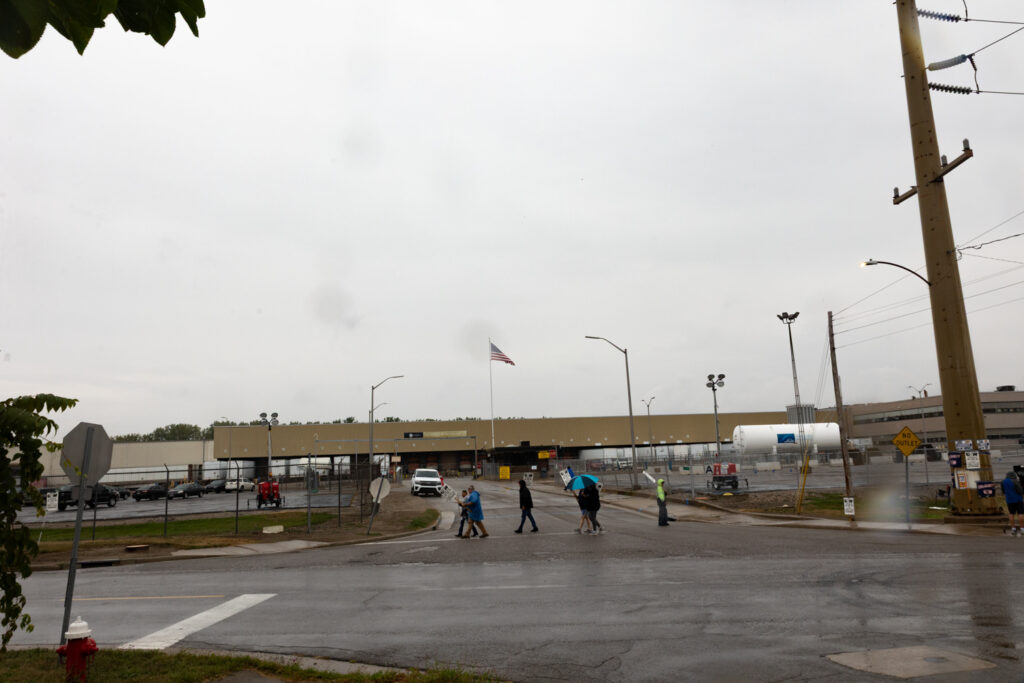
The looming edifice of glass production was a clear reminder for workers on the picket line of the power of their employer.
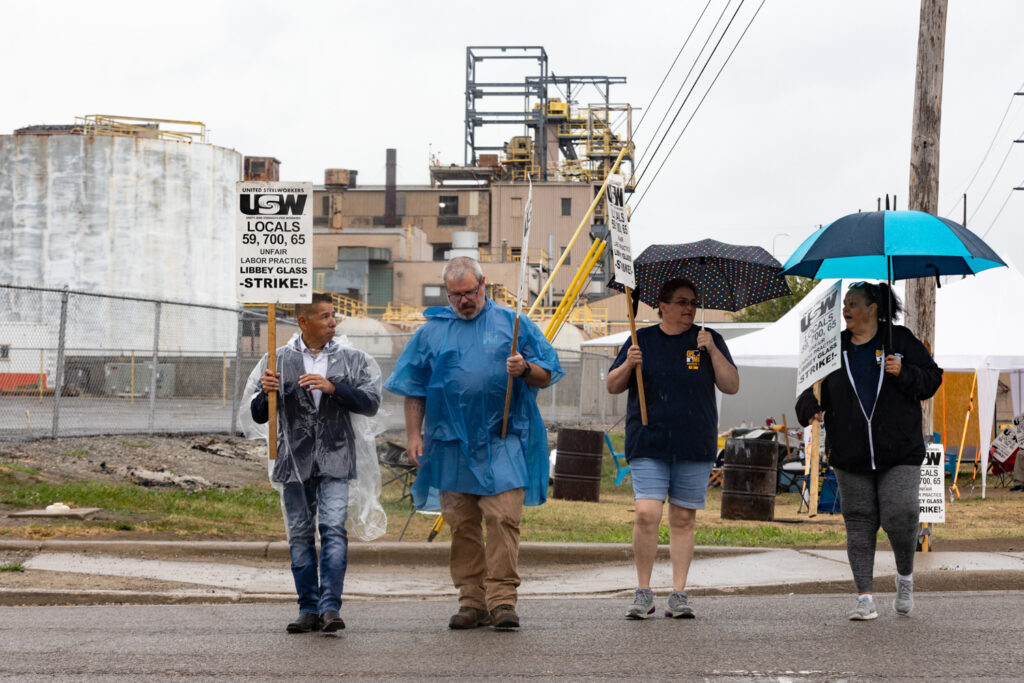
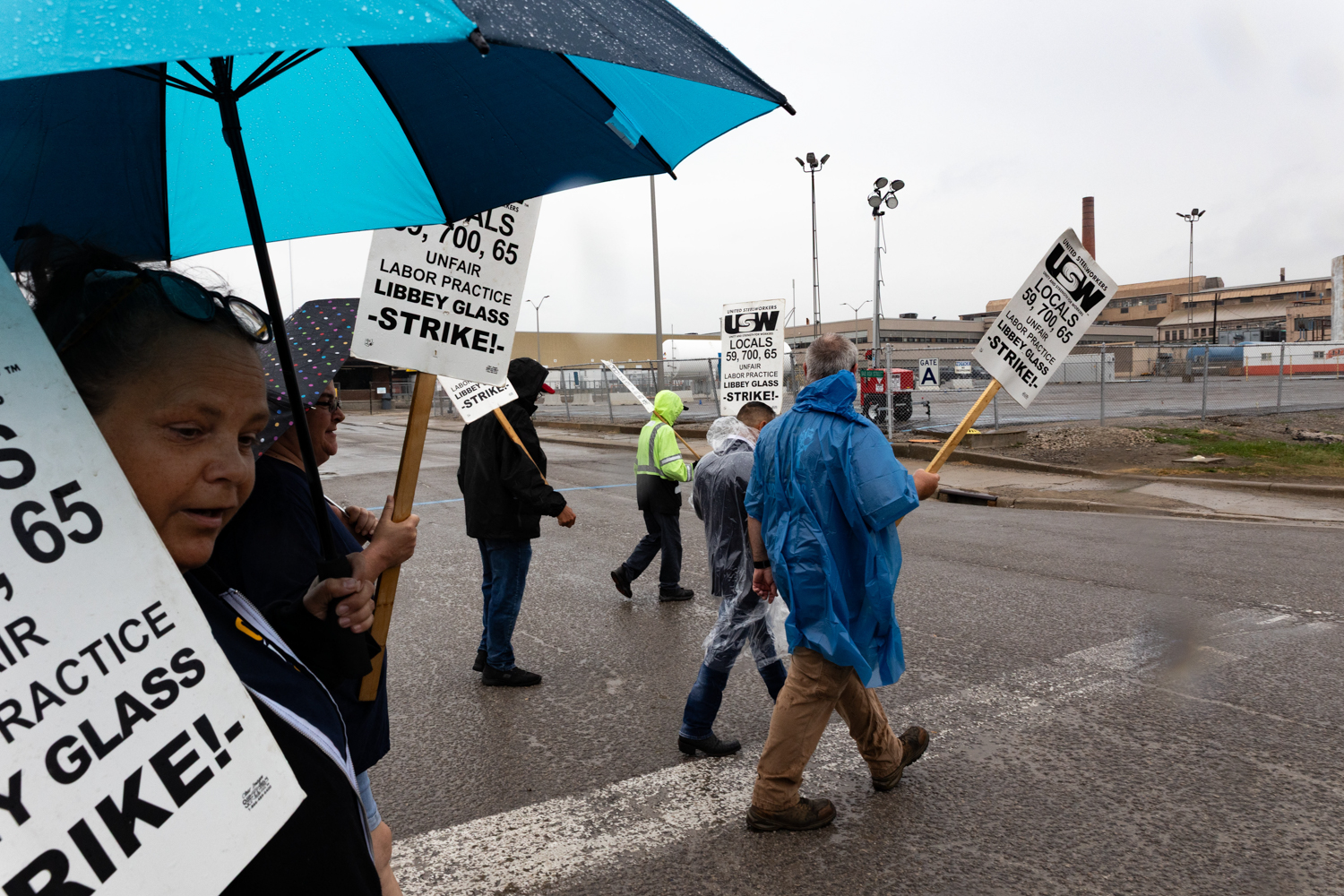
Strike captains managed workers walking in rain gear across the entrance of the mostly shut down production building.
“The company was saying to us, ‘If you don’t come toward the items in our last, best and final offer, then there’s really no reason for us to meet,’” said Donnie Blatt, the director of United Steelworkers (USW) District 1, Ohio and Michigan, who was trying to find a way to avoid a shutdown.
Management’s unwillingness to negotiate, Blatt said, left the union with no place to go except a strike.
“I gave them a proposal that would try to settle the issues, and was trying to find some middle ground,” he said. According to Blatt, after fifteen minutes of looking over the proposal, Libbey’s representation told him the company really only had one offer.
Union leadership said they could not accept Libbey’s offer, as it would dissolve the autonomy of the union and workers.
“We did take that back for a vote,” Blatt said. “We explained to everybody what was in that [offer], and the vote went down 302 to five [in favor of striking].”
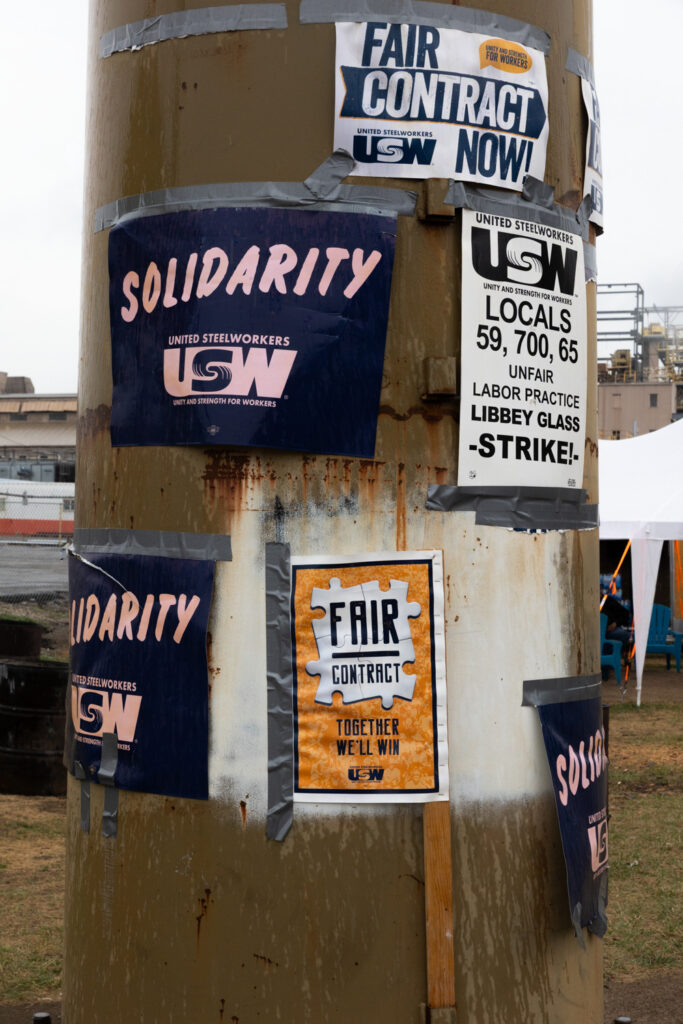
Consequentially, at midnight on Aug. 23, workers from USW Locals 59, 700 and 65 went on strike along with workers from another union, the International Association of Machinists and Aerospace Workers (IAM) Local 1297.
Unmoved, both management and the locals maintain their opposed stances, but with one main difference: union members are eager to get back to the negotiating table.
The Contract
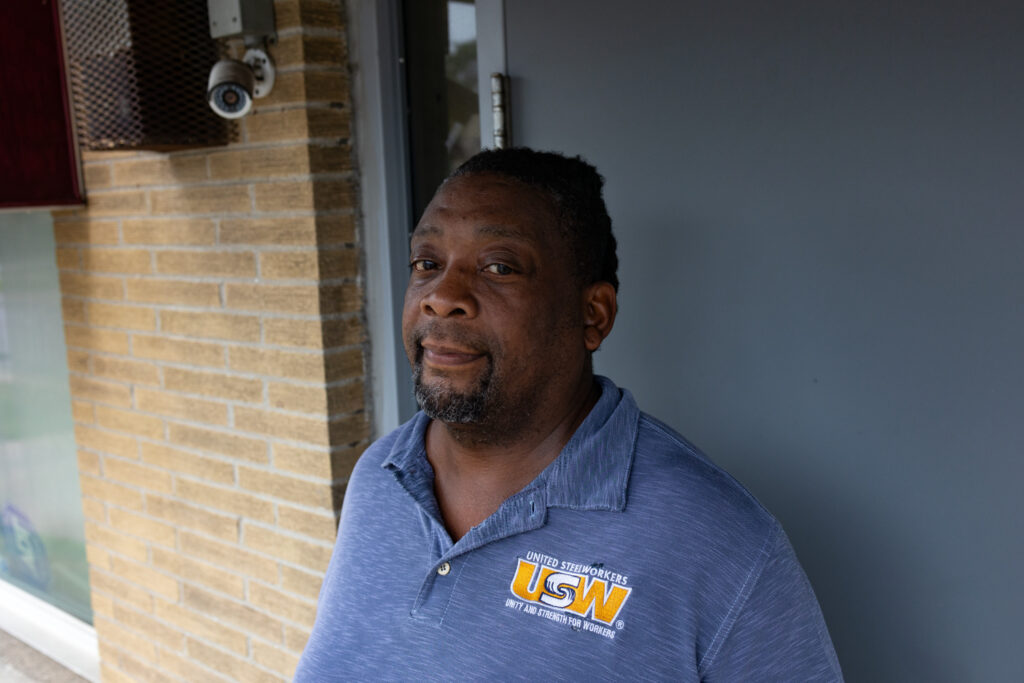
“For the last probably six meetings, they had that same little contract offer: ‘Take this or leave it,’” said Allen Chatman, the recording secretary for USW Local 700, recalling negotiations with Libbey.
“We can’t do that,” he said emphatically. “No, they want total control of our whole contract. You know, they want total control.”
Blatt backed Chatman on the nature of Libbey’s proposed offer.
“They want to unilaterally be able to contract out our work,” he said. “They want to unilaterally be able to change start times and end times of shifts. They want to be able to unilaterally say how many people are working, if they’re working on a different machine, which causes some safety concerns for us as well.”
“They want to unilaterally be able to make any discretionary decision that they deem necessary for production. You might as well not even have a collective bargaining agreement.”
These discretionary decisions include things like mandatory overtime, elimination of premium pay for shifts over 12 hours and sending workers home without pay if work is finished early. To make these changes, Libbey also proposed changing jurisdiction and seniority within the factory.
Sacrifice
The overwhelming approval for a strike came on the heals of concessions the USW had already ceded during the Covid-19 pandemic.
“Back in 2019, the company came to us…saying that they were in trouble, and wanted us to help them stay out of bankruptcy and liquidation,” Blatt said. “So we bargained an agreement with them.”
“In 2020, the employees gave up a 2.5 percent wage increase that was already negotiated for them, and in 2021 they gave up another 2.5 percent wage increase. And then on top of that, [employees] took a 5 percent wage deduction until the end of the the extended agreement in 2024.”
“We also gave up retiree health care in that agreement that the retirees never did get back. We froze the defined benefit pension, and they [the workers] also agreed to pay more premiums for their health care,” Blatt said.
Workers did all this with a “snap back” provision that said workers would have parts of what they ceded restored when production hit a certain threshold.
“This is the first negotiation since the employees made that sacrifice,” Blatt said. USW international estimated these concessions were roughly $30 million in savings to the company.
“Now the company has come back, and they want more concessions,” he said.
Union workers are not eager to continue making concessions to Libbey.
“We’ve already dropped a lot of stuff that we really wanted. And we didn’t want to, but we did. And they’re still not, they’re not budging,” said Adrian Martinez, the recording secretary for Local 59.
“It could be another month. Could be another two months, I don’t know. First we got to get back to the table. That’s the first thing we’re trying to do.”
Political attention
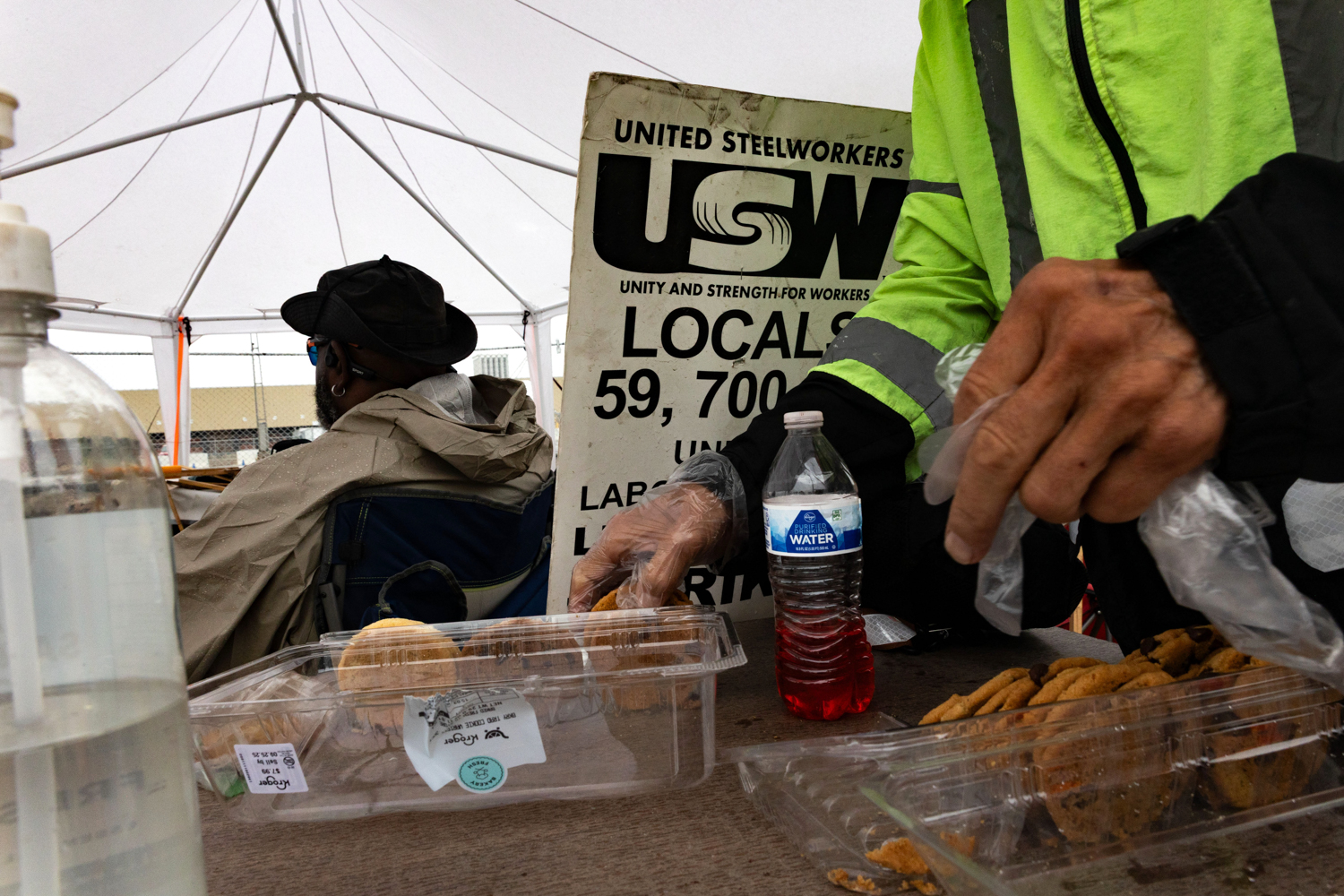
One month into the strike, Toledo Mayor Wade Kapszukiewicz dropped off food supplies at USW Local 700 headquarters, 814 Ash Street, a brisk walk away from the Libbey factory and the picket line.
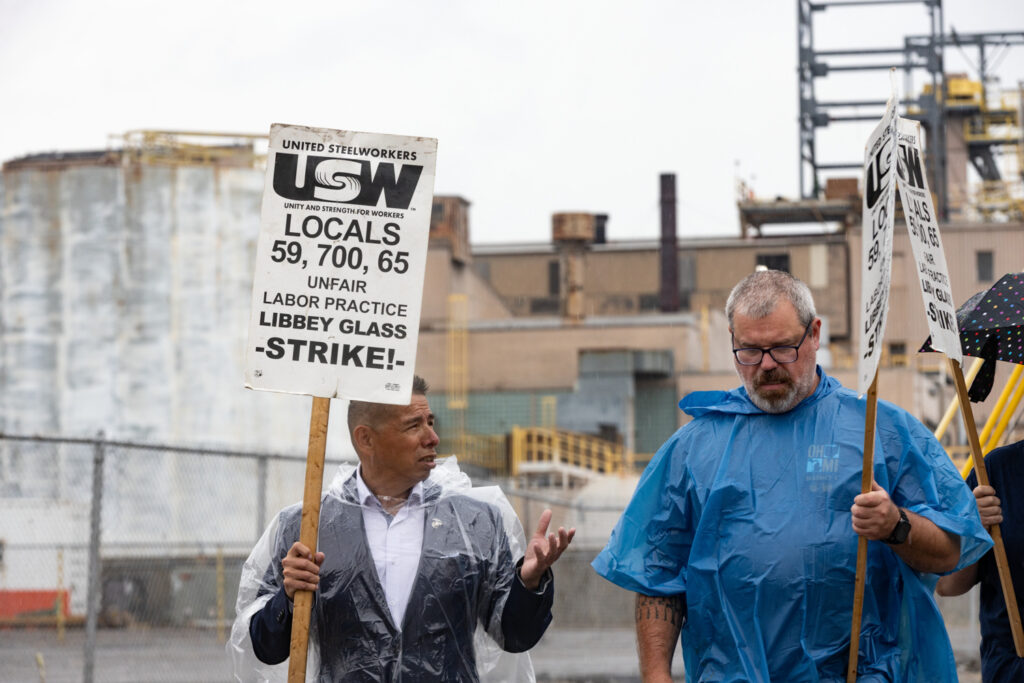
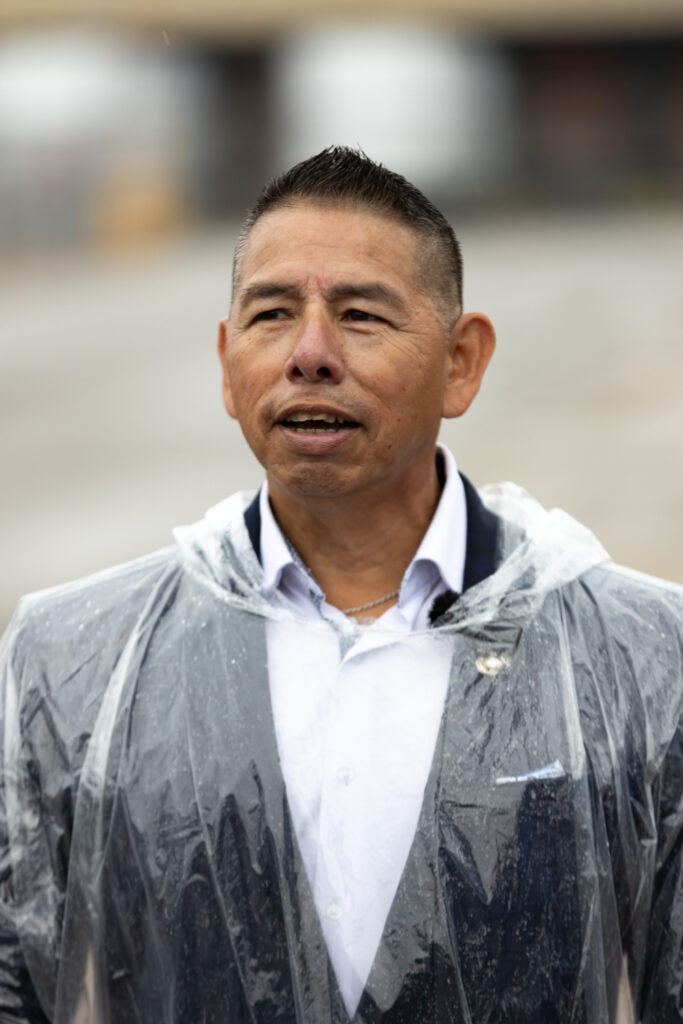
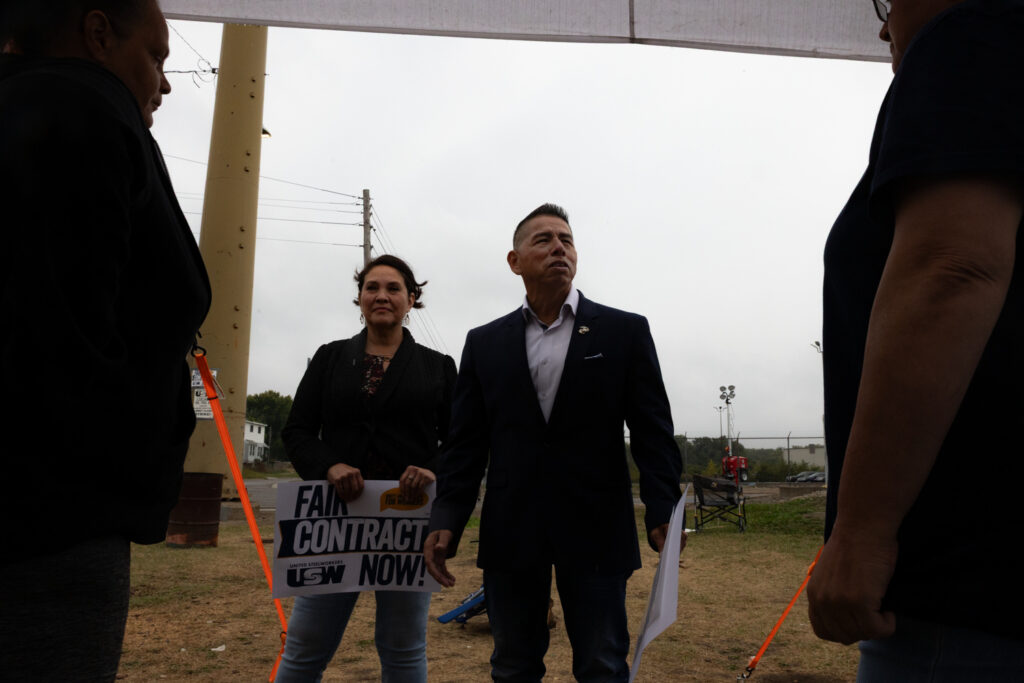
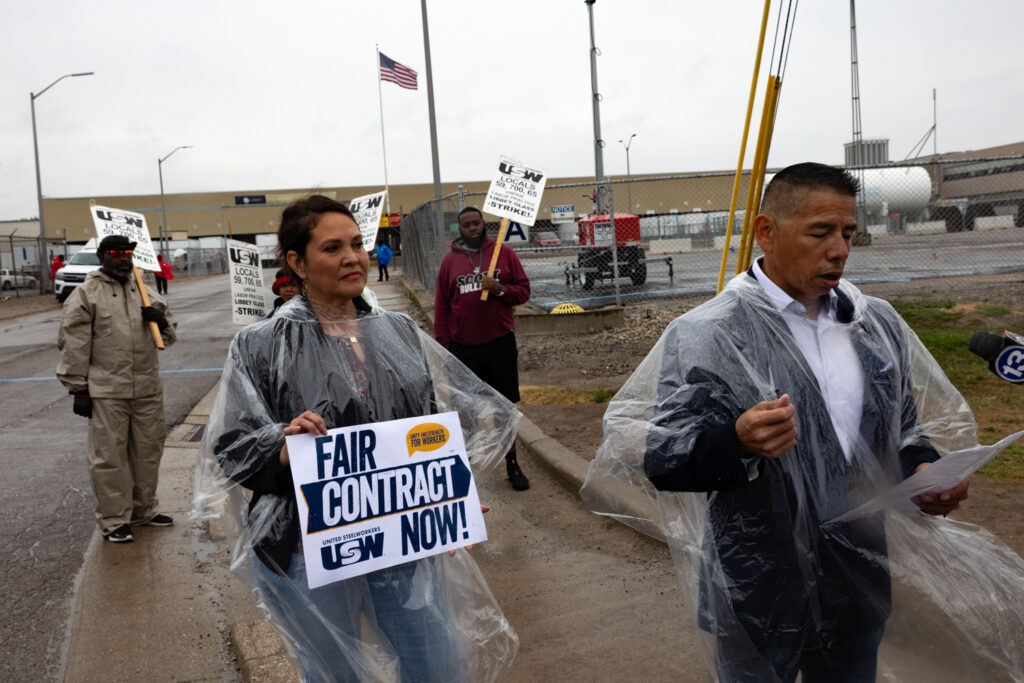
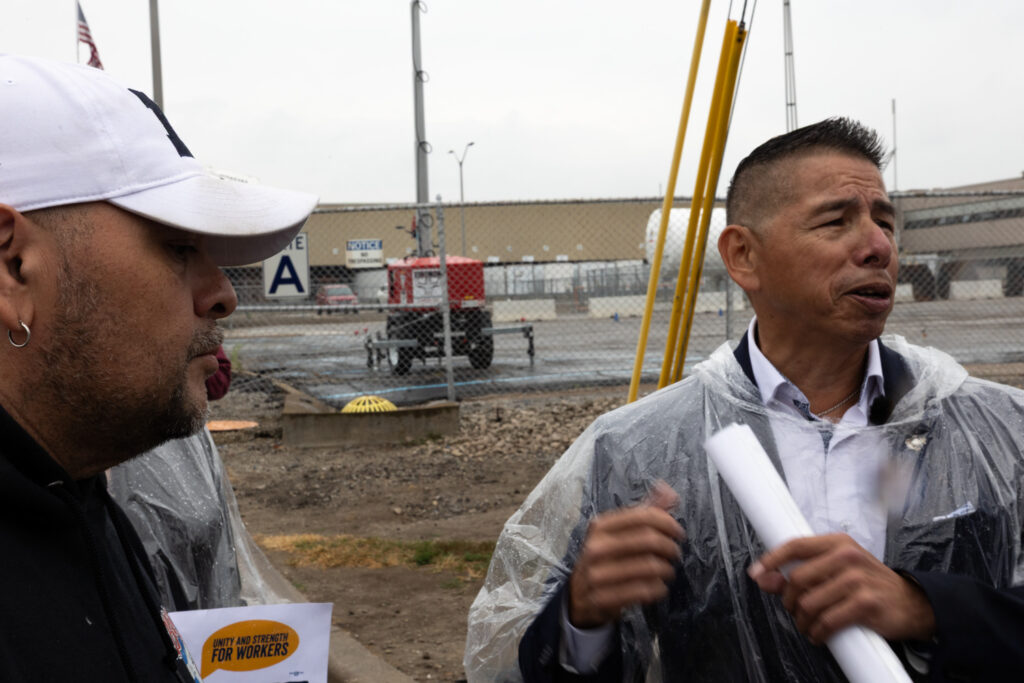
Later that day, Toledo Mayoral Candidate Roberto Torres met with workers on the picket line and delivered some political messaging ahead of the Nov. 4 election.
“We just stopped by there to drop off some food and water items for the workers and the families,” Torres said. “I ask for management to return to the bargaining table with a fair and equitable contract.”
Torres alleged Kapszukiewicz only stopped by earlier in the day because he heard Torres would be visiting the picket line that day.
This allegation resonated with some of the workers striking outside of the factory, who felt forgotten by the current mayor.
Strike Captain Gabe Mason was walking the picket line, and wouldn’t speak about the condition of the strike except that Kapszukiewicz hadn’t been to the picket line and had snubbed the USW strikers during the Labor Day Parade, turning away from the group during the march.
Chatman could not speak specifically to the events of Labor Day, but said he had heard the same story from other union members.
“We[‘re] on strike. We need all the help we can get,” Chatman said, and then asked the mayor for help. “Maybe you got some strings you can pull to get them [Libbey] to come back to the table with us.”
Mayor Kapszukiewicz later told the Toledo Free Press he would have walked with the USW if he had been asked to do so.
“I have a rule: I do virtually everything I’m asked, and nothing I’m not asked to do,” he said, and explained he came alongside other strikes in Toledo at roughly the same pace.
In terms of political pressure on Libbey, the mayor said, “Libbey certainly is risking their tax incentives from the City of Toledo,” but said it was likely the company calculated losing those incentives before allowing the strike to commence.
The long haul
Altogether, the roughly 650 workers at Libbey, not all USW, are now living off of their strike funds, and are accepting food donations.
Chatman and Blatt both mentioned a few stragglers who had crossed the picket line, and Blatt said he reached out to Libbey for a list of names of workers who were back to work already.
“The reason why we want to know that is because if we have members that have crossed the picket line, we don’t want them coming in and getting striking defense benefits during the strike from us,” Blatt said.
Regardless, Chatman said the workers who crossed were a “small fraction. It’s not hurting our drive at all.”
When asked why he thought management wasn’t budging on the negotiations, Chatman said, “Greed, corporate greed. That’s all I can say. For them to come, like they try to get a total rewrite of our contract. That’s greed.”
Workers said they are prepared to remain on strike for at least a few more months, but want to get back to the negotiating table.
“All we want is a fair and equitable agreement,” Blatt said, and finished talking with the Toledo Free Press by saying, “Libbey Glass didn’t make Toledo. The workers and the city of Toledo made Libbey Glass.”
“For this company to be so disrespectful to the history of glass making in Toledo, to be so disrespectful to the workers who saved them and kept them out of bankruptcy and liquidation and actually had them in a profitable financial position based on the sacrifices they made…I mean, it really is disrespectful.”
The Toledo Free Press reached out to Libbey for comment, but has not heard back as of the publication of this article.
And there does not seem to be an end to the strike for the time being.
TFP photos by Gaven Hafner: