Home Blog Page 11

Verantwortungsbewusstes Spielen im Online Casino

0
Verantwortungsbewusstes Spielen

Verantwortungsbewusstes Spielen im Online Casino

Online Casinos wirken auf viele neue Spieler zunächst unkompliziert: Konto anlegen, Zahlungsmethode wählen, ein Spiel starten. Doch bereits nach wenigen Minuten begegnen ihnen Fragen, die weniger mit Slots oder Bonusaktionen zu tun haben. Warum verlangt der Betreiber einen Ausweis? Weshalb wird eine Einzahlung manchmal geprüft? Und woran lässt sich erkennen, ob ein Casino den Schutz seiner Nutzer wirklich ernst nimmt? Gerade beim Glücksspiel hängt ein angenehmes Spielerlebnis oft davon ab, wie nachvollziehbar solche Schritte erklärt werden.

Wer sich Angebote wie felixspin deutschland ansieht, stößt daher nicht nur auf Spielauswahl, Aktionen und Zahlungswege. Ebenso sichtbar sollten Informationen zur Lizenz, zum Umgang mit persönlichen Daten und zu Schutzwerkzeugen sein. Erfahrene Nutzer berichten häufig, dass sie nicht die lautesten Versprechen überzeugen, sondern klare Regeln. Ein Casino, das Grenzen und Prüfungen offen erklärt, wirkt auf viele Menschen am Ende vertrauenswürdiger als eines, das alles möglichst schnell und reibungslos erscheinen lassen möchte.

Ein ruhiger Blick auf die Sicherheitsseite lohnt sich. Spieler merken oft erst bei einer Auszahlung, wie wichtig Lizenzangaben, Verifikation und eindeutige Geschäftsbedingungen tatsächlich sind.

Die Lizenz ist mehr als ein kleines Logo

Auf vielen Casino-Seiten steht die Lizenznummer im Footer, manchmal so klein, dass Neulinge sie übersehen. Dabei steckt hinter diesem Hinweis der rechtliche Rahmen des Angebots. Eine Lizenz verpflichtet den Betreiber unter anderem dazu, Spieler zu schützen, Identitäten zu prüfen, Geldflüsse zu dokumentieren und Beschwerden nachvollziehbar zu behandeln. In Deutschland achten viele Nutzer auf die Erlaubnis der Gemeinsamen Glücksspielbehörde der Länder. Andere Lizenzen können ebenfalls vorhanden sein, doch sie ersetzen nicht automatisch die für den jeweiligen Markt nötigen Anforderungen.

Manche Besucher empfinden diese Hinweise zunächst als Formalität. Das ändert sich oft, wenn es um Limits, Auszahlungen oder eine gesperrte Spielphase geht. Dann zeigt sich, ob ein Betreiber bloß mit Sicherheit wirbt oder ob die Abläufe tatsächlich geregelt sind. Lizenzierte Angebote sind nicht automatisch perfekt, aber sie unterliegen Kontrollen und klareren Zuständigkeiten.

Prüfpunkt Was Spieler sehen sollten Warum es zählt
Lizenzangabe Name der Behörde, Nummer und Betreibername Sie macht Zuständigkeiten überprüfbar.
Impressum Adresse, Kontakt und Unternehmensdaten Anonyme Seiten schaffen selten Vertrauen.
Spielregeln Konditionen, Limits und Auszahlungsabläufe Missverständnisse werden früher sichtbar.

Eine kurze Kontrolle braucht meist keine halbe Stunde. Spieler, die etwas vorsichtiger vorgehen möchten, orientieren sich häufig an einem einfachen Ablauf:

  1. Den Betreiber im Impressum mit der Lizenzangabe vergleichen.
  2. Die Regeln zu Einzahlungslimits, Spielpausen und Auszahlung lesen.
  3. Bei unklaren Angaben zunächst den Support testen, bevor Geld eingezahlt wird.

Das klingt etwas nüchtern, bewahrt aber vor dem typischen Gefühl, erst nach der Registrierung wichtige Details zu entdecken. Besonders Einsteiger reagieren erleichtert, wenn Antworten des Supports konkret ausfallen und nicht nur auf allgemeine Werbetexte verweisen.

Verifikation, der manchmal unbequeme Sicherheitsmoment

Die Identitätsprüfung, meist KYC genannt, gehört in seriösen Online Casinos zum Alltag. Nutzer laden je nach Verfahren einen Ausweis, einen Adressnachweis oder gelegentlich ein Foto zur Bestätigung hoch. Einige finden diesen Schritt lästig, vor allem wenn sie direkt losspielen wollten. Andere sehen darin einen Schutz vor unbefugter Nutzung, Minderjährigen und Betrug. Beides kann nachvollziehbar sein. Entscheidend ist, dass das Casino den Ablauf vorab deutlich beschreibt und nicht erst kurz vor einer Auszahlung damit beginnt.

Verifikation Schafft

Wenn die Verifikation sauber organisiert ist, erhalten Spieler gewöhnlich eine Rückmeldung zum Status. Gute Anbieter erklären auch, welche Dokumente akzeptiert werden, wie lange die Prüfung ungefähr dauert und warum ein Bild abgelehnt wurde. Ein unscharfer Ausweis oder eine abweichende Adresse kann tatsächlich genügen. Das ist ärgerlich, doch eine verständliche Begründung macht einen großen Unterschied.

Vorsicht bei hektischen Aufforderungen: Werden Dokumente über unsichere Kanäle oder an unbekannte Mailadressen verlangt, brechen umsichtige Nutzer den Vorgang besser ab und prüfen den offiziellen Supportweg.
Situation Übliche Reaktion des Casinos Sinnvolle Reaktion der Nutzer
Kontoeröffnung Abfrage persönlicher Grunddaten Daten sorgfältig und wahrheitsgemäß eintragen
Hohe Auszahlung Dokumenten- oder Zahlungsquellenprüfung Fristen und angeforderte Unterlagen prüfen
Abweichende Daten Vorübergehende Kontoeinschränkung Nicht mehrere Konten eröffnen, Support kontaktieren

Spieler vermeiden unnötige Verzögerungen meist mit wenigen Gewohnheiten. Dabei geht es nicht darum, Dokumente leichtfertig zu verteilen. Es geht um einen kontrollierten, nachvollziehbaren Prozess.

  1. Dokumente ausschließlich im verschlüsselten Nutzerkonto hochladen.
  2. Vor dem Upload prüfen, ob Name, Geburtsdatum und Adresse lesbar sind.
  3. Bestätigungen und Kommunikation für mögliche Rückfragen speichern.

Ein seriöser Betreiber sollte nie Passwörter, vollständige Kartendaten oder Fernzugriff auf ein Gerät verlangen. Sobald so etwas auftaucht, werden viele Nutzer misstrauisch, und das zu Recht.

Persönliche Daten, Vertrauen entsteht in kleinen Details

Ein Casino verarbeitet sensible Informationen: Kontaktdaten, Zahlungsdaten, Spielverhalten und bei der Verifikation auch Ausweisdokumente. Deshalb schauen erfahrenere Spieler gern in die Datenschutzerklärung, selbst wenn dieses Dokument nicht gerade als spannende Lektüre gilt. Dort sollte stehen, welche Daten erhoben werden, wofür sie genutzt werden, wie lange sie gespeichert bleiben und an welche Dienstleister sie gegebenenfalls weitergeleitet werden.

Viele Menschen achten besonders auf zwei Dinge. Erstens auf eine sichere Verbindung, erkennbar am Schloss-Symbol im Browser. Zweitens auf die Möglichkeit, Marketing-Einstellungen anzupassen. Nicht jeder möchte nach einer kurzen Registrierung mit Bonusmails überhäuft werden. Ein transparentes Casino lässt solche Einstellungen nicht im Kleingedruckten verschwinden.

  • Passwörter sollten lang sein und nur für das jeweilige Spielerkonto verwendet werden.
  • Zwei-Faktor-Authentifizierung erhöht den Schutz, falls sie angeboten wird.
  • Öffentliche WLAN-Netze sind für Einzahlungen und Dokumentenuploads keine gute Wahl.
  • Ungewohnte Login-Hinweise sollten sofort über den offiziellen Support geklärt werden.

Gerade weil Glücksspiel emotional sein kann, ist Datensicherheit nicht bloß ein technisches Thema. Spieler möchten nicht befürchten müssen, dass persönliche Informationen unklar verarbeitet oder Konten von Dritten genutzt werden. Ein ruhiges Gefühl beim Login ist vielleicht kein Bonus, aber für viele deutlich wertvoller.

Spielerschutz zeigt sich nicht nur im Kleingedruckten

Verantwortungsbewusstes Spielen bedeutet nicht, dass jede Runde problematisch wäre. Es bedeutet eher, dass Glücksspiel als Unterhaltung behandelt wird, mit einem vorher festgelegten Rahmen. Spieler, die sich daran halten, berichten oft, dass sie entspannter spielen. Gewinne bleiben angenehm, Verluste werden nicht automatisch zum Anlass, weiter einzuzahlen. Das ist leichter gesagt als getan, besonders nach einer knapp verpassten Bonusfunktion oder einer längeren Verlustserie.

Ein verantwortungsvoller Betreiber stellt deshalb Werkzeuge bereit, die nicht versteckt sein sollten. Einzahlungslimits, Verlustlimits, Zeitlimits, Reality Checks, Spielpausen und Selbstausschluss helfen Nutzern dabei, Abstand zu gewinnen. Manche finden Erinnerungen zunächst störend. Nach einer längeren Session bemerken sie aber manchmal, wie schnell Zeit vergeht, wenn ein Spiel dauernd neue kleine Anreize setzt.

Schutzwerkzeug Wofür es gedacht ist Typischer Nutzen
Einzahlungslimit Maximalen Betrag pro Zeitraum festlegen Das Budget bleibt berechenbarer.
Reality Check Über Spielzeit und Einsätze informieren Unterbricht den Automatismus.
Spielpause Zugang zeitweise sperren Schafft Abstand in angespannten Phasen.
Selbstausschluss Längere oder dauerhafte Sperre aktivieren Unterstützt bei Kontrollverlust.

Warnzeichen sind nicht immer dramatisch. Es kann schon auffallen, dass jemand Einsätze verheimlicht, dem verlorenen Geld hinterherjagt oder andere Ausgaben verschiebt. Angehörige bemerken gelegentlich zuerst, dass die Stimmung nach dem Spielen kippt. In solchen Momenten ist es sinnvoll, nicht auf den nächsten Gewinn zu hoffen, sondern eine Pause einzulegen und gegebenenfalls externe Beratungsangebote zu nutzen.

Glücksspiel ist keine Einnahmequelle. Wer mit Geld spielt, das für Miete, Rechnungen oder alltägliche Verpflichtungen vorgesehen ist, bewegt sich bereits außerhalb eines gesunden Rahmens.

Zahlungen und Boni ohne falsche Erwartungen betrachten

Bei Ein- und Auszahlungen wollen Spieler vor allem Klarheit. Welche Methode ist verfügbar? Fallen Gebühren an? Wie lange dauert eine Auszahlung? Und muss sie über denselben Weg erfolgen wie die Einzahlung? Ein Casino sollte diese Fragen vor dem ersten Transfer beantworten. Wenn Bedingungen erst später auftauchen, entsteht schnell Frust, selbst wenn der Vorgang am Ende korrekt abläuft.

Auch Boni verdienen einen nüchternen Blick. Freispiele und Einzahlungsangebote können Unterhaltung verlängern, sind aber kein Geschenk ohne Regeln. Umsatzbedingungen, maximale Einsätze und zeitliche Grenzen entscheiden darüber, wie realistisch eine Auszahlung von Bonusguthaben ist. Einige Spieler verzichten lieber ganz auf Aktionen, weil ihnen ein transparentes Echtgeldspiel einfacher erscheint. Andere nutzen Boni bewusst, nachdem sie die Bedingungen gelesen haben. Beide Entscheidungen sind vernünftig.

Vor einer ersten Einzahlung hilft vielen Nutzern diese kleine Reihenfolge:

  1. Ein festes Unterhaltungsbudget bestimmen, dessen Verlust verkraftbar ist.
  2. Zahlungsbedingungen und mögliche Verifizierungsanforderungen prüfen.
  3. Bonusregeln lesen und ein Angebot ablehnen, wenn es unklar oder unpassend wirkt.

Diese Vorgehensweise nimmt etwas Tempo aus der Anmeldung. Aber genau dieses kurze Innehalten ist oft hilfreich. Im Online Casino sind schnelle Klicks überall vorgesehen, bewusste Entscheidungen müssen Spieler dagegen meist selbst einbauen.

Eine gesunde Routine beginnt vor dem ersten Spin

Verantwortungsbewusstes Spielen entsteht selten durch einen einzigen Schalter im Konto. Es wächst aus mehreren kleinen Entscheidungen: nicht müde oder frustriert zu spielen, kein geliehenes Geld einzusetzen, Pausen ernst zu nehmen und Verluste nicht persönlich zu nehmen. Das klingt beinahe banal. Trotzdem geraten gerade diese einfachen Regeln in Vergessenheit, wenn eine Spielrunde aufregend wird.

Nutzer, die ihr Spielverhalten gelegentlich überprüfen, erkennen Veränderungen eher. Manche setzen sich vorab ein Zeitfenster, andere aktivieren Limits direkt nach der Registrierung. Wieder andere sprechen offen mit einer vertrauten Person darüber, wie viel sie ausgeben möchten. Nicht jede Methode passt zu jedem Menschen, doch der Gedanke dahinter bleibt derselbe: Das Casino sollte ein begrenzter Zeitvertreib bleiben und nicht den Alltag bestimmen.

Ein sicherer Betreiber, eine überprüfbare Lizenz, sorgsamer Datenschutz und wirksame Schutzfunktionen bilden dafür die technische Grundlage. Den entscheidenden Teil übernehmen jedoch die Spieler selbst. Wer langsam startet, Bedingungen kritisch liest und bei einem unguten Gefühl rechtzeitig stoppt, begegnet dem Online Glücksspiel deutlich kontrollierter. Vielleicht wirkt das weniger spektakulär als ein großer Jackpot, langfristig ist es für viele aber die bessere Erfahrung.
A Walk in the Park with Spiritual Seekers

0

*This podcast series is in collaboration with WGTE Public Media and Metroparks Toledo. Erin Holden, Editor-in-Chief of the Toledo Free Press, is the host and producer.

Join Erin Holden as she explores everyday life in Toledo’s Metroparks. In each episode, Erin interviews different park visitors – runners, teachers, artists, parents and more – revealing the many ways people connect with nature. You’ll hear personal stories about people’s relationships with our parks and the activities they cherish. Erin also documents her journey along the way, reflecting on the insights she gains from each experience.

In Episode 1, Erin heads to Swan Creek Metropark to discuss the spiritual aspect of immersing oneself in nature. Isabella Weik of the Toledo Mindfulness Institute and David Strickler, Commissioned Lay Minister at First Unitarian Church of Toledo, provide insight on how nature can form a foundation for spiritual growth.

Find other platforms to listen to the podcast here.

Toledo City Council Members Hobbs, Sarantou address questions

0
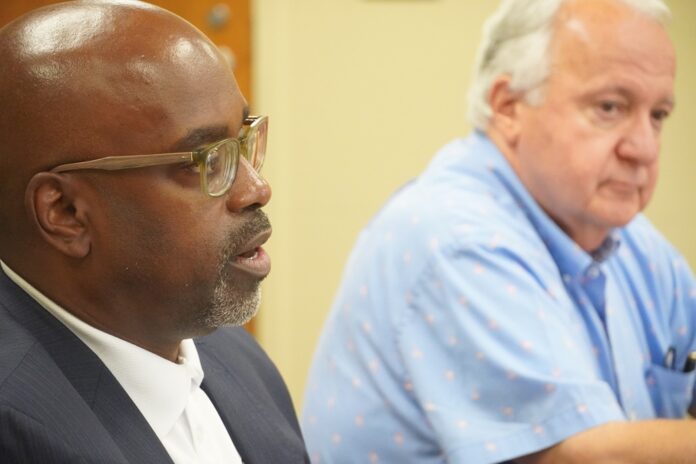
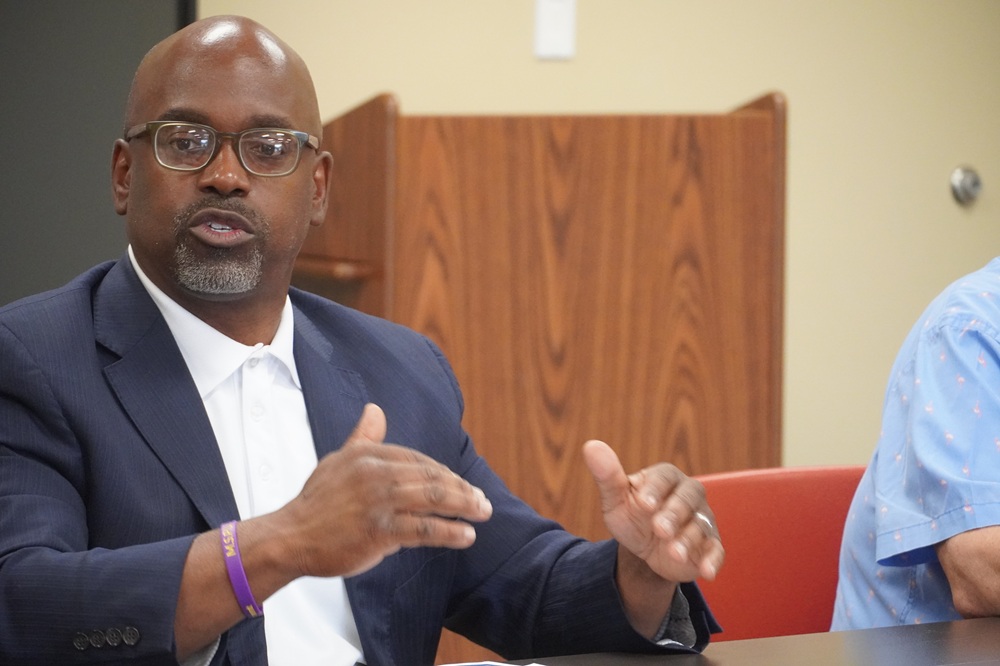
Toledo City Council Members John Hobbs II and George Sarantou address constituent concerns during town hall in Toledo on Thursday, July 9. (TFP photo by Jaden Jefferson)

TOLEDO – While not everyone can make a council meeting, some did manage to hear from their council member in a more intimate setting.

At the Reynolds Corners Branch Library last Thursday, July 9, District One Toledo City Council Member John Hobbs III held another one of his constituent town halls, joined by At-Large Council Member George Sarantou. While attendance was low, as one of the four attendees acknowledged, that doesn’t mean there was a shortage of issues to be discussed. During the hour-long forum, Hobbs & Sarantou heard from residents about matters ranging from trash pickup to neighborhoods.

But before he began taking questions from constituents, the Toledo Free Press spoke with Council Member Hobbs one-on-one about something that’s garnered attention beyond usual City Council watchers. One week ago, members agreed to vote — during today’s 4 p.m. council meeting at One Government Center — on whether to put a ballot measure before Toledo voters. The measure in question? A 0.25 percent income tax to fund public safety services

So, in other words, Council voted to have a vote on whether Toledoans will see the income tax proposal on the ballot. Speaking to the TFP, Hobbs sought to ensure it was understood by all that no new tax was approved last Tuesday.

District One Toledo City Council Member John Hobbs III addresses constituents in town hall on Thursday, July 9. (TFP photo by Jaden Jefferson)

“I want to make sure everybody understands, make this clear: Council has not imposed a tax on our citizens. We have not,” said Hobbs. “What we have done is we’re going to vote this coming Tuesday [today, July 14], and the vote will be whether or not that issue goes on the ballot this fall — so the citizens can decide if they want to have a public safety tax.”

Asked about the origins of the proposal, he told the TFP that “this comes from Mayor Wade Kapszukiewicz and this comes from his office, the 22nd floor.” Hobbs said, as a result of state and federal funding cuts, the mayor viewed the tax as a means by which the city could close a budget gap. While a city spokesperson said Friday the mayor was unavailable for comment, Hobbs said the proposed tax would close about $25 million of a $49 million budget gap.

To read the legislation members will be voting on this afternoon, click here.

The Free Press also spoke with an attendee of last Thursday’s town hall, who said she hadn’t yet formulated her thoughts on the income tax proposal, but appreciated having an opportunity to hear from her council member one-on-one.

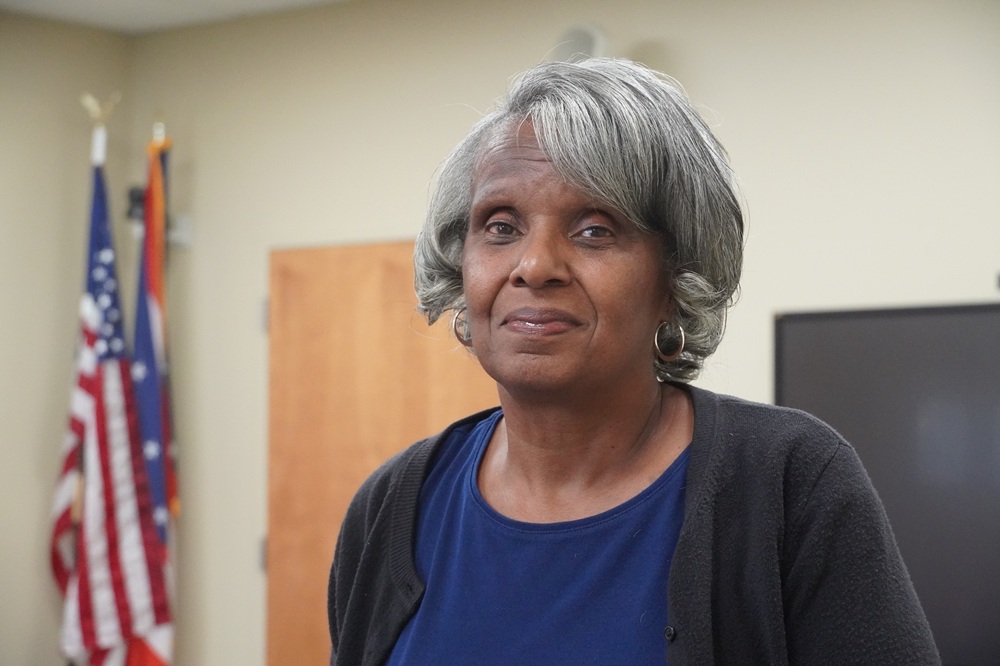
Toledoan Shelley Coleman at a town hall on Thursday, July 9. (TFP photo by Jaden Jefferson)

“He answered the questions that I came to hear,” said Shelley Coleman, who found out about the event from an email. 

On the proposed income tax ballot measure, Coleman said she “really had not thought too much about that until he [Council Member Hobbs] brought it up.”

While not staking her position on the public safety income tax, Coleman says she’d “like to see our youth in more activities,” in addition to more of a police presence.

Despite seemingly ubiquitous fears about crime, Toledo continues to see a reduction in various types of it since COVID-19 drove numbers up — a trend observed in cities across the country. During a press conference last Thursday, officials released mid-year crime statistics, which showed homicides, robberies, and thefts from motor vehicles down by 25 percent, 16.9 percent, and 21 percent, respectively.

RELATED: Also under the microscope, as it pertains to public safety, is the Toledo Police Department itself. In particular, the department’s use of technology that some see as a violation of privacy. For more on that, read TFP Reporter Stephen Zenner’s story from June 24 surrounding camera surveillance.

Variances for Whitehouse subdivision are questioned

0
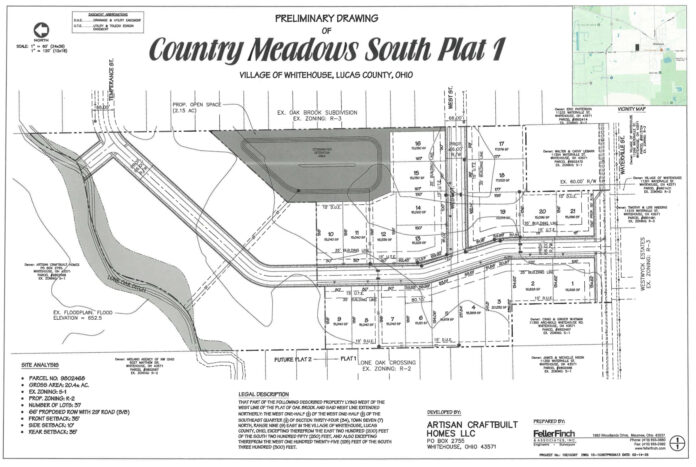
Plat of Country Meadows South (Courtesy Rendering)

WHITEHOUSE – Whitehouse Planning Commission’s 3-2 vote approving width variances for 10 of the 21 lots in Country Meadows South has at least three Whitehouse Village Council members considering a means to block that decision.

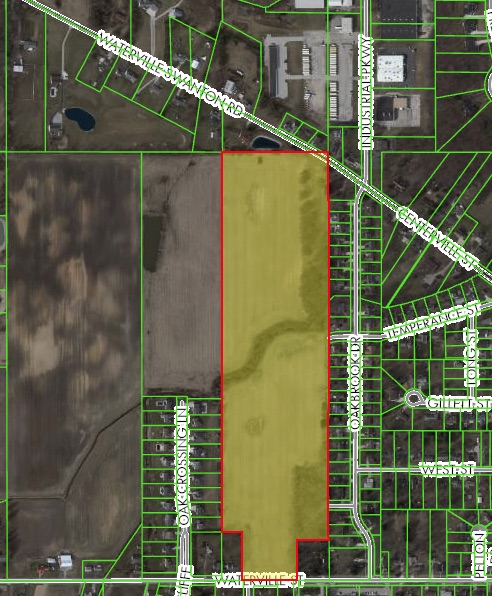
The Planning Commission met July 6 to consider a preliminary plat 1 for the subdivision, which will be built on the southern portion of a 37-acre parcel west of Oakbrook Drive. Developer Charlie Grass of Artisan CraftBuilt Homes sought the width variances on lots 3-12, from the 90 feet minimum required for his R-2 zoning, to 80 feet.

Map of Country Meadows. (Courtesy of AREIS)

In his application for the variance, Grass noted that the average lot width in nearby Oakbrook is 70 feet, and Westwyck is 60 feet. Both of those subdivisions are zoned R-3. Lone Oak Crossing to the west is R-2 and has the required 90-foot lots. Some of the corner lots in Country Meadows South’s preliminary plat are wider than the minimum, and all lots meet the required 15,000-square-foot area of an R-2.

It’s been more than a year since Grass first proposed zoning the land R-3, which was turned down by the Planning Commission after several neighbors spoke in opposition. At the time, Council – which makes the final decision in rezoning – told Grass that an R-2 would be acceptable. Instead, Grass returned asking for an R-2 PUD (Planned Unit Development), which allows flexibility in the design. That, too, was denied.

Council eventually approved an R-2 without the PUD. At the time, council members and residents shared concerns that variances, if approved, would essentially result in the lots being the same size as an R-3. 

“I feel like we compromised when we approved the R-2 and he came back with variances off the bat. So he’s getting an R-3 on 49 percent of the lots,” said Council Member Carrie Tuohy during the July 7 council meeting. “I feel like you think if you just keep asking you’ll get your way.”

Whitehouse Village Council is questioning a village Planning Commission decision to allow variances on 49 percent of the lots in Country Meadows South – a subdivision planned on the west side of town. (AWFP photo by Karen Gerhardinger)

Both Tuohy and Council President Steve Fine said that community members coming to the meetings were adamant that the property be at least R-2 if not an R-1, which has even larger lots. 

“I’m not sure providing a variance for 49 percent of the lots is consistent with the compromise,” Fine said.

Tuohy added that while she understands Grass needs to make a profit, she doesn’t want to do a disservice to all of the neighbors who have asked her to represent them.

One resident, Jeff Heaney of Centerville Street, has come to every meeting about the development. During the July 7 council meeting, Heaney said he believes granting a 49 percent variance is subverting the zoning designation of the R-2.

“Variances should exist to eliminate anomalies that create an inability to make a lot buildable,” Heaney said, noting that Grass has an empty canvas, and that “nowhere on an empty canvas can a hardship exist.”

Administrator Jordan Daugherty said there’s no precedence on percentages or types of variances granted during a site plan review – which is an administrative issue by the Planning Commission. He noted that during that same July 6 meeting, the Planning Commission approved a 100 percent variance on a request by Whitehouse Square Townhomes developer Tom Roehrs to change the width, by one foot or less, on all 33 lots, and one foot rear yard setbacks for some of the lots. The commission also approved a variance for minimum square footage for each floor of the townhomes, from a minimum of 1,000 square feet to anywhere from 936 to 955 square feet.

Granting variances is pretty normal, said Law Director Kevin Heban, who has represented area communities for nearly 40 years. What is unusual is for a council to overturn a Planning Commission decision.

“Some jurisdictions do require council approval of a plat, but Whitehouse’s charter doesn’t specifically say that,” he said, adding that the charter does have very broad language showing that council has the ultimate authority over what the Planning Commission does.

Council members Fine, Tuohy, Dave Riggenbach and Larry Yunker discussed possibilities for a compromise, such as having Grass eliminate one or two homes in order to lessen the density. All but Riggenbach voted to have Heban draw up an ordinance opposing the Planning Commission’s decision. 

Lane Williamson, an attorney with Eastman and Smith, addressed Council and said he wanted his official objection on the record. 

“The Planning Commission has sole jurisdiction. I think this is an abuse of corporate power,” he said, adding that Council reversing course of the commission will “result in damage.”

Williamson said he would be opening to working with Heban to see if the issue can be resolved. Council will vote on the ordinance seeking to change the Planning Commission decision during its August 4 meeting, when all council members – including Louann Artiaga and Joe Bublick – are also in attendance. 

Heban said he believes a compromise can be worked out, especially as the village is currently working to establish a residential TIF (Tax Increment Financing) agreement that would help fund the public infrastructure in the development, including a bridge to cross Lone Oak Ditch.

With a TIF, the increased property value – and the associated increase in taxes – is set aside in a fund to help fund those projects. The schools would still get their portion, but the rest would be in a fund used to reimburse Grass for his expenses. That’s an incentive for meeting in the middle, Heban believes.

During the meeting, council also:

-Heard that council members, during a Committee of the Whole (COW) meeting, discussed how the position of mayor would be replaced, if necessary, and possible outcomes of several scenarios. This discussion is not regarding Bingham, but rather the seat in general. Heban plans to draft legislation for council to review.

-Agreed with Council Member Artiaga’s plan for adding murals to both village-owned and privately-owned buildings in the downtown area.  She will present more details next month.

-Discussed an ongoing goal to build community leaders who will be willing and prepared to run for council seats or serve on boards and commissions.

-Heard the COO/deputy administrator position vacated by Josh Hartbarger‘s departure will remain open while Daugherty gathers information from the administrative team.

-Heard that America in Bloom representatives visited the village. Last year, the village received a national award from the organization for its hanging basket program – which consistently receives praise from residents and visitors.

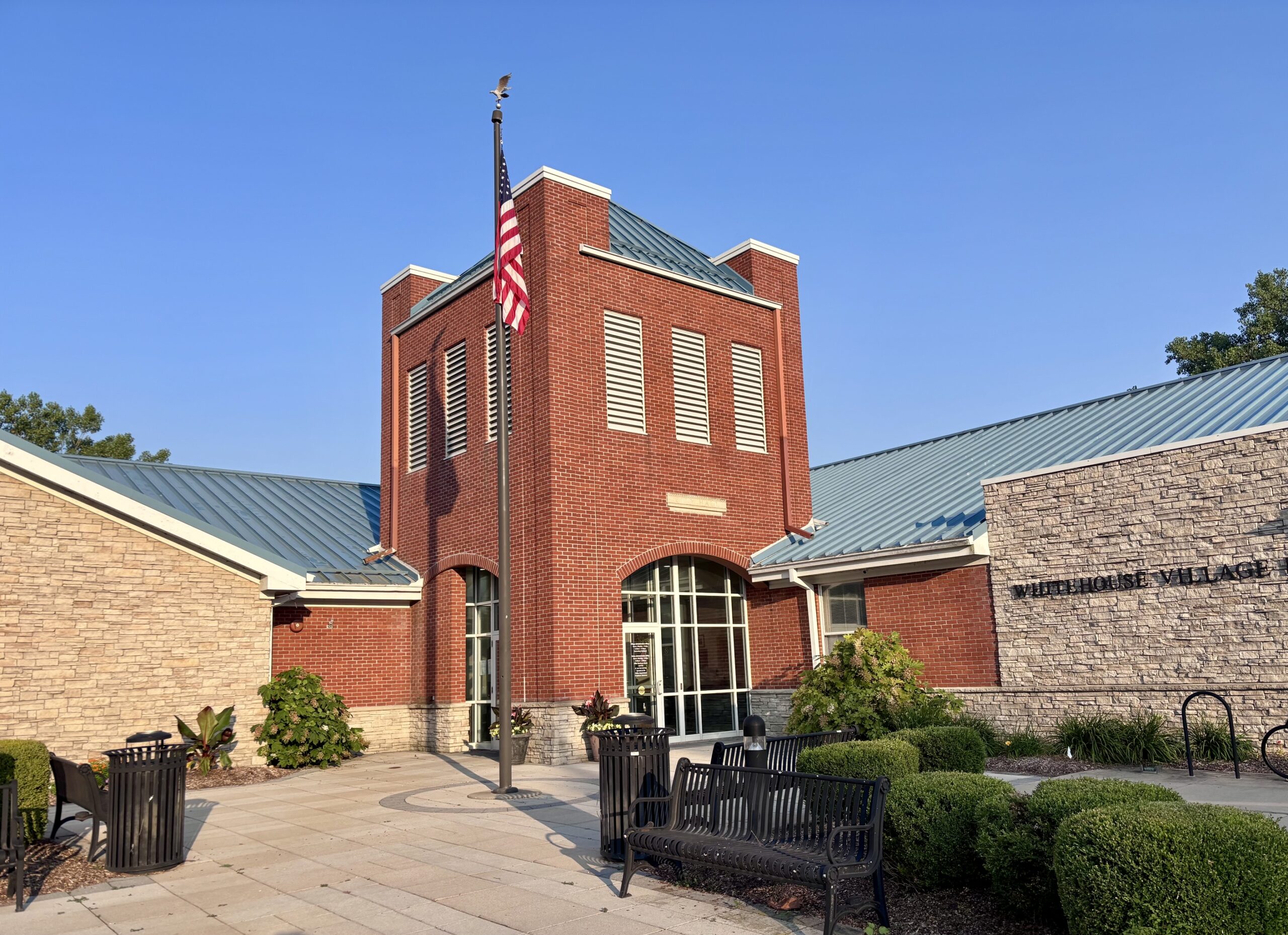
-Learned that Whitehouse Village Hall is one of eight locations with a tick collection box. The Toledo Area Sanitary District (TASD) is gathering ticks to identify and test for Lyme disease as part of a surveillance effort. Those who find a tick should remove it and put it in a tube available at the box, which has a QR code for entering information. 

-Appointed 19-year-old Bowling Green State University student Rick Hathaway to the Tree Commission. He would like to become an arborist.

-Wished Bea Ludwig – who served on Council for many years – a happy 90th birthday. 

-Recognized the contributions of the late Brian Lauer, who volunteered with the police and fire departments, and later the Anthony Wayne Food Ministry.

-Approved an agreement with the Ohio Department of Transportation related to a roundabout planned at Noward and S.R. 64 in 2028. The project includes relocating a water line and a sanitary sewer force main owned by the village. Whitehouse will pay for the water line, which is in the right of way, while ODOT will pay for the sanitary sewer force main. 

-Heard that Police Officer Addison White has resigned and accepted a job in Perrysburg. A conditional offer has been made to Jon LeGrand, an AW graduate who has been with Waterville Police.

-Learned that Cemetery Road resurfacing is underway.

-Heard Fire Chief Jason Francis recommend the purchase of a Braun ambulence from Penn Care at a cost of $369,925.

-Heard Police Chief Allan Baer thank DEWESoft for the donation of keyboards and mounts for the department’s mobile data terminals – a value of $3,366.

-Listened to resident James Szczerbiak of Julianna Lane speak about several topics, including a wish that the summer concert series was held June, July and August rather than the three months starting in May; a request that police monitor the sound levels of motorists suddenly accelerating as they drive east on Dutch Road at the rear of his property; a question about the type of vendors chosen for the Cherry Fest, which is handled by the Anthony Wayne Community Chamber of Commerce; and a thank you to the Public Works Department for quickly arriving to clean up spilled oil on the roadway from a contractor.

Einsteigerleitfaden für Online Casinos mit praktischen Tipps und Abläufen

0
Einsteigerleitfaden Für

Einsteigerleitfaden für Online Casinos mit praktischen Tipps und Abläufen

Der erste Besuch in einem Online Casino kann erstaunlich unübersichtlich wirken. Überall blinken Spielkacheln, Bonusbanner und Zahlungslogos, während man eigentlich nur verstehen möchte, wie der Ablauf funktioniert. Als ich mich zum ersten Mal damit beschäftigt habe, klickte ich viel zu schnell auf Angebote, ohne die Bedingungen wirklich zu lesen. Das war kein Drama, aber es hat mir gezeigt, dass ein ruhiger Start deutlich angenehmer ist.

Besonders praktisch fand ich es, zunächst die mobile Darstellung und die Menüs auszuprobieren. Über die Abuking app habe ich zum Beispiel gemerkt, wie wichtig eine übersichtliche Navigation für mich persönlich ist. Auf dem Handy wollte ich nicht zehnmal zurücktippen, nur um die Zahlungsseite oder die Spielhistorie wiederzufinden. Solche Kleinigkeiten fallen am Anfang oft erst auf, wenn man schon eingeloggt ist.

Ein Online Casino sollte für Einsteiger nicht vor allem spektakulär wirken, sondern nachvollziehbar. Wenn Regeln, Limits, Zahlungen und Bonusbedingungen schwer zu finden sind, ist das für mich eher ein Warnsignal als ein aufregendes Extra.

Ein Casino vor der Anmeldung prüfen

Bevor ich überhaupt ein Formular ausgefüllt habe, habe ich gelernt, mir ein paar Minuten für die Prüfung des Anbieters zu nehmen. Das klingt vielleicht selbstverständlich, doch beim ersten Versuch war ich mehr auf die Spieleauswahl fixiert als auf die Informationen im Fußbereich der Seite. Gerade dort stehen häufig Lizenzhinweise, Teilnahmebedingungen, Datenschutz und die Kontaktmöglichkeiten des Supports.

Für deutsche Spieler ist es sinnvoll, auf eine nachvollziehbare Regulierung und klare Regeln zum Spielerschutz zu achten. Dazu gehören Altersprüfung, Einzahlungslimits, Hinweise auf Pausen oder Selbstausschluss sowie transparente Informationen darüber, wie mit persönlichen Daten umgegangen wird. Ich mag Seiten, bei denen diese Punkte nicht versteckt wirken. Natürlich sagt ein schönes Design noch nichts über Seriosität aus, aber eine sauber strukturierte Informationsseite beruhigt mich trotzdem etwas.

Was ich vor dem Klick auf „Registrieren“ suche

Ich prüfe inzwischen nicht alles bis ins letzte Detail, aber ein kurzer Blick auf die wichtigsten Seiten gehört für mich dazu. Eine Support-Seite mit echten Kontaktwegen, nachvollziehbare Zahlungsoptionen und klare Spielregeln reichen oft schon, um ein erstes Gefühl zu bekommen. Wenn nur ein Kontaktformular existiert und kaum Bedingungen auffindbar sind, lasse ich es eher sein.

Kleine Geduld am Anfang spart später Nerven. Ich würde kein Geld einzahlen, bevor ich nicht weiß, wie die Auszahlung beantragt wird und welche Prüfung dafür vorgesehen ist.

Konto eröffnen und Daten korrekt angeben

Die Registrierung selbst ist meist schnell erledigt, aber gerade hier passieren die Fehler, die später unangenehm werden können. Mein erster Gedanke war, dass ein Benutzername und eine E-Mail-Adresse wohl genügen würden. Tatsächlich braucht ein Casino in der Regel vollständige und korrekte persönliche Angaben, denn die Identität muss vor einer Auszahlung oder teilweise schon vorher geprüft werden.

Ich habe mir angewöhnt, Name, Geburtsdatum und Adresse genauso einzutragen, wie sie in meinen Dokumenten stehen. Keine Spitznamen, keine alte Anschrift, keine kreative Schreibweise. Das wirkt banal, doch Abweichungen können Nachfragen auslösen. Einmal musste ich bei einem anderen Dienst wegen eines fehlenden zweiten Vornamens nachreichen, und seitdem gehe ich bei Formularen etwas langsamer vor.

  1. Zuerst lese ich die Angaben zur Volljährigkeit, zum Wohnsitz und zu den erlaubten Zahlungsmethoden.
  2. Dann registriere ich mich mit einer E-Mail-Adresse, auf die ich wirklich Zugriff habe.
  3. Anschließend bestätige ich die E-Mail und richte, falls vorhanden, zusätzliche Sicherheitsoptionen ein.
  4. Danach kontrolliere ich meine Profildaten noch einmal, bevor ich eine Einzahlung vornehme.
  5. Zum Schluss kläre ich die Verifizierung, wenn das Casino sie direkt anbietet oder verlangt.

Dieser Ablauf klingt etwas nüchtern, aber ich finde ihn hilfreich. Früher habe ich mich einfach registriert und wollte sofort spielen. Heute sehe ich das Konto eher wie ein Finanzkonto im Kleinen: Zugangsdaten müssen sicher sein, Angaben müssen stimmen, und man sollte wissen, was passiert, wenn eine Auszahlung geprüft wird.

Passwort und Kontoschutz nicht nebenbei behandeln

Ein eigenes, langes Passwort ist kein besonders spannender Tipp, aber ein notwendiger. Ich nutze nicht dieselbe Kombination wie für soziale Netzwerke oder E-Mail. Wenn ein Anbieter eine Zwei-Faktor-Anmeldung anbietet, würde ich sie aktivieren. Es dauert nur ein paar Sekunden länger, und ich schlafe damit ehrlich gesagt ruhiger.

Boni realistisch einschätzen

Der Willkommensbonus war anfangs genau der Punkt, an dem ich zu ungeduldig wurde. „100 Prozent bis zu einem bestimmten Betrag“ klingt erst einmal großzügig. Erst beim Lesen der Bedingungen wurde klar, dass ein Bonus oft Umsatzvorgaben, Fristen, Spieleinschränkungen oder Einsatzlimits enthält. Das bedeutet nicht automatisch, dass ein Bonus schlecht ist. Er ist nur kein kostenloses Geld, so einfach ist es leider nicht.

Ich entscheide inzwischen bewusst, ob ich einen Bonus überhaupt aktivieren möchte. Wenn ich nur ein paar Runden spielen und danach eventuell auszahlen lassen will, passt ein umfangreicher Bonus manchmal gar nicht zu meinem Plan. Ohne Bonus ist die Einzahlung zwar weniger aufregend, aber der Überblick bleibt leichter. Vielleicht ist das etwas langweilig, doch genau das ist für Einsteiger häufig ein Vorteil.

Punkt Worauf ich achte Warum es wichtig ist
Bonusbetrag Maximaler Betrag und eigener Einsatz Große Zahlen wirken sonst schnell größer, als sie praktisch sind.
Umsatzbedingungen Wie oft Bonus oder Einzahlung umgesetzt werden müssen Sie bestimmen, wie schwer eine Auszahlung des Bonusguthabens wird.
Frist Ablaufdatum des Angebots Ein Bonus kann verfallen, bevor man ihn sinnvoll genutzt hat.
Spielbeitrag Welche Spiele wie stark zählen Nicht jedes Spiel bringt beim Umsatz denselben Fortschritt.

Ich lese bei Bonusaktionen besonders den Abschnitt zu maximalen Einsätzen. Wer während einer Bonusphase zu hoch setzt, kann gegen Bedingungen verstoßen und den Bonus verlieren. Solche Regeln sind nicht gerade unterhaltsam zu lesen, aber sie sind wichtiger als das bunte Banner auf der Startseite.

Mit Slots und Tischspielen beginnen

Bei der Spieleauswahl war ich zunächst komplett überfordert. Es gibt klassische Slots, Video Slots, Live-Spiele, Tischspiele, Sofortspiele und manchmal Kategorien, deren Namen mir wenig gesagt haben. Mein erster Fehler war, ein Spiel nur wegen der Animation auszuwählen. Nach ein paar Minuten wusste ich nicht einmal, wie die Bonusrunde ausgelöst wird oder was die Symbole eigentlich bedeuten.

Heute starte ich bei einem neuen Spiel immer mit der Informationsseite. Dort stehen Einsatzbereich, Gewinnlinien, Sonderfunktionen und häufig auch die theoretische Auszahlungsquote, oft als RTP bezeichnet. Diese Quote beschreibt langfristige statistische Werte und ist keine Vorhersage für meine nächste Runde. Das musste ich mir am Anfang wirklich bewusst machen. Zehn Verluste hintereinander beweisen nicht, dass ein Gewinn „fällig“ ist.

Mein ruhiger Einstieg bei Slots

Slots fand ich für den Einstieg übersichtlicher als manche Tischspiele, weil der Ablauf schnell verständlich ist. Trotzdem wähle ich niedrige Einsätze und setze mir eine kurze Testphase. Bei meinem ersten längeren Abend hatte ich nur 20 Euro eingeplant und spielte Runden zu 20 Cent. Nach ungefähr einer halben Stunde merkte ich, dass ich eher die Funktionen beobachtete als auf einen Gewinn zu hoffen. Das war wahrscheinlich ein besserer Anfang als ein hoher Einsatz aus Nervosität.

  • Ich schaue vor dem Start auf den Mindesteinsatz und die verfügbaren Einsatzstufen.
  • Ich lese zumindest kurz die Spielregeln und die Erklärung der Symbole.
  • Ich verwende keine Autoplay-Funktion, wenn ich mich noch unsicher fühle.
  • Ich breche ab, wenn ich merke, dass ich nur noch Verluste ausgleichen möchte.

Tischspiele können ebenfalls interessant sein, verlangen aber meist mehr Aufmerksamkeit. Bei Roulette, Blackjack oder Live-Angeboten würde ich die Regeln erst ohne Echtgeld verstehen wollen. Gerade bei Blackjack dachte ich anfangs, man müsse einfach möglichst nah an 21 kommen. Die Entscheidungen zu Karten, Risiken und Varianten sind dann doch etwas komplexer, als sie auf den ersten Blick aussehen.

Einzahlungen, Auszahlungen und persönliche Limits

Der Geldbereich ist für mich der Teil, bei dem ich am wenigsten improvisieren möchte. Eine Einzahlung sollte nur aus einem Betrag bestehen, dessen Verlust ich problemlos akzeptieren kann. Glücksspiel ist Unterhaltung mit Risiko, keine Methode, um Rechnungen zu bezahlen oder einen finanziellen Engpass zu lösen. Dieser Satz klingt streng, aber ich halte ihn für den nützlichsten Grundsatz überhaupt.

Vor einer Einzahlung prüfe ich, welche Methode ich für Auszahlungen verwenden kann und ob Gebühren oder Bearbeitungszeiten genannt werden. Manche Zahlungsarten sind sehr bequem zum Einzahlen, aber nicht immer die passendste Wahl für die Rückzahlung. Außerdem kann eine Verifizierung nötig sein, bevor Geld ausgezahlt wird. Das ist normal, trotzdem möchte ich es vorher wissen und nicht erst dann, wenn ich ungeduldig auf mein Guthaben schaue.

Mein praktischer Rahmen ist einfach: Ich lege vor dem Spielen einen festen Betrag, eine Zeitspanne und einen klaren Stopp fest. Wenn eines dieser Limits erreicht ist, schließe ich die Seite, auch wenn gerade noch eine Runde verlockend aussieht.

Warum Auszahlungen einen Test wert sind

Wenn ich eine Plattform länger nutzen möchte, finde ich eine kleine Auszahlung sinnvoller als sofort große Summen zu bewegen. So sehe ich, ob der Ablauf verständlich ist, welche Dokumente verlangt werden und wie der Status im Konto angezeigt wird. Geduld gehört dazu. Eine Auszahlung kann je nach Methode und Prüfung Zeit brauchen, und hektisches Nachklicken macht sie nicht schneller.

Typische Fehler in den ersten Tagen

Mein größter Anfängerfehler war nicht ein bestimmtes Spiel, sondern die Haltung, alles schnell verstehen zu wollen. Ich habe zu viele Kategorien geöffnet, mehrere Bonusseiten parallel verglichen und dabei den Überblick verloren. Im Rückblick wäre es besser gewesen, mit einem Spiel, einer Einzahlungsmethode und einem klaren Zeitlimit zu starten. Nicht besonders glamourös, aber viel entspannter.

Ein weiterer Fehler ist das sogenannte Hinterherjagen von Verlusten. Ich kenne dieses kurze Gefühl, nach einer verlorenen Runde noch einmal einzahlen zu wollen, weil sich der Verlauf doch drehen könnte. Genau in diesem Moment hilft mir eine Pause. Ich gehe kurz weg, trinke ein Glas Wasser oder schließe die App. Wenn der Gedanke danach noch immer unangenehm drängt, spiele ich an dem Tag gar nicht weiter.

Auch Bewertungen anderer Spieler können hilfreich sein, aber ich lese sie mit etwas Abstand. Einzelne sehr begeisterte oder sehr wütende Kommentare erzählen meist nur einen Ausschnitt. Nützlicher sind wiederkehrende Hinweise, etwa zu Support, Verifizierung, Auszahlungsdauer oder Problemen bei Bonusbedingungen. Ich versuche, zwischen einer persönlichen Enttäuschung und einem wiederholten Muster zu unterscheiden.

Fazit

Fazit: Mein Einstieg in Online Casinos wäre einfacher gewesen, wenn ich weniger auf große Versprechen und mehr auf den Ablauf geachtet hätte. Eine saubere Registrierung, korrekte Daten, ein nachvollziehbarer Bonus und kleine Einsätze sind für mich die solide Grundlage. Ich spiele nur dann, wenn das Budget vorher feststeht und ich den möglichen Verlust ohne Ausreden akzeptiere. Wer langsam beginnt, Bedingungen liest und Pausen ernst nimmt, erlebt die ersten Schritte meist deutlich kontrollierter und, zumindest meiner Erfahrung nach, auch angenehmer.

Letter to the Editor: Luken’s story & the importance of kindness

0
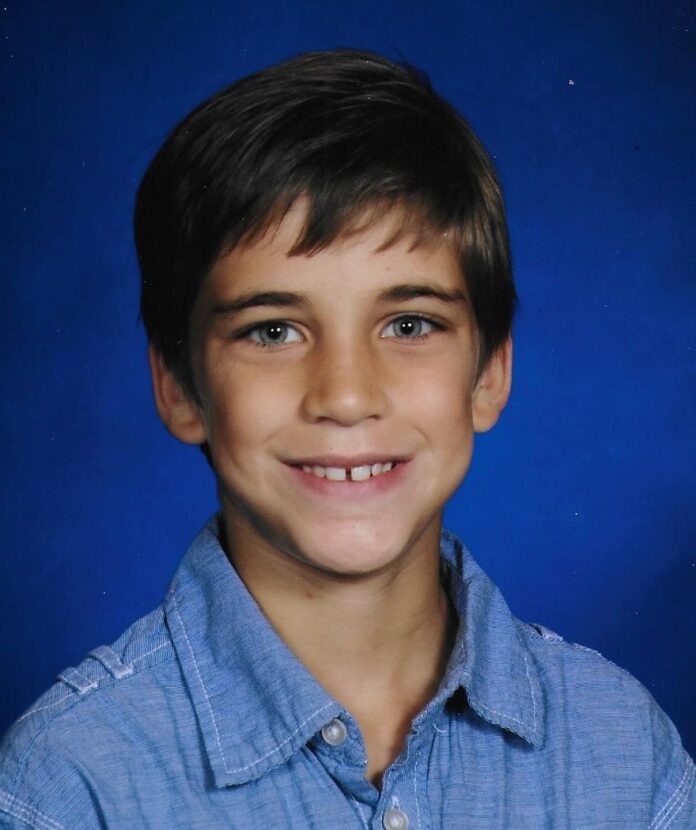
Luken Boyle. (Courtesy photo)

People often ask me who Luken was. I could tell them he loved football, basketball, baseball, golf, fishing, and riding his bike. I could tell them he had just finished eighth grade and was excited to start high school. All of those things are true. But what I want people to know first and foremost is this:
Luken was kind.

He was the young man who noticed someone standing alone. He welcomed others, especially those who felt left out. He believed everyone deserved to feel seen, valued, and included. Luken was generous with compliments, spreading joy everywhere he went. Kindness wasn’t something he practiced occasionally—it was simply who he was.

On July 31, 2017, our lives changed forever.

After an incident of cyberbullying, my 14-year-old son made an impulsive decision that ended his life. In a single moment, our life as we knew it ended as well. I stepped into a nightmare. I had entered a world no parent ever imagines.

The hours that followed are forever etched in my heart.

I will never forget the first responders who rushed in to take over giving my sweet boy CPR. I will never forget the emergency physicians, nurses, respiratory therapists, and every member of the trauma team who fought with every ounce of their knowledge, skill, and compassion to save my son’s life.

They did not know Luken.Yet, in those moments, they loved him enough to give everything they had.

As a mother, I was overwhelmed by fear and unimaginable heartbreak. My family was living through the worst day of our lives.

Years later, I’ve come to understand something I couldn’t see in those first unbearable hours.

That day did not wound only our family. It also touched every paramedic who answered the call, every nurse who cared for Luken, every physician who refused to stop trying, and every member of the healthcare team who walked out of that room carrying the quiet ache that comes when a child cannot be saved.

Their grief is not the same as ours. But it is real.

As a mother, I want every first responder and healthcare professional who cared for Luken to know that our family has never forgotten their compassion, their courage, or their humanity. After the organized chaos of trying to save my son had come to a halt, I was brought in to sit with Luken. 

As reality set in, the guilt hit me and I began to question everything that was said and done in the moments leading up to Luken taking his life. The details began pouring out of me as I shared what happened with the team of doctors and nurses who tried so hard to save his life. 

In my mind, they had every right to judge me, and I felt I deserved to be blamed for Luken’s death. Instead they mourned with me. They told me that I handled the situation better than they would have and made me feel that we were in this moment together. They were with my son when he needed them most and they were there for me as well. They continue to carry the emotional weight of moments like these long after the rest of the world has moved on, and they will never know how their compassion helped bring me comfort when I needed it most. For that, they have my deepest gratitude.

Then came the grief.

There are simply no words that can describe the silence that follows the loss of a child. Birthdays become reminders. Holidays are forever changed. Empty chairs speak louder than words. Every milestone becomes another moment when you realize someone you love should still be here.

Like every grieving parent, I searched for answers. I wondered what I had missed. I replayed conversations. I asked questions that could never be answered.

Eventually, I realized that living in those questions would never bring Luken back. Instead, they led me to another question: What can we do to make sure another family never has to experience this heartbreak? That question became our purpose.

Our family made a promise that Luken’s story would not end with tragedy. If we could not change what happened to him, perhaps we could change what happens to someone else. That promise became the Luken T. Boyle Campaign for Kindness.

Today, our mission is to promote kindness, prevent bullying and cyberbullying, encourage conversations about mental health, and help create schools and communities where every child feels they belong.
Over the past eight years, I have met thousands of students, parents, educators, healthcare professionals, and community members. Again and again, I hear stories that remind me one person truly can make a difference.

One encouraging text. One invitation to join a lunch table. One teacher who notices. One friend who refuses to laugh at someone else’s humiliation. One adult willing to ask, “Are you okay?”

Kindness changes lives.

Today’s children carry incredible power in the palm of their hands. Through a smartphone, they can encourage someone—or devastate them. They can make another child feel included—or completely alone.

Technology itself isn’t the problem. How we choose to use it is.

I believe we can do better. I believe kindness can become contagious. I believe we can teach our children that compassion is strength, empathy is courage, and every person deserves dignity—both online and in person. Most of all, I believe Luken’s legacy is not defined by how he died. It is defined by how he lived.

That is why I hope you will join us for the 9th Annual Luken T. Boyle Kindness Rally on Thursday, July 23, from 4 to 7 p.m. at Hensville Park in downtown Toledo.

Come with your family. Bring your children. Gather your friends. Meet the people who have become part of this movement.

Celebrate kindness. Leave inspired to make a difference. But don’t let your commitment end when the rally is over. Join our Campaign for Kindness. Make kindness intentional every day. Choose words that heal instead of hurt. Stand beside someone who feels alone. Speak up when bullying happens. Teach your children that every message they send, every comment they post, and every interaction they have is an opportunity to change someone’s life.

We cannot change what happened to Luken, but together, we can change what happens to the next child. That is my promise to my son. It is also my invitation to you. Please join us. Spread kindness. Protect one another. And together, let’s save lives.

*The Toledo Free Press has a story forthcoming with more details on the Campaign for Kindness and upcoming rally.

Monclova Road Dept. new name & home rule on ballot approved

0
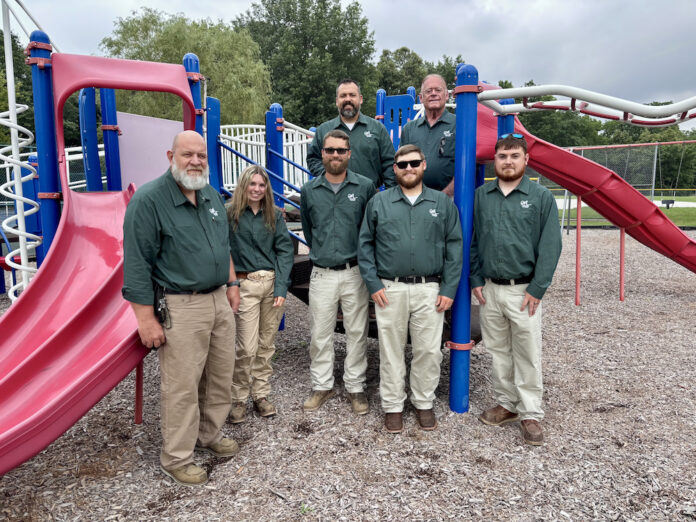
Members of the Monclova Township Public Works Department – formerly the Roads Department – including, front row (from left) EJ Miller, Patricia Borer, Greg Nye, Kyle Keifer and David Clark and, top row, supervisor Doug Holland and Todd Osborn. (AWFP photo by Karen Gerhardinger)

MONCLOVA TOWNSHIP – During their July 6 meeting, Monclova Township trustees approved a name change for the Road Maintenance Department and agreed to ask the Lucas County Board of Elections to put on the November ballot a question of whether the township should become a limited home rule government.

Public Works

Taking care of Monclova Township roads is just a fraction of what the seven-person Road Maintenance Department does each day. Storm water management, signage, parks and buildings within the township – in addition to plowing roads, picking up leaves and clearing right-of-way areas – are among the duties handled by the staff, said Supervisor Doug Holland.

Recognizing this scope of work, Monclova Township trustees voted to give the department a name that’s more fitting, and in line with similar-size communities: Public Works.

Staff members arrived in new khaki work pants and green Monclova Township shirts to hear the trustees vote in favor of the change. Todd Osborn is the most senior employee, with 27 years, followed by EJ Miller, who during his 24 years has become the head mechanic, taking care of vehicles and equipment. David Clark, Greg Nye and Kyle Keifer, along with Holland, have been with the department just under four years. Patricia Borer joined a year ago.

Limited Home Rule

During the meeting, the trustees voted to ask the Lucas County Board of Elections to place on the ballot a request to adopt a Limited Home Rule (LHR) form of government. This would allow the township to retain control over zoning and expand its ability to handle nuisances – such as noise, junk cars and tall grass – more effectively, said Administrator Michael Hampton.

“Township governments are limited by our state legislators on what we can and cannot do,” he said, explaining the LHR gives the township more “teeth” to enforce ordinances.

While the township can encourage residents to take care of their property and be respectful of neighbors, it’s difficult to enforce without a more punitive mechanism to enforce the nuisance laws, he explained. 

While Trustees Barbara Lang, Chuck Hoecherl and Debbie Stevens-Laux voted in favor of putting it on the ballot, Stevens-Laux expressed reservations, stating that she’d like to see LHR being used to control gas plants, data centers and other industry rather than neighbor complaints.

Currently, 34 townships have LHR, including Perrysburg Township and Sylvania Township. 

“By adopting Limited Home Rule, townships get a few additional authorities that are not permissible for statutory townships,” said Ohio Township Association Director of Communications Anne Beauch.  “OTA believes that all townships should have the similar inherent authority afforded to villages and cities.”

LHR townships must have police protection, whether by a contract with the sheriff or their own police department, as well as an administrator and also a law director instead of the county prosecutor. LHR townships can also adopt building codes, supply water/sewer, impose civil fines, and have higher net indebtedness, she said. Monclova Township currently has its own police protection, administrator and law director.

While the township cannot spend tax dollars or resources proposing LHR, it can provide informational material to distribute, Hampton said.

During the meeting, the board also:

-Heard that Geddis Paving is moving rapidly on the Albon and Monclova roundabout, and expect to begin curb construction at the end of the week and intermediate paving next week.

-Heard that legal notices – such as announcements of zoning change requests or public meetings – are easily accessible on the township home page at monclovatwp.org, which has a “Legal Notices” tab. These notices will also be posted on the Anthony Wayne Free Press site: anthonywaynefreepress.com. All legal notices will be posted 10 days prior to a hearing. This satisfies the state’s requirements for notification.

-Approved hiring DGL to do a topographical survey of three properties on Monclova Road for $12,035. The township purchased two of the properties – .65 acres at 8040 and .93 acres at 8042 – for $290,000 each last year. The 2.8-acre 8032 is owned by Kerrent Properties, whose representative, Dave Kerscher, has waited for sanitary sewer lines to be installed in order to develop the land. Hampton said the township is in discussions with Kerscher about possibilities for the three adjacent properties on the north side, but a survey would be the first step. The township also owns .15 acres at 8006 Monclova Rd., but this is not included in the survey. Kerscher said the goal is to create a downtown development like one residents asked for during a township-wide survey for the Comprehensive Land Use Plan Update.

-Agreed to purchase two vehicles from Perrysburg Auto Mall: a 2026 GMC Sierra 1500 Crew Cab Pickup for $50,000 and a 2027 GMC Terrain for $35,000. These vehicles will be used by staff members who have been using personal vehicles for township business, which creates liability and insurance concerns, Hampton said. Currently three staff have been sharing one vehicle, and plans call for adding additional staff.

-Heard Fiscal Officer Gavin Pike say that a past due notice and a notice of audit has been sent to Baymont Inn owners, as the business is delinquent on its payments and not corresponding.

-Heard Hampton say that he and Zoning Administrator Eric Wagner attended the June 24 Lucas County Planning Commission meeting where Waterville Township’s proposed zoning text amendments were discussed. Even though the LCPC declined making a recommendation, Hampton said he and Wagner will continue to meet with Molly Maguire, senior planner for the county, to look for ideas on how Monclova Township can address data centers in its zoning resolution. 

-Approved a conditional offer of employment for part-time firefighter Thomas Bland, and accepted the resignation of part-time firefighter/paramedic Nicholas Lishewski.

-Heard Dana Clark, business development administrator for the Toledo-Lucas County Port Authority, explain that Miller Diversified, owner of the Maumee Keystone building at 3410 Briarfield Boulevard, has applied to use Property Assessed Clean Energy (PACE) financing for energy efficiency improvements. Over 15 years, the Port has done 210 loans, including three in Monclova. The property owner will repay the loan through an assessment on property taxes.

-Approved T&J Excavating and Tree Clearing to remove two dead pine trees at Swan Creek Cemetery for $3,200 and 10 leaning trees on Lose Road for $7,800.

Established a fund to collect donations for the 175th anniversary celebration in 2028, and to contract with Kristina White to facilitate the event and work with sponsors.

-Agreed to allow the administrator to spend up to $10,000 – the statutory limit – without seeking board approval.

Public Works duo aids in e-bike emergency

0
Monclova Township Public Works employees David Clark and Greg Nye quickly responded when they saw a 14-year-old riding an e-bike that caught fire on Monclova Road on July 9. (AWFP photo by Karen Gerhardinger)

MONCLOVA TOWNSHIP – Monclova Township Public Works employees David Clark and Greg Nye were following one another out of Clearwater subdivision in a pickup and a chipper truck on July 9 when they saw something unusual: a teen on an e-bike that was billowing white smoke, then “fireballs” as he drove east on Monclova Road.

The two blocked the road to traffic with their vehicles and jumped out to assist the 14-year-old as he exited the bike. While Clark stayed with the teen – who was also assisted by two women who left before sharing their names – Nye grabbed an extinguisher from the truck and worked to put out the fire coming from the lithium battery.

“It was crazy,” Nye said. 

The fire appeared to start as the e-bike rider was near the entrance to Olde Farm. Clark believes the teen was still riding 20 mph or more when the fire started, and it took until the Waterside entrance for him to slow down enough to exit the bike.

“He probably didn’t know what was going on. When he jumped off, it was a pretty big fire,” Clark said. 

Public Works Supervisor Doug Holland credits the two for their quick thinking.

“It’s not really in the job description,” Holland said. “These two impressed the snot out of me. They handled it well. I think they deserve the keys to the city – except they already have them.”

With a background in fire/EMS, Holland understands how his two employees’ actions were beneficial. By blocking the roadway, they created a safe space for the Monclova Township Fire & Rescue that arrived minutes later. It also ensured that no one hit the teen, who at first was running in the road after exiting his bike. Holland also noted that both men exhibited the kind of “bedside manner” that is vital for working with patients in an emergency situation. As parents, both Clark and Nye immediately felt protective of the teen.

“Instincts just kicked in, because I’ve got three boys,” Clark said. “I did what I thought was right. I would hope people would do the same for my kids.”

Fire Chief Matt Homik said the two men were able to keep the fire down until crews arrived. The teen was transported to Toledo Children’s Hospital. Later, Holland learned from the boy’s family that he was taken to University of Michigan for burn treatments, noting that it’s not life-threatening. While the teen was wearing a helmet, which protected his face, he appeared to have burns on his hands and legs, as he was wearing shorts and no gloves.

“I wished he’d been wearing pants instead of shorts,” Holland said.

By Friday morning, as they prepared to start another day, Clark and Nye looked over the e-bike remains housed in the maintenance yard. Nye pulled up a picture of a Tuttio e-bike on his phone. The bike retails for $1,000 to $1,500. The model in the yard appears to have its off-road tires changed to road-worthy tires.

A representative from the State Fire Marshal’s office was set to arrive to do an investigation, which is required in any incident that involves injury or death, Homik said. An investigation could reveal if there were any product recalls or other issues, he said. 

“We haven’t really had any e-bike issues, but we’ve had lithium battery issues in fires,” Homik said.

Working out of the Keener Road facility, Holland often interacts with park users, including teens and adults riding e-bikes. While he knows some adults complain about e-bike use by kids, Holland said 90 percent of the people he sees riding down the Wabash Cannonball Trail are older people who need the rider assist. But he does advise the younger riders to “not be stupid” as they use the trails.

“This is the new bicycle of our generation, whether we like it or not,” he said, adding that he’d like to see a focus on education and regulation on the multiple types of e-bikes that are out on the market.

For the 14-year-old riding on the side of Monclova Road, the incident turned his plans to take his girlfriend to the movie theater into a trip to the hospital. Holland said he plans to keep in touch with the family.

Toledo Free Press Voter’s Guide: David Pepper

0

David Pepper, former Ohio Democratic Chair and Hamilton County commissioner, is the running mate of gubernatorial candidate Dr. Amy Acton. In an interview with Political Reporter Jaden Jefferson, following a recent press conference in Toledo, Pepper answered questions about how an Acton administration would approach property taxes & school funding, healthcare costs, and the rapid growth of data centers for artificial intelligence.

America 250 keeping area reenactors busy

0
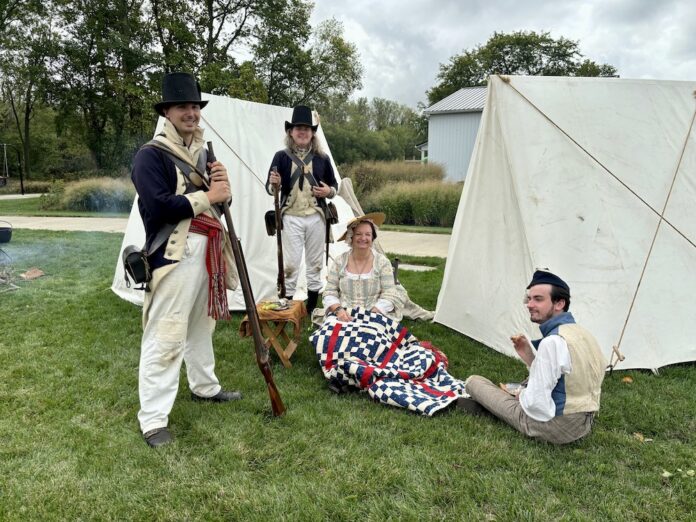
Among the historical reenactors in a camp set up in Parker Square during the 2024 Roche de Boeuf Festival are (from left) Alex Dishaw, Nathan Boerner, Kathy Dowd and Joseph Dowd. This year, reenactors have been busy sharing the stories of America's 250 years. (AWFP photo by Karen Gerhardinger)

With America’s 250th anniversary, reenactors have been busier than ever, sharing the stories of those involved in the founding of this country – and those impacted along the way.

Representing pioneers, Native Americans, generals and soldiers, these reenactors don’t just buy clothing online and show up for an event. For many, these living history presentations are the result of years of continually updating research, assembling attire and accessories, and honing skills in order to accurately portray a person or a culture in a way that’s engaging, educational and respectful. 

The Anthony Wayne Free Press caught up with a few of these reenactors ahead of two local events – the Saturday, July 11 Twilight on the Battlefield and the Tuesday, July 14 for Kids Dig History Day – which will feature living history presentations.

Joel E. Burg 

“This year has been especially rewarding to share information pertaining to our 250th celebration,” said Joel E. Burg, who on July 11 will portray Antoine Lasalle, a French fur trader and member of the Volunteer Companies of Refugees, and fought with the Native Confederacy at the Battle of Fallen Timbers.

Growing up, his family vacations always included visits to historic sites. In the years since, he has participated in encampments, reenactments and historical presentations, representing men from the 1790s to the 1970s Vietnam era.

“Ohio is rich in history, and the Ohio territory played an important role in our national identity, he said. “History matters! We need to know our own, our local and national history to understand current issues and how they may affect the future.”

Taylor Moyer

Taylor Moyer, a member of the Black Swamp Intertribal Foundation, will dress in traditional regalia to share the history of Native people during the Northwest Ohio Indian Wars of 1790-1796 during both events.

“Native Americans do not believe in portraying ancestors,” said Moyer, who instead of focusing on one person, works to reflect the experiences of the Natives living in the Maumee River Valley.

His path to becoming a reenactor or living history representative started in 2003, when as a junior historian with the Henry County Historical Society (HCHS), he dressed for an Ohio bicentennial event.

“I was there with my two friends in the most unauthentic, worst-researched clothing you could have imagined,” he laughed, adding that the HCHS at the time didn’t have any reenactors or historians to guide him.

Michael McMaster, who was with the Wood County Historical Society at the time, was at the event and invited Moyer to come to Fort Meigs for a Memorial Day reenactment. With guidance from McMaster, and then Cherokee John Baer, Moyer gained the knowledge and skills to share the stories of the earliest settlers of the Ohio River Valley.

“John Baer was my mentor, guide and compass when it came to the work I do. I always carried the torch to tell the story,” said Moyer, who said he’s always known his own family’s history, which includes ancestors who took part in the American Revolution and Civil War.

With the 250th anniversary, he and the members of his group have focused more heavily on the Native American participation in the Revolutionary War and the period of the 1790s to 1812. Some are Native Americans and some are not, but all are focused on educating the public.

“We refer to ourselves as a traveling, living history exhibit,” he said. “To do the work right, to go out in the heat in wool clothing and part from family, you’ve got to love it.”

The reasons for getting into reenactments are as varied as the people, he said. Some like to camp, or the culture. Some are museum professionals, educators or fine artisans. Moyer teaches history and senior human cultural studies classes at Toledo School for the Arts, including world religions. Over the years, many of his students have come out to reenact with him; others have gone on to earn master’s degrees in history and work on Native American reservations or in museums.

Like many reenactors, Moyer sees what he does as a lifestyle and a continuation of his passion for history. At home, he’s growing and cultivating crops that date back to the first Native American people: corn, sunflowers, squash and beans. 

“I’m an unwavering advocate for public history. A fierce advocate for the earliest stories of the early Ohio River Valley and the historic sites of Fort Miamis, Fallen Timbers and lesser known sites,” he said. “I have a great emotional connection to these places that’s hard to articulate. “

As he prepares himself for the Twilight on the Battlefield, Moyer knows he’ll think about what a Native Confederation member must have thought and felt as he prepared for the Battle of Fallen Timbers.

“I have twins and a five-year-old, a wife and sisters-in-law. What must it feel like to know I might not come back from this? I try to be incredibly respectful and advocate for all cultures and people,” he said.

Now 37, Moyer said he’s seen audience questions change in the years since that Ohio Bicentennial event. It used to be the questions were simple: What did they eat? What is that bow and arrow made of? What were the tribes? Now many in the audience are well-read, and he might get specific questions about the Northwest Ordinance and how it impacts life today, for example.

When he hears an audience member say, “I learned more today from you than I ever did in history class,” Moyer said he knows he’s made an impact.

Jan Lowe

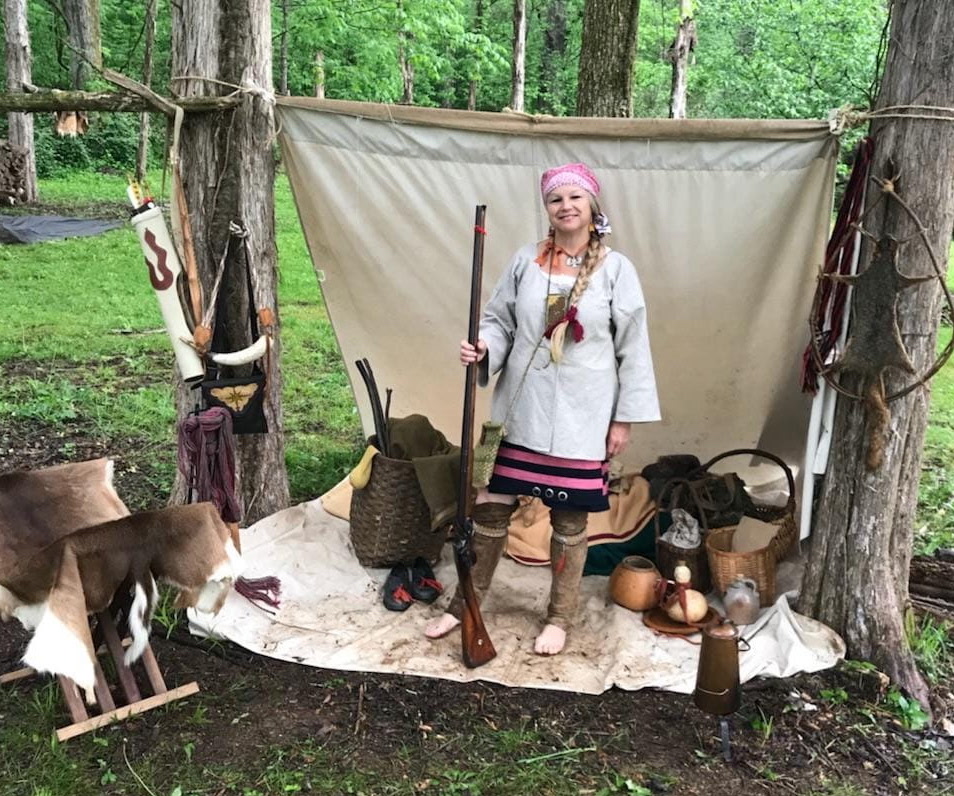
Jan Lowe portrays Frances Slocum, who was a Quaker living in Pennsylvania when she was taken and adopted by the Lenape, and later the Miami tribe. Slocum chose to remain among the Miami throughout her life. (Courtesy photo)

During the 225th anniversary of the Battle of Fallen Timbers in 2019, Jan Lowe introduced visitors to Frances Slocum (1773-1847), who was taken by the Lenape, or Delaware, when she was five years old. While Slocum wasn’t present at the battle, her story – and way of life – resonates with that time period, Lowe said.

A Quaker, Slocum was living with her family in Wyoming Valley, Penn. when she was taken and adopted by a childless couple. She later joined the Miami tribe and given the name Maconaquah, or “young bear.” She married Shepoconah, a Miami chief, and they had four children, including two daughters who lived to adulthood. Her Quaker family found her in 1838, but Slocum chose to remain in Indiana.

Slocum probably had become too adjusted to life as a Native woman, enjoying much more freedom than other women at the time, Lowe said. Native women owned the tent, had clan mothers, and advised the men on when to plant or go to war, she said.

Lowe credits Jamie K. Oxendine, a member of the Lumbee Tribe of North Carolina who previously taught Native American studies at several universities, with giving her insight into the Native ways of gathering, hunting and preparing foods.

As she depicts Slocum, Lowe talks about the foods, the customs and the materials. To make her clothes, Lowe uses natural fibers like cotton, linen or wool, and dyes them with sumac, goldenrod, acorn, walnuts and even elderberries. She makes her own moccasins and leggings, tanning them in a process that includes brain or bark. She’s currently making a pair of moccasins with moose hide.

“I talk about the customs that I’ve learned from different Native people,” she said. “I’m white, but adopted by the Eastern Woodlands people –  the people of the woods.”

Over the years, she’s gone to heritage days, encampments and powwows where she cooks over an open fire and sometimes participates in competitions. In some events, she even shoots a .62-caliber smooth-bore flintlock.

“I love to cook over an open fire. I’ve always loved being out in nature. My dad was a scoutmaster and my mom a Brownie leader, so I like camping, fishing and canoeing,” she said.

In the process, she’s learned a few phrases in the Wyandotte Shawnee language, including how to say “Come here, friend.”

“I love reenacting, because I can share what I love about the Native people,” she said. “And I meet people from all over.”

When she isn’t portraying Slocum, Lowe lives in a similar way – cooking all natural foods in cast iron, growing plants to use for dyes, and spending a lot of time outdoors.

Craig Fisher

Craig Fisher, who portrayed Gen. Anthony Wayne for a History Channel movie in 2000, will return as the general for the July 11 Twilight at the Battlefield event. (AWFP photo by Karen Gerhardinger)

When Craig Fisher was growing up, he knew that his ancestors were among the original settlers in Henry and Wood counties, but he was “fairly clueless” about what happened in the Maumee River Valley. After years of reenacting, including portraying Gen. Anthony Wayne, he’s gained a broad understanding of life in the area before the War of 1812.

Fisher’s first involvement in reenacting was for the 125th anniversary of the Civil War.

“We took great pride in researching what they wore in different regiments,” he said, noting that he and fellow reenactors passed around reproduction photographs of soldiers like they were baseball cards. By looking at photos, letters and other documents, they were able to better understand a soldier’s life as the Civil War progressed.

“They would start out fully equipped and, after marching hundreds of thousands of miles through the South, they would shed that stuff,” he said.

In 1976, Fisher headed to France with a group that toured France as Revolutionary War soldiers returning to commemorate the 200th anniversary of the signing of the Declaration of Independence.  This was a way to thank the French, who heavily backed the war financially and spiritually, Fisher said.

In the late 1990s, Fisher was doing an interpretation of Rev. David Zeisberger, a Moravian clergyman ministering to the Lenape in what is now the restored Schoenbrunn site in eastern Ohio, when he was approached by film director Gary Foreman. He wanted Fisher to be Gen. Anthony Wayne in a movie for the History Channel. Fisher agreed, with the caveat that he wanted to do his own research. The show first aired on the History Channel in 2000, and Fisher was later tapped to play the role of George Armistead, the commander of Fort McHenry during a bombardment by the British in 1813, for another History Channel movie.

To portray Wayne, Fisher had an East Coast specialist create a 1790s hat, but the rest of the outfit he made himself, using a machine to sew anything that wasn’t visible and hand-sewing the rest.

“There’s a lot of science behind the hand-stitched garment and buttonholes,” he said, explaining that he sometimes uses 12 to 16 stitches per inch when making or repairing clothing. 

Reenactors not only play the part in dress, but get close to what Fisher considers a form of acting.  It’s forced him to test his limits as well, including riding on horseback.

“I am not a horse rider. You have to have a horse that feels good about having you on top of him, and doesn’t react to an explosion around its ears.”

During a Civil War reenactment, while carrying a sword, Fisher was heading toward the horse at full gallop.

“I pulled the reins and the horse reared up. The audience thought it was great. I was terrified – I didn’t think it was going to stop,” he said.

One of the aspects Fisher loves about reenactments is the opportunity to interact with the audience, as opposed to acting on a stage. As a fine artist who spends a lot of time alone, making etchings and original prints in his studio, being around people is a nice break.

After portraying Wayne this weekend, he’ll also be participating in the 250th program at the Navarre-Anderson Trading Post in Monroe, Mich. In August, he’ll travel to Sturbridge Village in Massachusetts to represent a civilian soldier who was loyal to the British during the American Revolution’s Battle of White Plains. 

On Saturday, July 11, the Fallen Timbers Battlefield Commission will host Twilight on the Battlefield from 6 to 9 p.m. at Fallen Timbers Metropark, 4949 N. Jerome Rd. Participating reenactors include: Taylor Moyer, Abigail Simmerson, Craig Fisher, Xavier Allen, Joel Burg, Jackie Willman, Justin Kaiser and Jan Lowe. Tickets are available at watervillehistory.org.

On Tuesday, July 14 from 5:30 to 8 p.m. the Anthony Wayne Area Arts Commission, Waterville Historical Society and City of Waterville will host a special Eats and Beats Food Truck Tuesday with Kids Dig History activities for the whole family at Conrad Park, 798 Michigan Ave. in Waterville. Participating reenactors include Bill Grimes as John Chapman (Johnny Appleseed), Jim Conrad as Waterville founder John Pray, and Abigail Simmerson and Taylor Moyer as Native people during the Northwest Ohio Indian Wars from 1790-1796.