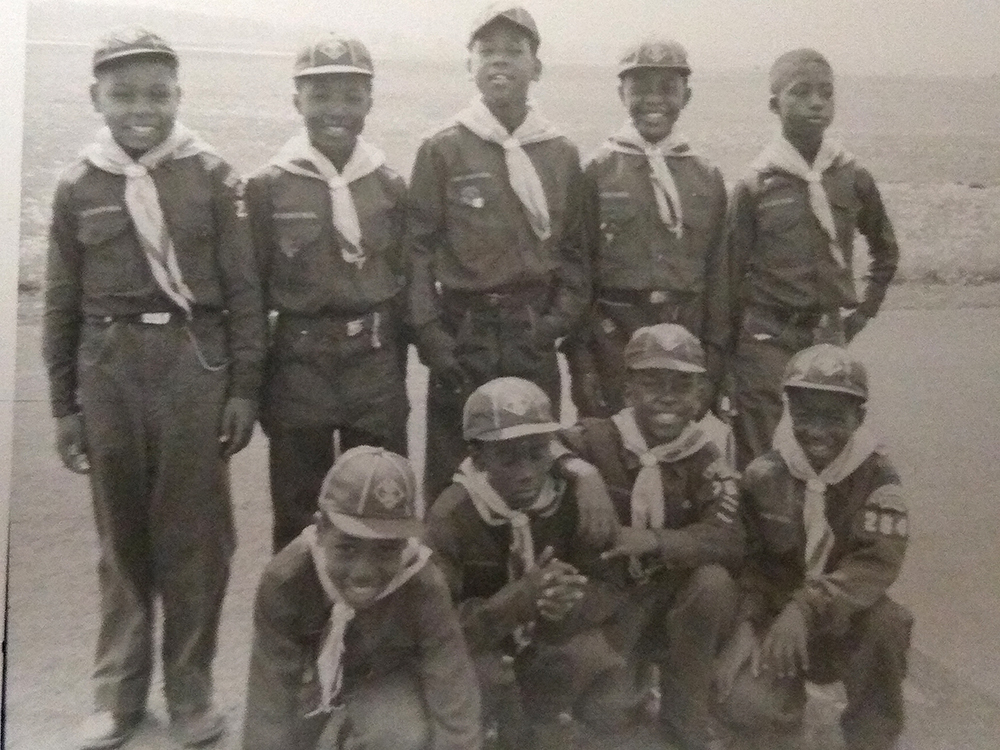
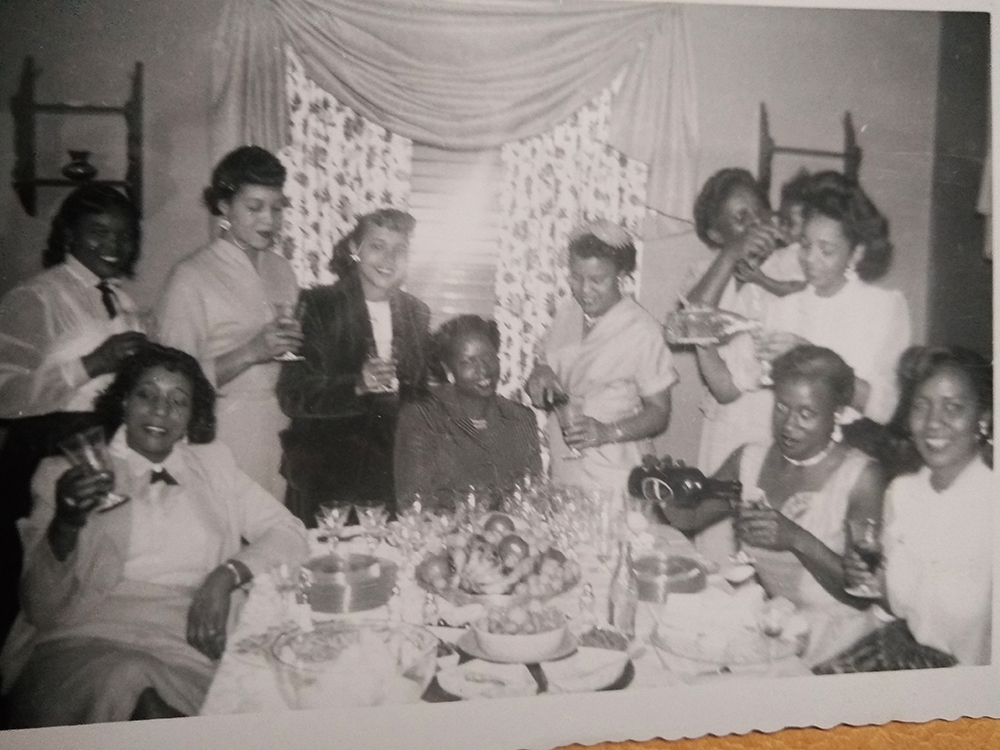
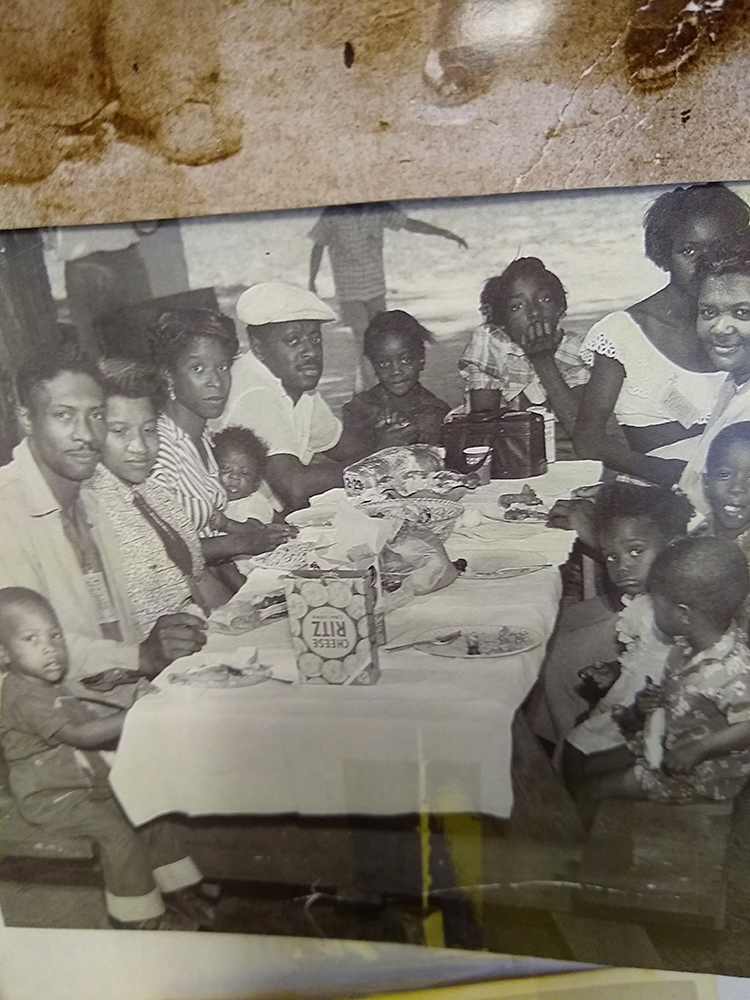
TOLEDO – Before there was a documentary, there were voices—soft, unrecorded, almost lost.
Elders in a rural Ohio town gathered in churches and kitchens, passing down stories of Olympic trials, steel mill shifts and cross-country train rides. Now, History Forgotten and Now for All to See brings those voices to Toledo for a Juneteenth screening that asks, “What do we lose when we don’t listen?”
It is not every day that a small Ohio town of fewer than 100 families lays claim to Olympians, university deans, heavyweight champions and civil rights pioneers. But Braceville, Ohio did. This community-made documentary shining a light on this town’s legacy will screen at Heatherdowns Branch Library on Saturday, June 21, at 2:30 p.m. Admission is free.
A story rooted in memory
The film began not as a professional project, but as an act of preservation. In 2016, Gwen and Terry Shavers started recording interviews with senior members of their church after realizing the community’s history might disappear if no one documented it.
“We thought, ‘Boy, this treasure is going to be gone shortly,’” Gwen Shavers recalled. “So, we decided to video them.”
Though neither had any filmmaking experience, the couple set out to capture stories of migration, family and legacy—many of which they had grown up hearing themselves, as Terry Shavers noted. The result is a tender glimpse into a rural Black community built on resilience and generations of connection.
“I always thought I’m a very boring person and I live a boring life.” Gwen Shavers said. “But it’s the little things we do every day—the routine, daily things of life— that other people can relate to that makes things interesting and exciting.”
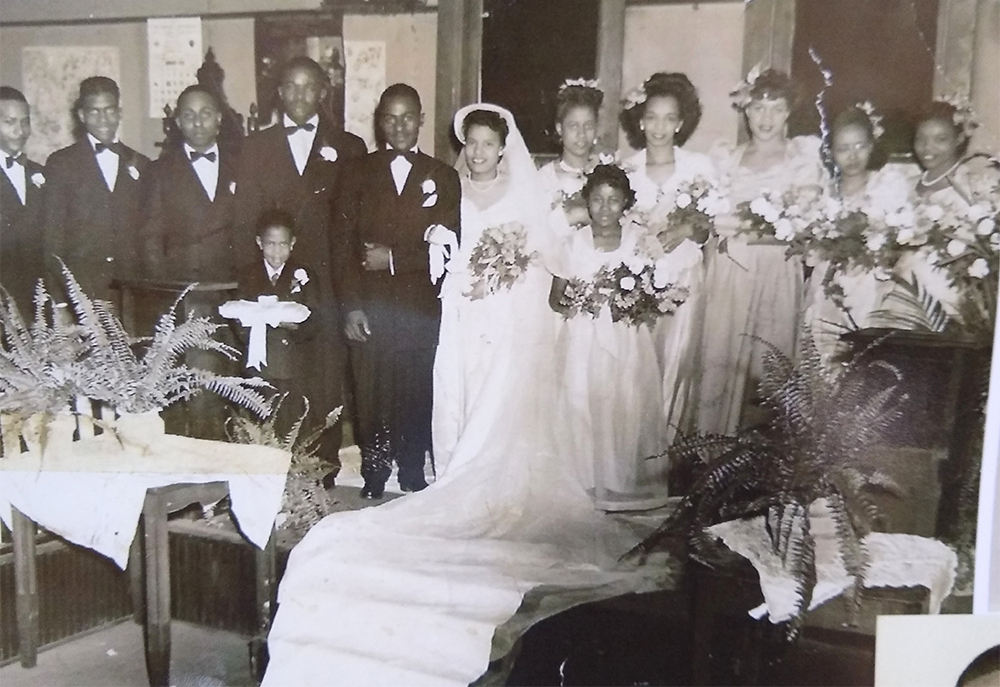
Braceville’s legacy
Located in Trumbull County, Braceville was once home to a thriving African American community built by families who migrated from the Jim Crow South in search of industrial jobs and safer futures. Despite its small size, the town produced an Olympian, university deans and boxing legend Earnie Shavers, who fought Muhammad Ali and Larry Holmes. One resident even ran track against Jesse Owens; another fought Joe Louis … twice.
The Shavers family helped restore the first house Earnie Shavers’ family lived in when they arrived in Braceville. Today, it stands as a local museum. “There’s a lot of good stories, and most of the families have similar stories to tell,” Terry Shavers said.
From local treasure to Toledo screening
The film is coming to the Glass City thanks to Daniel Mason, a Cleveland-area film editor. He used AI-assisted restoration tools to help elevate the amateur footage into a presentable documentary.
Mason was introduced to Toledo organizer Colette Córdova, who saw something special in the project.
“She’s the one that said, ‘Oh, we would love to have this up here,’” Gwen Shavers said. “ I think it was very kind of her to see some value in it, to want it to be shown in her neighborhood. We’re very honored.”
Toledo’s screening also holds regional significance. After Newton Steel—the factory that once anchored Braceville—opened a second location in Monroe, Mich., many families followed the work north and settled in Monroe, Toledo and Detroit.
“Monroe is like a sister community to Braceville,” said Terry Shavers. “There are quite a few people in the Toledo and Monroe area who are interested, too, so we thought it would be a good match.”
Lessons for the next generation
While the film looks to the past, its purpose is firmly rooted in the future. “We were really just trying to preserve our history,” Terry Shavers said. “If we don’t talk—if we don’t get these older folks to share their stories—it’s all just going to be lost.”
That spirit of preservation and accessibility is what Gwen Shavers hopes resonates with audiences in Toledo.
A lot of cultures don’t really know what the other culture is like. It just gives people a little glimpse into the lives of a small community and what it was like when we were growing up.
Gwen Shavers
The couple hopes the documentary not only shares their community’s story but encourages more people to see the value in their own.
“We didn’t even realize how people came to little places and built communities—how they were resilient, and against all odds.” Gwen Shavers said. “And that is something that might help our country nowadays, if we had that same type of resilience and unity rather than the division that we have today.”
The documentary will be at the Heatherdowns Branch Library on Saturday, June 21, at 2:30 p.m. Doors open at 2 p.m.