TOLEDO — For many school districts, the availability of one-to-one devices is an indicator of privilege, and that students have equal access to the latest technology to prepare them for the future.
In contrast, students at Northwest Ohio Classical Academy (NOCA) usually only see the Chromebook cart roll out a few times a year for standardized testing. The school only owns 120 devices for a student body of about 600, meaning it’s unlikely you will come across a room full of young people clacking away on laptops in the school on a typical day.
If students are taking notes, they are doing so with pencil and paper. The minimal role of technology in the school is by design, and it’s a common feature shared by schools in northwest Ohio that identify with a growing “classical education” movement.
NOCA, a tuition-free charter institution in south Toledo, was the first classical school to open in the region in September 2019. It remains the largest but is no longer the only one.
“Classical is our fastest growing school model,” said Courtney Harritt, a representative for the K-12 public charter school management organization ACCEL Schools. The organization manages Mosaic Classical Academy, an early elementary school that operated last year in Toledo’s Old South End and relocated to Rossford for the upcoming school year. The K-3 school is affiliated with the Jefferson Classical Academy, a network founded by Dr. Bill Bennett. Bennett served as U.S. Secretary of Education under President Ronald Reagan.
A market analysis of classical education published by Arcadia Education in 2024 found there were about 1,500 classical schools operating in the U.S. with an enrollment totaling a little more than 677,000. It projected that enrollment will approximately double by 2035, and the number of classical schools will climb by more than 1,000.
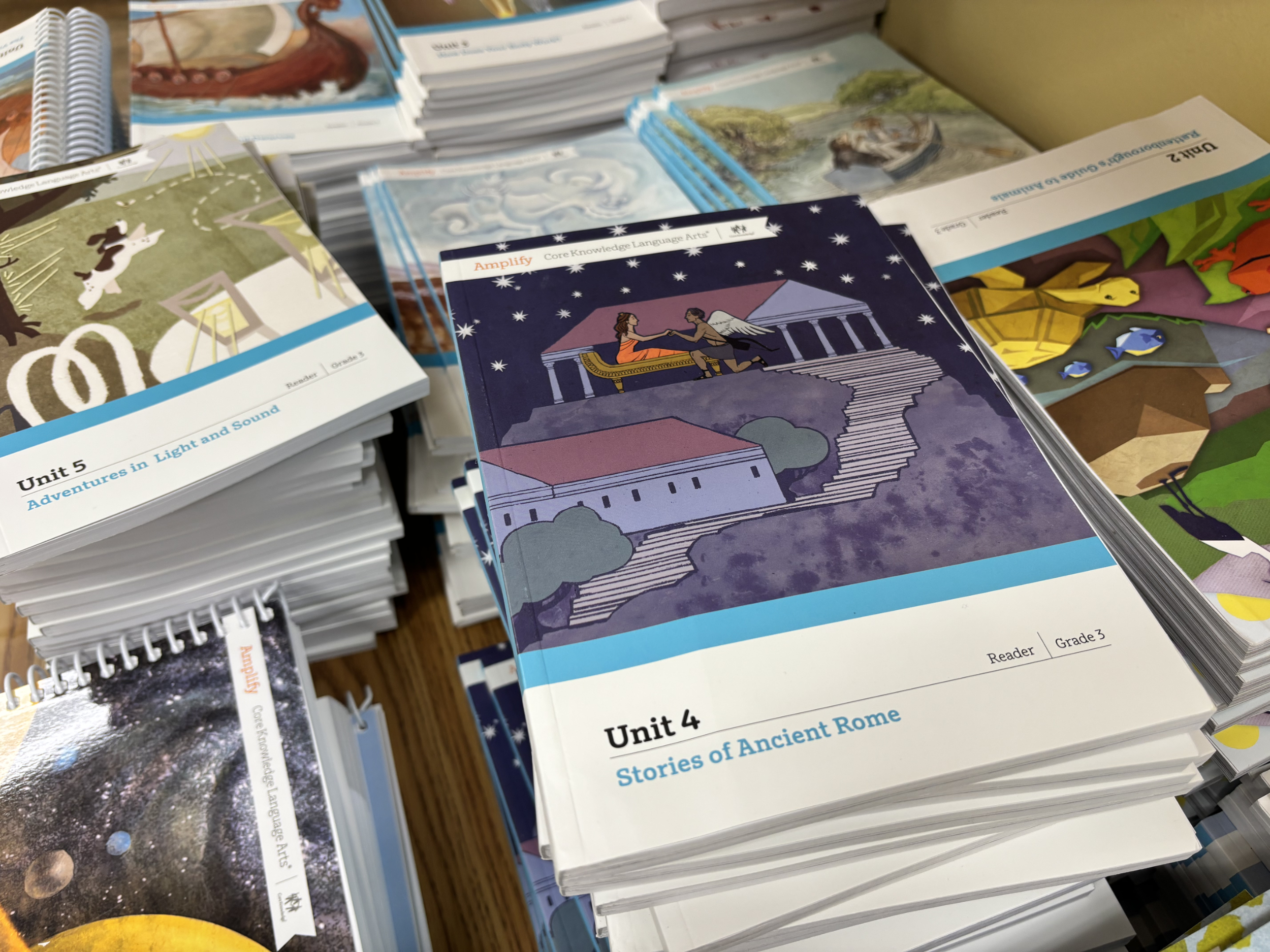
NOCA is a Hillsdale College Curriculum School, drawing its curriculum from the Hillsdale College K-12 Education Office. Located about 85 miles away from Toledo in southern Michigan, the small Christian classical liberal arts college has devoted itself to “the revitalization of public education” by launching dozens of classical K-12 charter schools across the country since 2012 through its Barney Charter School Initiative. The college “promotes a model of education that is rooted in the liberal arts and sciences, offers a firm grounding in civic virtue, and cultivates moral character,” according to its website.
What is classical education?
According to the Arcadia Education analysis, classical schools are grounded in the Western intellectual and moral tradition and seek to cultivate individuals of virtue who can think, speak and write with clarity.
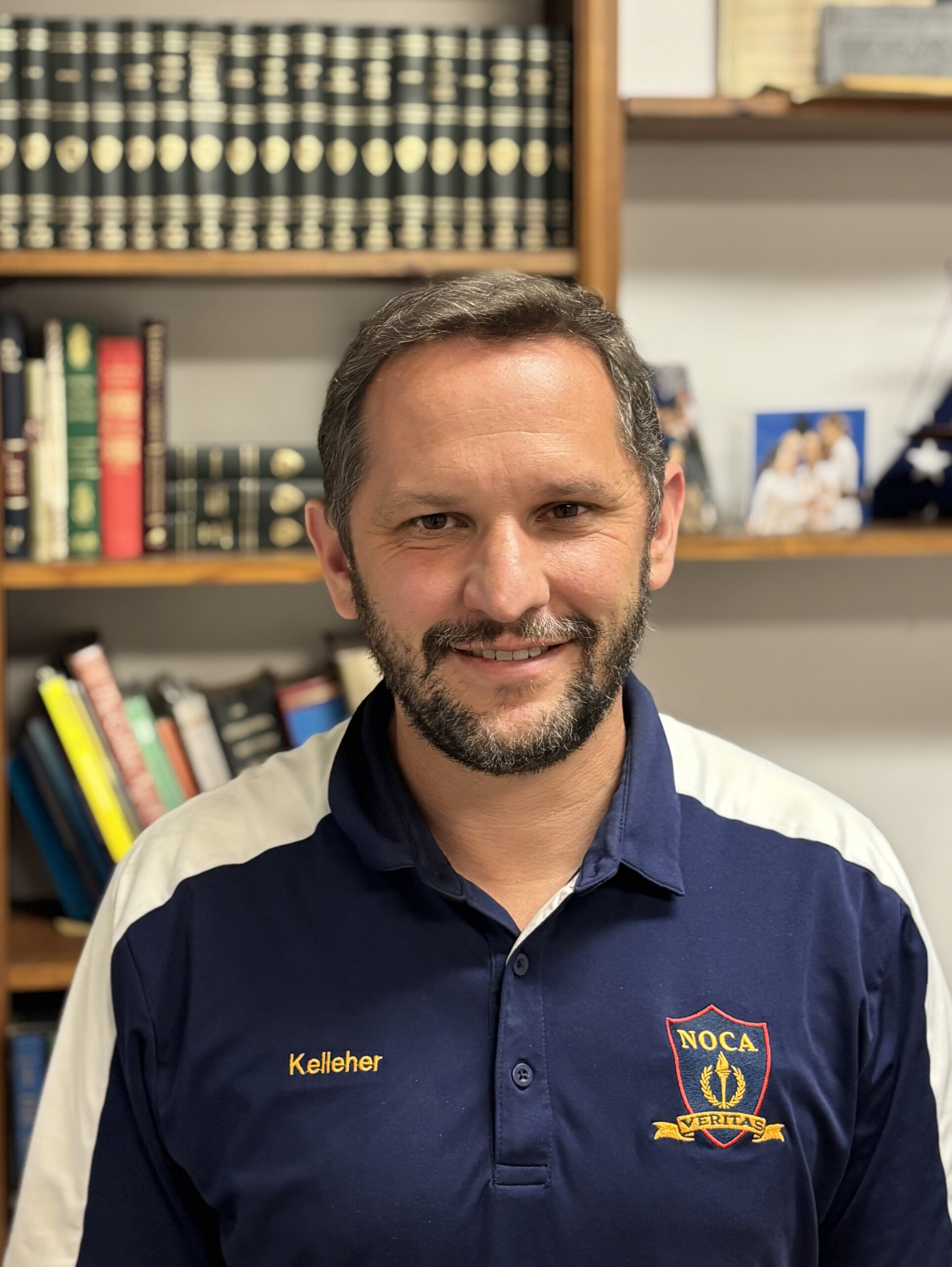
Michael Kelleher, head of upper school for NOCA, jokes that if you got 10 different classical educators in a room and asked them for a definition, you would probably get 10 slightly different answers. But most institutions that describe themselves as classical share a few things in common: an emphasis on reading the “Great books” of Western civilization, an embrace of the traditional liberal arts, and promotion of character education to cultivate positive “virtues.” At NOCA, those virtues include courage, moderation, prudence, justice, wisdom, friendship and responsibility.
Sabrina Little, an assistant professor of philosophy at The Ohio State University’s Salmon P. Chase Center for Civics, Culture and Society, is charged with developing programs to equip current and future educators and school leaders to serve in K-12 classical education settings.
Little has worked in classical schools and focused her research on moral education and virtue theory. ”In classical schools, moral formation is curricular,” said Little. The central objective of classical education “is to help form learners to love the right things” and to do good actions, be good citizens and be “curious, joyful people.”
While she said there is a big tent for classical education, it is generally based in the liberal arts tradition. “It’s about making free people who can think well and think clearly live good lives. It’s about the flourishing of the student,” Little said.
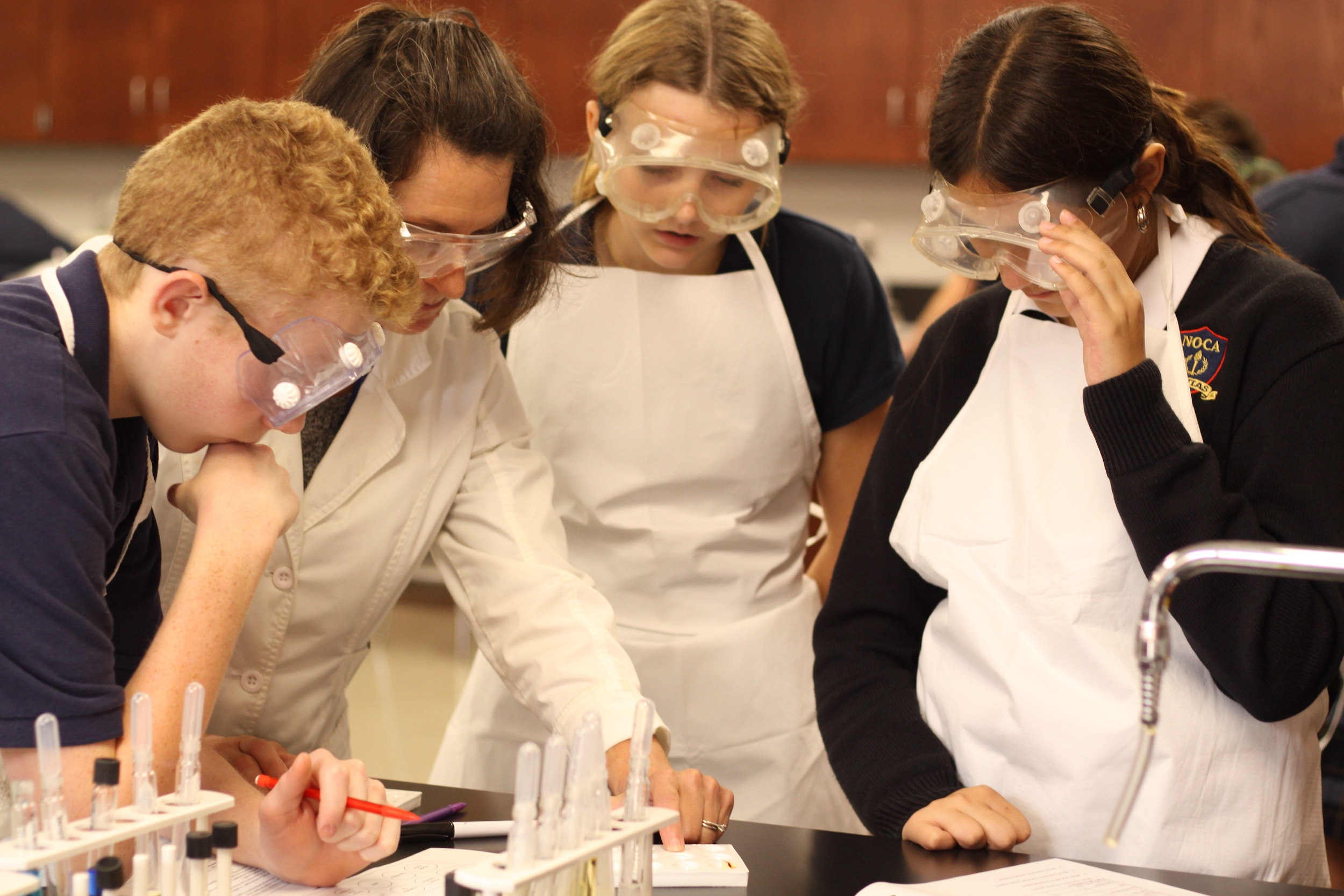
All subjects tend to be placed within the context of history to help students see where ideas come from, so you might see timelines even at the front of a science classroom. “You see yourself as the beneficiary of a tradition,” explained Little.

While some may emphasize the novelty of classical education, Little described it as essentially reclaiming an old tradition that dates back to the ancient Greeks. “There’s a lot of Socratic dialogue where you are asking a question and clarifying definitions,” she said.
Kelleher said one of the most unique experiences in the upper school is the seminar, which he described as a “glorified book club.” After spending several days reading and listening to lectures, students are ready to discuss.
“You know a class is in full seminar mode when you walk into the classroom and the desks aren’t all facing the whiteboard and the teacher, but they’re all in a circle facing each other,” said Kelleher. “They’re talking about what they read. And, you know, asking questions of each other. My favorite seminars I walk into are the ones where the teachers really pull themselves back.”
The seminar puts the burden of learning, discussing and processing on the students, he added.
Little said students practice “imitation of the masters” with students in the lower grades focusing on memorization of great works, middle grades exploring the logic and conventions of those works and upper grade students writing their own poems, literature and senior thesis.
Natalie Culp, a mother of six who will have five children enrolled at NOCA this school year, said her fifth grader was encouraged to memorize classic works of poetry and excerpts of plays to recite at the school’s daily morning assembly last year. While she said her son is not an extrovert, the experience helped him gain confidence and he enjoyed it because his entire class participated. The capstone poem they memorized was Lewis Carroll’s “Jabberwocky.”
During the short daily morning assembly, the entire student body also sings a patriotic song and recites the Pledge of Allegiance, as well as the school motto: “I will learn the true, I will do the good, and I will love the beautiful.”
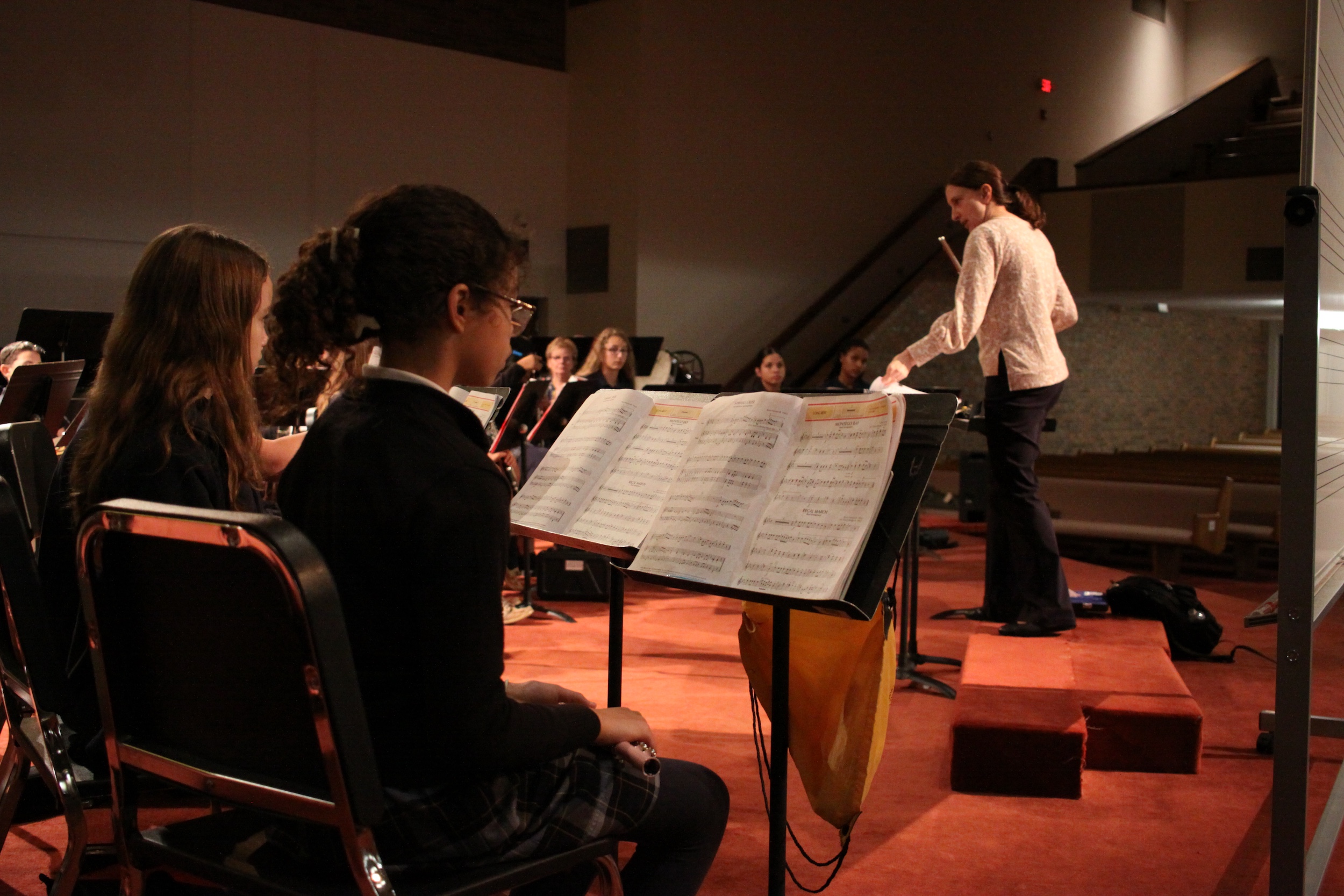
Kelleher noted that NOCA puts a strong emphasis on music and art classes to cultivate an “appreciation and awareness of the world” beyond knowing facts or how to solve math problems. “How to appreciate great music and great art throughout the ages is an essential part of the classical education experience,” he explained.
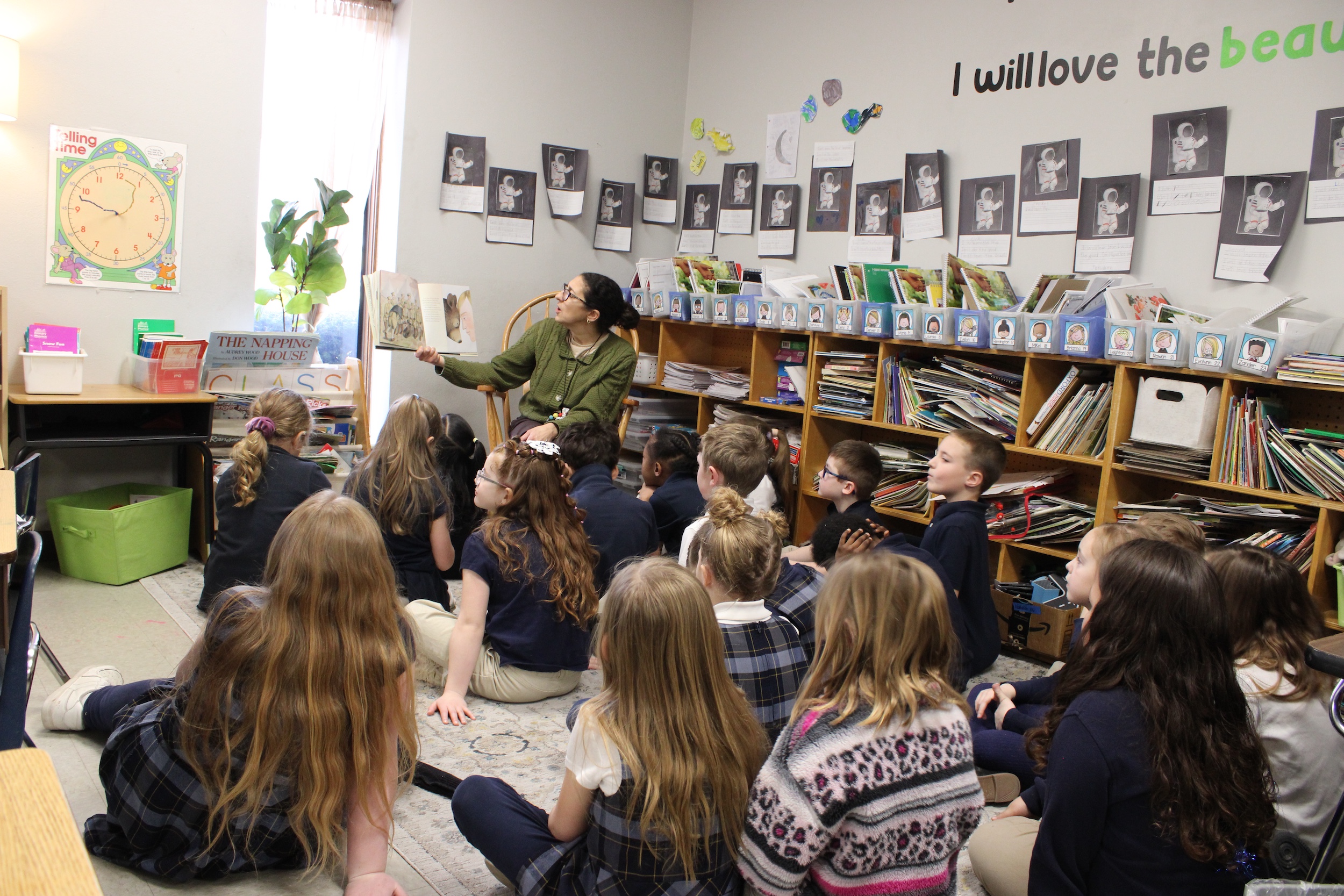
Less tech, more pencils and paper
Classical educators favor a return to instructional methods from years past, including opting for pencil and paper over the digital devices that have encroached on traditional classrooms.
For Culp, this was an important quality that sold her on enrolling her children at NOCA when her family moved from Dallas to Toledo in 2025. While Culp said she is not anti-technology, she believes using electronic devices as a substitute for books is “terrible.” Research shows the impact of excess screentime is detrimental for young children whose brains are still growing and developing, she added.
“I just think it really kind of dumbs down the education. It’s distracting for the students,” said Culp. She is pleased that her two children in high school will have amassed a large collection of books they can revisit by the time they head off to college.
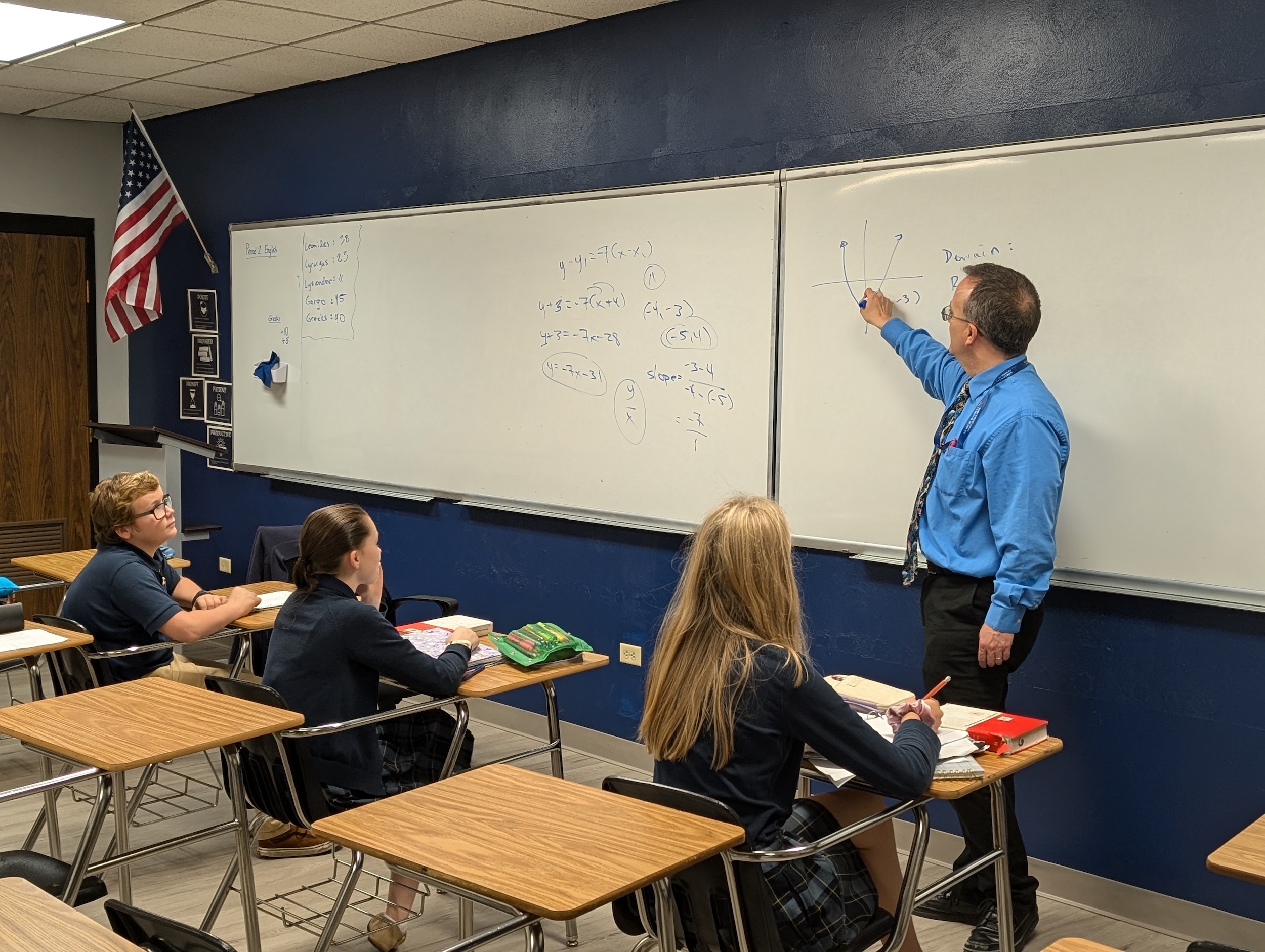
Aside from the computers they use in a Technology Essentials class, NOCA students do their schoolwork on paper. Kelleher said this also makes it easier to ensure that students do the thinking and the writing themselves in light of the growth of artificial intelligence.
Kathleen Williams, the founder of St. Thomas Aquinas Classical Academy (STACA) in Toledo, said the school offers zero technology for students and discourages its teachers from even using computers in the classroom. She said she believes technology makes it difficult and sometimes impossible for young children to think and wonder about things.
“Wonder is so important and it’s really the beginning of all education, and that’s back from Aristotle,” said Williams, who markets the school as a classical liberal arts academy in the Catholic tradition. The private school is not affiliated with the Diocese of Toledo.
STACA operated last year as a small, hybrid homeschool program with five students. This fall, it is moving to the academic wing of a Protestant church on Sylvania Avenue in west Toledo, and Williams said the school will continue its hybrid homeschool program and add a program for full-time elementary students. She plans to eventually expand to include high school grades.
Opening the school was a longtime dream for Williams, who was introduced to the Catholic liberal arts at Christendom College in Virginia. She said she has worked in education over the past 30 years in Catholic schools, homeschool enrichment programs and as a homeschooling parent herself and is excited that classical education is taking root in the Toledo area.
“It’s the formative education that every human person deserves,” she said. “It teaches according to the nature of the child. It informs the whole child.”
As more schools have opened, a parallel movement championing the classical approach to education has grown among homeschooling families.
Culp, who homeschooled prior to enrolling her children at NOCA, said she learned about the model 13 years ago from a classical Christian curriculum publishing company called Memoria Press and it checked all the boxes for her.
“I wanted an education that would be grounded in kind of the broader Western tradition and emphasize the really basic skills of writing and thinking well,” said Culp. “I found the educational model fit most with what I envisioned as the goals for my kids — just developing kind of a lifelong love of learning and having education be not only about preparing for a career some day but living a good life and developing personal character and being a responsible citizen.”
Why the emphasis on Western tradition?
Kelleher, a Hillsdale College alum who studied the classics for his bachelor’s and master’s degrees, said classical education puts an emphasis on Western civilization, and the Hillsdale curriculum describes itself specifically as an “American classical education.”
That does not mean students exclusively study Western culture, he said, but it does mean American history and literature gets more emphasis than the rest of Western civilization, and Western civilization gets more emphasis than other cultures. Kelleher said this is not about superiority or triumphalism, but rather, he explained, the “proximity principle.”
“If you are an American citizen, it behooves you to kind of know your American heritage well — the good, the bad and the ugly,” he explained. “But then it’s worth acknowledging America as a country, its national roots, its constitutional roots, et cetera, do kind of spring out of the Western tradition.”
Kelleher pointed to the nation’s 250th anniversary as an example: understanding the significance of the Declaration of Independence becomes a richer experience for students when they have learned about John Locke, Aristotle and Plato and their thoughts on government and how it informed the signers.
Growing classical movement in Ohio
OSU’s Chase Center was established several years ago as part of a plan pitched by Republican lawmakers to establish five “intellectual diversity centers” on college campuses in Ohio. Its mission is to conduct teaching and research in the historical ideas, traditions, and texts that have shaped the American constitutional order and society.
The Chase Center has since become a leading promoter of classical education in Ohio and has a stated focus on supporting classical and liberal arts schools. It hosted its second Ohio Classical Schools Conference in August, bringing together educators from around the state, and the center is conducting research on classical schools and launching degree programs soon in classical education.
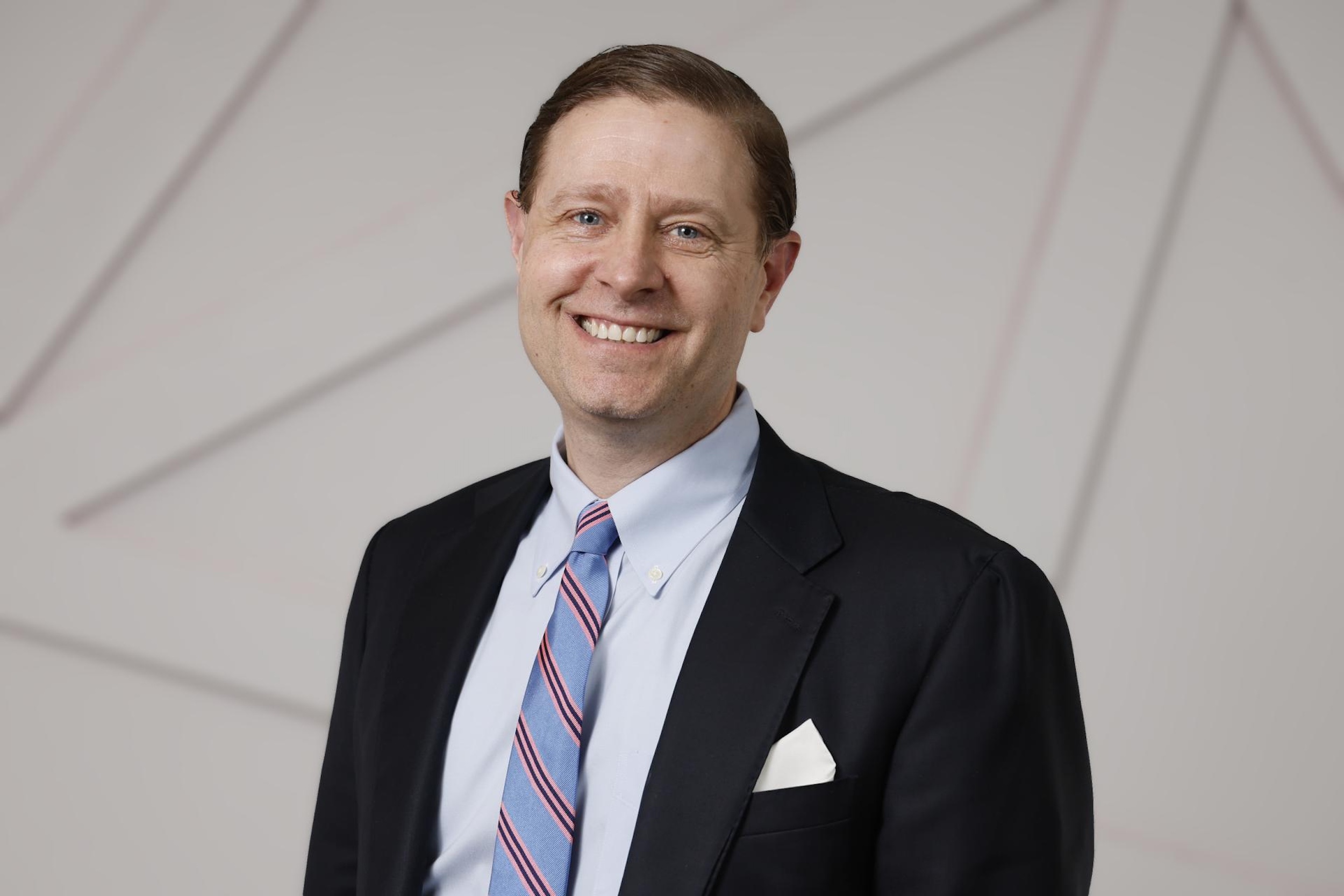
Its inaugural executive director, Lee Strang, was a founding board member for NOCA and remains the president of its board. Strang previously served as the first director of another intellectual diversity center, the University of Toledo’s Institute of American Constitutional Thought & Leadership.
Strang explained the Chase Center takes a special interest in classical education because the curriculum of these schools closely aligns with the center’s emphasis on reading “great texts.” He asserted that most education “back in the day” looked like what would now be characterized as classical education: it was focused on history, reading of original texts and primary sources, conversation and discussion, writing and presentation.
According to Strang, the first revived classical schools emerged in the 1980s in the U.S. The movement has gained support from larger networks such as Great Hearts and Hillsdale College, and Strang said there has been an exponential rate of growth in classical schools both nationally and in Ohio in recent years.
The Chase Center has identified 34 classical schools in Ohio and Strang said another five to 10 are expected to open in the near future. “I won’t be surprised when more and more classical schools start opening up in northwest Ohio,” said Strang. ”It’s just exploding.”
Strang said there are no plans for the Chase Center to create a K-12 classical curriculum as Hillsdale College has done, but rather they are seeking ways to partner with other entities working in the field of classical education. The center also is creating civics education modules that any school can use, regardless of its educational model.
Why is a university interested in K-12 education? “Educating American citizens doesn’t start when they get to 18 and they come to OSU or to another college,” said Strang. ”The mission of the Chase Center at the collegiate level is reflected and enhanced by the curricula on the K through 12 level.”