TOLEDO— Major changes to the Toledo Museum of Art are in the works this month with a wave of gallery closures that will take a number of visitor favorites off view until 2027.
As it moves into the next phase of its first comprehensive gallery reinstallation in more than 40 years, the museum announced a long list of galleries in its west wing that are closing Dec. 15. These include the iconic Great Gallery and galleries featuring Dutch, French Baroque and Rococo paintings and sculptures, European art and selections from TMA’s jewelry collection.
These galleries will remain closed, and their artwork — including “The Architect’s Dream” by Thomas Cole, “Blind Man’s Buff” by Jean-Honoré Fragonard, and “The Crowning of Saint Catherine” by Peter Paul Rubens — will remain off view until the grand re-opening in 2027.
These closures follow those of Levis Gallery at the end of July and the Cloister Gallery, which closed in February so it could be disassembled and moved to a different part of the museum.
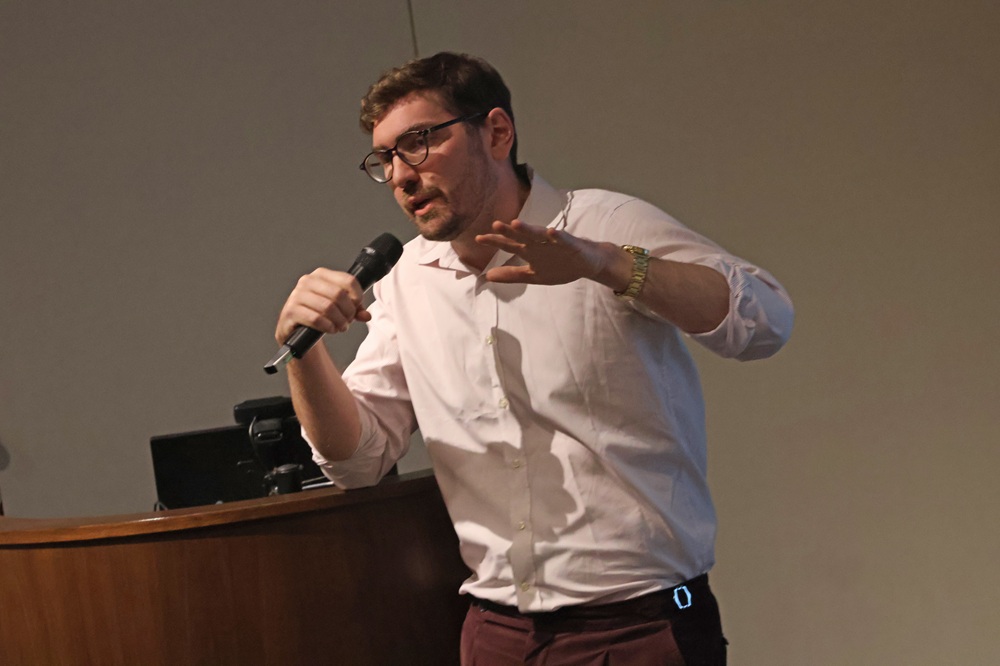
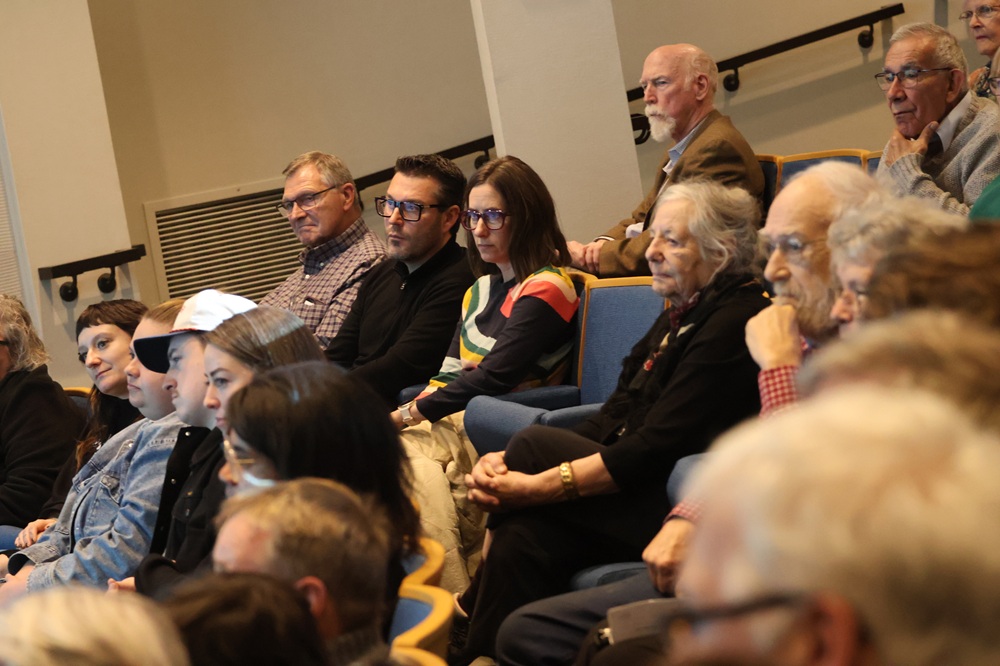
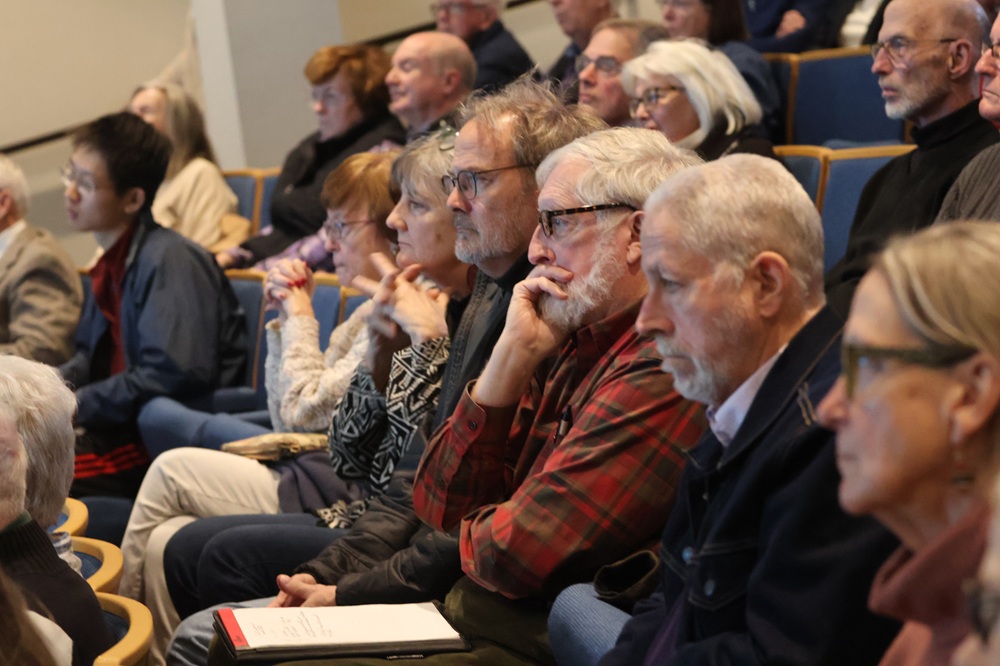
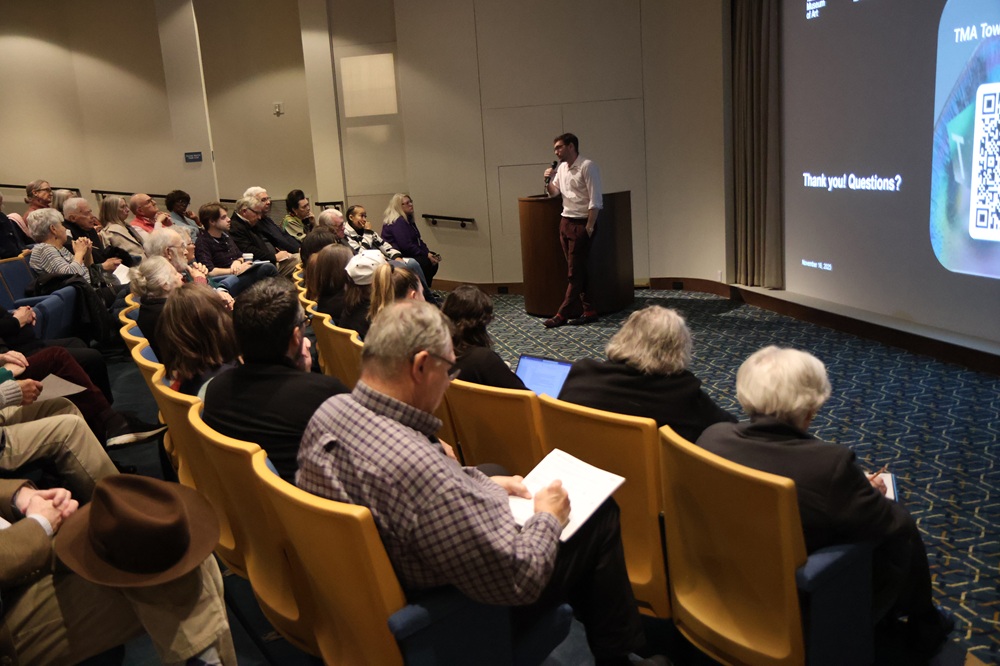
More than 100 people packed into the museum’s Little Theatre on Nov. 16 to hear a project update from TMA’s director and CEO, Adam Levine.
Levine, the 11th director since the museum’s founding in 1901, spoke for an hour and sought to address many of the most frequent concerns and criticisms surrounding the project.
“It would be easy to look at me, so many people who have been coming to the museum for so long, and think, ‘Who is this person who’s changing these galleries?’” said Levine. He became the museum’s youngest director at 33 years old when he was appointed in 2020.
Now in the sixth year of his directorship, Levine emphasized his commitment to the museum and to Toledo. Levine noted that he speaks with every former living director of the museum on a monthly basis.
“Everything that we are doing is not only consistent with the Toledo Museum of Art’s values and ethos, but it will in fact make the experience better for anyone,” he said. “Change is hard, but change can be better, and I think you will see some really exciting things that we have planned for you.”
Why make changes now?
Levine said the short answer to the question of timing is that TMA’s heating and cooling system is at the end of its useful life and needs total replacement.
Since the HVAC system mostly exists in the attic and is divided into separate units, galleries must close as different zones are replaced throughout the building.
“You cannot leave artwork in galleries that do not have humidity and temperature control,” said Levine. “So forget the reinstallation — there was no universe in which every gallery of the Toledo Museum of Art wasn’t going to have to close by 2027 anyway, because the artwork would have needed to be moved as the HVAC unit was replaced.”
Museum leadership decided to seize on the opportunity to re-evaluate what Levine described as a “tired” conceptual framework that does not represent the world or the breadth of the collection as it has grown over the past 50 years adequately.
While the museum has seen incremental changes in the past 40 years, he explained these decisions were based on utilizing the space that was available at the time.
“If you were designing a museum from scratch, you would not put your contemporary gallery next to your antiquity gallery,” said Levine. “You would not put your Southeast Asian archaeology gallery next to your Colonial American painting gallery. You would not create a new media gallery that runs right next to your Cloister.”
Levine also cited smaller cosmetic details that he said are not up to Toledo standards, such as water stains on burlap fabric in the west wing and 40 years worth of nail holes from moving artwork around. “I love these galleries as much as anyone, but it is possible for the galleries to hold remarkable art and to look dated,” said Levine. “There are all these things that are right in front of us that are obvious when said out loud, but they are not necessarily things we think of because we are used to the museum as it presents itself.”
A loop through time
Museum administration decided it would be more efficient in terms of time and cost to reinstall the galleries as part of the HVAC replacement.
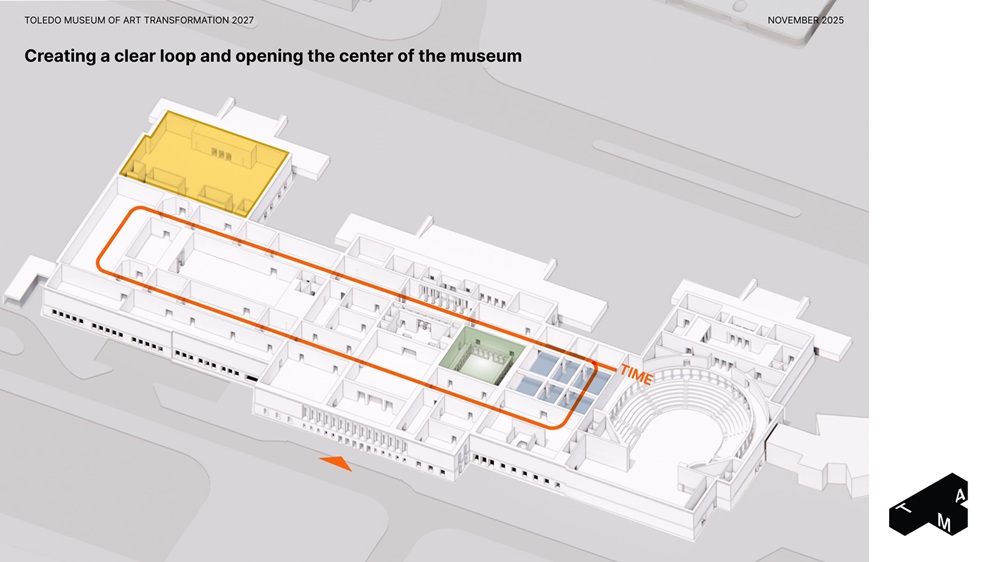
They settled on approaching the reinstallation chronologically, with visitors moving through time beginning with antiquity in the east wing and working their way to present day in the west wing. To allow for easier navigation, renovations will restore the original loop flow envisioned by the building’s designer, Edward B. Green.
Collections will no longer be segmented by geography or media.
“To tell a true and integrated chronology, it’s important to understand everything that was happening simultaneously in different cultures during different periods,” said Levine. “We have an opportunity to tell a history of the world that shows how the world has always been connected.”
Glass — which makes up one third of TMA’s collection — will still be featured in the Glass Pavilion but selected works will also be integrated into the collection in TMA’s Green Building. A new exhibit created in what is currently the Canaday Gallery will tell “a mini history of the world in glass” in a nod to Toledo’s reputation as the Glass City.
Introductory galleries will also be created on either side of the building, with one featuring highlights from the museum’s collection over the decades and the other displaying recent acquisitions.
Temporary exhibits will move from the Canaday and Levis galleries to a new larger exhibit space that is to be created at the far end of the west wing from what is now the American galleries, conservation lab and southeast Asian archaeology galleries.
The museum’s iconic Great Gallery will remain “a great picture gallery, updated for the 21st century,” said Levine. He assured the crowd that when they enter that space in 2027 they will see some of the same iconic paintings they have come to expect on a red wall. “This is your museum, and I promise you when you come to the museum there will be moments of great familiarity, by design, not by accident,” Levine noted.
All the Impressionist paintings that visitors know and love will come back on view when the museum reopens. These works are off display now as they travel abroad in temporary exhibitions in New Zealand this year and Australia next year.
The 17th-century room from the Chateau de Chenailles will also reopen after extensive restoration that includes the installation of a fourth wall. Visitors will be able to enter into the room for an immersive experience including screens behind the windows broadcasting views of the French landscape.
Improving accessibility and comfort
The reinstallation is not only about moving art around, Levine said, but about integrating art into the lives of people. This includes considerations of accessibility and comfort.
More comfortable respite areas and seating will be added throughout the museum, and main floor bathrooms are also to be added for the first time in the museum’s history.
An accessible entrance at the northwest corner will help visitors move back and forth from the Green Building to the Glass Pavilion across the street with greater ease. Currently, visitors with mobility limitations need to use the elevator and make a quarter of a mile trek around the museum to the Glass Pavilion. The new entrance will reduce the journey to 520 feet.
Another less visible upgrade is the installation of power and data infrastructure throughout the build in anticipation of future needs.
Funded by ‘private philanthropy’
Levine struck a combative tone at times during the question and answer session of the town hall. He flatly refused to answer a question from the audience about the total cost for the reinstallation project, but promised the museum will remain free for all visitors.
“The benefit of being private is that we are never going to ask you for money for a levy. The benefit of being private is also that I don’t have to answer that question,” he responded.
Levine said the entire project is being supported through private philanthropy. Asked about whether that money comes with any strings attached, he responded that the money coming in is “overwhelmingly unrestricted.”
“The only restrictions are by design and they are being suggested by the curatorial and administrative staff of the museum,” added Levine.
He assured the audience that the museum has carefully budgeted for the reinstallation. “You are allowed to disagree with any part of this project. You are not allowed to critique us for not being sufficiently thoughtful. That’s the deal,” he told the crowd.
Listening to community feedback
Levine told the Toledo Free Press that the town hall is part of a series of events TMA has done to engage and gather feedback about the project from the community. He said the museum is striving for “the most community-informed reinstallation of any museum in the country,” with more than 1,000 people consulted to date.
“We are doing our best with a major project that means a lot to this community,” Levine said. “We understand that we are not going to get everything right, so this is our chance to continue to listen, to learn and to be able to take those lessons forward throughout the project.”
Part of that listening has involved the creation of a Community Council made up of representatives with a variety of perspectives and backgrounds to offer input on the project.
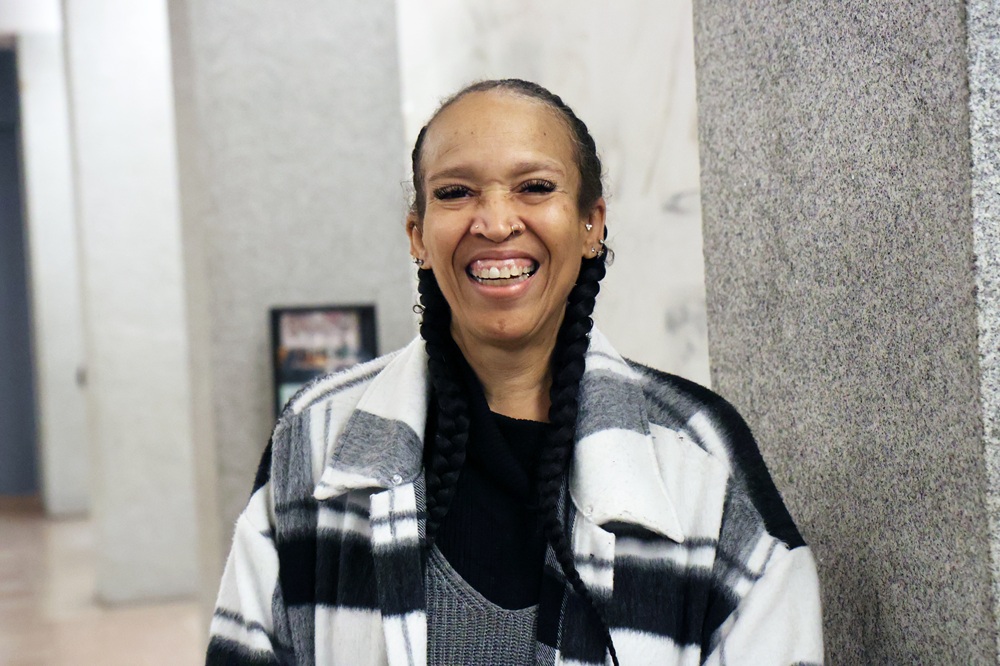
One member is Tina Hall, a second-grade teacher for Toledo Public Schools and resident of the Englewood neighborhood in which the museum resides. She and her daughter live close enough that they can walk to the museum and visit frequently.
An example of work the council has assisted with has been providing feedback on the art descriptions posted around the museum to help make them more understandable for all visitors, not only people with art history backgrounds. “This is everybody’s museum,” said Hall.
She is personally excited for the chronological layout. “The hardest thing for people is change. And I think when you say you’re getting ready to change something that’s been here since 19-such-and-such, people think of the negative as opposed to the positive,” she added. “But the changes are going to be positive. Hopefully it will bring more people into the art museum that typically don’t come to the art museum.”
After the Dec. 15 gallery closures, Levine said the public should expect rolling closures of additional galleries about every six months. The museum as a whole will continue to offer programming on campus through the grand reopening, including activities in the education wing, the Glass Pavilion and the Peristyle.