A clash over the question of investing in foreign instruments
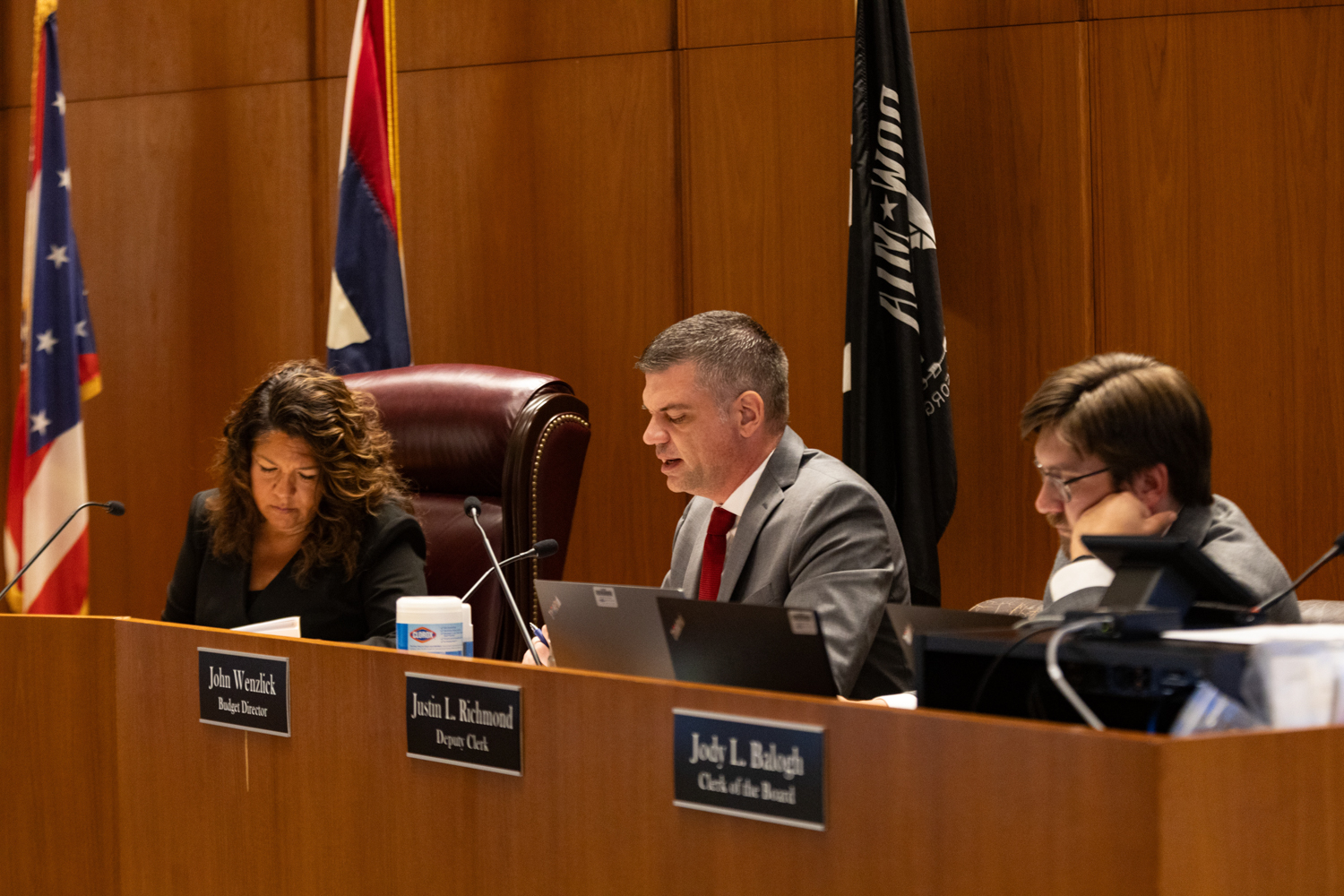
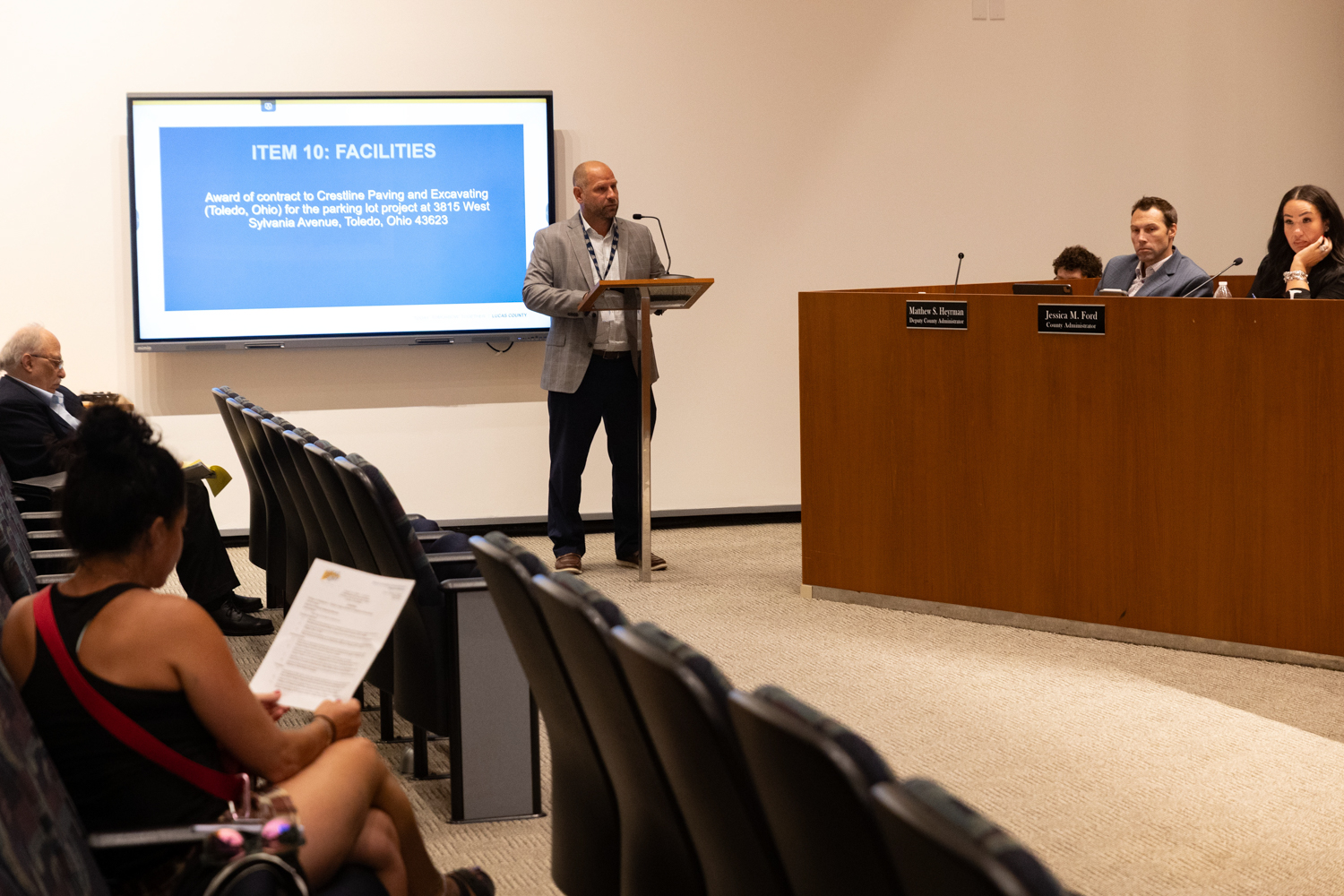
TOLEDO – Protesters packed a heated second quarter meeting where the Lucas County Investment Advisory Committee completed a motion that advised the Lucas County Treasurer against investing further in foreign instruments.
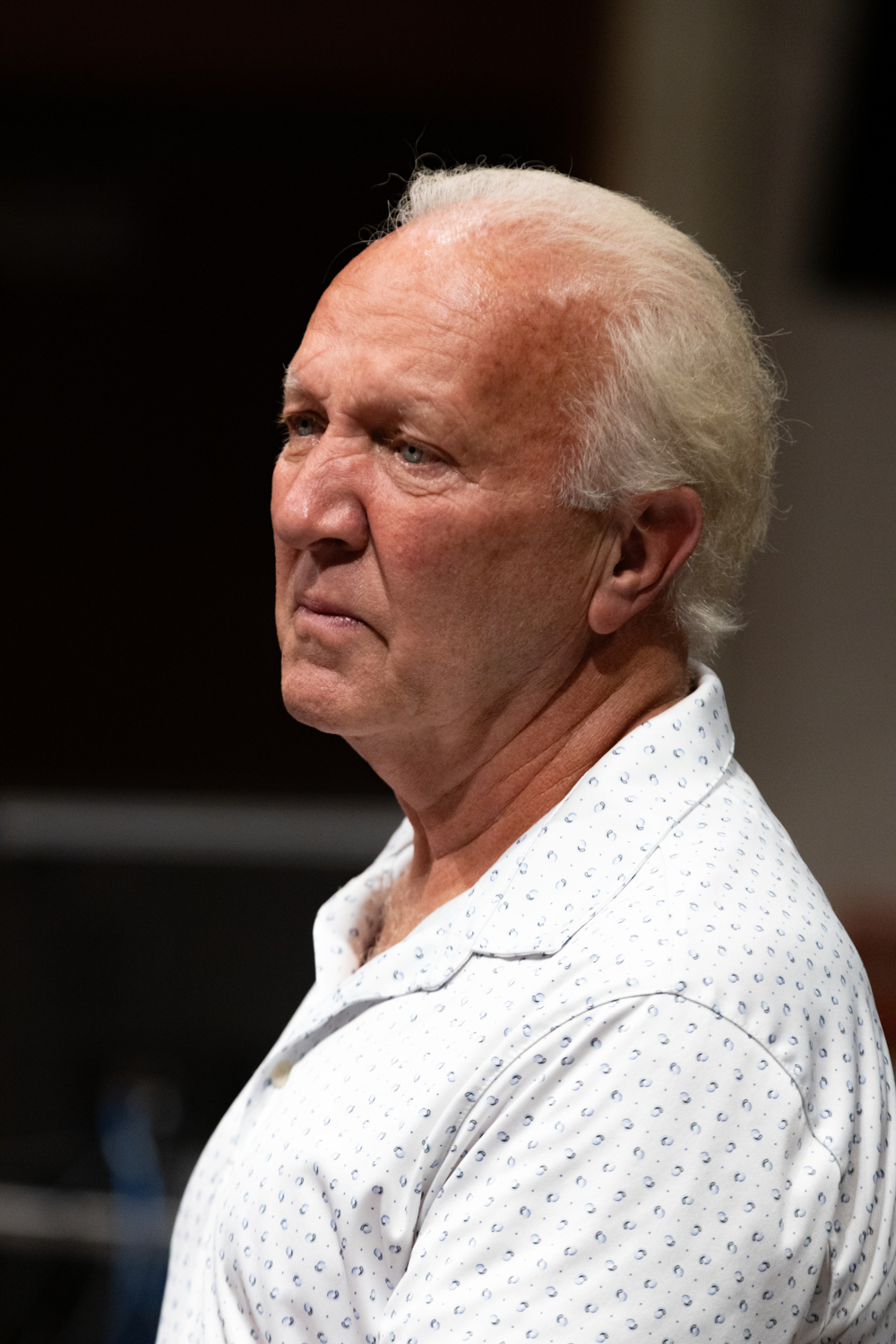
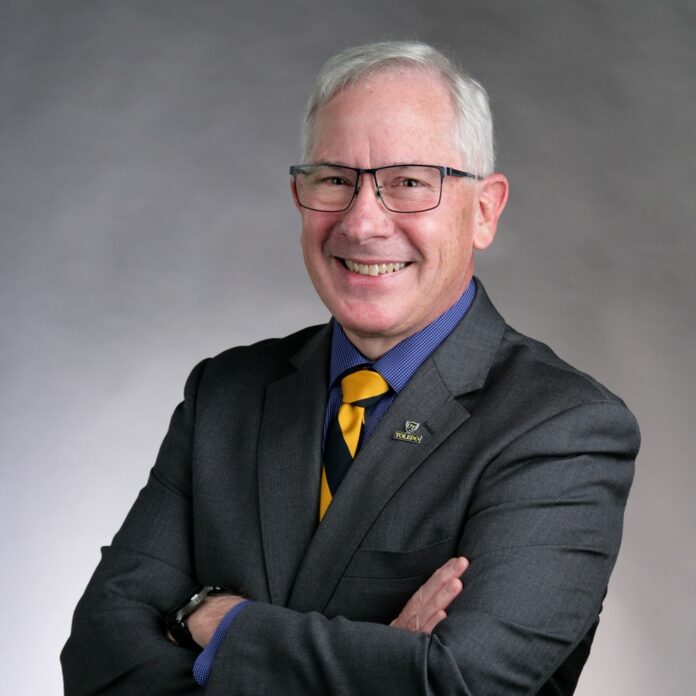
“Foreign government bonds are code named for Israeli investment,” said Pete Gerken, a Lucas County Commissioner. “They’re the only government that we’re allowed to invest in.”
This was confirmed by Jim McCourt, the director of advisory services at Meeder, an investment advisory service that advises Lucas County in an official capacity.
Gerken was sure to clarify his speech for the investment advisory meeting, as there were many visitors to that meeting.
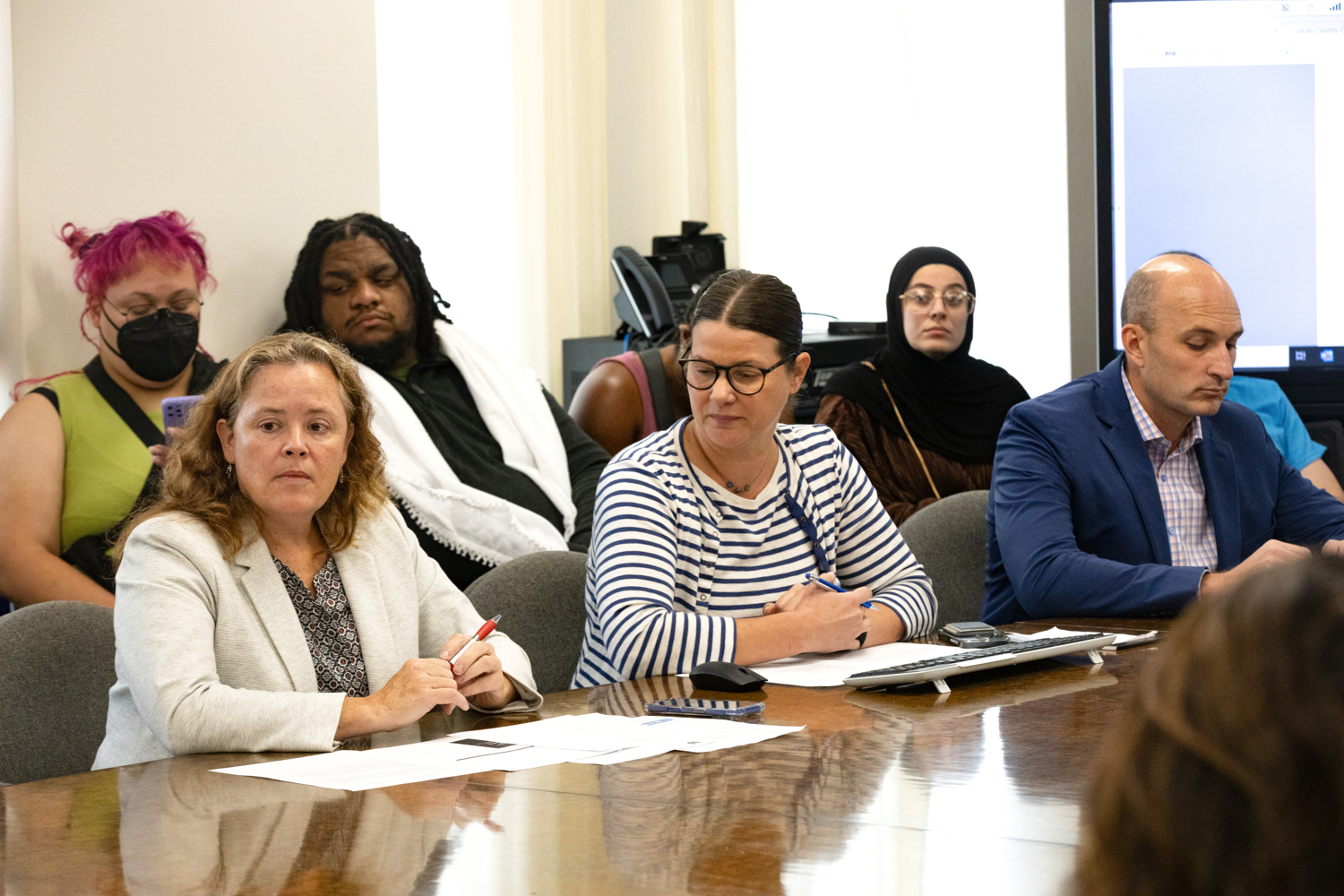
About 20 Pro-Palestine protesters sat quietly as they held large pieces of paper demanding that Lucas County divest from Israel. Shoulder-to-shoulder, they took in McCourt’s PowerPoint report for the advisory committee in Conference Room A on the 8th floor of 1 Government Center.
“Thank you to our guests today. We don’t usually have this big of a crowd,” Gerken said before beginning to clarify his main points for the meeting.
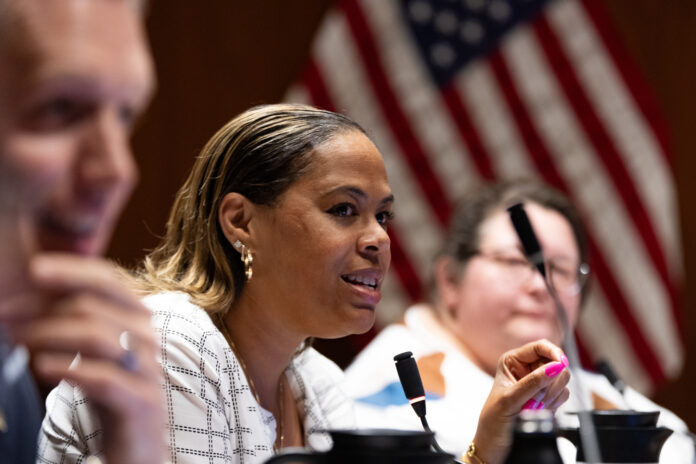
Lindsay Webb, the Lucas County Treasurer, clearly felt attacked by the coordinated pressure provided by Commissioner Gerken to divest Lucas County’s investments from Israel.
“I understand that you have a lot of power in this community, but this is the power that is mine,” Webb said, as she made known to the commissioner that she ultimately decides how the county invests its money.
“Through both the voters and through the structure of county government, I’m the investing authority,” she said.
1 percent of Lucas County’s investments, or as Webb said, one $5 million bond is invested in Israel from Lucas County, and will not reach maturation until December 2026. Until that time, it is not possible for Lucas County to divest from Israel.
“But,” Gerken said. “I will not sit here and remain silent even if it’s a small piece of our pie, I’ll not sit here and remain silent without having community input on our investments. Even if it’s a penny or two in our investment, it’s still the idea our money is being invested there [Israel].”
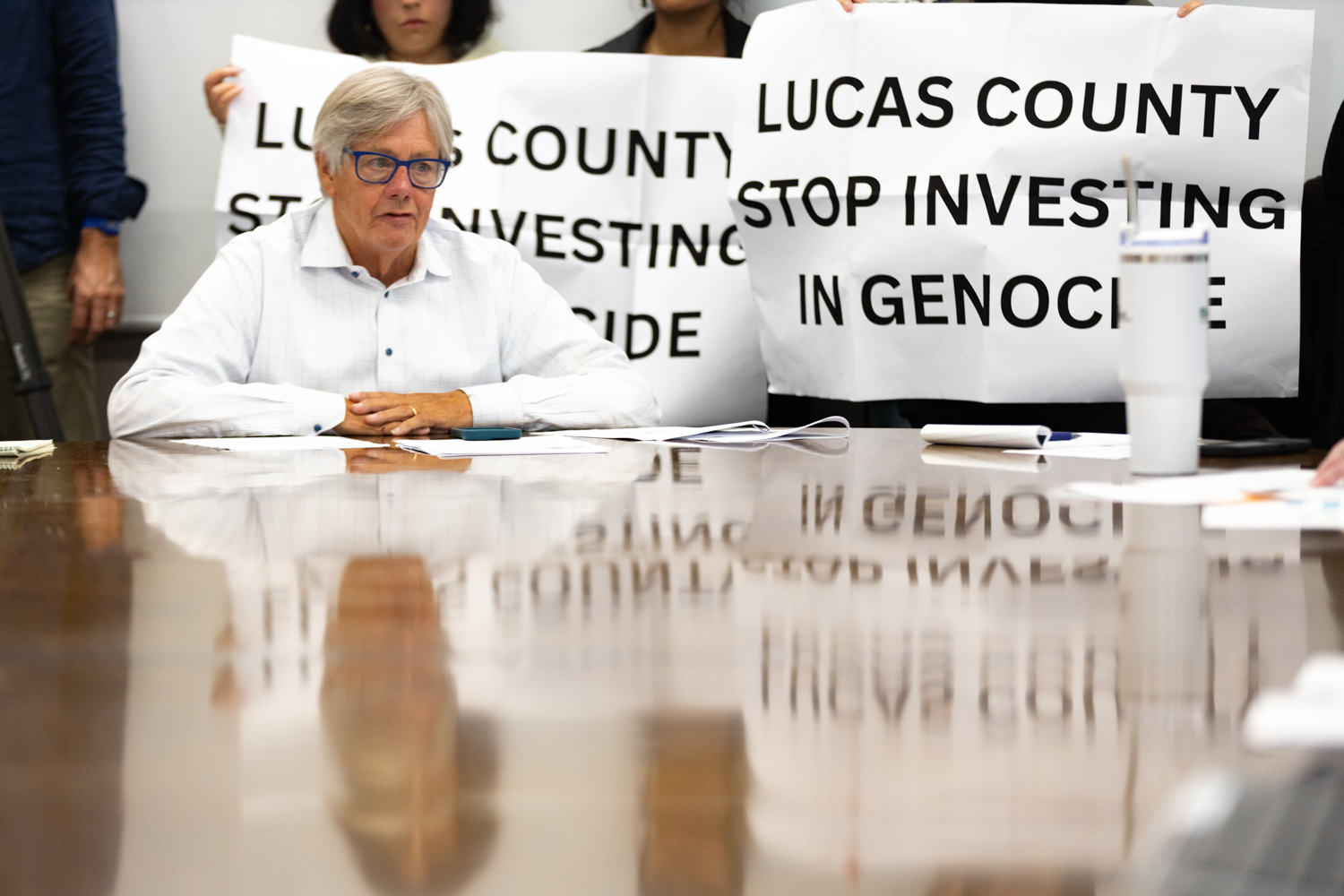
Given the almost two years since the October 7, 2023 attack on Israel, Gerken said the Israeli government is now involved in a “…full blown genocide, starvation tactics by design, policies of violence, oppression and displacement” against the Palestinian people.
And then Gerken took special care to clarify that these were the actions of Benjamin Netenyahu‘s government, and not indicative of Jewish or Hebrew people, stressing both Netenyahu and the government as the focus of his critique.
“Had this been done in any other country in the hemisphere or Europe, we would be outraged. We would not tolerate this” from any other country, he said.
Members of the advisory board looked quizzically at one another, clarifying that the foreign investment bonds could not be divested until 2026.
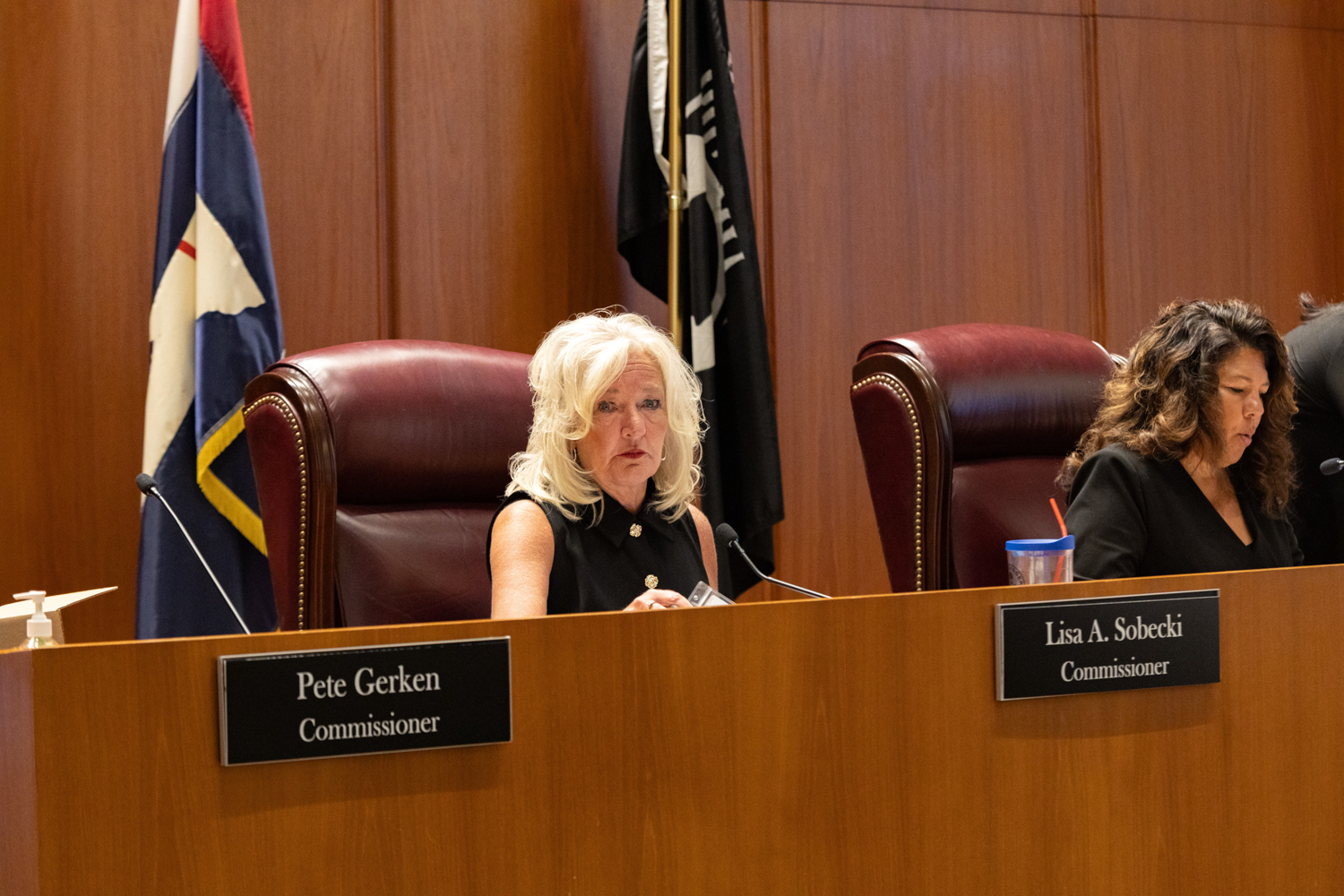
Gerken’s hardball attitude ruffled feathers across multiple advisory board members including Webb and Commissioner Lisa Sobecki’s proxy for this meeting, Chris Varwig, both of whom voted against the motion advising Webb to divest the county from Israel.
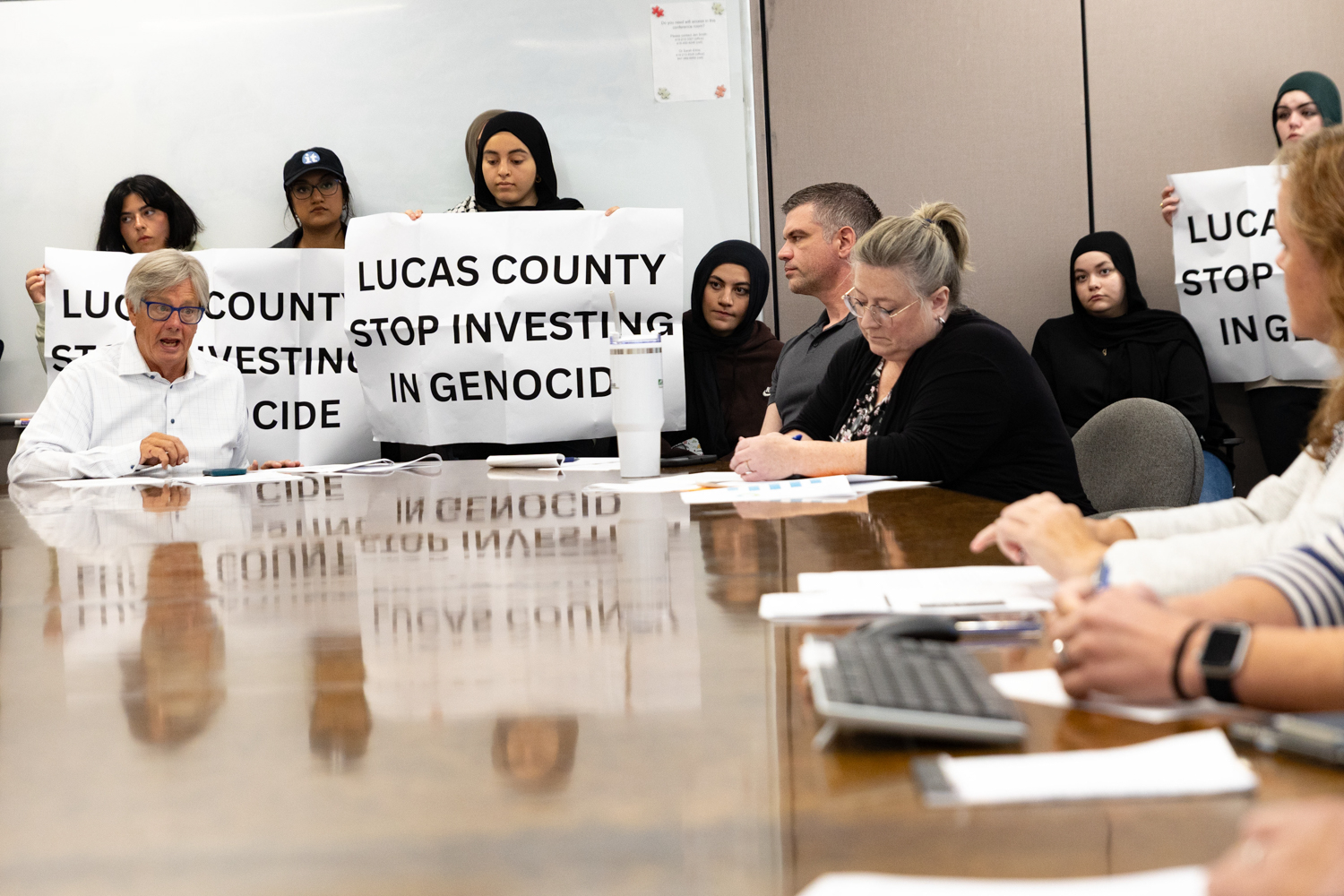
Regardless, the motion passed, and did little in a direct way to change the county’s investments. But it seemed clear Webb felt this was a personal criticism from Gerken.
“We can review the policy in the next six weeks,” Webb said.
“The reality of the situation is I am doing my job very well. That’s the bottom line. I take issue that Commissioner Gerken wants to question that.”
Webb said she was doing her job to invest safely and legally, and raised the question of the legality of divesting from Israel.
“Directing me not to invest in instruments of a foreign nation by which the category is only Israel runs the risk of running afoul of state law, and I personally don’t think that that’s a wise move,” Webb said. “You’re setting the county on a collision course with the Attorney General of the State of Ohio. And I personally don’t think that that is a prudent use of time, resources or money.”
Gerken countered with the argument that they could divest based on Israel’s actions over the past two years, and Webb asked if Gerken wanted to be the test case for that line of thinking.
“I would, absolutely! I think that’s what the county needs. It needs to be tested,” Gerken said.

Members of the protest community, including Terry Lodge, a local attorney and peace activist, Dr. Jomana Al-Hinti, who went on a medical mission to Gaza in 2024, and Mona Abu Shaban, who said she had 42 members of her family killed by Israeli bombings in Gaza, all spoke for three minutes before yielding their time back to the meeting.
Their statements, of which Abu Shaban’s seemed most impactful, were followed by Amichai Stout, the director of the Jewish Community Relations Council for the Jewish Federation of Greater Toledo. Stout mentioned he was not notified of the meeting until a half hour before, but said he was open to discussion.
“I hope that, next time an issue like this comes up, there would be a little bit more notice for our communities that maybe we could prepare something and have more to dialogue,” Stout said.
Gerken retorted that “people who lost 42 members of their family didn’t get notice of the bombs dropped on them.”
By the end of the meeting, Gerken and Webb were at an impasse, as it seemed she would not actively divest from foreign investments, though she agreed not to invest further. Anita Lopez, Lucas County Commissioner, assured Webb that the commissioners were not trying to attack Webb, and they agreed to review procedures in the next six weeks.
But Gerken seemed to want more, and said he wished this could have been “collaborative.” The commissioner and treasurer left the issue as Gerken said he would use his authority as provided in the Ohio revised code to seek a different end to the dispute, and Webb encouraged him to do so.