TOLEDO — Is there a proven formula for achieving success in life?
Some Ohio legislators believe there is, and a pair of bills introduced this year would mandate school districts teach a formula known as the “success sequence” to middle and high school students.
“Individuals who complete at least a high school education, obtain full-time work, and marry before having children are overwhelmingly less likely to live in poverty in adulthood” according to the success sequence described in Ohio Senate Bill 156.
Sponsored by Sen. Al Cutrona (R-Canfield), the legislation had its third committee hearing in late June. It would require the Ohio Department of Education and Workforce to develop standards and a model curriculum about the “success sequence” for grades 6 through 12. Districts would be required to provide instruction on the sequence in at least one course required for high school graduation.
Republican legislators also introduced a second bill requiring Ohio schools districts to teach the success sequence in the House at the beginning of June. House Bill 269 would require each school district to include instruction in the success sequence and character education for grades 7 to 12 beginning with the 2027-2028 school year.
Under the House bill, the Department of Education and Workforce would develop a model curriculum that would teach about “character traits and fundamental values deeply rooted in the history and tradition of the United States,” in addition to the success sequence.
This list of traits includes trustworthiness; responsibility; care for family; kindness and generosity toward others; respect and care for human life; respect for parental authority; respect for parents’ obligations to children; respect for the property of other people; respect for legitimate authority and law; respect for patriotism, service to the community, and concern for the common good; respect for religious faith, morality, wisdom and knowledge; respect for lifelong marriage, sexual fidelity within marriage, and sexual abstinence outside of marriage; gratitude; charity; and courage.
TPS Board opposes mandating success sequence instruction
In his sponsor testimony, Cutrona called the success sequence “a proven formula to help young adults avoid poverty and achieve the American Dream.” He cited research claiming 97 percent of individuals who complete the sequence do not live in poverty in adulthood.
“The success sequence works to empower individuals and families, and teaches the self-sufficiency and independence needed to succeed in today’s society,” Cutrona said.
While H.B. 269 has not yet received public testimony, S.B. 156 is backed by groups including the Heritage Foundation, the American Enterprise Institute and the Center for Christian Virtue, which is Ohio’s largest Christian public policy organization.
In 2023 the Heritage Foundation released a model policy “blueprint” for states to require that districts teach the success sequence to high school students. The “success sequence” is also promoted by the Institute for Family Studies (IFS), which has pushed it as part of the organization’s “Get Married Initiative.”
According to IFS, the success sequence was first identified by social historian Barbara Dafoe Whitehead and sociology professor Marline Pearson. It was later popularized by Brookings Institution researchers Ron Haskins and Isabel Sawhill.
Not everyone is supportive of the push to teach the success sequence. At the third committee hearing for S.B. 156 on June 24, sixteen individuals and groups submitted opposition testimony including Chris Varwig, vice president of the Toledo Public Schools Board of Education.
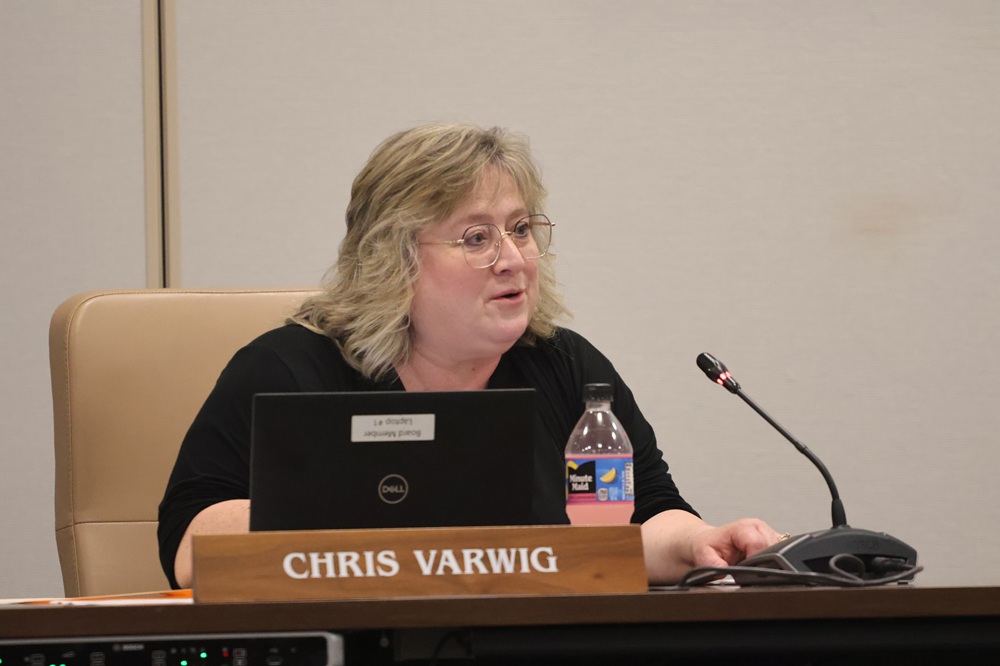
“The TPS Board of Education feels that parents’ rights are violated whenever legislation dictates a formula for family values, rather than allowing parents to raise their children according to their own values,” Varwig wrote.
“This bill undermines our students’ autonomy, promotes a narrow definition of success, and reinforces outdated social norms under the guise of ‘family values,’ ” Varwig added in her testimony. “Our educators are dedicated to helping all students succeed on their own terms, not through a state-mandated life formula.”
Varwig’s testimony echoed the sentiments of a resolution the TPS Board of Education passed unanimously at their regular meeting April 22 expressing opposition to S.B. 156.
The board’s resolution said the success sequence model “ignores systemic obstacles that certain groups face and hurdles that individual effort cannot necessarily overcome.”
The bill also “threatens to enshrine Christian values in public school curriculum, stigmatize students for their poverty and induce students to internalize blame for failing to follow the success sequence rather than recognize that systemic barriers often limit the economic mobility of certain groups regardless of their individual choices,” according to the resolution.
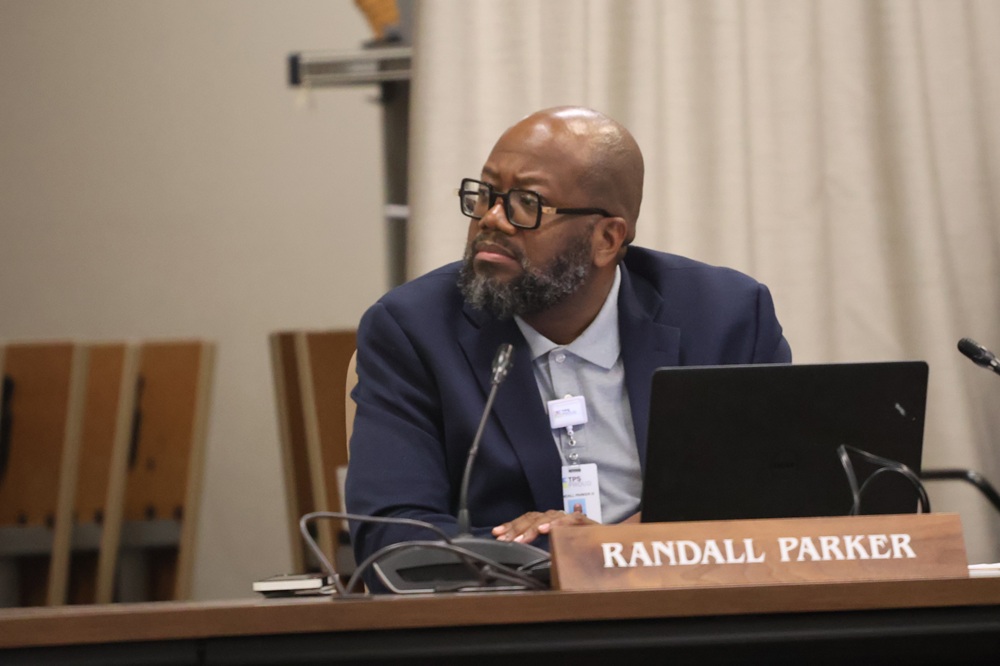
In comments regarding the resolution, board member Randall Parker said he believes the bill is more about control than it is about success.
“This so-called ‘success sequence’ is no more in my opinion than a ‘stress sequence,’ for our students, because they’re already carrying so much,” said Parker.
He said the success sequence ignores the realities of the poverty, trauma and systemic challenges that many students face. Parker, who serves as a pastor in Toledo, also said he was troubled at seeing a bill “that tries to smuggle traditional Christian values under the umbrella of legislation.”
“I follow Jesus. That’s my belief,” said Parker. “But I don’t believe in forcing him into a policy to meet an agenda. That’s not faith. That’s Christian nationalism. And I gladly and boldly oppose that. You can’t legislate love. You can’t mandate morality. And you can’t weaponize faith in a public school system that serves all children, regardless of their background. Regardless of their beliefs. Regardless of their circumstances.”
Success sequence bills similar to the ones in Ohio were recently signed into law in Tennessee and Utah and have been introduced in Texas, Kentucky and Mississippi.