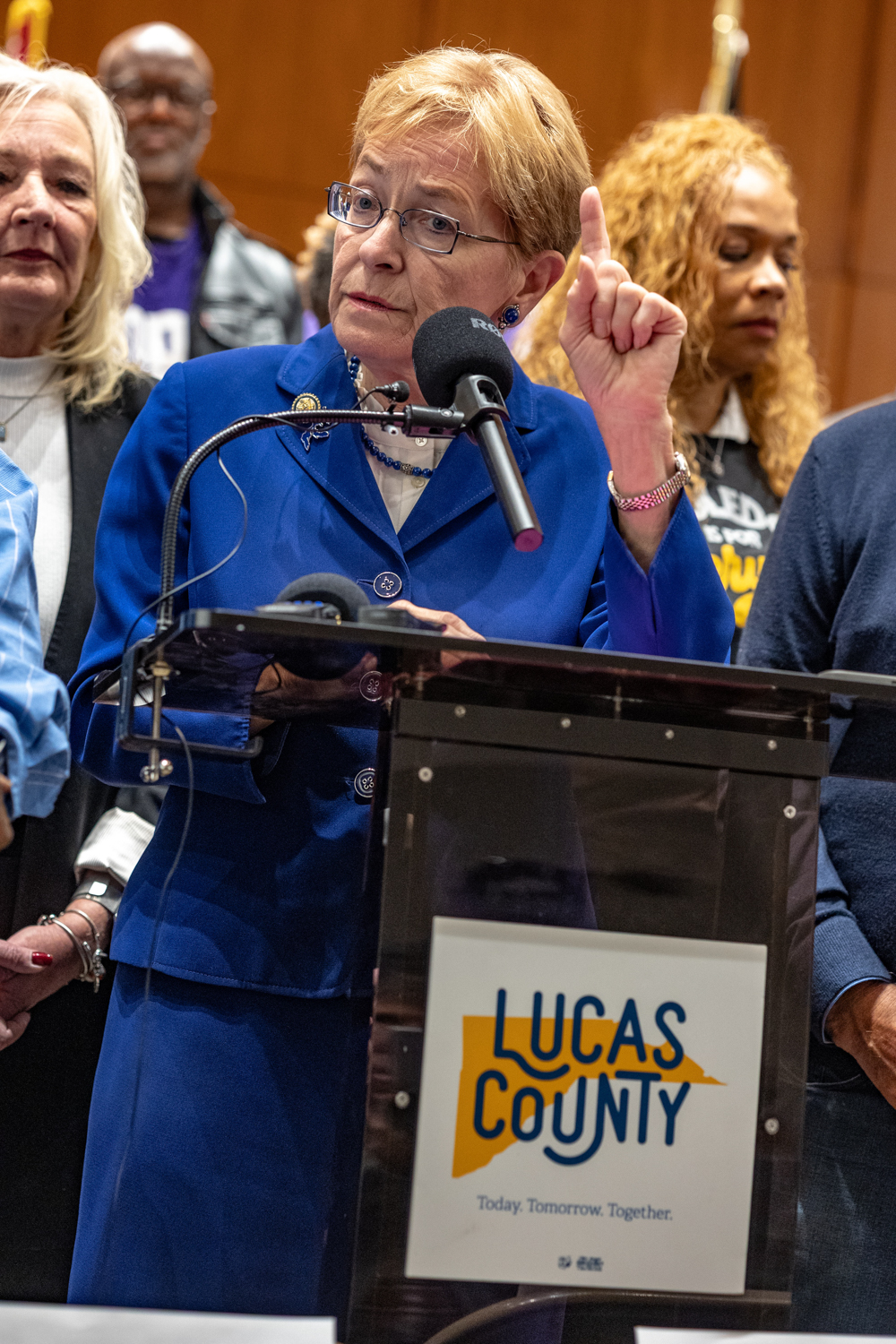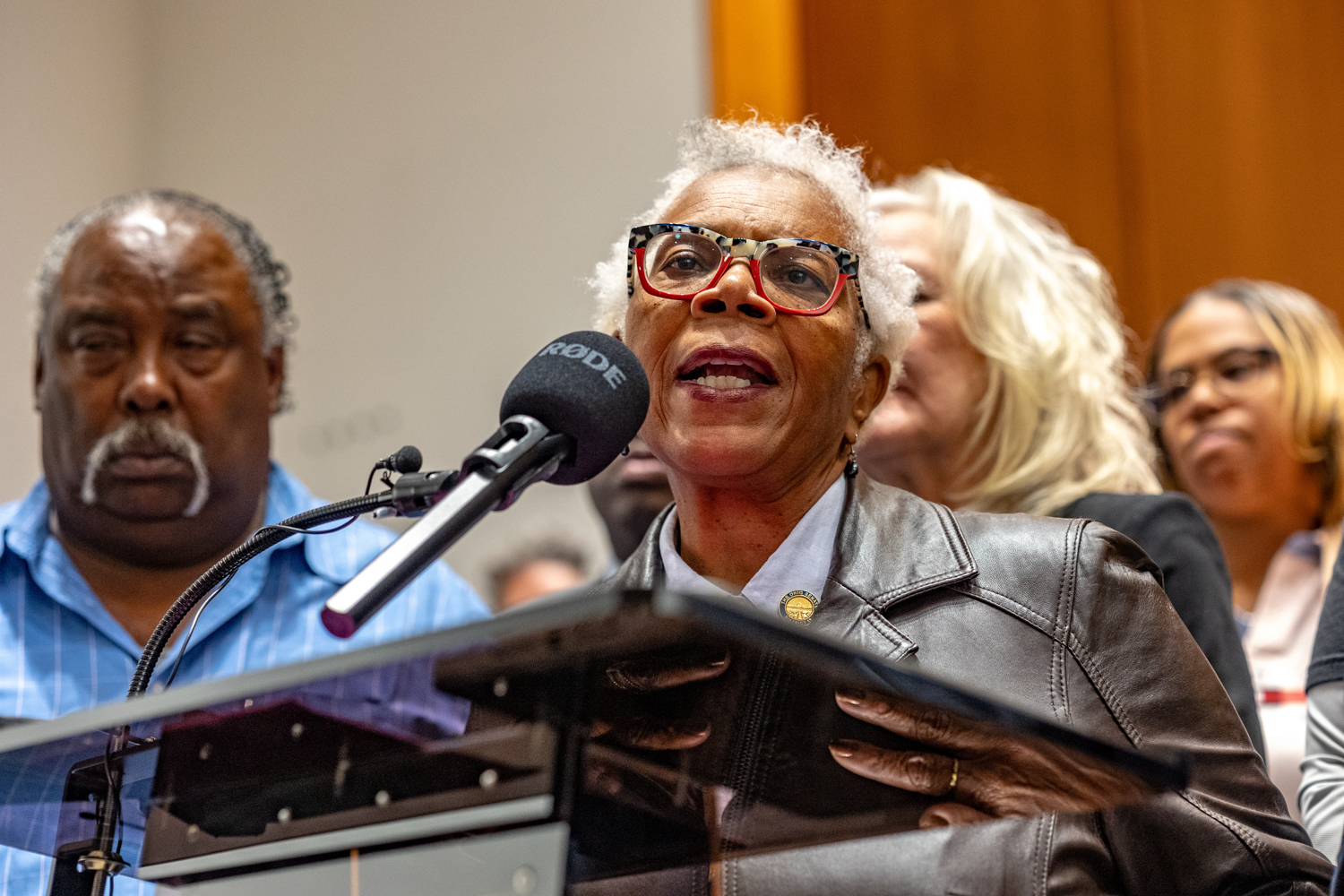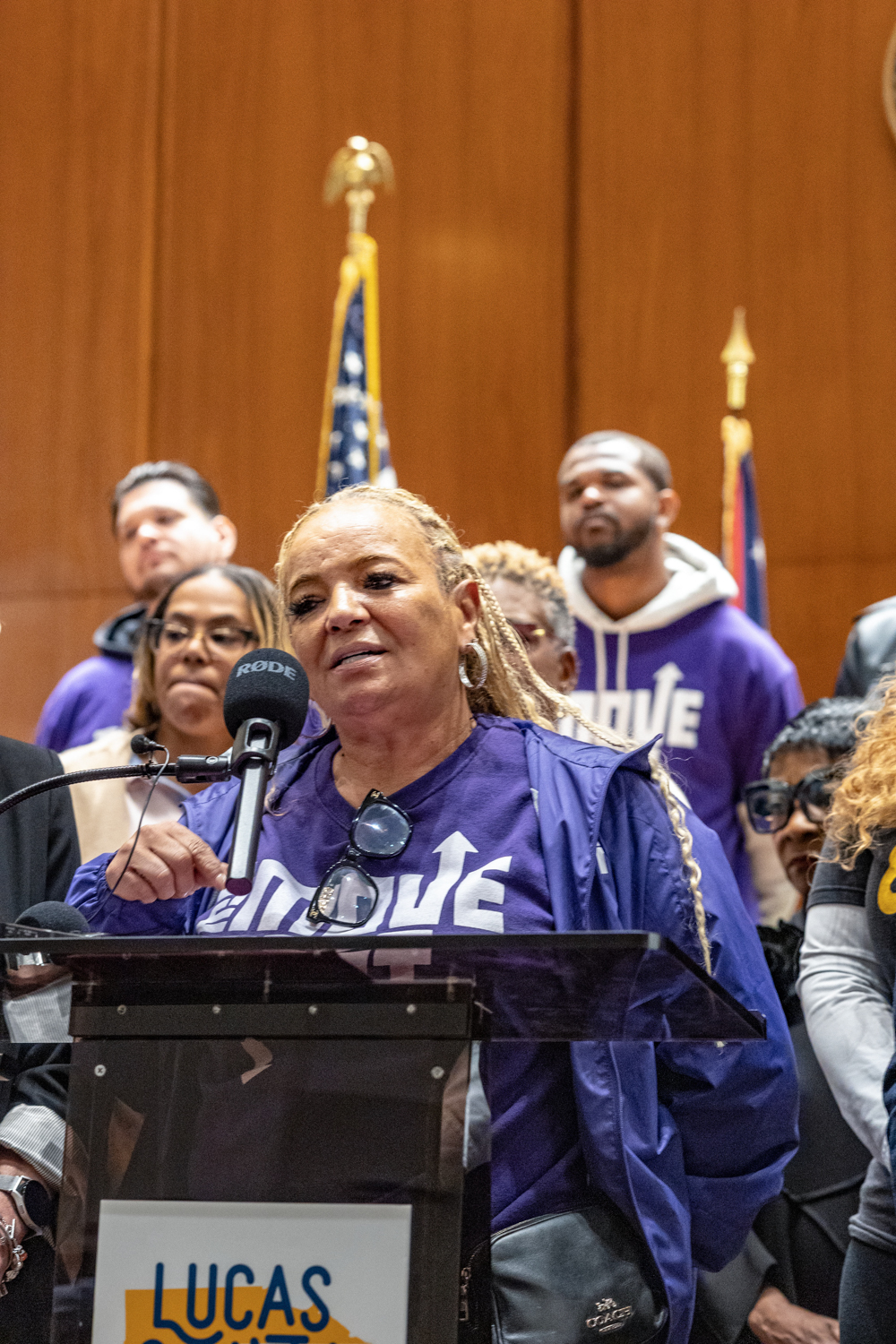
MONCLOVA TOWNSHIP – Normally, public attendance during the twice-a-month Monclova Township trustees’ meetings is pretty sparse. But on Oct. 20, more than a dozen residents arrived with one intent: to ask about the potential of a data center being built on Black Road, west of the Shops at Fallen Timbers.
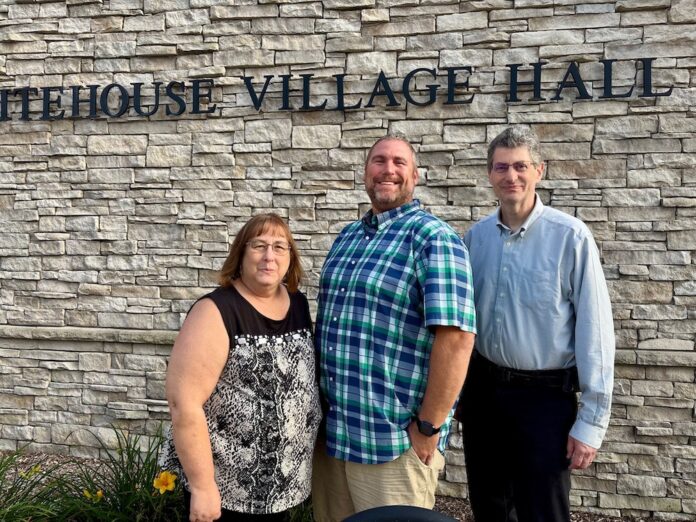
Ryan Bauman, Ron Loeffler, Adam Nelson, Debbie Stevens-Laux and Justin Zemanski were among the residents asking why the trustees approved a text amendment to allow data centers, whether plans are in place for a data center, and how the township’s sometimes rocky relationship with the City of Maumee could impact control over such a project.
Monclova, Waterville, Waterville Township and Whitehouse leaders are receiving emails, phone calls, social media call-outs and requests for public records regarding data centers. This summer, word began to spread about how the Lucas County Economic Development Department (LCEDD) and Regional Growth Partnership (RGP) are working with area communities to identify properties that have potential for handling a data center.
Southwest Lucas County has the most potential because of its available land and access to the Nexus Gas Transmission pipeline and water. Another key factor is appropriate zoning – which is currently in place for Monclova Township, Waterville and Waterville Township.
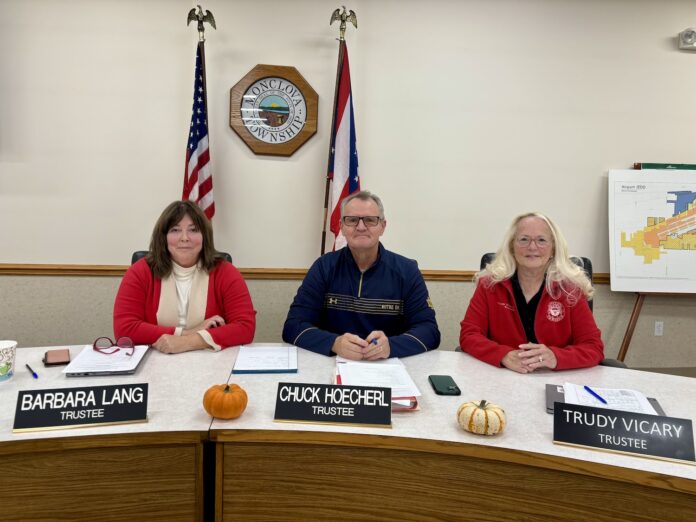
“At this time, Monclova Township does not have any applications before us regarding any data centers,” Hoecherl said, adding that LCDED director Matt Heyrman told him that morning that, so far, no offers have been made on land anywhere in the Anthony Wayne area for a data center.
Frustrated by the spread of “disinformation and false rumors” online about Monclova Township’s involvement with the LCEDD and data centers, Hoecherl began the public comments portion of the meeting by reading a statement approved by fellow trustees Barbara Lang and Trudy Vicary.
“I would like to challenge the people who post anonymously on social media and accuse public officials of taking kickbacks and bribes from corporate interests,” Hoecherl said. “I would encourage you to get out from behind your keyboard and come to a meeting and be a productive part of the community, versus throwing out libelous and false accusations.”
Stevens-Laux, who is running for one of two Monclova Township trustees’ positions, was in the audience on Oct. 20, asking the trustees why they “opened the door” to data centers and agreed to add data centers in agriculturally-zoned land with a conditional use permit.
“We like to work with our partners in the county. We thought this offered the township the most protection,” Lang said, noting that as other possible uses arise, like solar and wind farms, the township reviews options for regulation.
After a public hearing on March 31, the board adopted that language to protect the township’s interests, she said. No one in the audience spoke at the public meeting to oppose that move.
A conditional use permit allows the township to regulate aspects of a project by imposing conditions beyond normal zoning regulations, such as on building height, setbacks, landscaping, lighting and sound, explained zoning administrator Eric Wagner. If those conditions are not acceptable to the applicant, the project might not go forward, he said.
If the township does receive an application for a data center, Wagner would review the site plan and forward it to the fire chief and county departments for review before the Board of Zoning Appeals (BZA) were to hold a public hearing to hear testimony and make a decision.
The BZA is a group of appointed residents, including Jeffrey Ballmer, Darrel Limes, Michelle Ross, Keith Stewart and Doug Stanton. Loeffler said he hoped the BZA members do their homework before an application is made by a data center. Zemanski voiced concern that unelected officials would make a decision on behalf of the township’s 15,000-plus residents, including the hundreds who live within a mile of Black Road.
Bauman, who owns Karnick on Black and also lives in the township, asked how trustees would work with the City of Maumee if a data center was proposed for property on both sides of Black Road, west of the Shops at Fallen Timbers. The land east of Black was annexed by Maumee and planned for a housing development, but that fell through earlier this year as Isaac Land Investment backed out of a sale to the developer.
“Would our BZA only have a voice in the portion of the project in our township, and the city only have their voice in the portion of the project in the city?” he asked.
Hoecherl said while the township and Maumee have had challenges over the years, he believes the two entities would be able to negotiate. He also noted that the township is always working to fight off annexation of township land by its neighbors.
Andy Nelson came to his first Monclova Township meeting with plenty of questions, and a suggestion: enact a moratorium on data centers to give the community more time to get answers.
“I think there is a lot of support for a moratorium – if you worry about public opinion,” Nelson said.
On Monday, Oct. 27, Waterville City Council is expected to discuss a proposed moratorium during its 7:30 p.m. meeting. While the council voted 4-2 in September to allow data centers in M-1 Manufacturing zoned areas, Council Member Wayne Wagner has pushed to reopen the issue and look at a moratorium on data centers.
On Wednesday, Oct. 29, Waterville Township trustees are moving their 6:30 p.m. meeting next door to Waterville First Presbyterian Church to handle an expected crowd with questions about data centers.
“I will update residents on why we are where we are today, what we know, and allow them an opportunity to talk,” Waterville Township Trustee Julie Theroux told the township’s Zoning Commission during their Oct. 20 meeting.
The township, like Monclova, approved a text amendment to its zoning resolution to allow data centers in Agriculturally-zoned land with a conditional use permit. The township has also hired a Columbus law firm to represent their interests if a data center application is received.
In a candid discussion with the Zoning Commission, which includes RGP employee and township resident Bill Burkett, Theroux admitted that she has her own concerns about the impact of a data center on the township, or – if the township turns down a request – the possibility that a land owner might apply to annex their property into neighboring Whitehouse or Waterville in order to sell their land at a high dollar figure.
“There’s no plan to respond to, so we don’t know who would potentially be impacted,” Burkett said, explaining that the county and RGP are just looking at properties that might have potential to pitch to a data center developer. “Nothing has been proposed.”
As part of its research, the county did conduct a study to see how to deliver enough water for a potential data center in Waterville Township, Burkett said. A line from Monclova would be too expensive, and Waterville’s use of Bowling Green water wouldn’t be enough, but a line from Whitehouse – which gets its water from the City of Toledo – would be a viable option.
Whitehouse does not have the space or the zoning to allow a data center within village limits, Whitehouse Mayor Rich Bingham stated during the Oct. 21 Whitehouse Village Council meeting.
“I’m getting several requests for information regarding data centers. The village has no room for a data center. We’re not considering a data center here. It’s not coming to the village of Whitehouse. Our zoning doesn’t allow it. We don’t have 1,000 acres to put one here. We cannot control what Waterville Township does,” Bingham said.
Realizing that so many residents have questions about the impact of data centers, including on the environment, utilities, health, and property values, Heyrman is working on assembling experts in each area to answer questions in a public forum for mid-November, but said nailing down a large venue has been a challenge. He expects to have a date set within the week.