WATERVILLE TOWNSHIP – A proposed change to Waterville Township’s zoning regulations – one that would allow two electronic billboards along a two-mile stretch along U.S. 24 – elicited comments from community members, who cited concerns about the impact of a 672-square-foot sign on driver attention, neighboring residents, the environment and the tranquility of the township.
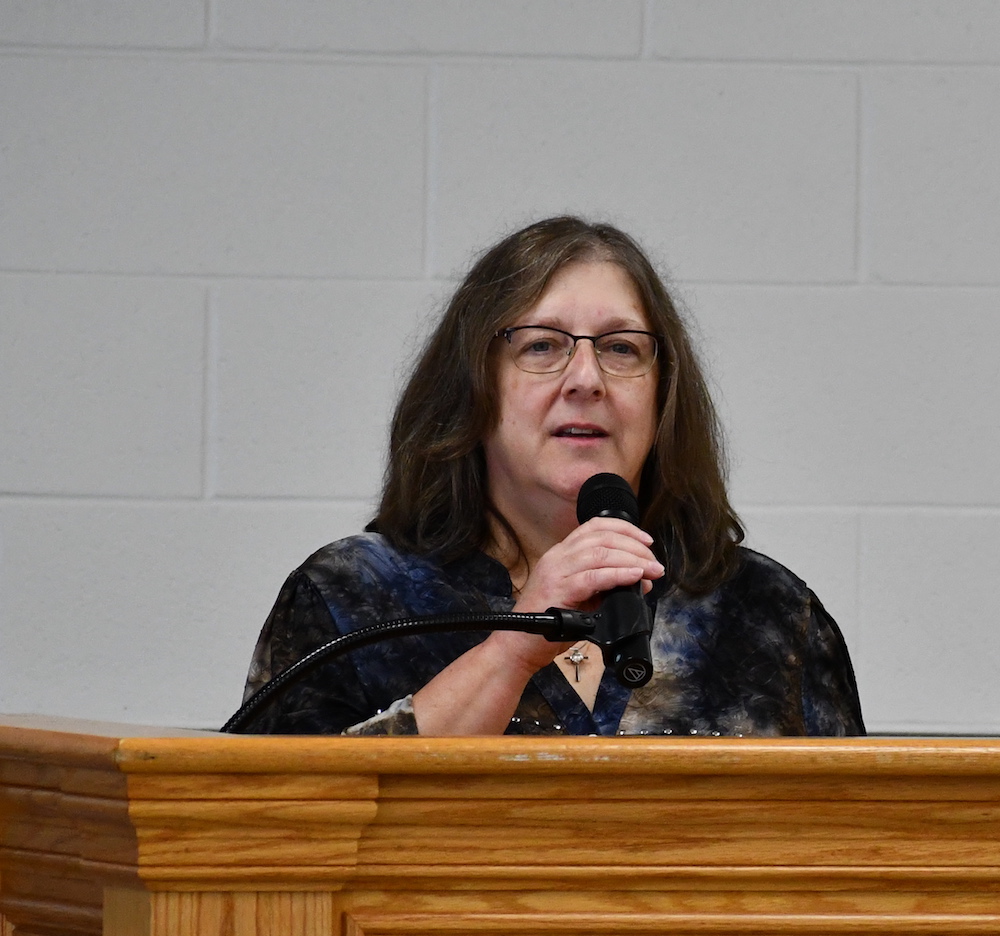
“I don’t think we need to have the Las Vegas kind of flashing lights,” said Russ Schifferly during an Aug. 31 Zoning Commission public hearing. He called billboards an unnecessary distraction, and one that would impact the future of the township.
Anita Conley noted that the stretch of U.S. 24 between Dutch Road and S.R. 64 has a curve where semi drivers in particular either hit the brakes or go over the rumble strips on the side of the roadway. Lyn Cox shared research on how high intensity electronic messaging may cause dangerously long gazes, temporary glare or night blindness, driver drift and delayed braking action.
“This board is tasked with guarding the health, safety and rural character of Waterville Township. A text amendment that invites unprecedented visual pollution and roadway distraction does the opposite,” Cox said.
Mark Phillips, who lives just east of the Dutch Road Storage facility where such a sign is proposed, noted that the billboard wouldn’t just affect his quality of life, but that of the residents of Waterville Loft Apartments, a 70-unit, 55-plus community set to open on Kay Drive, just across the highway, in April.
Debra Reed, who lives on Tournament Drive, also pointed out the impact to future Waterville Lofts residents. She’s previously complained about light coming from Dutch Road Storage, and believes that a billboard would only further impact the area.
“Outdoor lighted advertising and electric signs are not conducive to our community,” she said.
Preserving the community was a common theme in the comments.
“We’re changing so much about ourselves as Waterville Township. I get it that progress is progress. But I think it would be wise to save just a little bit of what we’ve got left,” said Phillips.
Terry Beam wondered who would monitor the sign to make sure that it wasn’t exceeding the limits on brightness, and wondered if that would require additional resources in terms of equipment or personnel. He noted that the township has been busy trying to protect residents from a potential data center, and asked the commission to do the same with a billboard.
“I think we need to keep the township the way it is: a nice community without all the bells and whistles. Why do we want to allow this?” he asked.
The Zoning Commission began looking at a change to the zoning language last fall, when the owners of Dutch Road Storage began asking about the possibility of erecting an off-premise sign on their property at 7750 Dutch Rd. The term “off-premise” means that it would be used to advertise businesses not located on the property. Currently, billboards are limited to 15 feet in height and 72-square-feet of signage face. Nothing in the resolution addresses electronic signage.
Faced with a nonrefundable $10,000 application to ask the Board of Zoning Appeals (BZA) for a conditional use permit – an amount that could be seen as a punitive measure to prevent billboards – owners Dan Bollin and James Moline, along with attorney Jerry Parker, asked the township to look at updating the language.
Over several months, the Zoning Commission drafted proposed language that sets the number of electronic billboards allowed in the township to two along the township’s portion of U.S. 24. The language sets limits on distance from intersections, interchanges and homes, brightness and images, which would stay up for at least 8 seconds at a time cannot include animation, scrolling, flashing, videos or profanity. The operator must allow up to 10 percent of its display time for community messages requested by governmental and emergency management agencies.
These regulations are among the most restrictive he’s seen, said Parker, who has represented outdoor advertising companies for decades. While many other townships have regulations on billboards, they don’t limit the number and don’t require a percentage for community messaging, he said.
“Our purpose is not to affect property owners adversely but to help the township with a civic-minded sort of proposal,” he said.
Providing that service will allow the township to promote itself and the opportunities for businesses to locate in the area and bring jobs, Bollin said. And while residents might not want to see the township change, that’s already happened with U.S. 24 cutting through.
“Billboards are everywhere. This is just two billboards, not like Toledo where you see them every 400 feet,” Bollin said.
Once in place, the electronic billboard would be programmed to meet the strict requirements, so no additional enforcement would be needed, he added.
After the township put together the proposed zoning language, it was sent to the Lucas County Plan Commissions staff, and Senior Planner Molly Maguire wrote in her recommendation to the Planning Commission to deny the change, calling billboards “visual blight” that has a negative impact on the community and can create a visual hazard. Lucas County Engineer Mike Pniewski agreed. But the rest of the commission recommended moving forward with the change.
Trustee Toby Miller said the new language would allow the township to put in tighter regulations on billboards, because the current process through the BZA would open the door to more signs. Any decision by the BZA is considered an administrative action, and could not be challenged by a citizens referendum.
“The reality of the current zoning book is they can apply for an off-premise billboard as it stands. If a variance is granted, it’s opening the door. You can’t grant a variance for one without doing it for all, and that could occur anywhere in the township, not just along U.S. 24.,” Miller said.
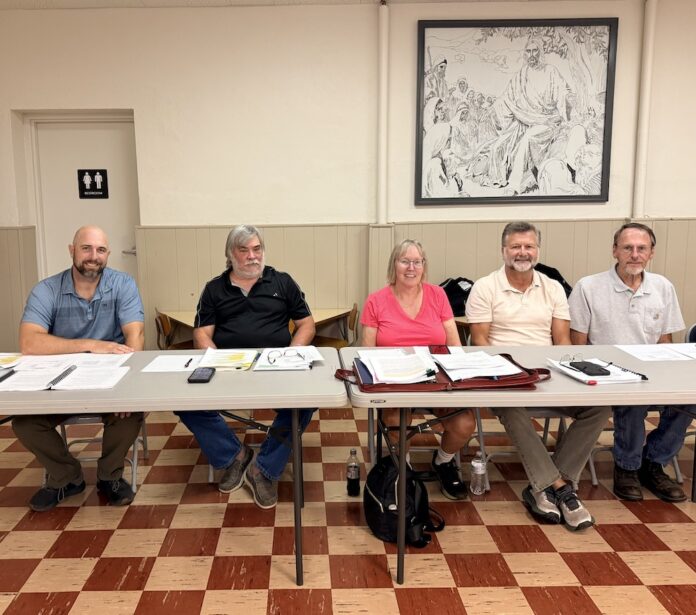
The fee for applying for an off-premise sign has been under review by the Zoning Commission and the trustees, said Commission Chair Keith Moosman. He expects the trustees to discuss the topic during their Sept. 23 meeting. The commission, in the meantime, will take the information about the zoning language change and make a decision during their next regular meeting, on Monday, Sept. 21 at 7 p.m.