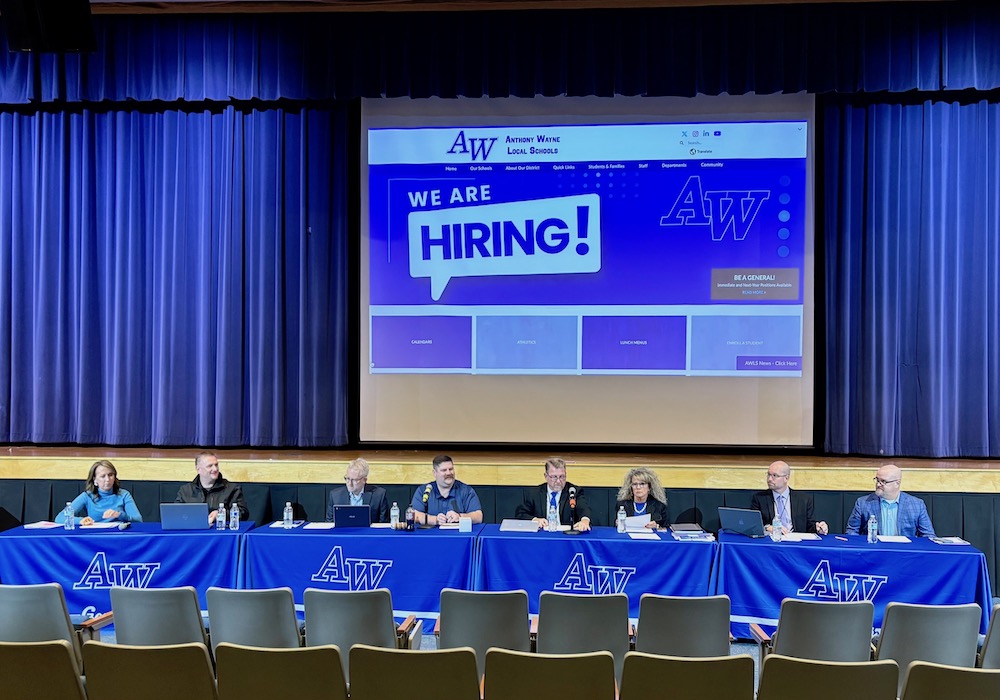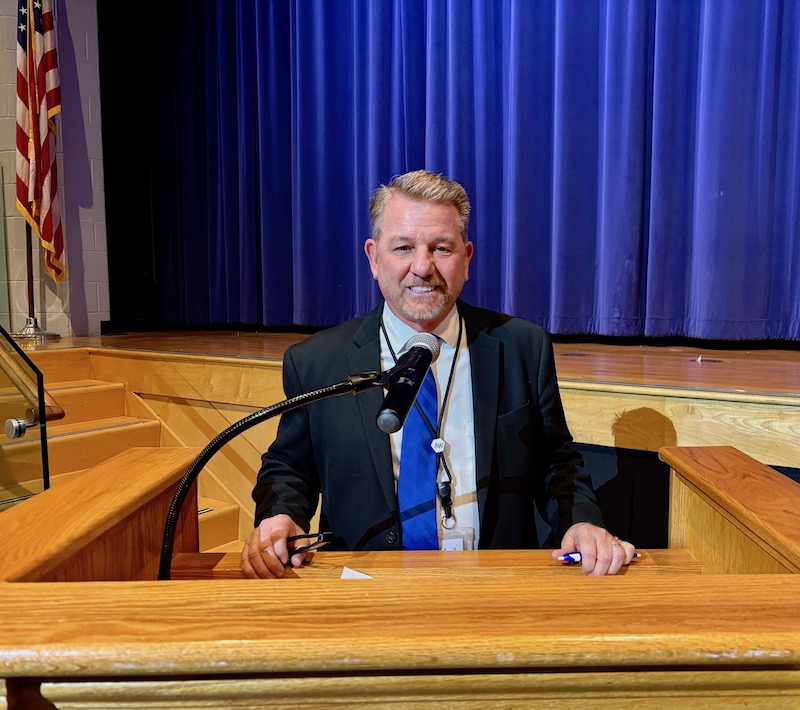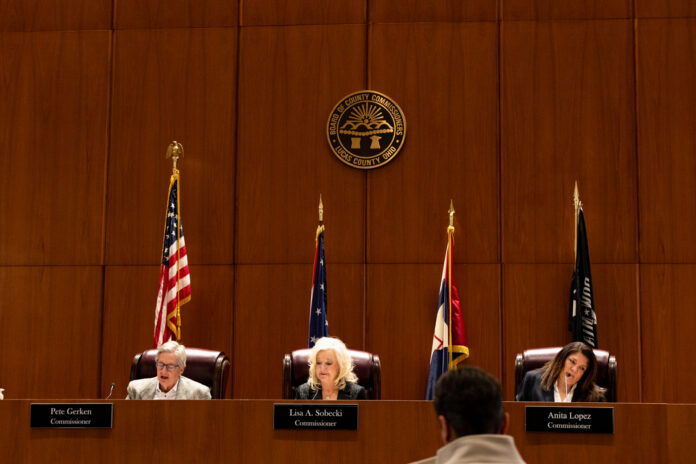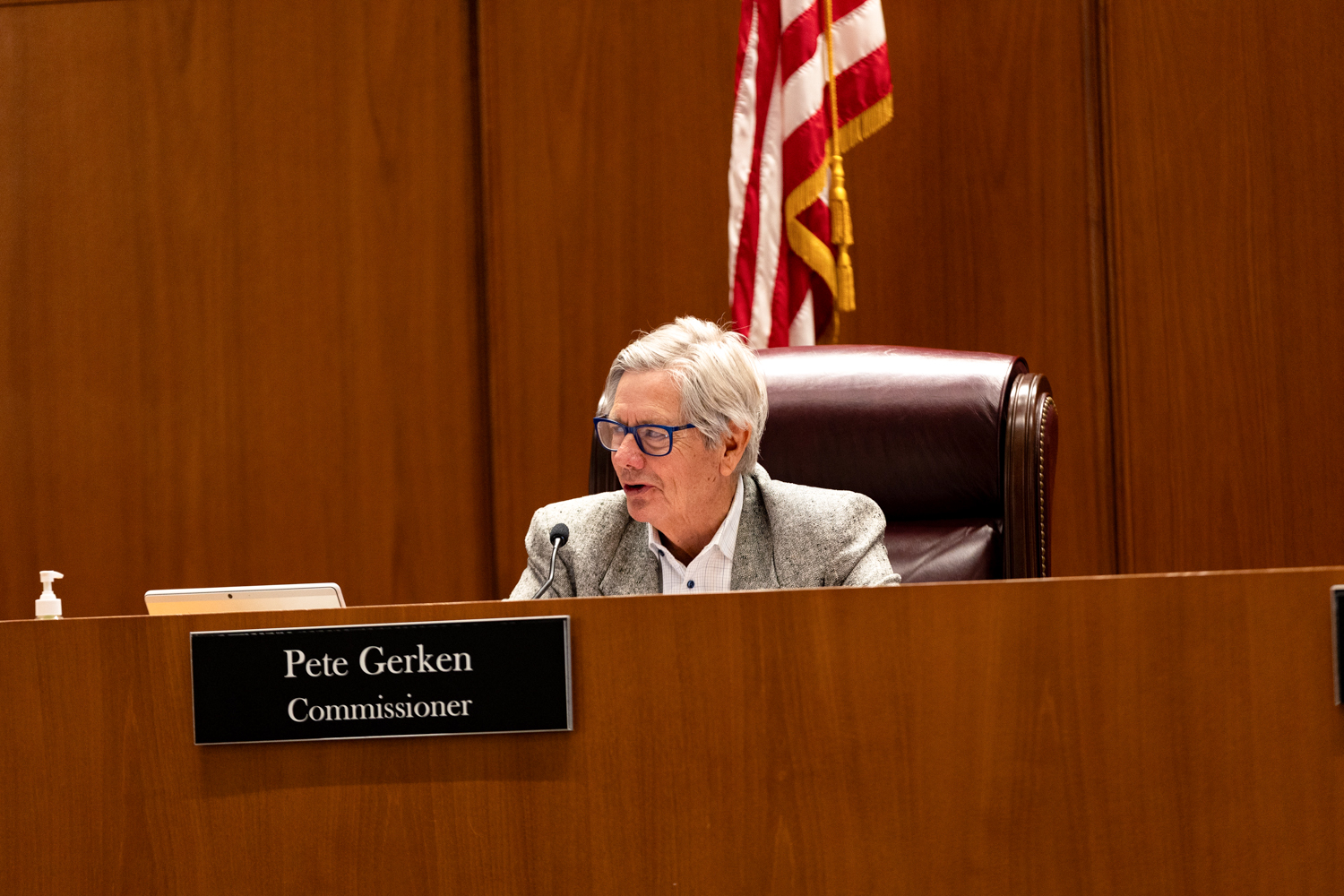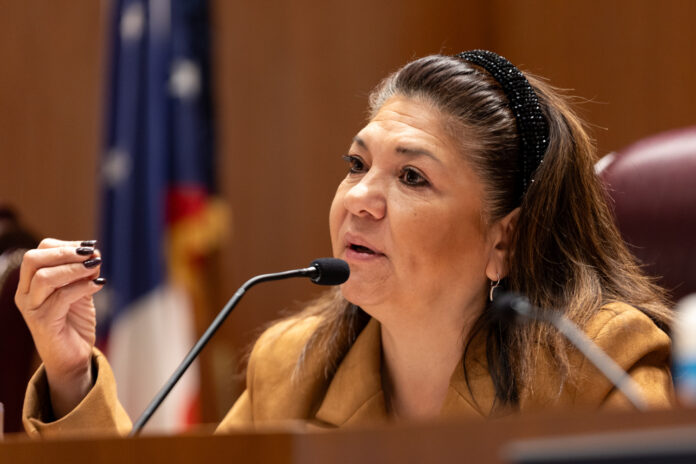
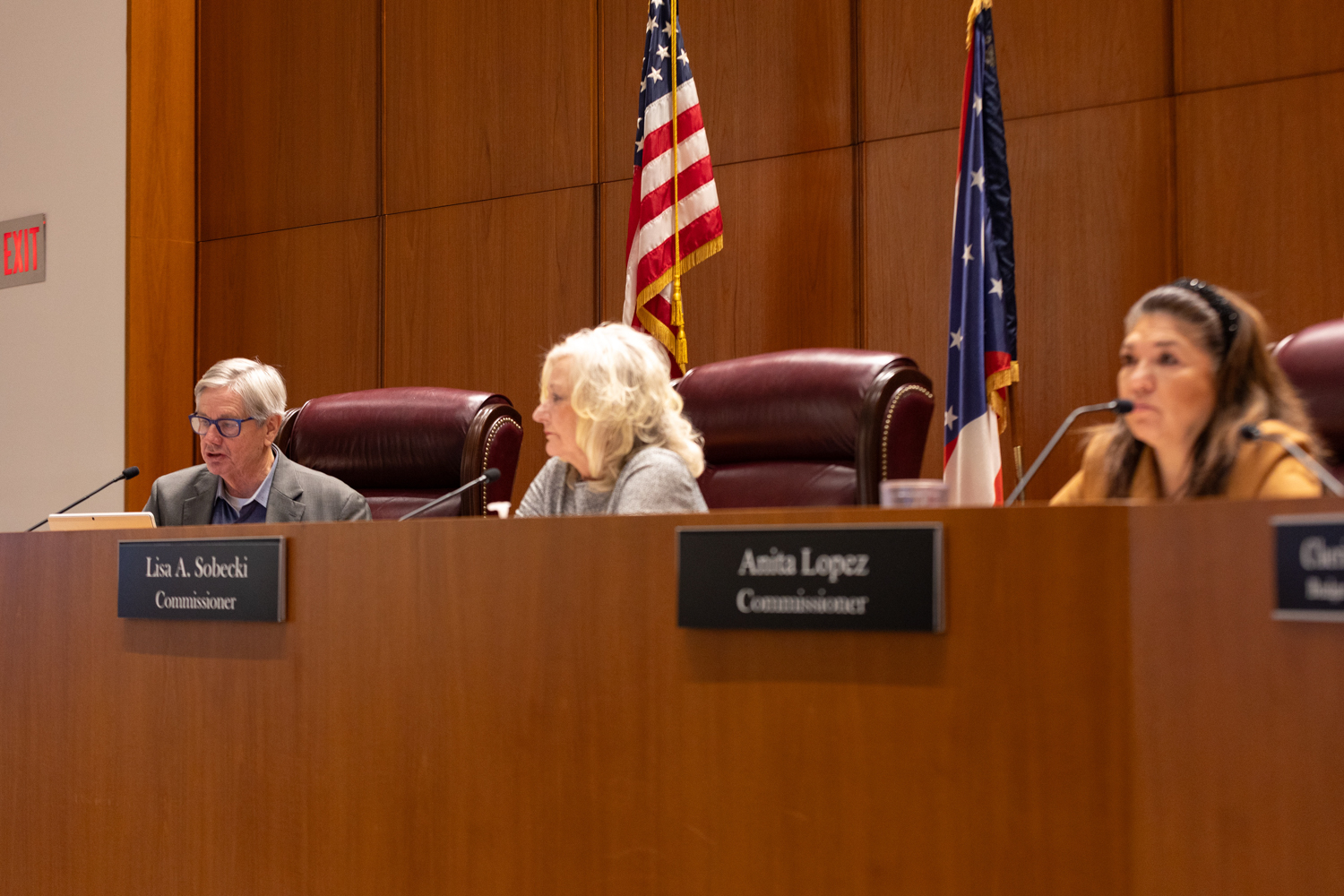
TOLEDO – Commissioners Lisa Sobecki and Anita Lopez appeared blindsided by their counterpart, Pete Gerken, as he made an impromptu attempt to vote symbolically against a Department of Homeland Security (DHS) grant during Tuesday’s Lucas County Commissioners Meeting at 1 Government Center in downtown Toledo.
Gerken said the grant was supposed to empower the county to stop drug runners coming down from Canada, but stated that “ICE, DHS and Border Patrol have devolved in front of the country’s eyes, as we saw clearly this last week.”
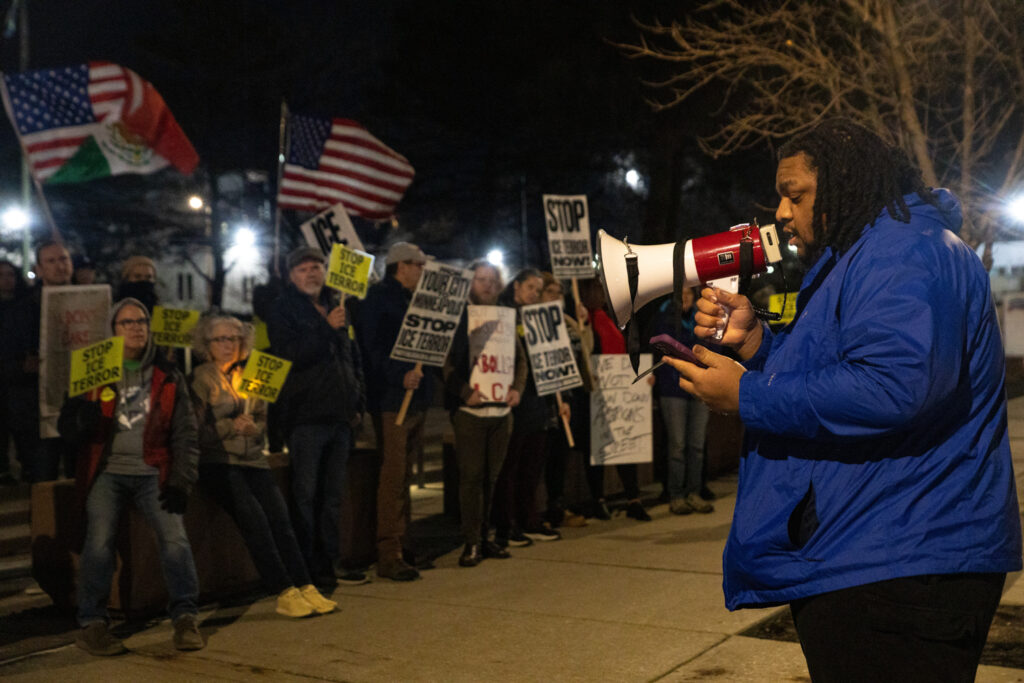
ICE in Minnesota
On Jan. 7, Immigration and Customs Enforcement (ICE) agents surged into Minneapolis, Minn. and, during neighborhood raids, killed Renee Good, a United States citizen.
A subsequent DHS action near Roosevelt High School later that same day led Minneapolis Public Schools (MPS) to close their district for “safety concerns” for the rest of that week.
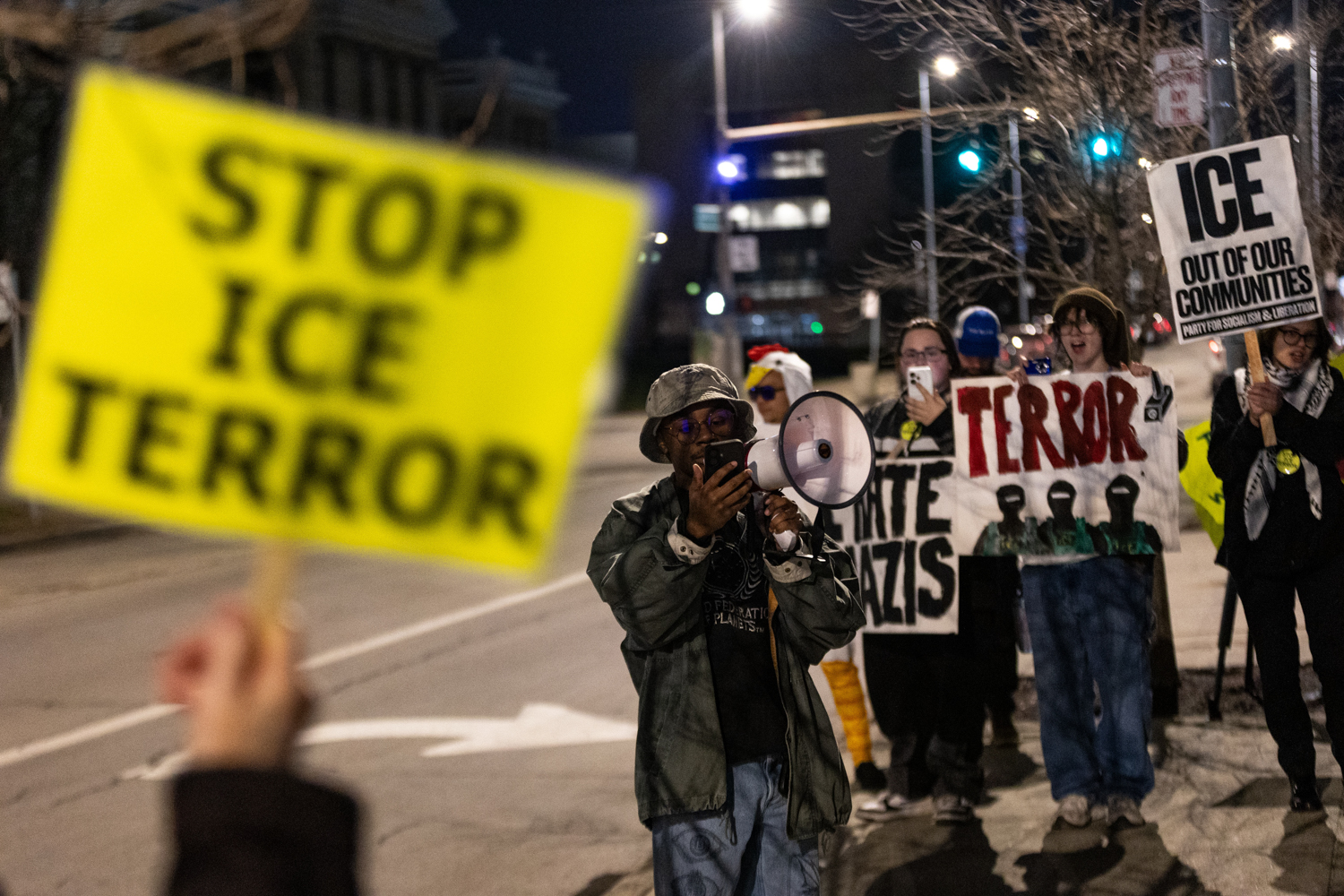
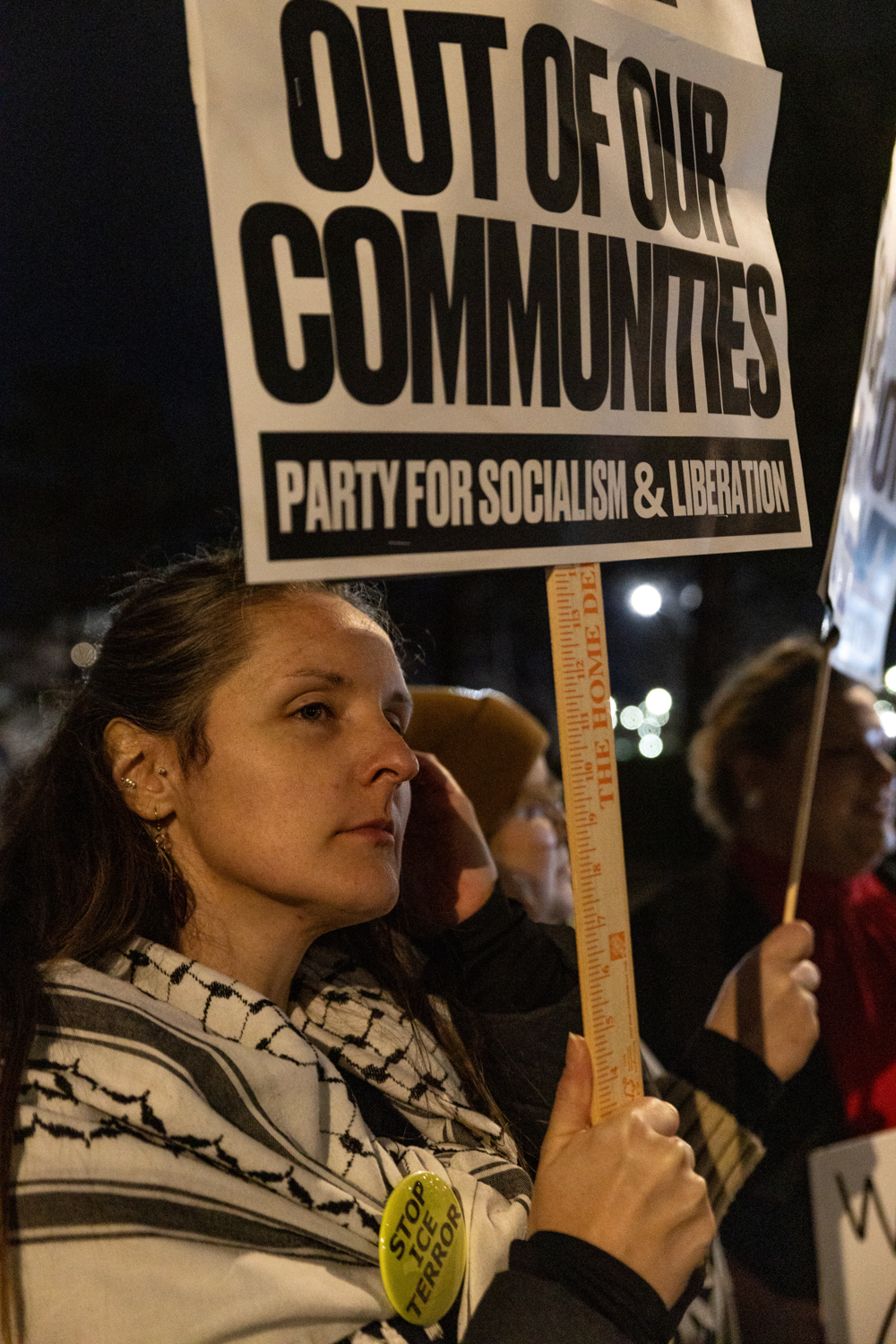
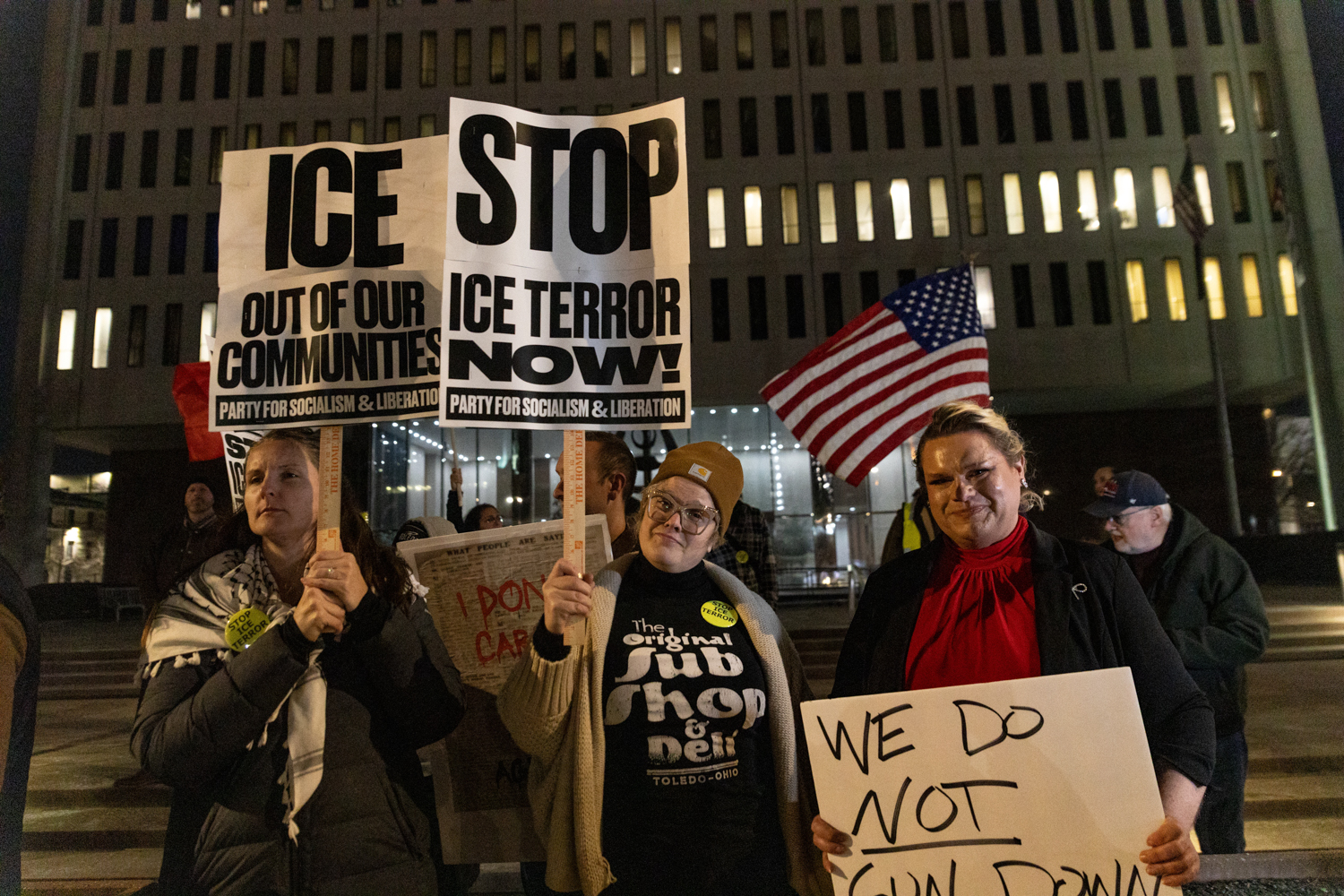
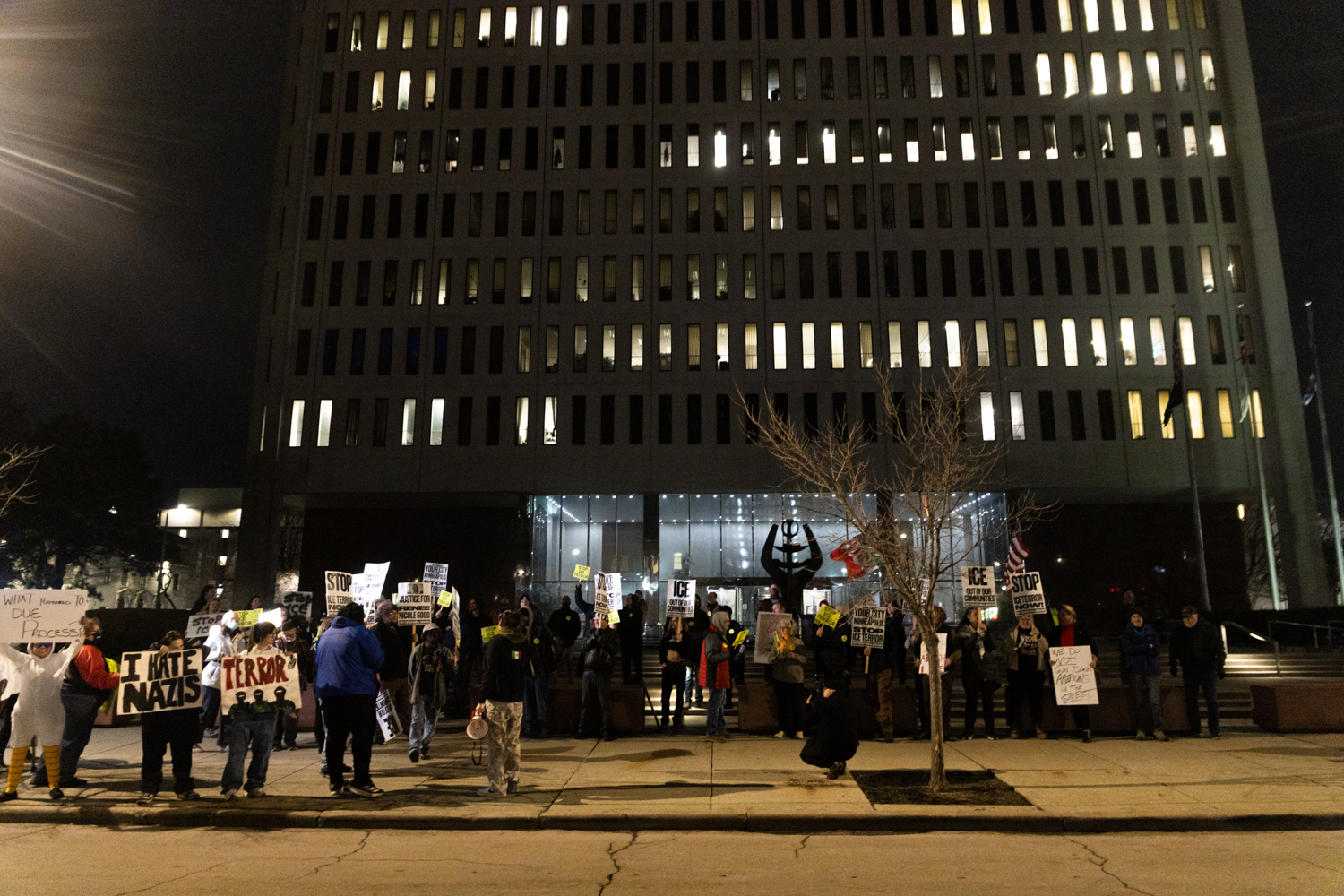
Minnesota officials have claimed DHS agents are terrorizing the city and state, while DHS have maintained their actions are justified as part of their immigration raids.
Under the Trump administration, concerns about due process, detaining American citizens and other aggressive tactics used by ICE have been criticized more significantly, but the killing of Good has cemented a more intense opposition to DHS.
Operation Stonegarden

For over a decade, Lucas County has received money from the Operation Stonegarden (OPSG) Grant, through the Federal Emergency Management Agency (FEMA), and the commissioners unanimously voted to receive the $70,000 grant back on Dec. 2, 2025.
An “administrative error” landed the grant back in front of the commissioners on Jan. 13, and they had to approve the amended amount, $68,250, before the Sheriff could receive the funds.
Gerken used the grant’s appearance on the agenda as an opportunity to speak on national politics, and stated outright that he began speaking without intent to rescind the grant.
“I understand this is not a rescinding of that resolution [OPSG],” he said towards the beginning of a political monologue against DHS, Customs and Border Patrol (CBP) and ICE.
“I’m not going to maintain my neutrality when it comes to taking any money for this county to do the purposes of DHS, ICE or Border Patrol…I think DHS, ICE and Border Patrol have gone from a legitimate law enforcement agency to a terrorist group.”
Then Gerken read the definition of a terrorist group: “A group who uses threats of violence to create fear, aiming to intimidate civilians or coerce governments to achieve political, religious or ideological goals, often by targeting noncombatants or property for maximum psychological impact.”
No DHS

Scrambling to pick up after Gerken’s impromptu speech, Sobecki said she agreed with Gerken, but the vote from December was still in place to receive the grant.
Sobecki stood by her vote in December to receive the funds, but said she did not condone the actions of DHS agents in Minnesota.
During both of the other commissioners’ speeches, Lopez’s face became quizzical.
When given an opportunity to speak, Lopez asked if the commissioners could turn Gerken’s symbolic words into real action, and asked if it was too late to rescind the grant in full.
Gerken responded with, “Oh, you’re going there.”
Noting that this was not a contract, like the previous Flock contract the commissioners tried to pull out of last summer, Gerken said, “This is a grant. We can un-accept at any point with the will of the board.”
A motion to right the administrative error to the OPSG was voted down, with Sobecki the only commissioner supporting the amendment to the grant.
And then Gerken made a new motion, not on the agenda, to rescind the Dec. 2, 2025 vote, unaccepting the DHS grant.
“Again, I voted for it” back in December, he said before taking the vote that would deny the funding from DHS. “Things have changed.”
Then and now
Back in December, the Toledo Free Press asked, in light of Gerken’s outspoken opposition to Trump’s immigration policy, why he accepted the grant, and received this answer from him on Dec. 8, 2025 in an email:
“This grant covers Lucas County Sheriff’s Office expenditures for overtime and vehicle use/maintenance related to border security. It is not a new grant; Lucas County has received federal funding for these operations for at least 20 years. It also is not a contract with ICE.
Lucas County is a border community. Monitoring our international border to combat drug trafficking, human trafficking, and other serious crimes is an important part of the Lucas County Sheriff’s Office’s work to keep our community safe.”
After stating things had changed, Gerken belittled the DHS patrol boat the federal government had supplied to watch Lake Erie, and said, “That was a waste of, probably, money to do that. It apprehended no drugs from Canada, but gave us a $300,000 boat to patrol Lake Erie on.”
“Given where we are today, in the history of our country, I don’t want to have monies co-mingled with our county funds,” he said, and made the motion to rescind the grant entirely.
“I don’t want the sheriff to be tainted by that, so I would make a motion to rescind the resolution for the Stonegarden grant.”
Lopez and Gerken voted to rescind the grant, while Sobecki voted to receive the grant, and the grant was rescinded.
Sheriff’s response
Back in December, the Toledo Free Press asked Lucas County Sheriff Michael Navarre about Operation Stonegarden in relation to ICE and Border Patrol, and he said in an email,
“This grant was previously called the ‘Northern Border Initiative’ and has been in place for two decades. It was historically used for patrols on Lake Erie. It pays for overtime for deputies and is intended to stop illegal drug trafficking. It has nothing to do with enforcement of federal immigration laws.”
The Toledo Free Press reached out to Navarre for comment on the rescinding of OPSG, but did not hear back.
Navarre is quoted in The Blade, in an article by Alex Bracken, responding to the Board of Lucas County Commissioners’ decision:
“‘I think it is foolish to turn away free money from the federal government with no strings attached,’ Sheriff Navarre said. ‘We’re not working with the Department of Homeland Security, we’re not working with Customs and Border Patrol, and we’re not working with ICE — they’re just the providers of the money.’”
The report file for OPSG on hand with Lucas County reads:
“The goal of this project is to enhance cooperation and coordination between Customs and Border Protection, United States Border Patrol, and Lucas County to improve overall border security.
…Lucas County law enforcement agencies will work in coordination with USBP to serve as force multipliers in a combined effort to disrupt, dismantle, and interdict transnational threats while improving communication and intelligence sharing. Lucas County will utilize their own law enforcement authorities to support the border security mission and do not receive any additional authority by participating in OPSG.
…To accomplish the Operation Stonegarden mission, law enforcement sensitive information is shared between Federal, State, and local friendly forces. This information includes intelligence sharing, CONOPS/Applications, Operations Orders, Fragmentary Orders, Daily Activity Reports, After Action Reports, and more.”
The day before the Commissioners’ meeting, the Toledo Free Press spoke with Navarre concerning another matter, during which he clarified, “My issue [with ICE] was the family separation that the federal government still has not adequately addressed.”
Navarre went on to say he is in communication with DHS entities on a regular basis, and he said, “If we get a request from ICE to assist them, we’re going to assist them. We’re not going to tell them no.”
“We’re not going to turn our backs on law enforcement. They’re taking orders from their bosses just like we are.”
Dissent
Commissioner Sobecki corroborated the Sheriff’s assessment on the grant.
“It has nothing to do, in my opinion, in my vote, that I took today, that I also took in December— it had nothing to do with what was happening across our country with ICE,” she said. “I’m supporting the ability for the sheriff to be able to have a grant that came from the federal government, to be able to offset some costs…”
“I don’t agree with the fact that ICE can come into a community, wear a mask, and you don’t know what their names are and things like that,” Sobecki said, but upheld a difference between receiving the grant and directly supporting ICE.
Limits on federal power
Lopez, who turned the symbolic gesture by Gerken into real action said, “We don’t want any of those dollars under this culture that has developed under Homeland Security.”
“If we accept those dollars, does that mean we silently approve of their actions and operations? I think that’s what it comes down to,” she said.
Specifically, Lopez talked about the practice of wearing masks, “If we’re going to accept dollars, there should be parameters, so if our law enforcement are out there with no masks in operation with Homeland Security, then their law enforcement should also be transparent and be easily identifiable.”
At that moment, a group of county parole officers walked through the first floor of 1 Government Center, and Commissioner Lopez motioned to their un-masked example as to how law enforcement should carry out their duties.
When the grant comes around next year, Lopez said she would be happy to renegotiate, but wanted assurances from DHS about their conduct in Lucas County.
“I think we need to set some parameters when they’re in our county, and if not, we shouldn’t accept the dollars.”