TOLEDO – Before the Mud Hens’ opening game on Friday, April 10, 2026, Toledo will have a new maintenance system that swings for the fences.
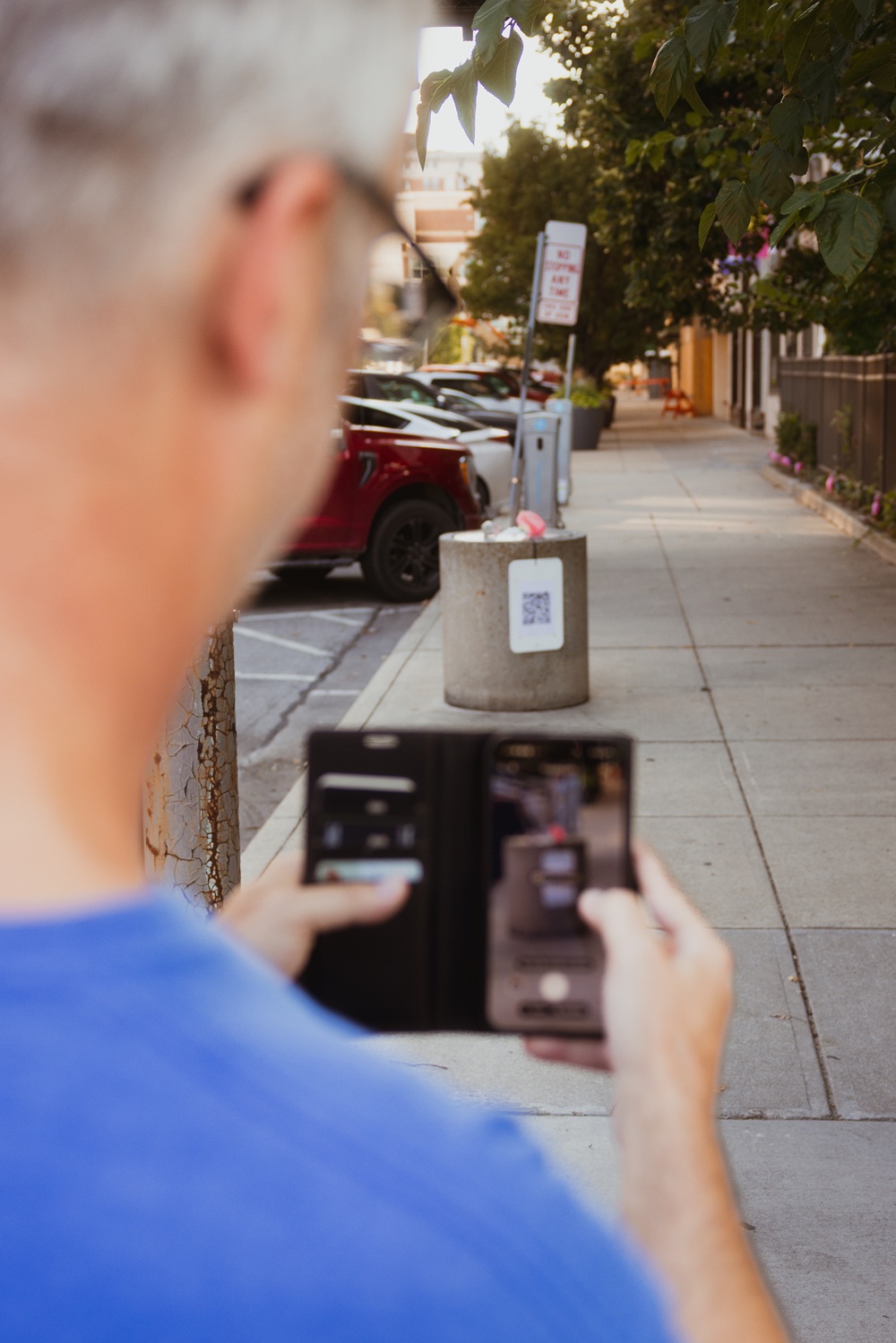
Batting Cleanup is a community-driven initiative to install QR codes around Toledo, allowing individuals to report overflowing trash cans and the resulting litter.
Scanning the QR code automatically reports the issue; however, users can opt to provide their contact information and receive updates when the issue is resolved.
Batting Cleanup is the creation of Beaudry Software and Systems and Anthony Wayne Innovation and Design, a collaboration referred to by the leaders of these entities as “Applied Labs.”
But Batting Cleanup is more than just a way to remove trash.
“I want to build the tech community here,” said head of app development for Batting Cleanup, Justin Beaudry.
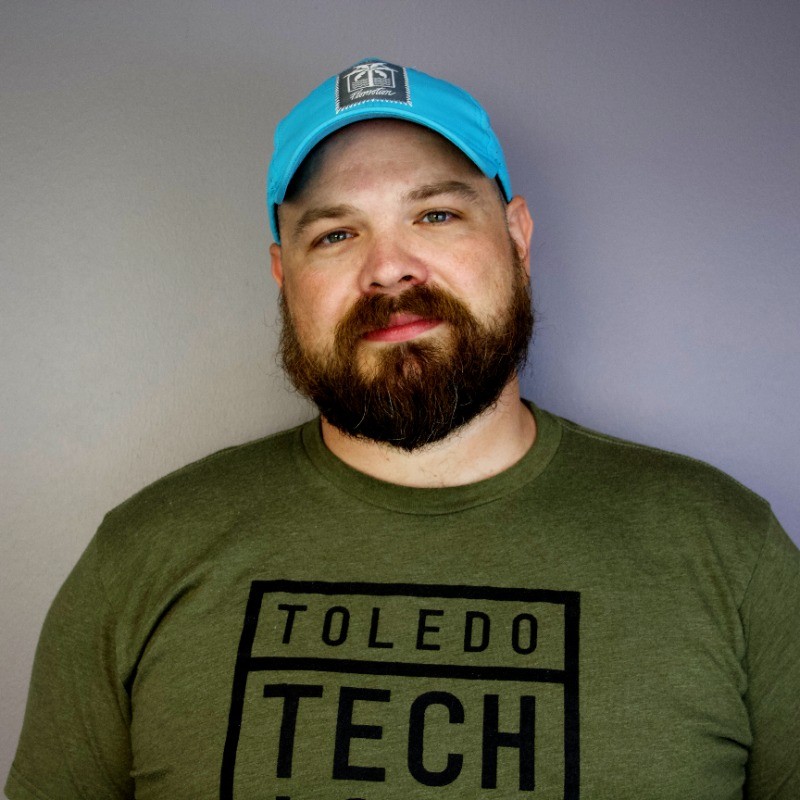
Beaudry added that while creating the app is simple, he hopes the project can also achieve this secondary goal, a sentiment shared by the head of Anthony Wayne Innovation and Design, Michael Vanderpool.
“It’s not necessarily what we’re building that’s the goal here; the goal is to activate some of our own community to be embraced and encouraged as problem solvers,” said Vanderpool.
Other Batting Cleanup partners include WynHouse, TARTA, Keep Lucas County Beautiful and Toledo Codes.
Toledo Codes is a student group from the University of Toledo started by Beaudry that aims to foster more tech meetups in the Toledo area. Students in the organization play a key role in Batting Cleanup, with learning opportunities and hands-on coding experience.
“We put them [students] through a mentorship program to teach them how to write software,” Beaudry said. “Effectively, how can we create creative problem-solvers who use tech, and keep them here in the city of Toledo? That’s the goal.”
By involving students and joining Toledo’s various tech organizations, Beaudry and Vanderpool hope Batting Cleanup will help turn the tide on Ohio’s brain drain issue while also making Toledo better.
Brain drain, the departure of a workforce from the area where workers were originally trained or educated, is an issue felt particularly keenly in Rust Belt states.
As of 2019, Ohio had the sixth-largest brain drain rate in the U.S., according to the United States Congress Joint Economic Committee.
“[Batting Cleanup] is a way for us to showcase some of the talents we have locally, showcase what we can do as designers, technologists, creative problem solvers…when we get mentors together with young people to solve some of our own problems with our own people, [it’s] a way to inspire young people primarily to make positive change in the community,” Vanderpool said.
The first QR code test receptacle was placed right outside Batting Cleanup’s headquarters, the Toledo Tech Loft, on Wednesday, Aug. 13.
As more QR codes are put in place and more tech connections made, Vanderpool hopes that downtown Toledo could become what he describes as an “innovation corridor.”
“Bringing all these different groups of people together to solve these problems, that’s what it’s going to take to create a really cool future here [in Toledo],” Vanderpool said.
RELATED STORY: Toledo Tech Loft: Convergence of collaboration, innovation