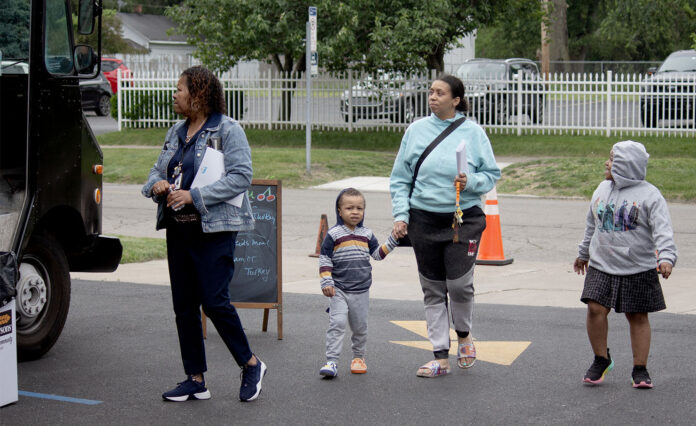
TOLEDO — As negotiations continue between SEIU Local 1 and janitorial contractors, workers throughout Toledo say they’re scraping by while adhering to their duties of keeping essential buildings clean.
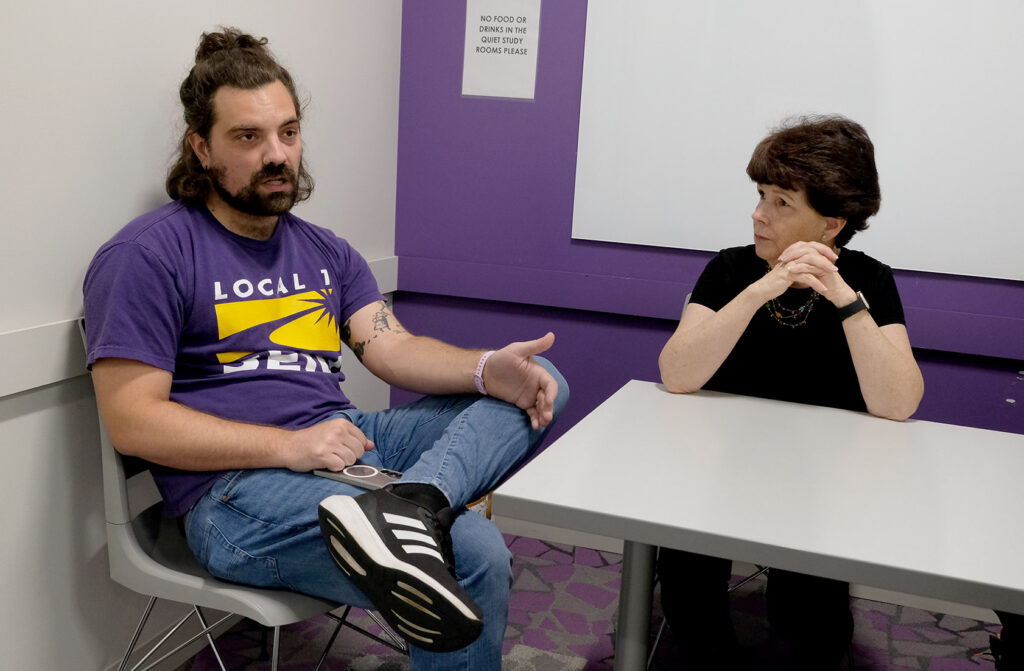
The Toledo Master Janitorial Agreement, which covers about 400 janitors, expires today, July 14. Camilo Villa, lead negotiator of SEIU Local 1, says that a new contract is being negotiated, with talks of an extension.

The SEIU Local 1 unites 50,000 workers across the Midwest, including five states and 10 cities. These workers include janitors, security officers, school service workers and more.
Local 1 began in Chicago in the early 1920s by residential maintenance workers with the goal of maintaining high labor standards for property service workers everywhere.
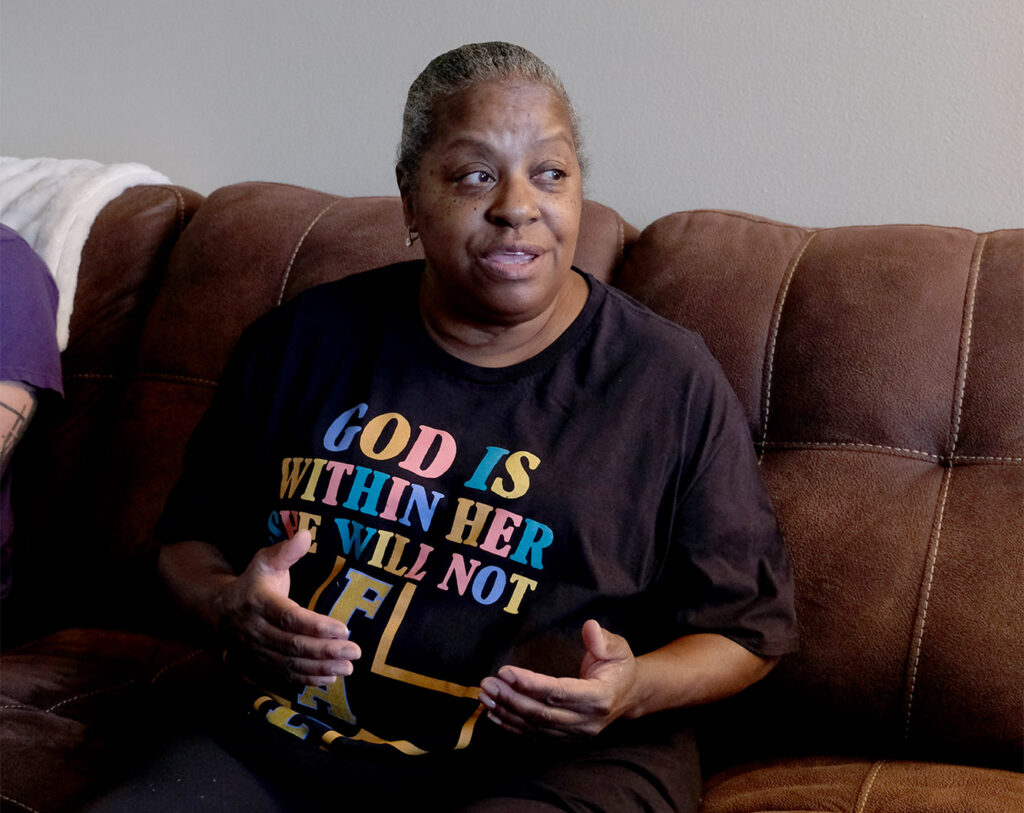
Tanya Staples, a Local 1 member who works at ProMedica’s Wildwood facility, said her current wages barely cover necessities. Staples has more than 25 years of experience in janitorial work – four years at ProMedica – and earns just under $15 an hour.
“I love my job,” Staples told the Toledo Free Press. “I give them my number one, but it’s sad because even with my number one I’m making pennies. My check sometimes makes me want to cry. I don’t even buy a full dozen of eggs.”
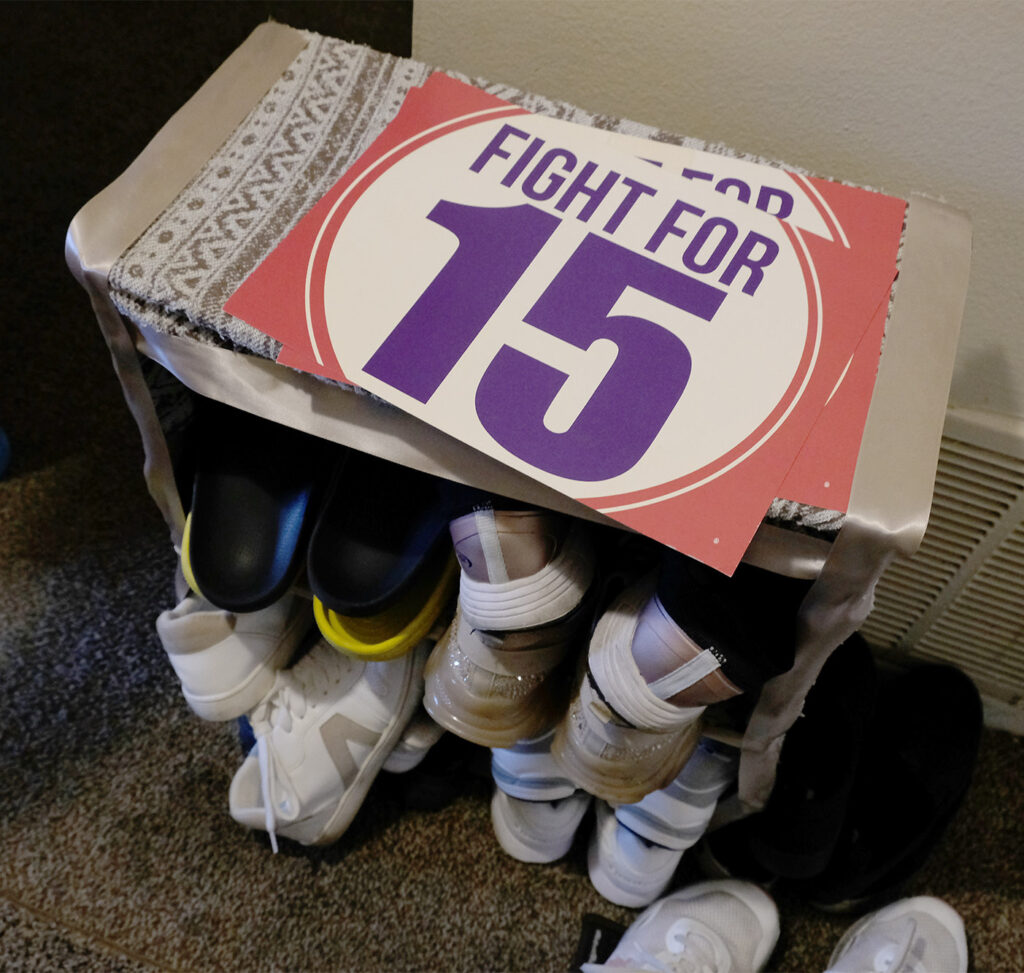
Union organizers are pushing for a $15 minimum wage as a baseline, though that figure still falls short in today’s economy.
“We know these institutions have the resources to pay the janitors a living wage,” Villa said about ProMedica. “They are not only very successful; they also receive a lot of public assistance for various things.”
For a workforce that is predominantly Black, the union is also hoping for the recognition of culturally significant holidays, specifically Juneteenth and Martin Luther King Jr. Day.
“Juneteenth represents the end of enslavement of black Americans,” Villa said. “If you’re making $13.75 or $14.90 trying to survive, you’re not really free, right? The symbols matter when we’re talking about the dignity of our members, and it’s tricky because often the buildings don’t close for those days, but they close for the Fourth of July.”
Staples disclosed she wanted to wear a Juneteenth shirt to work one day but didn’t for fear of offending coworkers and patients. “There’s no Black doctors, no Black nurses,” she said. “I didn’t want to offend anybody.”
Michael Evans, a janitor who works the evening shift at Owens Community College, cleans buildings from 6 p.m. to 2:30 a.m. Monday through Friday. He transports supplies across campus in his own vehicle, without mileage reimbursement. He makes $13.90 per hour.
“You better have some gas,” Evans said.
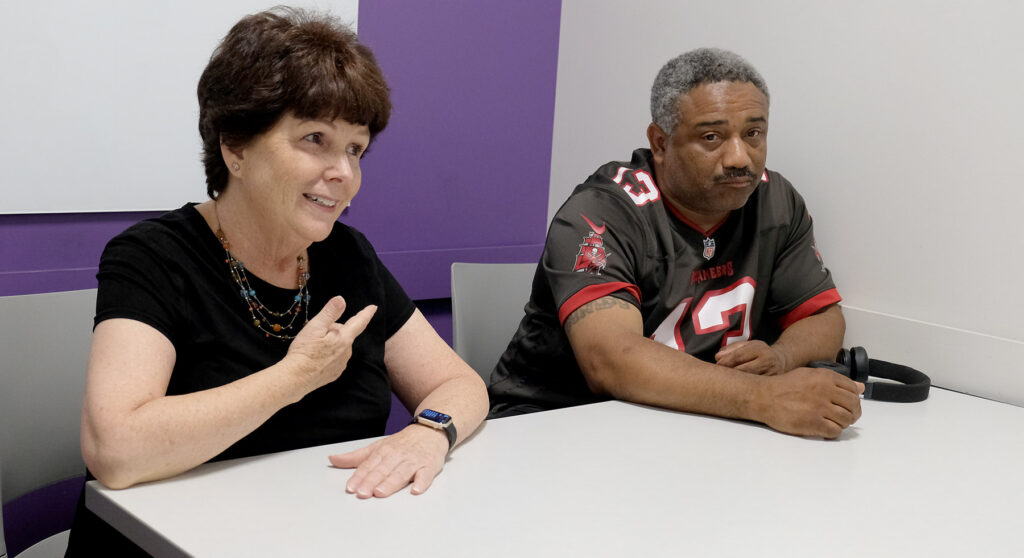

Evans, a single father who’s recovering from a surgery he had in June, said he provides for his daughter by working nights.
“She gets off at five and I try to get her,” Evans said. “I get her to my mom and then go in at 6. It’s just that I’m trying to keep her hair done, clothes, shoes, everything else to go along with that, and the financial end is really rough sometimes.”
Although working in schools and hospitals can make janitors like Evans and Staples more prone to illnesses, janitors like Evans can’t afford to get sick.
“You don’t even get your one paid sick day until you’ve completed your first year,” said Dana Sammour, SEIU Local 1 internal organizer and grievance representative. That’s the case for Evans, who has over 20 years of work experience in the janitorial field.
Amidst the struggles, Evans says he loves the work itself — especially when it comes to creating squeaky-clean floors.
“My work reflects who I am, what I am, what I do, and how I do it,” he said. “When you look at that floor, that floor represents me because it has a heck of a shine on it. I want you to wear sunglasses walking down that hallway because I want that floor to blind you, and if I was waxing the floor you’re gonna need hand rails because you’re gonna think it’s wet.”
He recalled restoring a classroom floor at a medical college that hadn’t been touched in 23 years. He was awarded by the hospital for his effort.
With all the hard work janitors like Evans and Staples put in, they say they still face unwanted stigma in the workplace.
“I always find that over the years I’ve done this job, they always treat the janitors like a lower class of people, unfortunately,” Sammour said. “If something comes up missing from the building, the first person they’ll suspect is the janitor.”
Under the current structure, wages vary by location and client contract, Sammour noted. While some members of the SEIU Local 1 make more than other janitors, they still need to be paid the minimum pay of the contract. The average remains below $15 an hour. Former employees from previous contractors may retain seniority and higher pay rates when accounts are taken over, but newer hires often start at the base.
The union’s next negotiation session is scheduled for July 22. Leaders, including Villa and Sammour, say they hope to finish contract talks, but will extend talks further if needed.
“Our members across the country and here have fought for a long time to get what they deserve,” Villa said. “There’s urgency — but also patience. We want to get this right.”
More information about the SEIU Local 1 can be found on their website.