The defining factors in Ohio’s 44th District race
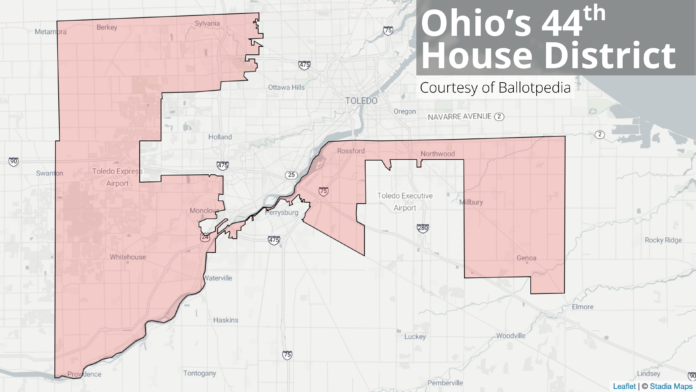
SYLVANIA — Ohio’s 44th House District is vast. It comprises much of western Lucas County, including the communities of Sylvania, Monclova, and Whitehouse. The district then snakes through Wood County, along the Maumee River, to cover eastern parts of Lucas County, including Rossford and Northwood. And if two counties weren’t enough for one state House district, it also encompasses the village of Genoa, in Ottawa County.
State Representative Joshua Williams (R-Sylvania) currently represents the district in Columbus — but with him seeking higher office, as one of multiple Republican candidates vying to represent Ohio’s 9th Congressional District — his seat in the state legislature is up for grabs.
There are three candidates hoping to replace Williams: one of whom is a Democrat, while the other two are Republicans, who are competing to advance past May’s primary. So, who are these candidates and what do they stand for? All agreed to interviews with the Toledo Free Press. Here’s what they had to say about issues ranging from school funding, to property taxes, to data centers.
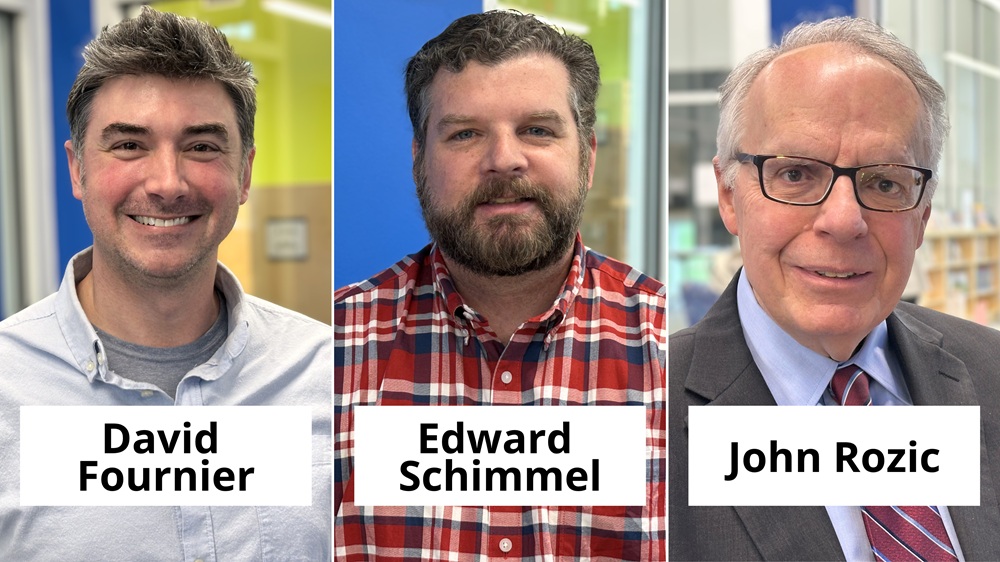
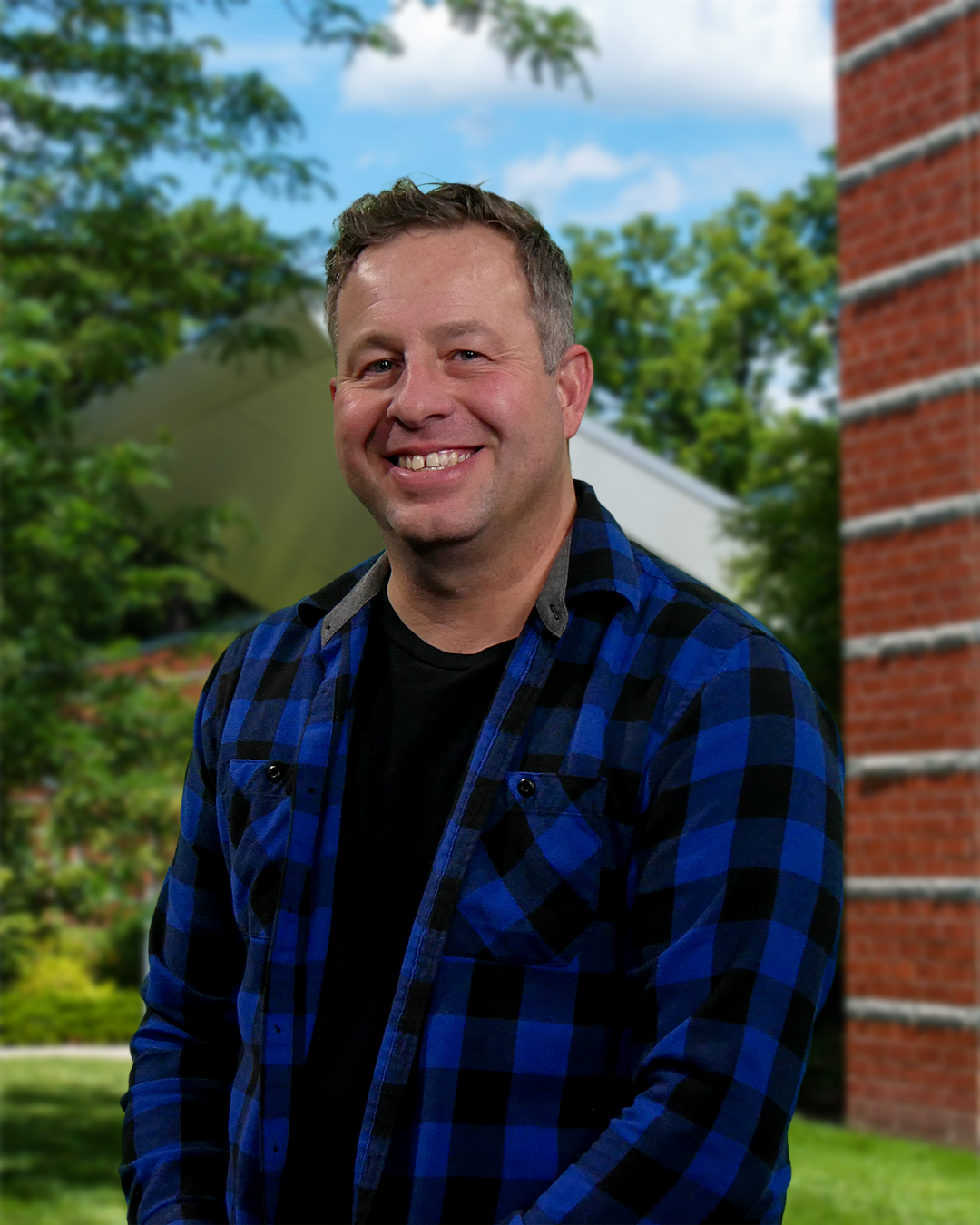
David Fournier
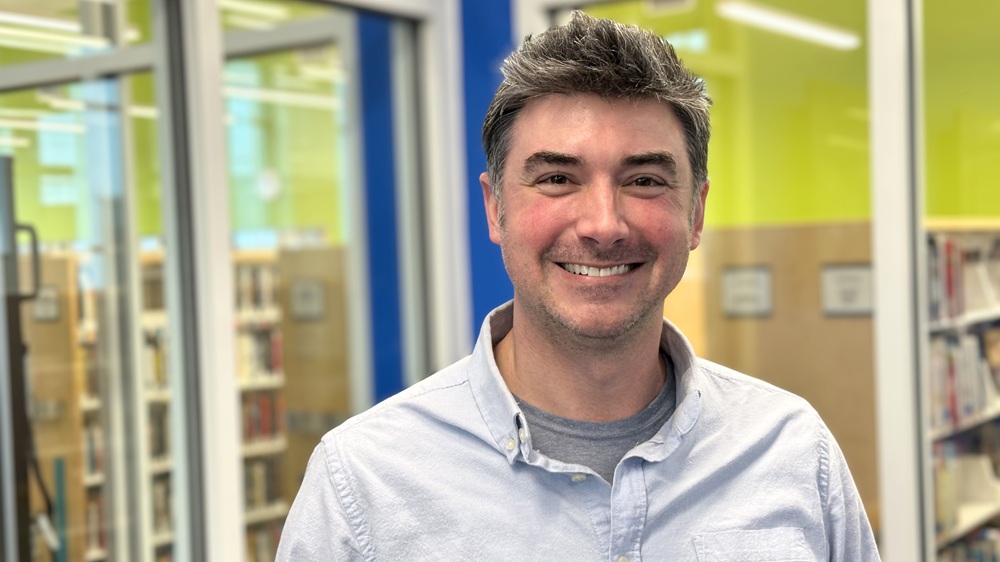
The sole Democrat in this race, David Fournier is an employment benefits attorney who primarily works with union pension and apprentice programs, and occasionally, health plans. He’s a December 2013 graduate of the University of Toledo College of Law and passed the bar in 2014. Fournier started his career at the firm Shumaker, Loop & Kendrick. He told the Toledo Free Press that his entry into politics really began in the “last quarter of 2025 or so,” when he and his wife became involved with the Anthony Wayne Board of Education.
“We disagreed with some of the activities that they had engaged in, including the censure of Shellie McKnight, their sole left-leaning member. So, in the following meeting, I gave a statement, kind of calling them to task.”
Fournier says that led to him getting in touch with AW-area Democrats, including Dave Blyth, who encouraged him to launch his campaign. Blyth previously ran to represent this Ohio House district. A key tenet of his campaign, said Fournier, is public education.
“The voucher program needs to be paired back. Currently, I think Ohio has budgeted, maybe $2 billion, for what has essentially become a universal subsidy for private education — and that’s a lot,” he said. “That is a ton of money that we could be reallocating to schools, public schools, that have an obligation to serve all students, that are accountable to the taxpayer.”
Fournier expressed concern over the lack of transparency that surrounds Ohio’s EdChoice program. The program allows the state funding that school districts receive for a student — to be redirected to a non-public school — if that is where the student and their family chooses to receive an education. Fournier believes non-public schools should be subject to the same transparency requirements as public ones, such as how state dollars are being spent and the performance of students. While he has criticisms about how the program operates, he doesn’t oppose it being narrowed to low-income students from underperforming schools, allowing them to “shop around” for better options.
Because property taxes are a significant chunk of how Ohio’s public schools are funded, the conversation about schools and property taxes are greatly linked. Asked about property tax relief, as Ohioans see their bill grow, Fournier said that “if we were to put that [voucher dollars] back into the public schools, they would not need to go back to the local taxpayers to make up the gap, like they do currently.”
He added, “I think, by adequately funding the schools, you are already going to provide a measure of relief to property owners.”
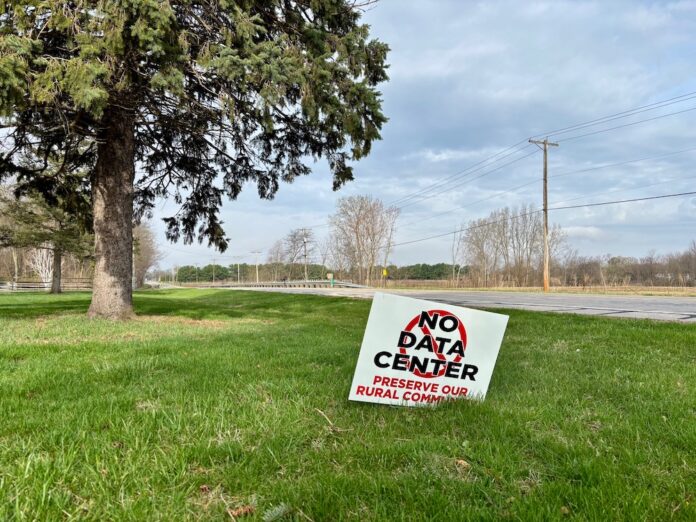
Another hot-topic in Ohio communities, alongside schools and property taxes, is data centers. Amid the growth in artificial intelligence integration across the economy, demand for data center capacity has grown, and Ohio just so happens to be attractive to big tech. While Fournier believes that “the construction trades jobs would be fantastic” from data centers, he doesn’t know “why we’re negotiating against ourselves.”
“What I don’t understand is why we are in such a hurry to subsidize these mega-corporations’ profits and their stock price by giving them breaks on property taxes and the like, when they are going to be bringing all of these new issues into our communities,” he said.
Fournier said he would like to see, in writing, tech companies be responsible for providing, or at least paying, for 100 percent of the energy they use. He would also like to see more consideration given to the usefulness of these facilities in the future, as technology continues to advance, as well as where they locate. Fournier said he supports legislation that would create a commission to study the impacts from data centers, saying “fact-finding and information-gathering is a great start, but let’s keep it going.”
Edward Schimmel
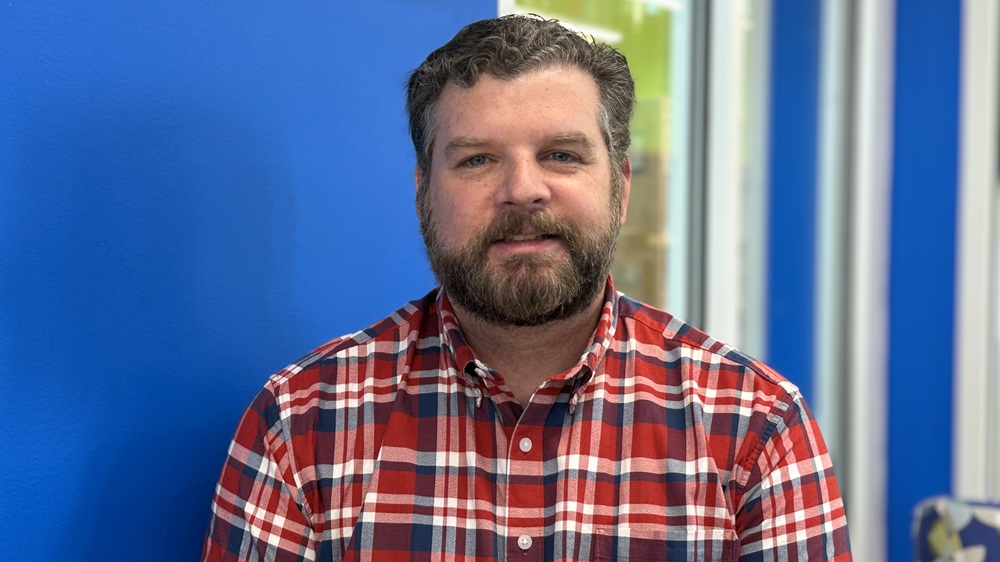
Northwood Mayor Edward Schimmel is one of two Republicans running to represent Ohio’s 44th House District. As someone who’s been mayor for 11 years, and previously a member of Northwood City Council for eight years, Schimmel said, “I’ve been involved in politics, probably, ever since college, where I was a member of the UT Young Republicans.” Schimmel said he obtained an undergrad degree in political science from the university.
“I’ve been down to meetings in Genoa, I’ve been to meetings out in Whitehouse, I’ve been going door-to-door — everywhere I can go, trying to hit every different community, to hear what different people in different areas really want to see from their state representative,” said Schimmel, who told the TFP that “the core issues that people have are essentially the same in every community.”
On school funding, Schimmel said that “I don’t, myself, have the answers to the school funding problems. Certainly, there’s people in Columbus that have been working on it, and I intend on helping, you know, push forward down that path and figure out how we can fix the school funding problem.”
Asked where those conversations on fixing “the school funding problem” should start, he said that “they need to start in the locality,” adding that “school boards need to look at their long-term plans” on the sustainability of their finances.
“Some schools, I’m sure they are — and other schools — I think that they do need to look at some cuts. Now, hopefully, those would be short-term cuts, ‘till we can get some of these issues straightened out, but the school funding problem- I don’t see it going away anytime soon, certainly with this group of individuals who want to do away with real estate taxes completely.”
Schimmel said he doesn’t completely agree with the assessment of Ohio Senate President Rob McColley, running mate of Republican gubernatorial candidate Vivek Ramaswamy, that schools are receiving enough money, but need to do a better job of spending it.
“I think you need to look at each individual school district to see how they’re spending those funds. Some schools, I know, are already being very prudent with the money that they have. Others, it’s something that they probably should look at.”
On property taxes, the primary source of revenue for local school districts, Schimmel said that “I think what voters are looking to have happen is to maybe connect your increases on your taxes to something like the rate of inflation, or something along those lines.”
He said that “if we’re gonna do tax cuts, we have to do true tax cuts, not replacements with fees and whatnot, so we have to be careful with that. And certainly, not eliminate real estate taxes. I think that is a horrible proposal that would throw our, primarily townships- they would not be able to provide police or fire services, schools would close overnight.”
Discussing energy costs, which have increased, in part, due to data centers, Schimmel shares Fournier’s perspective. Both believe the state needs to produce more energy, including from renewable sources, and that tech companies should pay their own costs.
“The question is: How do we make sure data centers don’t impact our energy bills? And I think it’s requiring them to have on-site energy production or to have some sort of an agreement with an energy provider, so that they’re not affecting the price of energy. As well as water — they need to recycle their water and only be put in communities, such as maybe Oregon or some parts of Toledo, where they have the excess capacity for water service.”
John Rozic

Originally from Lorain, Ohio, John Rozic is a 1973 graduate of Case Western Reserve University, where he earned an accounting degree, and ‘77 graduate of the University of Toledo College of Law, where he earned a Juris Doctor.
“In 2014, I was elected to the Waterville City Council,” said Rozic, who, term-limited, decided that running for state representative would be his next move. While he doesn’t view running for elected office as being an act of politics, but rather public service, running a successful campaign may require political savvy, given the various constituencies that comprise the district he’s hoping to represent.
“My position, basically, is I don’t have all the answers. I have questions, but not all the answers,” Rozic told the Free Press. “I just listen to everybody. Before I make a decision, I listen to as many sides as I can. I did this on city council, I did it with the school board. You just listen, take it all into consideration, and then hopefully make a good decision for the benefit of everybody.”
Rozic was also previously a member of the Anthony Wayne Board of Education.
“My experience with the school system is it is — especially in Anthony Wayne, and, I think, probably Sylvania and other communities — what holds the community together.”
He expressed disappointment with Ohio’s Fair School Funding Plan having not yet been realized.
“20 years ago or so, the Ohio Supreme Court ruled that the way we fund schools is not constitutional. And so, the legislature has had 20 years to fix it and they haven’t fixed it yet.”
Because property taxes are so closely linked to school funding, disparities are created between districts that comprise more affluent neighborhoods and ones whose neighborhoods experience greater levels of poverty. Rozic says he would like to see something done about it.
“We spread funds across the state for other purposes: highways, bridges, police, fire, infrastructure — all those things are done, I think, fairly equitably across the state. But schools have focused on local funding and, in some areas, it works great. In the affluent areas. But in the not-so-affluent areas, they struggle. So that’s something that really has to be addressed, I think.”
Asked whether, in Ohio’s GOP-controlled legislature, there’s the political will to improve Ohio’s public schools, Rozic said, “I think the people I’ve talked to, yeah, they recognize the importance of a successful school system in every corner of the state, and I would hope they would carry that through with appropriate funding.”
He added that, during his time on the school board, “the concern always was” that the state would cut funding, while at the same time, imposing more “requirements for the educational process.”
In his interview with the TFP, Rozic also discussed potential forms of property tax relief. One idea he talked about was linking property taxes to base value, rather than any unrealized gain. Rozic is wary of eliminating the tax altogether, saying, “I haven’t heard a good alternative to the property tax.” He says “the funds have to come from somewhere” in order for the state to carry out its basic functions, which is why he doesn’t support eliminating another tax — the income tax — without an alternative.
On data centers, Rozic spoke to his experience on Waterville City Council, saying they “all of a sudden” became “a very, very hot issue.” Echoing his opponents’ sentiments, he believes “if they’re gonna get the benefit of the increased grid, they should pay the largest portion, if not all, of the cost of increasing the grid, if it’s simply to provide energy for the data center.”
With regard to their location, Rozic said “I think they should be as far away from residential developments, and maybe even commercial developments, as possible.”
He also believes the state should be “careful” about handing out tax breaks, given that they “don’t produce a lot of employment” once construction is completed.
For more on Ohio’s primary election, read Jaden Jefferson’s report on the three things you should know here.