A mourning cloak butterfly. (Photo by Art Weber, nature photographer for Metroparks Toledo)
The onset of spring is an amazing time in nature, beginning with a surprising array of species adapted to its fickle mix of warmth and freezing temperatures.
Among the most amazing is this species, the mourning cloak butterfly. All of its delicate adult cousins have succumbed to the cold, their next generation relying on eggs laid last season. But mourning cloak butterflies can manage to survive the winter months, taking shelter under bark, in cracks and crevices or other places out of direct exposure to winter’s worst. They’ll emerge on warmer days this time of year and can be seen fluttering about, feeding on tree sap or perhaps the remains of fruits.
Mourning cloaks may be the most long-lived of our butterflies, capable of surviving nearly a year as an adult.
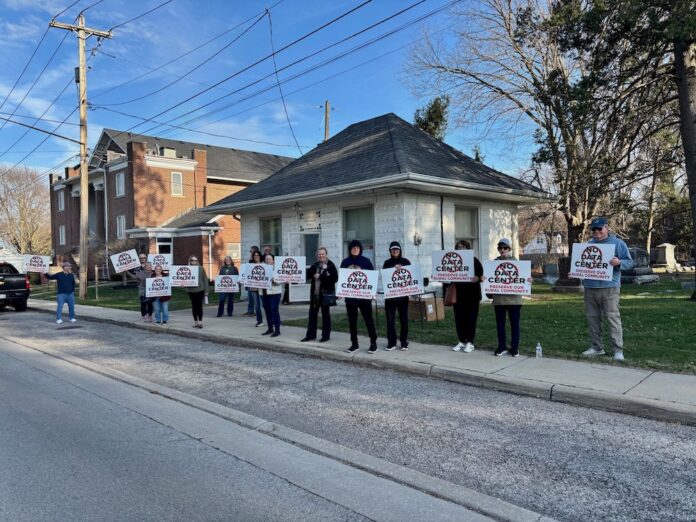
Data center opponents stood outside the Waterville Township Hall on March 25 prior to the start of the monthly trustees’ meeting. (AWFP photo by Karen Gerhardinger)
WATERVILLE TOWNSHIP – Waterville Township’s Data Center Advisory Committee (DCAC) is researching everything from lighting and setbacks to architectural regulations and public safety – with a goal of recommending changes to the township’s zoning resolution within the next few months, Toby Miller told trustees Kyle Hertzfeld and Julie Theroux during a March 25 meeting.
Any changes to the zoning book require a 3- to 6-month process involving the Lucas County Planning Commission, the Zoning Commission and Board of Zoning Appeals – with public hearings along the way. But during the past two meetings, the DCAC found that some changes can be enacted by the trustees right now – resolutions that can provide protections in the event that a data center developer approaches the township, Miller said.
The first resolution is based on Ohio Revised Code 505.373, which authorizes the trustees to adopt standard fire codes to ensure public safety, health and welfare. The code allows trustees to adopt regulations governing fire hazards, prevention and safety systems for buildings and premises. This is specifically focused on high-energy, high-risk facilities, including data centers and fuel storage facilities that present risks of fire and explosions, Miller added.
“We’re not inventing our own fire code. We’re simply saying that we have one and our local officials are empowered to enforce it,” Miller said, noting that the resolution gives the fire and police chiefs a chance to review projects’ fire and safety plans and make recommendations before any decision is made.
The trustees passed the resolution with an amendment specifying that it covers residential units larger than a duplex and all commercial, industrial and other large facilities.
A second resolution covers the conditional use permit (CUP) process. The zoning inspector, Jim Fischer, is the first to receive an application for a CUP – which is what would be necessary for a data center to operate on agriculturally-zoned land. The permit process includes sending the application to the county, the township Zoning Commission and the Board of Zoning Appeals (BZA) for a final decision.
With the passage of the resolution, trustees now have an opportunity to review high intensity, high risk projects, and suggest guidelines for the BZA to consider when imposing conditions attached to the permit, Miller said.
“This says that when we get a conditional use permit application, the trustees are also to be notified. We’re able to convene a review meeting prior to the BZA having their meeting,” he said, adding that the trustees could seek input from the police and fire departments and Toledo Lucas County Health Department when making those recommendations to the BZA.
“This resolution doesn’t indicate to the BZA which way to vote or change their powers. This just gives the trustees a method to provide input in the process,” Miller said.
The township enacted a 12-month data center moratorium in December to allow time to strengthen its zoning code, using information from the committee. Some committee members – and some of the dozen data center opponents who held signs outside earlier in the evening – were in attendance.
During the meeting, the trustees also:
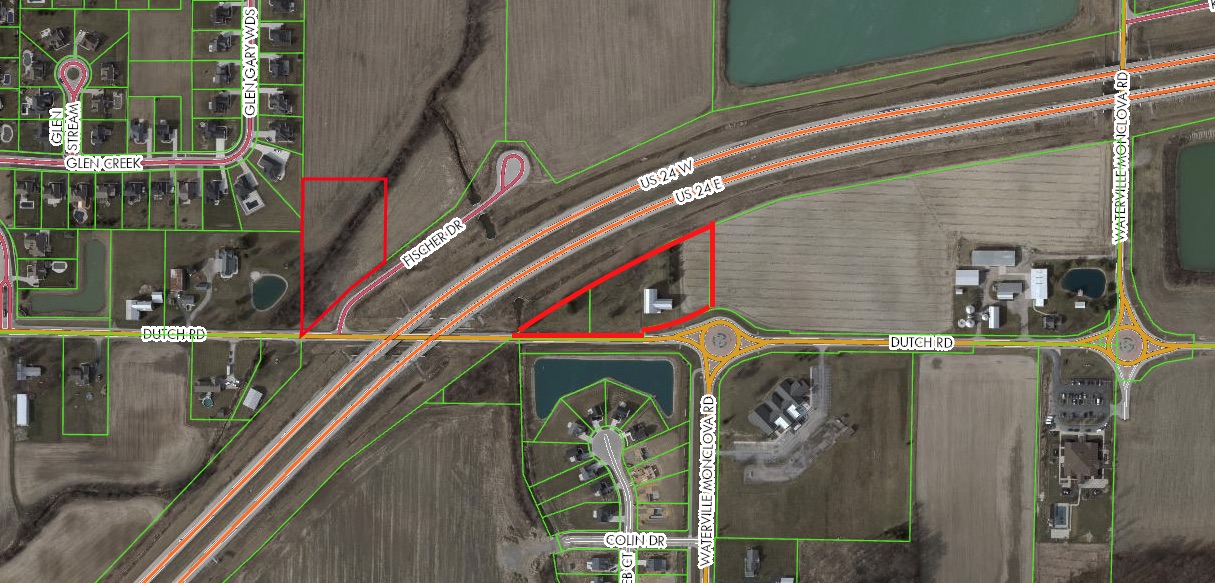
The township plans to purchase three properties totaling 5.4 acres in order to provide equipment and salt storage for the Lucas County Engineer and Klumm.
-Agreed to purchase three properties totaling 5.4 acres from CP Farms LLC: at 0, 8300 and 8380 Dutch Road. The properties abut both sides of U.S. 24. One portion contains a red barn at the intersection with Waterville-Monclova Road, while the other section is on Fischer Drive – an access road between U.S. 24 and Coventry Glen. Both the Lucas County Engineer and Klumm have asked for space to store road salt and equipment. The barn will likely remain, and the areas along Fischer, which are in the floodway, cannot have structures on them, but could include a gravel parking area or possibly a tarped storage area for salt. Miller said he would seek input from the county engineer.
-Learned that Whitehouse resident Jim Schlievert is retiring from Toledo Police Department and joining the Waterville Township Police Department as a full-time staff member.
-Heard Miller say that he had productive meetings with Whitehouse officials regarding a request by two landowners to annex out of the township into the village. Trustees had expressed concern that the village might be allowing annexation in an area designated as off-limits in a standing annexation agreement with the village. Negotiations will continue on whether the two properties – one on Finzel south of S.R. 64 and another at the northeast corner of Winslow and Whitehouse-Spencer – will be approved. Miller said part of the discussions include extending the annexation agreement and cooperating on Joint Economic Development Districts (JEDDs) with the village.
-Listened to Terry Beam ask Fischer for information on how the borrow pit at the northeast corner of Waterville Monclova and Dutch Road – just west of the new Dutch Road Storage facility – will be filled. Geddis Paving plans to use clean grindings to fill in the hole, Fischer said.
In other township news, the Zoning Commission met on March 16 to consider a request by Dutch Road Storage owners to erect an electronic billboard sign along S.R. 24. Commission Members Bill Burkett, Shelly Hayes, Bob Long, Keith Moosman and Jon Poponak discussed the current language and $10,000 application fee for such signs.
With input from Fischer, Miller and Dutch Road Storage Co-Owner Jim Moline, the commissioners reviewed Miller’s proposal for changes to section 12.8 of the zoning resolution, which governs electronic off-premise billboards.
While the sign proposed by Moline will be on site, it is considered an “off-premise sign” because it will include advertising sold to off-site businesses, Burkett explained.
Only two such signs will be allowed in the township, and only along U.S. 24. Ohio Department of Transportation (ODOT) has its own set of regulations that must be followed, governing distance from ramps, interchanges, signalized intersections, residences and other electronic billboards. Rules also cover brightness, size and the types of images. The brightness must be reduced between sunset and sunrise, and should prevent glare affecting roadway users or nearby residences.
The maximum height is 35 feet, with 672-square-feet per space. Each image on the sign must remain up for 8 seconds minimum, and cannot include animation, scrolling, flashing or video. It must be capable of displaying Amber Alerts, weather emergencies, road closures and notices from authorized governmental agencies. Up to 10 percent of the display time must be for noncommercial safety or community messaging by governmental or emergency management agencies.
The commission agreed to recommend that the Board of Trustees review the new language and also consider what type of fee is reasonable instead of the current $10,000 application fee for a conditional use permit – a fee that Miller was advised is “punitively high.”
The proposed revision to the zoning resolution governing the off-premise signs will be sent to the Lucas County Planning Commission for review, then move on to the township Zoning Commission and the trustees for a final decision. Each step of the way will allow for public comment.
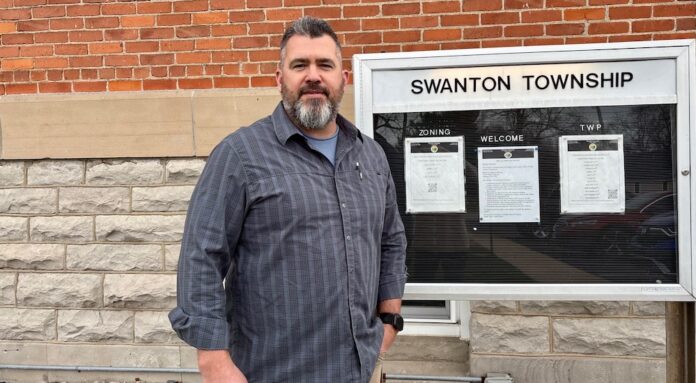
Ben Mooney is the new zoning inspector for Swanton Township.
(AWFP photo by Karen Gerhardinger)
SWANTON TOWNSHIP – Swanton Township’s new zoning inspector, Ben Mooney, is no stranger to township government.
“Back home, my father was a zoning inspector for Claridon Township and has been a trustee for years,” said Mooney, who grew up around Marion, Ohio before moving to Toledo in 1996.
In 2021, he and his wife, Danielle, moved to Swanton Township and got involved with the community, helping out at the Swanton American Legion. Ben also was an assistant coach for Swanton Schools’ high school football program last fall.
“We love it out here, and we like being involved with the community,” he said. “When I saw the zoning inspector position, I thought it would be a good way to be more involved.”
As the owner of BMD Renovations LLC, Mooney does home remodeling, with skills and knowledge that will come in handy as zoning inspector. Already, the township trustees have asked him to check out resident concerns. He succeeds Kim Middleton, who served in the role for two years before resigning on December 31.
Township trustees noted during their special March 24 meeting that Mooney accepted the position on March 11 and started immediately.
During the meeting, trustees also:
-Approved the 2026 permanent budget as presented by Fiscal Officer Mindy Curry.
-Heard that work on the temporary 2027 budget will begin in May and include a public meeting.
-Voted to opt out of Dynergy for electric aggregation and agreed to compare rates online with Apples to Apples.
-Approved faithful performance coverage with Hylant Insurance for the fiscal officers, trustees and zoning inspector, at a rate of $385 a year.
-Agreed that the two maintenance employees can alter their work hours to four, 10-hour days during the summer, with one working Monday through Thursday and another Tuesday through Friday, 6 a.m. to 4 p.m. Both workers will need to be present in the event of a burial on a Monday or Friday.
-Discussed a $150 allowance for steel-toed boots and $250 for uniforms for maintenance workers. Curry will come up with a policy for review at the next meeting, which is Tuesday, April 14 at 7:30 p.m.
In this episode, Jaden Jefferson speaks to three guests who are well-versed in the world of nonprofits. Aileen Meyer of Center for Community Impact, Tonya Scherf of Food for Thought, and Bridget Adams of Urban Wholistics all speak about their experience working toward the greater good in Toledo and beyond.
Everywhere in Toledo, you’ll find people who play a role in making our city tick – from hospitals and factories to restaurants and art galleries – and behind every person is a story. Our program, Toledo Works, highlights those stories from workers’ firsthand accounts. Each week, Toledo Free Press hosts Jaden Jefferson and Stephen Zenner focus on a different topic within the Toledo workforce, exploring their day-to-day challenges and triumphs.
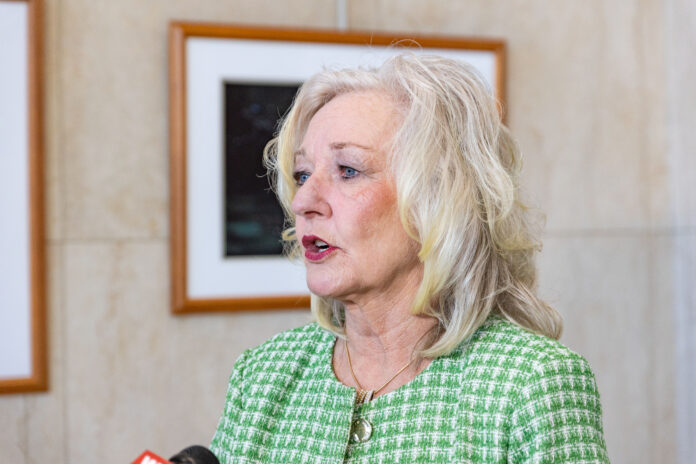
Lisa Sobecki, president of the board of Lucas County commissioners, speaks to press about a trip to Washington D.C. to lobby on behalf of the Greater Toledo Region involving the Toledo Regional Alliance right before a Lucas County Commissioners Meeting at 1 Government Center in downtown Toledo, Ohio on Tuesday, March 24, 2026. (TFP photo by Stephen Zenner)
Fresh off a trip to Washington D.C., President of the Board of Lucas County Commissioners, Lisa Sobecki, briefed press on her recent travel to the nation’s capital with the Toledo Regional Alliance (TRA).
The TRA consists of the following organizations:
Lucas County
City of Toledo
Toledo Area Regional Transit Authority (TARTA)
Lake Erie West Regional Council
Metroparks Toledo
Toledo Lucas County Port Authority
Area Office on Aging of Northwestern Ohio (AOA)
Toledo Lucas County Public Library
Lucas County Land Bank
Lucas Metropolitan Housing
Toledo Regional Chamber of Commerce
Greater Toledo Community Foundation
University of Toledo
Owens Community College
Representatives met with the following federal agencies and lawmakers during working sessions the week of March 15:
Congresswoman Marcy Kaptur, Ohio’s 9th congressional district (D)
Congressman Bob Latta, Ohio’s 5th congressional district (R)
Senator Bernie Moreno, Ohio (R)
Senator Jon Husted, Ohio (R)
White House Intergovernmental Affairs
U.S. Chamber of Commerce
U.S. Department of Commerce – Economic Development Administration
U.S. Department of Labor – Employment and Training Administration
U.S. Department of Agriculture – Food and Nutrition Services
U.S. Environmental Protection Agency
U.S. Department of Housing and Urban Development
U.S. Department of Transportation
USDA Rural Development
Sobecki said the conversations at the capital were productive, and offered “opportunities to go as a region, to talk about priorities in our region.”
The major categories of discussion for the TRA to lobby for included economic development for the region, water infrastructure, housing and transportation infrastructure.
Conversations around housing were a main highlight of the lobbying, keeping housing affordable in Toledo, creating tax incentives for private capital in the area, expanding the housing stock and providing rental assistance specifically.
The TRA’s 2026 Federal Agenda document featured a picture of the Glass City Metropark in the foreground of the Toledo skyline with the tagline, “A Great Place To Build.”
Under economic development, the featured highlight was the Glass City Riverwalk, and the policy priorities at the federal level were as follows:
* Getting an Economic Development District (EDD) designation for Lucas and surrounding counties
* Sandy Spang, executive director of Toledo Metropolitan Area Council of Governments (TMACOG), has previously presented before the board of commissioners about the benefits areas can receive for becoming a designated EDD.
* Asking for greater funding for EDDs from the federal government
* Addressing “benefit cliffs” that can sometimes incentivize dependency on government programs
* Lucas County’s Benefit Bridge program, in its second year of implementation, is an example of a program designed to wean individuals off of government assistance, incentivizing independence while not setting individuals back through penalizing individuals who cross income thresholds that may compromise their benefits in total.
* Asking for help to develop strategic “opportunity zones” in northwest Ohio
* Reduce unnecessary regulation on small businesses
* Expanding tax policies that incentivize advanced manufacturing, clean energy production and industrial reinvestment
* Expanding the availability and flexibility of tax-exempt community bonds, whichTRA hopes to use to advance public infrastructure and economic development projects across the Toledo region
* Defense Community Infrastructure Pilot (DCIP) program, attempting to strengthen defense industries in the area to create a stronger economy in the region
* The water infrastructure priorities shown to federal entities were the Lucas County Water Resource Recovery Facility (WRRF) expansion and upgrades followed by the Bay View Water Reclamation Plant improvements.
Lobbied policies dealing with water infrastructure were as follows:
* Increased funding for clean water infrastructure
* Increased federal investment in water and environmental infrastructure in the Great Lakes region
* Permitting reform around clean water
* Improved protections to protect water from PFAS pollution
* Continued federal investment in the Great Lakes restoration initiative
* Rolling out a tax credit for businesses that reuse water in a sustainable way
* Long-term planning of Toledo’s water resources for dependable economic development and support for laws that would give rural communities better access to water data
Housing highlighted the AOA’s new Lakewood Campus.
Lobbied policies for housing were as follows:
* Housing affordability and availability boosting through tax credits
* Innovative tax incentives to “fill financing gaps” where construction costs exceed rents or sale prices
* Pairing modest federal incentives with private capital to make challenging projects viable in markets where costs routinely exceed return
* Enhance policies that help homeowners and communities with aging housing stock to maintain their homes, while preventing institutional investors from buying single family homes
* Expanding rental assistance programs
The Monroe Street Bus Rapid Transit Corridor Project, Summit Street Grade Separation, TARTA Central Avenue Maintenance/Modernization, Cedar Island Upland Terminal Reconstruction and Route 23 Connection were the highlights of transportation and infrastructure development categories.
Lobbied policies for transportation were as follows:
* Reauthorization of the Surface Transportation Law, which provides funding for highways and bridges
* Support federal efforts for shipbuilding, and lobbying for those ships to be built in Toledo’s “underutilized” shipyard
* Modernizing and expanding TARTA
* Encouraging federal investment in a multimodal freight and logistics hub
* Road and utility modernization
* Guaranteed annual federal funding for transportation
* Increased federal investment in trails, walking and biking infrastructure throughout the area
* Support for rural transportation planning
* Support efforts to connect the highways between Toledo and Columbus
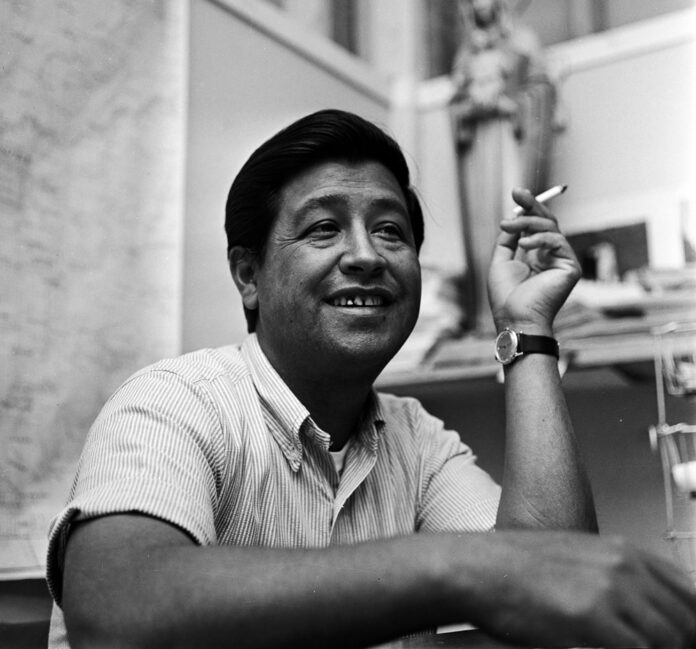
Cesar Chavez in 1966. (Photo credit: Los Angeles Times Photographic Collection at the UCLA Library. Copyright for the photographs in the archive was deeded to UCLA. The bulk of images digitized from the archive have been published by UCLA under a CC-BY 4.0 license.
The Farm Labor Organizing Committee (FLOC) is aware of the recent and deeply troubling allegations regarding César Chávez. We are shocked, saddened, and deeply troubled by the testimonies of those who have come forward. We grieve with them and pray for healing for us all.
Now more than ever, FLOC is committed to dignity, justice, and the protection of workers and families. We take these claims seriously and recognize the courage it takes for individuals to come forward and share experiences of harm. We grieve with them and pray for healing for us all.
Unfortunately, we have had to advocate for the safety of farmworker women far too many times. From rescuing a woman held as a sex slave in a 1990s labor camp to advocating for a union member in 2023 who was sexually assaulted, ensuring her attacker was fired, arrested, and that she qualified for a U visa.
These are not isolated incidents. These harms are reinforced by gaps in our legal and labor systems that leave immigrants and farmworkers vulnerable and without full protection. Agricultural workers are excluded from protections under the National Labor Relations Act which deny us the ability to organize to protect ourselves, and some employers with serious violations can still operate through programs like the H-2A visa program. These conditions allow harm to persist and reflect a pattern we cannot ignore.
Let us not forget the women and young girls in detention centers across the country who continue to face sexual harassment and worse.
FLOC has repeatedly called for their immediate release through a call for amnesty and for rebuilding our immigration adjudication system.
We will continue to stand with farmworkers and immigrant families in the fight for fair treatment, safe working conditions, and systemic change. We are committed to listening, learning, and supporting those who speak and have spoken out.
FLOC’s engagement in the farmworker movement is rooted in organizing, advocacy, and collective action. We remain committed, now with even greater urgency, to doing this work in a way that is safe, respectful, and accountable to one another and to the communities we serve.
Declaración de FLOC sobre acusaciones recientes y compromiso con la seguridad de los trabajadores agrícolas
El Comité Organizador de Trabajadores Agrícolas (FLOC) ha escuchado sobre las recientes y muy preocupantes acusaciones relacionadas con César Chávez. Nos unimos a su dolor y rezamos por la recuperación de todos.
Ahora más que nunca, FLOC reafirma su compromiso con la dignidad, la justicia y la protección de los trabajadores y sus familias. Tomamos estas denuncias con seriedad y reconocemos el valor que se necesita para compartir experiencias de daño. Estamos con quienes han sido afectados y creemos en lo que han vivido.
Por desgracia, hemos tenido que abogar por la seguridad de las mujeres trabajadoras agrícolas demasiadas veces. Desde rescatar a una mujer retenida como esclava sexual en un campamento laboral en la década de 1990, hasta apoyar a una miembro de la unión en 2023 que fue agredida sexualmente, asegurando que su agresor fuera despedido, arrestado y que ella calificara para una visa U.
Estos no son casos separados. Estos daños se ven reforzados por vacíos en nuestros sistemas legales y laborales que dejan a los inmigrantes y trabajadores agrícolas vulnerables y sin plena protección. Los trabajadores agrícolas están excluidos de las protecciones de la Ley Nacional de Relaciones Laborales. Esto no nos permite organizarnos para protegernos. Además, algunos empleadores con violaciones graves todavía pueden seguir trabajando a través de programas como el de visas H-2A. Estas condiciones permiten que el daño persista y reflejan un patrón que no podemos ignorar.
No olvidemos a las mujeres y niñas en centros de detención en todo el país que continúan enfrentando acoso sexual y peores abusos.
FLOC ha exigido repetidamente su liberación inmediata, mediante un llamado a la amnistía y a la reconstrucción de nuestro sistema de adjudicación migratoria.
Seguiremos acompañando a los trabajadores agrícolas y a las familias inmigrantes en la lucha por un trato justo, condiciones de trabajo seguras y un cambio sistémico. Estamos comprometidos a escuchar, aprender y apoyar a quienes hablan y han hablado.
El trabajo de FLOC en el movimiento de trabajadores agrícolas se basa en la organización, la defensa y la acción colectiva. Seguimos comprometidos, ahora con aún mayor urgencia, a hacer este trabajo de forma segura, con respeto y cuidándonos entre todos.
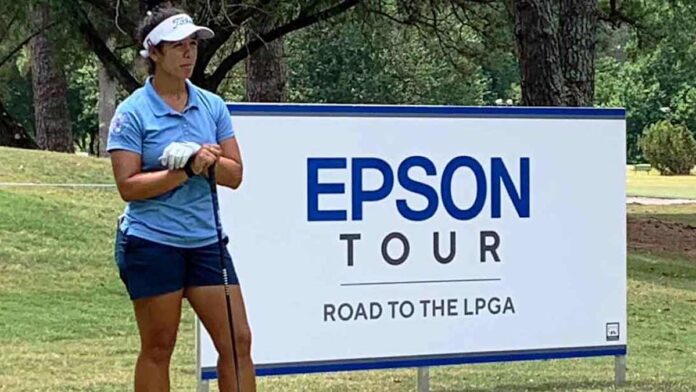
This year's Greater Toledo Golf Classic will be a full-field LPGA Epson Tour event played July 17-19 at Highland Meadows Golf Club. (Courtesy photo)
TOLEDO – Toledo-area golf fans are invited to a memorable night of golf stories, humor, and philanthropy at “An Evening with Luke Donald & David Feherty,” scheduled for Tuesday, May 19 at the Valentine Theatre. NBC golf commentator and six-time PGA Tour winner Gary Koch will serve as the moderator.
Team Europe’s two-time winning Ryder Cup Captain and former World No. 1 Luke Donald will be featured alongside the incomparable David Feherty, golf analyst, former European Ryder Cup player, plus one of the game’s most entertaining storytellers. The evening will include an engaging conversation about their careers and Ryder Cup memories.
Donald is 2-0 versus Team USA and has been named Captain of the 2027 European Ryder Cup team for the third time. He will attempt to become the first captain in Ryder Cup history to win three consecutive matches when Team Europe and Team USA compete in the 2027, at Adare Manor, in Ireland.
“We’re delighted to have European Ryder Cup captain Luke Donald and golf’s funniest man David Feherty headline this year’s event,” said Executive Director Judd Silverman. “The combination of Luke and David’s stories will provide for a very entertaining and memorable evening.”
All proceeds from this year’s Greater Toledo Golf Classic will benefit several Northwest Ohio children’s charities. (Courtesy photo)
“An Evening with Luke Donald & David Feherty” is part of the annual Greater Toledo Golf Classic. This year’s tournament will be a full-field LPGA Epson Tour event played July 17-19 at Highland Meadows Golf Club. To date, the tournament has raised $14.6 million for over 200 Toledo area children’s charities.
All proceeds from “An Evening with Luke Donald & David Feherty” and this year’s Greater Toledo Golf Classic will benefit several Northwest Ohio children’s charities, including Nationwide Children’s Hospital – Toledo, ProMedica Russell J. Ebeid Children’s Hospital, Maumee Valley Habitat for Humanity: Women Build, Ronald McDonald House Charities of Northwest Ohio, and the Jamie Farr Scholarship Fund administered by the Greater Toledo Community Foundation.
To purchase tickets for “An Evening with Luke Donald & David Feherty” please contact the Greater Toledo Golf Classic tournament office at 419-531-3277, or email [email protected].
The EPSON Tour is the Official Qualifying Tour of the LPGA and 2026 marks its 46th season. The EPSON Tour’s mission is to prepare the world’s best female professional golfers for a successful career on the LPGA Tour. The Epson Tour hosts 20 events throughout the year and players compete for over $5 million in total purses.
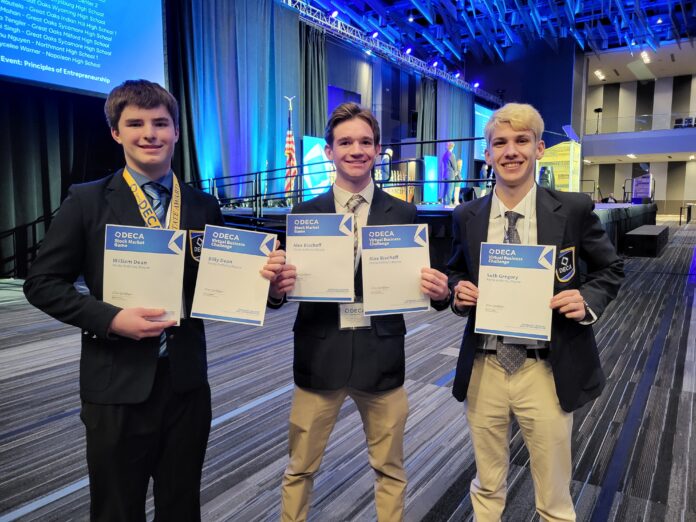
Billy Dean, Alex Bischoff and Seth Gregory, pictured during the state DECA competition in March, will compete in the Virtual Business Challenge at ICDC in Atlanta. (Courtesy photo)
How can the energy industry recruit 18- to 25-year-olds into careers spanning business and marketing to skilled trades and engineering? Just ask a group of high school seniors.
Every year, thousands of high school students take the knowledge they’ve gained in business and marketing classes and put it to the test through DECA – an international student organization that prepares emerging leaders and entrepreneurs through competitive events like role plays, written exams, case studies and presentations.
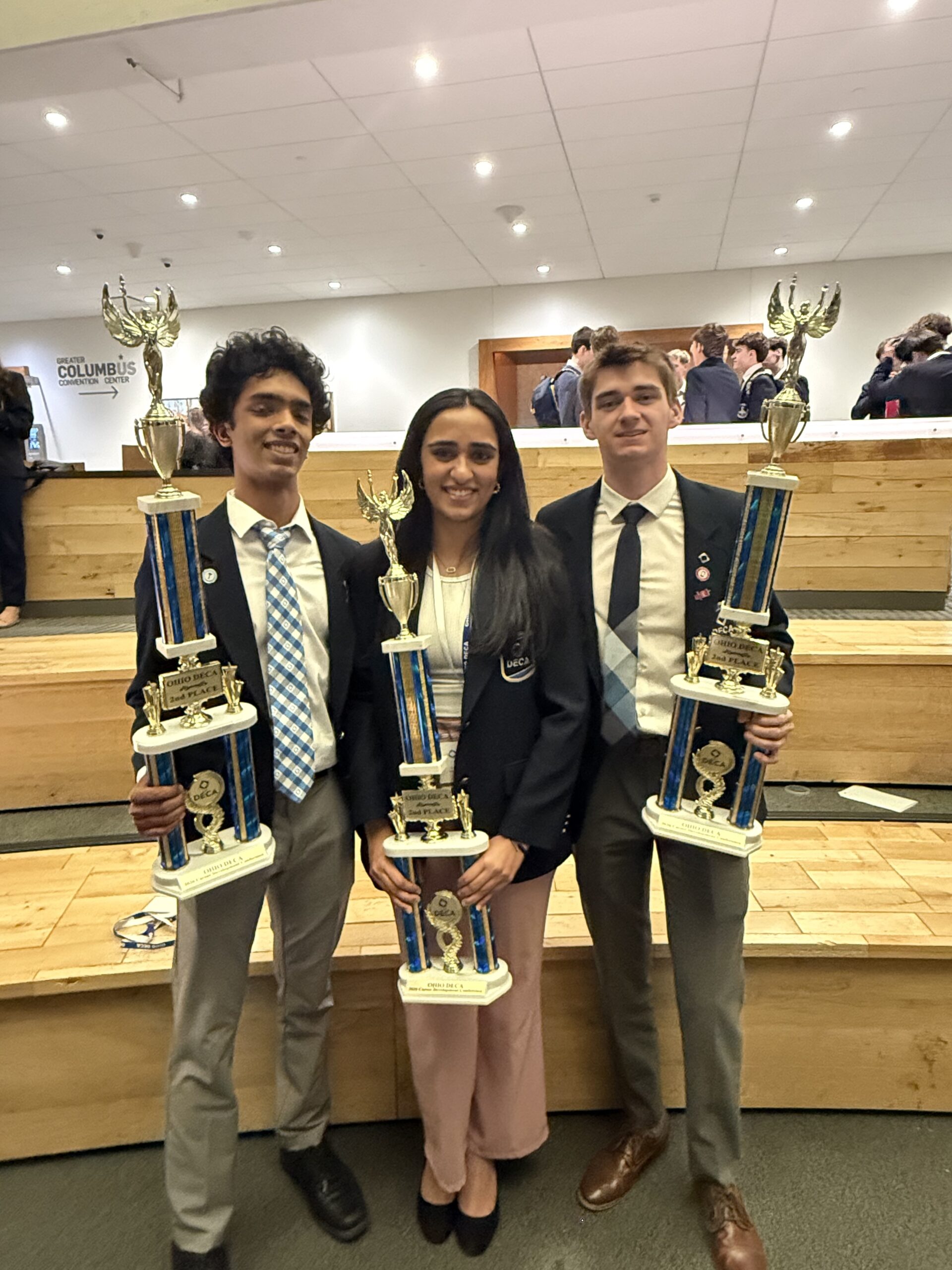
At the end of April, following a strong showing during the February state conference, 17 Anthony Wayne High School students will be among the 20,000 students competing in DECA’s International Career Development Conference (ICDC) in Atlanta. Arjun Jayaraman, Aradhya Muthumula and AJ Rea will be among those competing – but they’ve already nabbed the No. 1 ranking for a unique opportunity through DECA.
Every year, corporations offer challenges for DECA students to compete for prize money, bragging rights and exposure to a variety of industries in exchange for fresh ideas from teens. In February, the trio learned they had bested around 100 entrants in the Power Perks Challenge, sponsored by the Center for Energy Workforce Development.
Arjun Jayaraman, Aradhya Muthumula and AJ Read hold trophies from the state DECA competition. The trio will be recognized during DECA’s International Career Development Conference (ICDC) in Atlanta at the end of April. (Courtesy photo)
For Arjun and Aradhya, it’s the second time to take on this additional challenge. Last year, they placed second with a video and marketing campaign for the insurance industry. But they knew their video wasn’t top notch. So as the DECA competition heated up, they recruited first-year DECA student AJ Rea.
“Arjun is really good with the information. And I have experience with projects and rubrics. We tell AJ that he is the cinematic master,” Aradhya said, noting that AJ’s experience in photography, videography and theater boosted their project to the top.
The Power Perks Challenge asked teens to develop a compelling recruitment video about the energy industry, as well as engaging social media assets that showcase the opportunities and impact of energy careers.
To generate ideas for their campaign, the trio met with representatives of First Solar and videographer Jacob Stutz of MadAveGroup, a Toledo marketing agency. For the video, they filmed at Penta Career Center and other sites, using friends as talent, to craft a message that would appeal to Gen Z. In addition, the team had to present a business plan that included marketing metrics, timeline and budgets.
“Businesses are reaching out to these teenagers to get their input,” said Becky Stutz, who is the Penta Career Center marketing teacher at the Anthony Wayne High School satellite. “These three were the only ones in my class to take on this challenge.”
The three gained valuable experience and knowledge that will help them as they head to college. For Arjun, who plans an engineering career, it opened up his eyes to the variety of jobs in the energy sector. Aradhya, who will major in international business, said putting her DECA class knowledge to the test has shown her real world applications. And for AJ, shadowing Jacob and seeing the work of MadAveGroup gave him insight into what type of work he’d like to do after earning a degree in communication design from Miami University.
With the corporate challenge championship under their belts, the three can now focus on competing in other categories at the ICDC.
Alex Bischoff and Billy Dean earned their trip to Atlanta three ways: by earning second with partner Seth Gregory in the Virtual Business Challenge, finishing second in the Stock Market Game, and advancing in their Role Play project. But they can only compete in one category, and they opted for Virtual Business Challenge (VBC).
With the VBC, students are given a fictional person and must decide every aspect of running his or her life – how to earn or spend money, time management, what to eat, how long to sleep, how much exercise to get and how to handle finances for a virtual four-year period.
“It’s finding all of the tiny things in your schedule that everyone else can’t find,” Billy said.
“The simulation is more of a mental game,” Alex said. “It’s all about finding the one way to do it right before everyone else in the nation.”
For two weeks each in October and January, the three seniors logged 50 hours online – competing against hundreds of other teams to see who could end the session with the most money in the bank. Their second try landed them a slot at the nationals, where they will have just 15 minutes to run through a similar scenario.
The process of competing in this challenge provided the seniors with insight in how to manage their own lives, they agreed. While Seth is familiar with personal finance from his father and grandfather, he said the simulation taught him more about specific career paths and which ones would provide the best opportunities for expanding net worth. Alex and Billy operate a side businesses flipping trucks and ambulances for resale, and they saw a lot of similarities in the decisions they have to make in their business – always trying to find efficiencies in time and money.
DECA competitions and Penta-AW marketing and business classes provide knowledge and experience that will help as these students go on to college and careers, they agree.
“I’ve learned so much about my career and how I can better myself,” AJ said.
When she heads to college, Aradhya said she’ll feel more confident in knowing a lot of the business terms that will come up in classes. She credits Mrs. Stutz for giving the students a head start.
A 1987 AW graduate, Stutz took business and marketing classes from now-retired Penta teacher Larry Kelly, and decided that she wanted to follow in his footsteps. After earning a degree in marketing education, she taught classes at Penta Career Center, then at the Springfield High School satellite before heading up AW’s program after Kelly retired in 2007.
Over the years, she’s not only taught classes and supervised co-ops, but arranged overnight and day trips for competitions that put her students’ knowledge to the test.
“I love seeing the students go to these competitions,” she said. “I see the light bulbs coming on, the excitement, the disappointment and the ‘let’s bounce back’ attitude. All of those pieces make my heart full.
“The great successes in the competition is all because of the kids. I just give them the resources and they take it from there. These kids are awesome.”
After 33 years of teaching, Stutz will retire at the end of the school year. She was presented with the Ohio DECA Honorary Life Membership Award during the state competition in February. Jason Biniker, an AW-area resident who teaches marketing education at Penta, will take her place.
“He’s a great fit,” Stutz said.
Also qualifying for the ICDC from AW this year are: Garrett Smith, Maddock Hires, Miley Denman, Lydia Fabian, Ellison Lopez, Sophia Huhn, Madeline Johnson, Dalia Shordt, Brady Wells, Brady Zare, Josie Phillips and Ava Wepler.
Honking, drums and speeches were all features of the third No Kings rally in downtown Toledo at Promenade Park.
Hundreds of people showed up and lined Summit Street with signs to show their dissatisfaction with Donald Trump, while hundreds more filed into the amphitheater at Promenade to hear speakers.
“It’s a national effort that’s going on all over the country today, and this is ours here in Toledo,” said Megan Schmidt, 41, the co-founder of Toledo Persists, who coordinated the protest downtown. There was another No Kings protest in West Toledo, which Toledo Persists was not involved with.
People gather in the amphitheater at Promenade Park during the third No Kings protest in downtown Toledo, Ohio on Saturday. (TFP photo by Stephen Zenner)
“I think the main objective today is just for people to come out and express some of the frustration and the panic that they’re probably feeling right now,” Schmidt said.
Frustrations for the current president’s detractors included the war in Iran, immigration enforcement, defunding healthcare, tax cuts for the rich, cost of living increases, gas prices and fears of an encroaching dictatorship via the Trump administration.
Other organizations who helped put on the event included the Farm Labor Organizing Committee (FLOC), American Muslims for Palestine (AMP) and the Lucas County Democrats. Notable speakers Baldemar Velasquez, the president of FLOC, and Walaa Kanan, a leader in AMP, both spoke to hundreds gathered in the Promenade amphitheater by the Maumee River.
Zane P., 31, a protester from Fremont, open carries during the third No Kings protest at Promenade Park. Zane said they open carried for protection after Immigration and Customs Enforcement shot and killed Alex Pretti in Minneapolis, Minnesota. (TFP photo by Stephen Zenner)
“Because everything is so intertwined when we talk about the overreach of government or the neglect among people who are vulnerable. This government made it worse than it’s ever been,” Velasquez told the press after his speech.
Palestine and immigration were both on the docket for issues detractors of the president had foremost in mind, but a new concern jumped in front of both of those large and sensitive issues.
“I believe that we’re being pulled into something that I think at this point, we’ve crossed the Rubicon, and I don’t know how we’ll get out of it,” said Michelle Carrillo, 59, of Oregon, Ohio, specifically about the war in Iran.
Carrillo was worried about reinstating the draft for her grandson, because both of her sons had served during previous wars in the Middle East.
“The older one was in Baghdad,” she said. “I didn’t agree with it. I thought we shouldn’t have gone into Iraq.” Her younger son and older son both served in Afghanistan.
Zane P., 31, of Fremont, Ohio came with an AR style rifle they said was for self-defense, citing Alex Pretti’s homicide, shot to death by ICE agents in Minneapolis, Minn., as a reason they were open carrying.
“I can’t keep watching people get killed, dude,” Zane P. said, and clarified the weapon was to keep people in the protest safe. Zane said their partner was in the military, and was worried about her getting deployed to Iran.
While Zane was talking, the other man in tactical gear, Gregory Charles Litzenberg, 38, of Waterville, Ohio, yelled, “We don’t want no fucking war.”
But most people at the protest didn’t don weapons or tactical gear, like Zane and Litzenberg.
For the most part, people were dressed in regular clothes, one man came in a homemade patriotic copy of a minuteman from the 1770s, and a few made appearances in inflatable animal costumes. The gathering featured less vitriol and more community building and a party with live music.
Jill Hojnacki, 70, of west Toledo, holds an American flag during the third No Kings protest at Promenade Park in downtown Toledo, Ohio on Saturday, March 28, 2026. Hojnacki said she was disappointed with how the country had gone backwards on LGBTQ rights, something she had fought for when she was younger. (TFP photo by Stephen Zenner)
“I am somewhat flabbergasted that we aren’t all out here,” said Jill Hojnacki, 70, of west Toledo. “What is happening right now is really anti-American.”
When pressed for specifics, Hojnacki talked about human rights violations by ICE, “flagrant attempts to take control of our voting and electoral process,” and violations against the constitution under the Trump administration.
“I fought for LGBTQ rights. I fought for women’s rights. We actually started making progress,” she said. “My first protest was under a flagpole in high school, trying to get them to start the EPA [Environmental Protections Agency]. And now, here Trump is dismantling it all. Name something that he has touched or that DOGE [the Department of Government Efficiency] has touched that isn’t completely messed up at the moment,” she said.
Baldemar Velasquez, the president of the Farm Labor Organizing Committee (FLOC), speaks during the third No Kings protest at Promenade Park. (TFP photo by Stephen Zenner)
In line with Hojnacki, one particular protester showed up as an inflatable starfish, Clair Miller, 27, of Bryan, Ohio, staying in line with the nature theme, and raised concerns about environmental protections being rolled back on companies.
Another woman, Liz Baker, 38, of west Toledo, made her protest of the president known.
“A lying felon who only cares about himself shouldn’t be representing all of us,” she said.
Council Members At-Large Erin Kramer and Nick Komives both attended the protest, alongside United Autoworkers (UAW) Local 14 President Tony Totty.
Kramer, who was there to volunteer with Toledo Persists during the protest, was getting people to sign a petition to put gay marriage on the ballot in Ohio, in case federal protections for gay marriage were to be rescinded.
“I think it’s really important for people in northwest Ohio to remember that there are a lot of us out there who feel this way about the Trump administration, and we feel like we want to have our voices heard, and we want people to not feel alone,” Kramer said, highlighting the importance of the protest.
Zane P., 31, a protester from Fremont, Gregory Charles Litzenberg, 37, of Waterville, protest during the third No Kings protest at Promenade Park in downtown Toledo. (TFP photo by Stephen Zenner)(TFP photo by Lucas Sells)Laney Auchmuty (left) holds a sign protesting President Trump. (TFP photo by Lucas Sells)
John holds a sign criticizing MAGA patriotism. (TFP photo by Lucas Sells)
Grant Hubley just returned from a Washington, D.C. trip like no other.
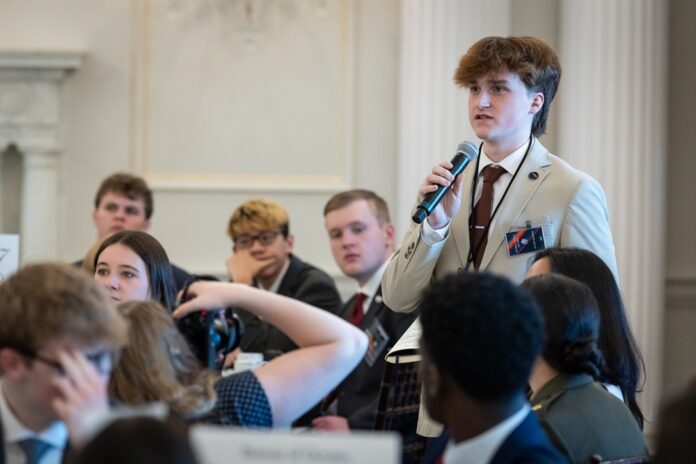
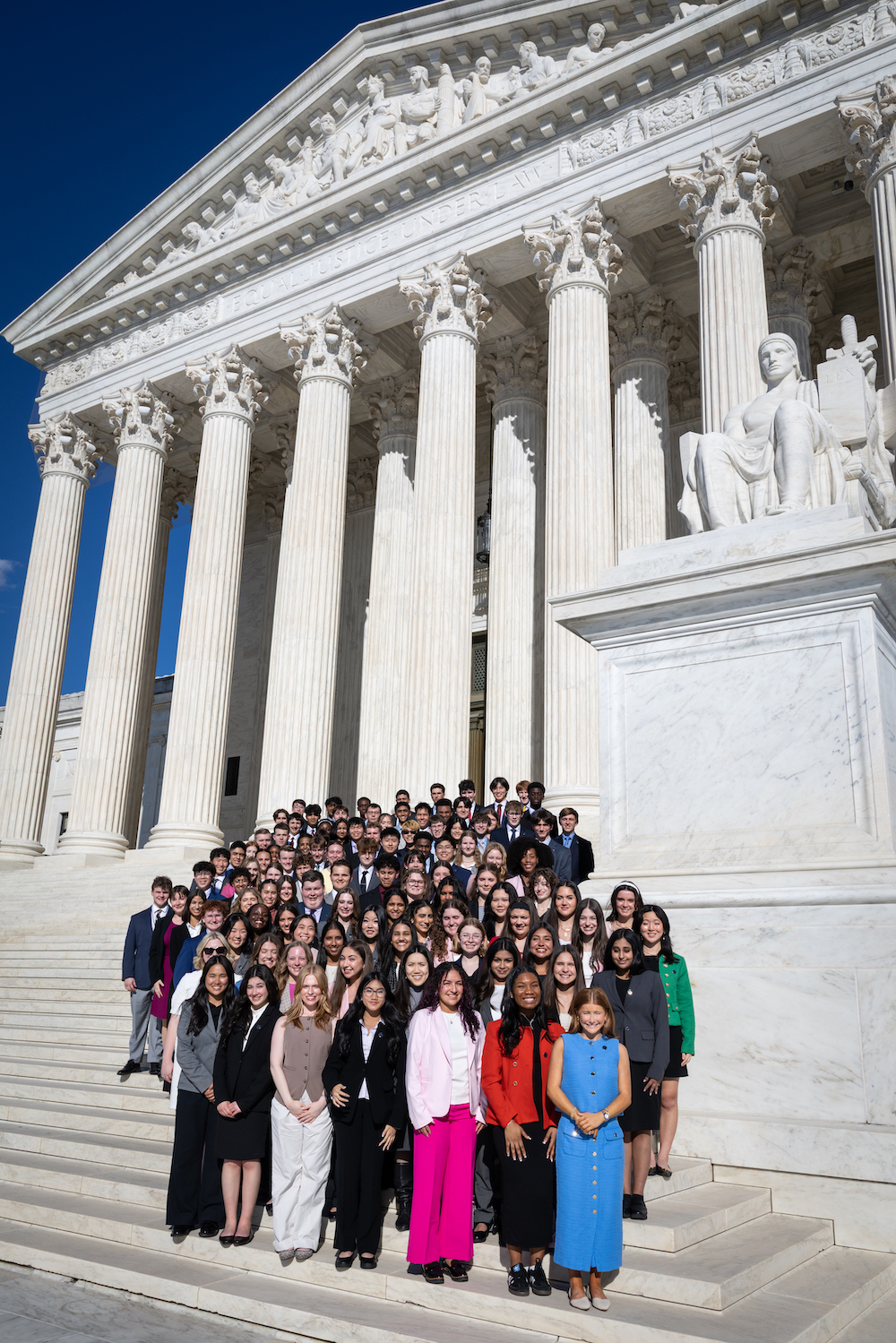
The Anthony Wayne High School senior – one of two from Ohio chosen for the United States Senate Youth Program (USSYP) – met ABC senior political correspondent Rachel Scott, Supreme Court Justice Ketanji Brown Jackson, Secretary of War Pete Hegseth and Chairman of the Joint Chiefs of Staff Dan Caine, as well as senators, reporters, aides, military personnel and policy advisors.
“I don’t think I have had any experience that could compare to this. I did it because I’m so interested in political science and government,” Grant said. “Every time I heard from a speaker, I thought, ‘I’m going to do that. I’m going to become a Supreme Court justice. Or a senator.’ It did change throughout the week, but I definitely want to move to D.C. and get involved ASAP.”
The March 7-14 program included 105 students who participated in an intensive study of the federal government, but the week’s overall focus was on counteracting polarization, and the first speaker of the week was from Braver Angels – a citizen’s organization uniting red and blue Americans in a working alliance to depolarize our country.
“We talked about how to have conversations that can go from heated to productive. Through workshops the rest of the week, we learned to understand where others are coming from and how to find common ground,” Grant said.
All of the students he met agreed that access to health care, education and affordability are some of the main priorities for Americans – along with keeping politicians accountable, he said. As long as the students framed their questions respectfully, they could ask any question of anyone – including Hegseth and Caine.
“One question we asked them was the ethics behind using AI for border strikes, and about having AI make the final decision instead of a human. We definitely gave them a run for their money,” he said, adding that some of the adults seemed genuinely surprised at the level of questioning.
During the week, the students were accompanied by military mentors, who would start conversations and ask for their viewpoints, or weigh in if asked for input on how to frame a question. Grant’s mentor was an Army Ranger, another was a Navy SEAL.
“They were extremely accomplished people with years of experience,” he said.
Among his favorite speakers were Scott – who shared Grant’s Instagram recap of his experiences – and Justice Jackson, who spoke about how the Supreme Court should make decisions not on politics but on an interpretation of the Constitution.
While in Washington, the youth visited the Smithsonian Air and Space Museum, where they heard from the nation’s first Black astronaut, Charles Bolden. They met Dr. Alveda King, the niece of the late Dr. Martin Luther King Jr., and visited the Lincoln Memorial, the Washington Monument , the Pentagon, the White House and the State Department, where they spoke to a legislative affairs representative.
“He told us how they have experts on different areas like climate policy or education or traffic safety. Members of Congress go speak with members of the State Department for input on legislation,” Grant explained.
The students met the Senate parliamentarian, who ensures that members of Congress follow parliamentary procedure, and the sergeant at arms, who is responsible for law enforcement.
“We talked about January 6 and their experiences – and how the Capitol functions now after all of that,” he said. “We also learned about how many cybersecurity attacks are attempted on Washington each year – upwards of 40,000 they have to defend against.
“It’s cool to see how, yes, we have all of these senators, but at the same time there are so many other people that it takes to make it work,” he added.
The USSYP is made possible through the Hearst Foundations, and Grant said William Randolph HearstIII stood up and waved to the students. Grant first learned about the program through a friend in Wyoming. After submitting his application, essays, a resume and a letter of recommendation, Grant joined 90 students vying for two spots representing Ohio. Of those, 12 were selected to visit the Ohio Statehouse to make a speech and be interviewed.
Grant first became interested in politics during his seventh grade year. He joined Family, Career, and Community Leaders of America (FCCLA) and, with encouragement from advisor Kay-Lynne Schaller, he embarked on his first project – environmental advocacy.
“I was talking to congressional candidates in seventh grade. That was the start of it,” Grant said.
Since then, he’s risen to serve as the national first vice president of FCCLA, as well as the Ohio president for the organization, where he served as keynote speaker for two state-level conferences. He is currently the FCCLA chapter president at the high school.
“Being an officer opens the doors for advocacy,” he said.
Two other events during his seventh grade year had an impact: the 2020 elections and the COVID-19 pandemic.
“With everything going on in 2020, especially on social media, I started paying attention. Seventh-grade Grant was probably just angry. Now, instead of just watching social media and being irritated, I’m trying to do something.”
Grant has platforms on education, food security and safety through FCCLA and serves as student council president, organizing events in the school. He has spoken nationally, including the national FCCLA and the Lifesavers National Traffic Safety conferences. He’s also slated to speak during the four-day Coca-Cola Scholars Weekend in Atlanta at the end of April.
Through the USSYP, he received a $12,500 scholarship. Grant also has a $20,000 Coca-Cola scholarship and a $3,200 National Honor Society Scholarship National Semifinalist scholarship. While he was accepted into New York University and is waiting to hear back from George Washington University and Columbia University, Grant said he’s leaning towards the University of Dayton.
Grant already has his associate’s degree, having taken international relations, political science and public administration classes through Bowling Green State University while in high school. His goal is to finish his undergraduate degree in two years, get a master’s degree in public administration, go to law school and run for elected office.
Through his USSYP experience, Grant said he may also look at the military – especially after speaking with the military mentors assigned to the students in Washington.
“I’m motivated by the opportunities and connections I’ve made through this,” he said.
In his free time, Grant enjoys running and going to events like concerts. He is the son of Jeremy and Leah Hubley of Waterville. His sister, Reagan, is a freshman, while his brother Austin, a 2018 graduate, lives in Chicago.